Choosing a Colorado Fishing Guide, What to Look For
Deciding to hire a fishing guide in Colorado can feel a bit daunting, especially with so many options out there. You want to make sure you're getting the best experience for your hard-earned money and valuable vacation time, but how do you sift through all the choices? This comprehensive guide is here to walk you through everything you need to consider, from understanding different guide services to knowing the right questions to ask, so you can pick the perfect Colorado fishing guide for your next adventure.
Why Consider a Fishing Guide in Colorado?
Colorado offers some of the most stunning and diverse fishing opportunities in the country, from high-alpine lakes teeming with native cutthroats to world-renowned Gold Medal rivers famous for their trophy trout. But let's be honest, figuring out where to go, what to use, and how to fish these waters can be a monumental task, especially if you're not a local. That's where a good fishing guide truly shines, transforming a potentially frustrating outing into a memorable and successful one.
Navigating New Waters and Regulations
Colorado's waterways are incredibly varied, and each often comes with its own set of nuances and rules. One river might be catch-and-release only with barbless hooks, while a nearby lake allows bait and has different bag limits. Trying to keep track of all this while also trying to locate fish can feel like a full-time job. A guide eliminates that stress. They live and breathe these regulations and know the waters intimately.
Imagine you've driven hours to fish a specific section of the Arkansas River, only to discover the public access is tricky, the river's running high, and you're not quite sure if you're allowed to keep that beautiful rainbow. A guide already knows the best access points, understands the current conditions, and can instantly clarify Colorado Fishing Regulations Every Angler Should Know, including local peculiarities like size limits or specific bait restrictions. They'll ensure you're fishing legally and effectively, saving you precious time and preventing potential fines. For visitors, understanding things like Colorado's Habitat Stamp, Explained and if it applies to them can be confusing, but a guide will have all that sorted.
Accelerating Your Learning Curve
Whether you're a complete novice picking up a fly rod for the first time or an experienced angler looking to refine specific techniques, a guide can fast-track your learning. There's no substitute for one-on-one instruction from someone who spends hundreds of days a year on the water. They've seen it all, and they can diagnose your casting issues, recommend the right fly pattern, or teach you how to read the water in ways a YouTube video simply can't.
Think about trying to learn to Euro nymph on a swift tailwater. Without proper guidance, you might spend hours snagging the bottom or missing subtle takes. A skilled guide will demonstrate the technique, watch your presentation, and provide immediate, constructive feedback. They can explain why a particular fly is working or why you need to mend your line in a certain way, building your understanding rather than just giving you a fish. This kind of personalized coaching is invaluable, making your future solo trips far more productive. Many guides are also excellent at explaining Nymphing Techniques for Colorado Tailwaters or Dry Fly Fishing Colorado's Freestone Rivers in real-time.
Accessing Prime or Private Waters
Some of Colorado's most productive or pristine fishing spots are either difficult to access, located on private property, or require specialized knowledge to fish effectively. Guides often have permits, relationships, or private access agreements that allow them to take you to places you simply couldn't reach on your own. This can mean fishing uncrowded stretches of Gold Medal water or exploring secluded alpine lakes.
For instance, many of Colorado's most famous rivers, while having public access, also have large stretches of private land. Guides sometimes lease these private sections, offering an exclusive fishing experience away from the crowds. Or, they might know the secret hiking trail to a remote high-country lake that only sees a handful of anglers each year, promising undisturbed fishing for wild trout. Accessing these hidden gems or less-pressured waters can significantly increase your chances of success and provide a more tranquil experience. It's also worth noting that while you generally need a Colorado Fishing License Guide for Residents and Nonresidents for public waters, many people wonder, Do You Need a License to Fish Private Water in Colorado?, and the answer is usually yes.
Understanding Different Types of Colorado Fishing Guides
Just like there are many ways to fish, there are many types of guides ready to help you. Before you start your search, it's helpful to understand the different services and specialties available. This way, you can narrow down your options to find a guide who perfectly matches your angling preferences and goals.
Fly Fishing Guides (Walk-Wade vs. Float Trips)
Fly fishing is incredibly popular in Colorado, and as such, fly fishing guides are abundant. These guides typically specialize in trout fishing on rivers and streams, but the experience can vary quite a bit depending on the method of travel. A "walk-wade" trip means you and your guide will hike into a section of river and fish on foot, wading through the water or casting from the bank. These trips are fantastic for intimately exploring smaller streams, getting into specific pockets, or fishing stretches where boating isn't practical or permitted.
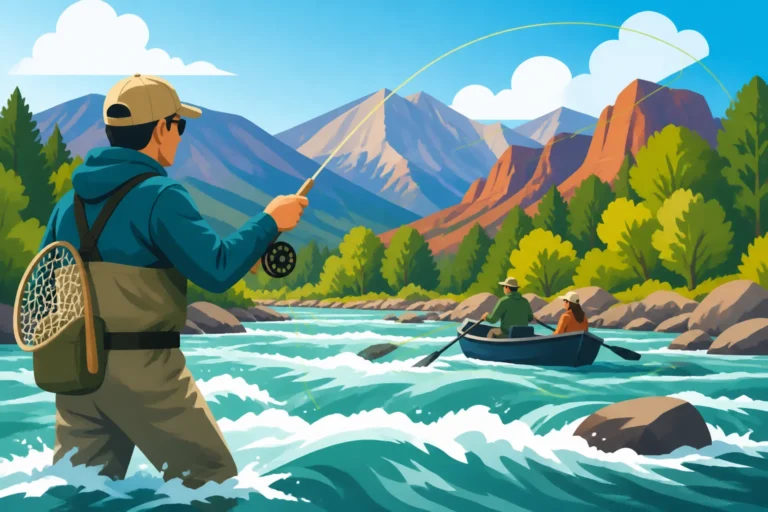
A "float trip," on the other hand, involves fishing from a drift boat, raft, or McKenzie-style boat as you float down a river. This allows you to cover much more water, access hard-to-reach spots, and target fish from a different perspective. Float trips are especially popular on wider rivers like the Colorado, Arkansas, or the Roaring Fork. Both types of trips offer unique advantages: walk-wading provides a more hands-on, immersive experience with the riverbed, while floating offers efficiency and access to diverse holding water. When considering Float Trips vs Walk-Wade Trips With a Colorado Guide, think about your physical comfort, how much water you want to cover, and the specific river you have in mind.
Spin Fishing and Gear Fishing Guides
While fly fishing gets a lot of the spotlight in Colorado, many anglers prefer spin fishing or gear fishing with conventional tackle. There are plenty of excellent guides who specialize in these methods, catering to those who enjoy using lures, jigs, or bait. These trips are often more focused on reservoirs and larger lakes, but some river guides also offer spin fishing options, especially for species like pike or walleye.
A spin fishing guide might take you out on a boat to target lake trout in deep reservoirs, showing you how to jig or troll for these elusive fish. Or, they might focus on bass and wiper in one of the Front Range reservoirs, teaching you how to work a topwater lure or soft plastic. These guides are masters of their specific tackle and can teach you the intricacies of rod and reel setup, lure presentation, and fighting larger fish with conventional gear. If you're looking to target species beyond trout or simply prefer the feel of a spinning rod, don't hesitate to seek out a guide specializing in spin fishing techniques.
Ice Fishing Guides and Lake Charters
Colorado's winter months bring a whole new dimension to fishing: ice fishing. If drilling holes in frozen lakes and pulling fish through the ice sounds like an adventure, then an ice fishing guide is exactly what you need. These specialists know how to navigate icy conditions safely, where to find the fish under the frozen surface, and what gear works best in the cold. They'll typically provide all the necessary equipment, including augers, shelters, heaters, and specialized rods and reels.
Beyond ice fishing, many large reservoirs also have lake charter services available year-round for open water fishing. These are often larger boats, sometimes equipped with advanced sonar and trolling gear, designed to help you find and catch species like kokanee salmon, lake trout, or even walleye. A lake charter is ideal if you want a comfortable, boat-based experience on big water, especially if you're targeting those deep-dwelling giants or schools of salmon. They're perfect for groups or families who want to experience the thrill of big-water fishing without the hassle of owning or trailering a large boat. For instance, you could book a Charter Boats for Kokanee Salmon at Blue Mesa for a dedicated salmon experience.
Key Qualities of a Great Colorado Fishing Guide
When you're shelling out for a guided trip, you want more than just someone who can put you on fish. A truly great guide enhances the entire experience, making it educational, enjoyable, and safe. These qualities go beyond just angling prowess and delve into personality, professionalism, and passion for the outdoors.
Experience and Local Knowledge
The best guides are encyclopedias of local knowledge. They don't just know where the fish are; they know why they're there, what they're eating, and how subtle changes in weather or water conditions affect their behavior. This kind of nuanced understanding comes from years, often decades, spent on the same waters. They've witnessed countless hatches, seen the river at all flows, and understand the intricate ecosystem of their home turf.
An experienced guide will know the hidden seams and pockets on a river that most people walk past, or the specific depth and structure where lake trout are holding on a reservoir. They'll understand Colorado Fishing Seasons Month by Month and how trout behavior changes. This isn't just about finding fish; it's about providing context and insights that deepen your own appreciation for the sport and the environment. They've logged the hours, made the mistakes, and learned the lessons, allowing them to anticipate challenges and adapt their approach to ensure your success and enjoyment. It’s like having a living, breathing Colorado's Best Fishing Spots by Region map in human form.
Communication and Teaching Style
A guide's ability to communicate effectively and patiently teach is just as crucial as their fishing skills. You're hiring them for their expertise, but if they can't articulate that knowledge in a way you understand, or if they lack patience, the experience can quickly become frustrating. A great guide is a natural teacher, able to break down complex concepts into digestible steps and adapt their instruction to your skill level and learning style.
Consider a beginner struggling with their cast. A good guide won't just tell them "do it better;" they'll identify the specific flaw – maybe too much wrist, or not enough pause – and offer a tangible drill or cue to correct it. They'll be encouraging, celebrate small victories, and make you feel comfortable asking "dumb" questions. This applies whether you're learning to tie a new knot, read a riffle, or discern a subtle take. They should be able to explain Best Flies for Colorado's Gold Medal Trout Water and why certain patterns are effective. Ultimately, a good guide isn't just a fishfinder; they're a mentor who genuinely wants to see you improve and have fun.
Safety First Mentality
Fishing in the Rocky Mountains can sometimes involve inherent risks, whether it's navigating slippery river rocks, dealing with rapidly changing weather, or operating a boat on a large reservoir. A top-notch guide always prioritizes safety above all else. They'll be prepared for emergencies, carry appropriate safety gear, and make sound judgments about conditions. This professionalism provides peace of mind, allowing you to focus on the fishing.
This means a guide will ensure you have proper footwear for wading, check weather forecasts meticulously before heading out, and know CPR and first aid. They'll also be transparent about potential hazards and make decisions to keep you safe, even if it means altering or cutting short a trip. For instance, if a sudden thunderstorm rolls in on a high-country lake, they won't push through it. They understand the risks of lightning, hypothermia, or getting stranded, and they'll always choose caution. You want a guide who is not only skilled at fishing but also a responsible outdoor professional. You can ask about their certifications and what insurance they carry.
Practical Considerations Before Booking
Once you've started to get a feel for the types of guides available and the qualities that make one exceptional, it's time to dig into the practical details. These are the logistical questions that will help you solidify your booking and ensure there are no surprises on the day of your trip.
Cost, Inclusions, and Tipping Etiquette
Understanding the financial aspect of a guided trip is crucial for budgeting and avoiding awkward situations. Guide trip costs can vary significantly based on the duration (half-day vs. full-day), the type of trip (walk-wade vs. float), the location, and what's included. Always get a clear breakdown of what your fee covers. This usually includes the guide's time, expertise, and often things like flies, tackle, and sometimes lunch or snacks.
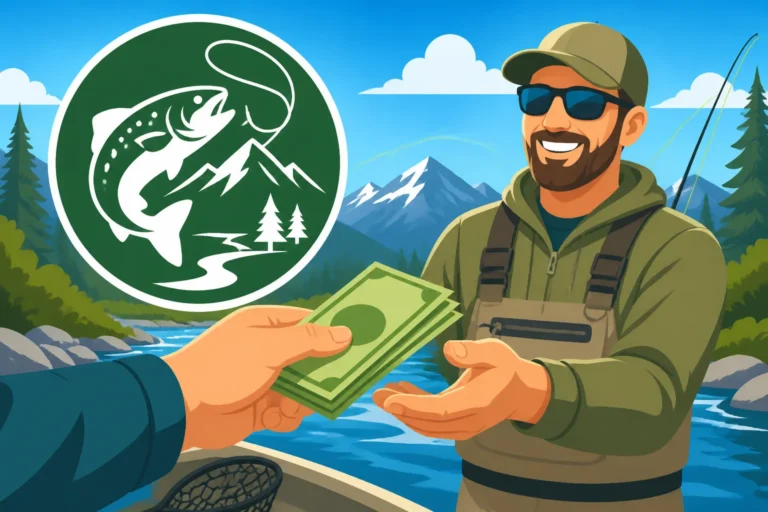
It's equally important to understand tipping etiquette. Guiding is a service industry, and guides often rely on tips as a significant portion of their income. A general rule of thumb for Tipping a Colorado Fishing Guide, What's Standard is typically 15-20% of the trip cost for excellent service, though you should always tip based on your experience. Don't be afraid to ask about customary tipping practices when you book; a reputable outfitter will be happy to clarify. Knowing these details upfront allows you to budget correctly and show your appreciation appropriately. For instance, Colorado Fly Fishing Guide Costs Explained will typically include a lot of specifics.
Group Size and Trip Customization
Not all guided trips are one-size-fits-all, and understanding group size limitations and customization options can greatly enhance your experience. Most float trips are limited to two anglers per boat, plus the guide, due to space and safety constraints. Walk-wade trips might accommodate slightly larger groups, but often the optimal guide-to-client ratio is 1:1 or 1:2 for personalized instruction. If you're planning a family trip or a group outing, confirm the maximum number of people the guide can accommodate and if additional guides might be needed.
Many guides also offer a degree of customization. Do you want to focus specifically on dry fly fishing, or are you hoping to learn streamer techniques? Are you dead set on catching a specific species like a big brown trout, or are you happy with anything that bites? Discuss your preferences and goals with the guide beforehand. A good guide will listen to your desires and tailor the trip as much as possible, while also being realistic about what's achievable based on conditions and your skill level. For families, look for Guided Trips for Kids in Colorado if you're bringing young ones.
Gear, Licenses, and Logistics
The devil is often in the details, and covering gear, licensing, and other logistical items before your trip can prevent headaches. Most reputable guides and outfitters will provide high-quality rods, reels, waders, boots, and flies or lures. However, it's always wise to confirm this. If you prefer to use your own gear, let them know. Remember to confirm if your Colorado Fishing License Guide for Residents and Nonresidents is in order, and if you need a Colorado's Second-Rod Stamp and Who Needs One if you plan to fish with two rods.
You are almost always responsible for purchasing your own Colorado fishing license and any necessary stamps (like the Habitat Stamp). Make sure you have these purchased before your trip day. Guides cannot sell them to you on the spot. Also, clarify meeting points, start times, and what you should bring (e.g., sunscreen, hat, rain gear, snacks, water). Don't forget any personal medications or dietary needs for lunch if provided. Knowing these logistics upfront makes for a smooth and stress-free start to your fishing adventure. How to Buy a Colorado Fishing License is generally quite easy online or in person.
How to Research and Vet Potential Guides
You're ready to find the right guide, but how do you actually go about it? In today's digital age, there are many resources available to help you vet potential guides and outfitters, allowing you to make an informed decision. Taking the time to do your homework here can save you a lot of disappointment later.
Online Reviews and Reputation
The internet is a powerful tool for researching services, and fishing guides are no exception. Websites like Google Reviews, Yelp, and specialized fishing platforms can offer a treasure trove of insights into a guide's performance. Pay attention to consistent themes in positive reviews – do people praise their patience, their knowledge, their ability to find fish, or their professionalism? Conversely, look for recurring complaints. Are there issues with communication, safety, or feeling rushed?
Platforms like FishingBooker specifically focus on connecting anglers with guides and charters, providing aggregated reviews and ratings that can be incredibly helpful. These sites allow you to see firsthand experiences from other anglers, giving you a realistic expectation of what a particular guide offers. Remember that one or two negative reviews might be an anomaly, but a pattern of similar complaints should raise a red flag. A guide with a strong, consistent online reputation is often a good indicator of reliable service and a positive experience.
Professional Affiliations and Certifications
Beyond anecdotal reviews, look for objective indicators of a guide's professionalism and commitment to their craft. Many reputable guides and outfitters are affiliated with professional organizations or carry specific certifications. These can include being an Orvis Endorsed Guide, being certified in CPR and First Aid, or holding specific state or federal permits for operating on certain waters.
An Orvis Endorsed Guide, for example, has met stringent standards for experience, professionalism, and teaching ability set by a well-respected brand in the fly fishing world. While not the only measure of quality, such affiliations demonstrate a guide's dedication to high standards. Furthermore, guides who lead trips on public lands or certain rivers are often required to hold specific outfitter licenses or permits. Don't hesitate to ask a potential guide about their certifications or affiliations; a professional guide will be proud to share them. These details are important when you are Hiring a Fishing Guide in Colorado, What to Expect.
Direct Communication and Interviewing
Once you've narrowed down your choices, pick up the phone or send an email. Direct communication is one of the best ways to vet a guide and determine if their personality and approach align with your expectations. Ask specific questions about their experience on the waters you want to fish, their philosophy on teaching, and what they envision for your trip.
During this conversation, pay attention to their responsiveness, their willingness to answer questions, and whether they seem genuinely interested in understanding your goals. Do they sound friendly and approachable? Do they try to upsell you aggressively, or do they offer tailored advice? This "interview" process isn't just about getting information; it's about getting a feel for their personality. Remember, you'll be spending a full day, or at least a half-day, with this person. Ensuring a good personal fit can be as important as their ability to find fish. This is particularly important if you are Booking a Colorado Fishing Guide Online and have only seen a profile.
Making the Most of Your Guided Trip
You've done your research, booked your guide, and now the day is almost here! To ensure you get the absolute most out of your investment and have a truly fantastic time on the water, there are a few things you can do to prepare and participate actively during the trip.
Setting Expectations and Being Open to Learning
One of the biggest mistakes anglers make on a guided trip is going in with unrealistic expectations. While guides are experts, they are not magicians, and fishing inherently involves variables like weather, water conditions, and fish behavior that are beyond anyone's control. Communicate your goals upfront, whether it's learning new techniques, catching a trophy, or simply enjoying a relaxing day on the water. However, be flexible and open to the guide's recommendations, especially if conditions dictate a change in plans.
The best way to learn is to be an active participant. Listen to your guide, ask questions, and try the techniques they suggest, even if they're unfamiliar. They're seeing the water and conditions from a different perspective and have years of experience to draw upon. An open mind and a willingness to try new things will not only accelerate your learning but also contribute to a more positive and successful experience, regardless of how many fish you put in the net. Remember, even experienced anglers can benefit from a fresh perspective, especially when it comes to things like Reading Water on a Colorado Freestone River.
Respecting the Guide and the Environment
A guided trip is a partnership. Show up on time, be prepared with your license and appropriate clothing, and treat your guide with courtesy and respect. They are working hard to ensure you have a good day, and a positive client attitude goes a long way. This includes respecting their decisions, especially regarding safety or conservation practices. If they ask you to use a specific type of hook or handle fish in a certain way, understand that it's often for the well-being of the fish and the environment.
Equally important is respecting the natural environment. Adhere to catch-and-release practices on designated waters, avoid littering, and minimize your impact on the riverbanks or trails. Colorado's pristine waters are a precious resource, and guides are often passionate conservationists. By showing respect for both your guide and the environment, you contribute to a sustainable fishing future and ensure that these beautiful places remain healthy for generations to come.
Post-Trip Follow-Up and Feedback
After your trip, take a moment to provide feedback to your guide or outfitter. This could be a personal thank you, a review on FishingBooker, or a direct email to the outfitter. Positive feedback helps good guides get recognized and continue their work, while constructive criticism can help them improve. If you had an exceptional experience, consider recommending them to friends or booking with them again in the future.
This follow-up not only helps the guide but also benefits the broader fishing community by promoting quality guiding services. It's a way to ensure that other anglers can also find the kind of amazing experiences you had. Plus, maintaining a good relationship with a guide can sometimes lead to insights on future conditions or early booking opportunities for prime dates.
Common Scenarios and What to Ask
Even with all the preparation, unique situations can arise. Knowing how guides handle common challenges, and asking about them beforehand, can prevent miscommunications and ensure your trip goes smoothly, no matter what Mother Nature throws your way.
Handling Bad Weather and Cancellations
Colorado weather can be notoriously unpredictable, especially in the mountains. A bluebird morning can quickly turn into an afternoon thunderstorm, or a spring day can surprise you with a late-season snowstorm. Before booking, always inquire about the guide's Cancellation Policies for Colorado Guided Trips. What happens if the weather turns dangerous? Is there an option to reschedule, or is there a refund policy?
A good guide will proactively monitor weather conditions and communicate any necessary changes well in advance. They'll have contingency plans, whether it's moving to a more sheltered location, delaying the start time, or rescheduling the trip entirely for safety reasons. Understanding these policies upfront ensures that you're not caught off guard and can make alternative plans if your fishing day needs to be adjusted. It's not about being pessimistic; it's about being realistic and prepared.
Fishing with Kids or Beginners
If you're planning a trip for young children or complete beginners, it's essential to find a guide who has experience and patience with this demographic. Not all guides are equally adept at teaching novices or keeping kids engaged. Ask specific questions: Do they enjoy teaching beginners? What is their approach to working with children? Do they have kid-friendly gear or strategies to make the experience fun and accessible?
A guide who specializes in beginner or family trips will often have a different pace and focus. They might prioritize learning the basics and having fun over catching a high number of fish. They might take more breaks, explain things in simpler terms, and have a more relaxed itinerary. This can make all the difference between a child developing a lifelong love for fishing and getting frustrated and bored. Look for guides who actively promote Guided Trips for Kids in Colorado or explicitly state their family-friendly approach.
Targeting Specific Species or Techniques
Sometimes, you have a very specific fishing goal in mind – maybe you want to land a trophy lake trout, or you're determined to catch a native Greenback Cutthroat, or perhaps you just want to learn how to perfect your dry fly presentation. It's crucial to discuss these specific aspirations with your guide before the trip. Not all guides specialize in every species or technique, and trying to force a guide out of their comfort zone might lead to a less successful outing.
For instance, if you're set on catching Kokanee Salmon Fishing in Colorado, you'll want a guide who is an expert in specific trolling or jigging techniques for that species and knows the best reservoirs. If you want to refine your Euro Nymphing Basics for Colorado Rivers, find a guide who is proficient in that style. Be clear about your objectives, and allow the guide to honestly assess if they are the best fit for your specific goals. If they aren't, a professional guide will often recommend another guide or outfitter who better matches your needs, ensuring you get the specialized experience you're seeking.
Here's a table summarizing different guide types and what they generally offer:
| Guide Type | Primary Focus | Common Waters | Typical Inclusions | Best For |
|---|---|---|---|---|
| Fly Fishing (Walk-Wade) | Trout, sight-fishing, nymphing, dry flies | Rivers, small streams | Rods, reels, waders, boots, flies, leader, tippet | Beginners, skill development, intimate river experience, smaller groups |
| Fly Fishing (Float) | Covering water, larger fish, specific river sections | Larger rivers | Rods, reels, flies, leader, tippet, drift boat/raft, shuttle | Covering ground, comfort, targeting specific river features |
| Spin Fishing | Trout, walleye, bass, pike, kokanee | Lakes, reservoirs, some rivers | Rods, reels, lures, bait, boat (if on larger water) | Anglers preferring conventional tackle, specific species targeting |
| Ice Fishing | Trout, kokanee, perch, walleye | Frozen lakes/reservoirs | Augers, shelters, heaters, specialized rods/reels, bait | Winter enthusiasts, unique experience, targeting winter bites |
| Lake Charters | Lake trout, kokanee salmon, walleye | Large reservoirs | Boat, advanced electronics, trolling gear, specialized tackle | Groups, big water comfort, targeting deep-dwelling species |
Disclaimer
This article is for general informational purposes only and does not constitute professional advice. Laws, prices and regulations vary by location and change over time. Consult a qualified professional for guidance on your specific situation.