Guided Trips Near Rocky Mountain National Park
Planning a fishing trip near the iconic Rocky Mountain National Park can feel a bit daunting. With its vast wilderness, diverse waters, and unique regulations, many anglers, especially those visiting, wonder how to best tap into the incredible fishing opportunities without getting lost or overwhelmed. This guide will walk you through the ins and outs of hiring a fishing guide in the areas surrounding Rocky Mountain National Park, helping you understand the benefits, what types of trips are available, and how to prepare for an unforgettable angling experience.
Why a Guided Trip Near Rocky Mountain National Park?
The sheer beauty and wildness of the landscape around Rocky Mountain National Park are undeniable, but they also present unique challenges for anglers. From understanding local insect hatches to navigating tricky terrain and confusing regulations, a guided trip can transform a potentially frustrating day into a highly successful and enjoyable one.
Navigating Complex Regulations and Access
One of the biggest hurdles for any angler, new or seasoned, in a new area is deciphering the local fishing regulations. The waters around Rocky Mountain National Park are no exception, with varying rules on everything from bait use to catch limits, and even specific closures or special conditions for certain species or stretches of river. For instance, Colorado Fishing Regulations Every Angler Should Know can be extensive. Trying to figure it all out on your own, especially if you're juggling a family vacation or limited time, can be a major headache. A professional guide is not only intimately familiar with these rules but also knows the best access points, whether it’s public land, private easements they have permission to use, or lesser-known trails that lead to pristine, unpressured water.
Think about it: instead of spending hours poring over a fishing regulations brochure, trying to pinpoint exactly where you can use a spinning reel versus a fly rod, or what the daily limit is for specific trout species, your guide handles all that. They know the ins and outs, like whether a specific tributary has catch-and-release only rules or if a certain lake has special restrictions on Colorado's 14-Inch Trout Length Rule. This expertise frees you up to focus on the joy of fishing, rather than the stress of compliance. They'll also ensure you understand and adhere to the guidelines, making your trip smooth and worry-free.
Maximizing Your Time and Catch Potential
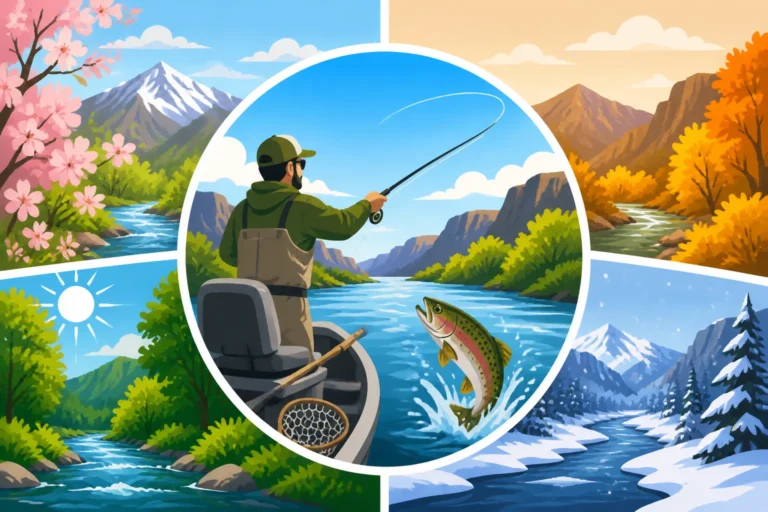
Let's be honest, when you're on vacation, every minute counts. You don't want to spend precious hours driving around, searching for a good spot, only to find it's either barren or completely overrun with other anglers. This is where a guide truly shines. They have a deep, daily knowledge of water conditions, recent fish activity, and where the fish are biting. They understand Colorado Fishing Seasons Month by Month and how changing weather patterns, water flows, and hatches influence fish behavior.
A guide won't just take you to a spot; they'll take you to the right spot at the right time. They'll consider factors like the time of year, current river flows (especially important during When Colorado's Spring Runoff Hits and How to Fish Around It), and what flies or lures are most effective. For example, if you're specifically hoping to catch some of Colorado's Trout Species, A Field Guide, a guide will know exactly which waters are holding those fish and what techniques will yield the best results. This insider knowledge drastically increases your chances of a successful and memorable day on the water, ensuring you get the most out of your limited time near the park.
Learning from Local Experts
Beyond simply putting you on fish, a guided trip offers an unparalleled learning opportunity. A good guide isn't just a boatman or someone who points out fish; they're a mentor, a coach, and a storyteller all rolled into one. They can teach you specific casting techniques for mountain streams, explain the nuances of Nymphing Techniques for Colorado Tailwaters, or help you identify what specific insects the trout are feeding on.
Whether you're a complete beginner who's never held a rod or an experienced angler looking to refine your skills, a guide can provide personalized instruction. They'll help you tie knots, rig your lines, and even teach you how to "read the water" – understanding where fish are likely to hold based on currents, structure, and depth. This educational aspect is invaluable and can elevate your own fishing abilities for years to come. Imagine learning to perfectly present a dry fly on a technical stream near Estes Park, a skill that will serve you well on future trips, thanks to the patient guidance of a local expert.
Types of Guided Trips Available in the RMNP Region
The diverse landscape around Rocky Mountain National Park means there's a wide array of guided fishing experiences available, catering to different preferences, skill levels, and physical abilities. From serene walk-wade adventures to more robust lake excursions, you can find a trip that fits your ideal day on the water.
Walk-Wade Trips on Rivers and Streams
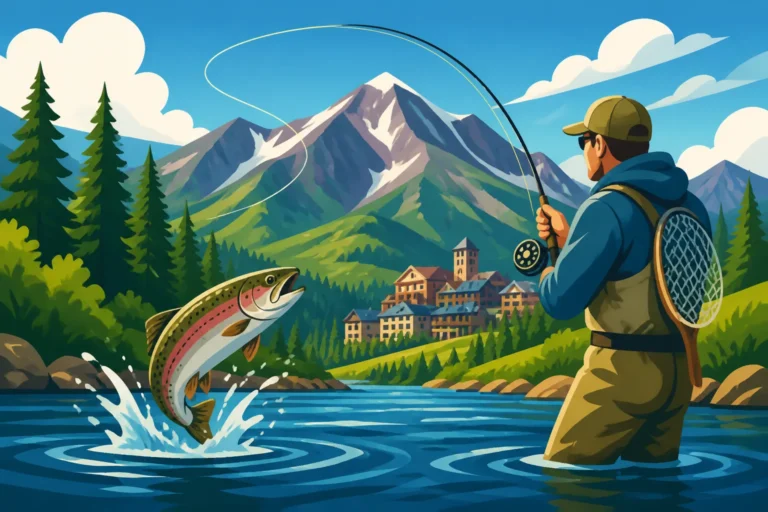
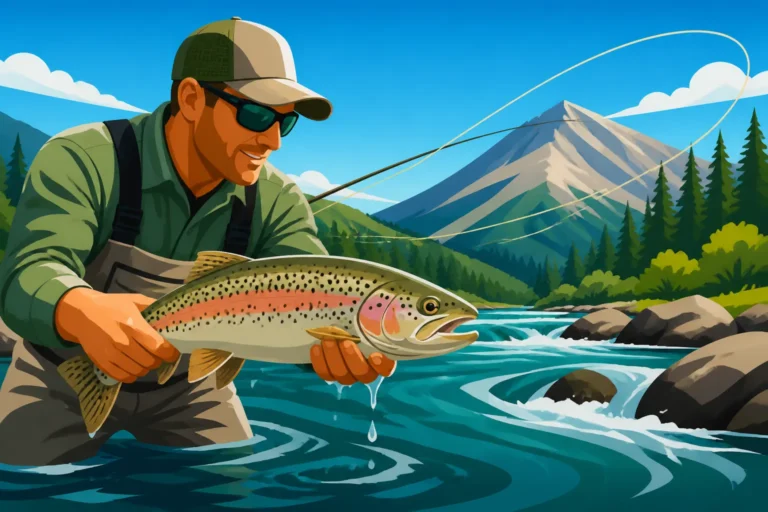
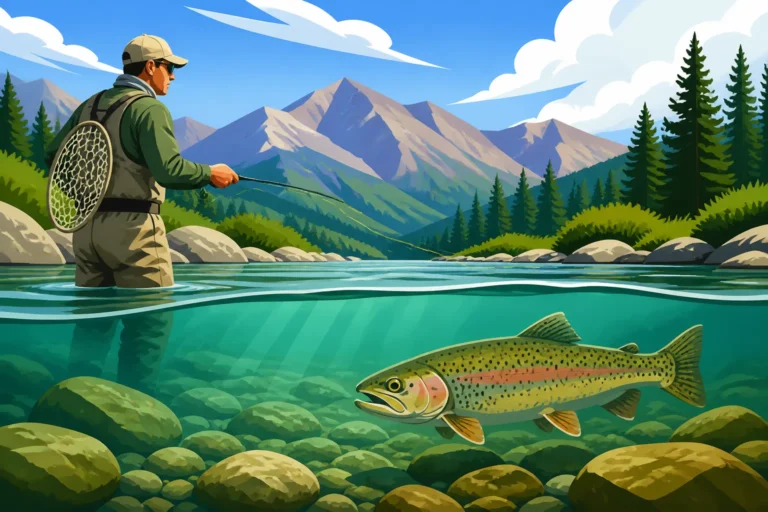
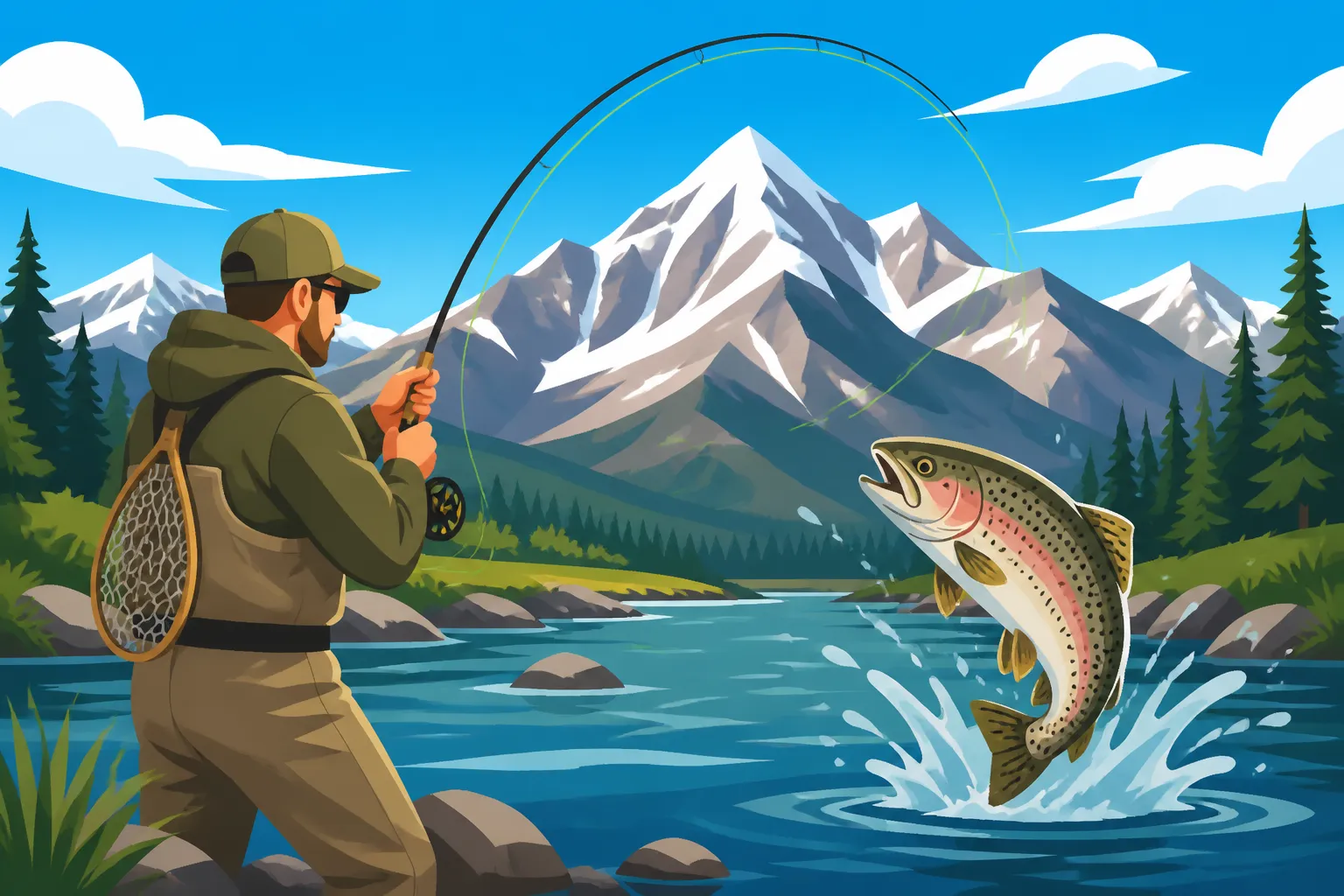
Walk-wade trips are incredibly popular in the RMNP area, particularly for fly anglers seeking the classic Rocky Mountain trout experience. These trips involve hiking to various stretches of rivers or streams and wading into the water to fish. This allows for an intimate connection with the environment and the fish, often accessing spots that boats simply can't reach. Many of these trips focus on the renowned trout streams that flow from or near the park, such as the Big Thompson River, the headwaters of the Colorado River, or various small creeks teeming with Brook Trout in Colorado's High Country and Colorado River Cutthroat Trout, Where to Find Them.
Guides on these trips will typically provide all the necessary fly fishing gear, including waders, boots, rods, reels, and a selection of appropriate flies tailored to the current conditions and hatches. You'll spend the day actively moving, fishing different runs, pools, and riffles. It's a fantastic option for those who enjoy hiking and want to immerse themselves in the pristine mountain scenery. Your guide will teach you how to safely navigate the currents and present your flies effectively, making it perfect for both beginners learning Euro Nymphing Basics for Colorado Rivers and experienced anglers looking for a local edge.
Lake and Reservoir Fishing with a Guide
While river fishing often gets the spotlight in Colorado, the lakes and reservoirs near Rocky Mountain National Park offer incredible opportunities for different species and fishing styles. Guided lake trips often take place on larger bodies of water like Grand Lake, Shadow Mountain Reservoir, Lake Granby, or sometimes even smaller, more secluded high-country lakes accessible by vehicle. These trips are often conducted from a boat, allowing access to deeper waters and larger fish.
On a guided lake trip, you might be targeting species like Lake Trout Fishing in Colorado, Kokanee Salmon Fishing in Colorado, or even some of the larger rainbow and brown trout that reside in these expansive waters. Guides will typically use specialized techniques like trolling with downriggers or jigging for deeper fish. They'll provide all the necessary gear, including rods, reels, lures, and often comfort items like snacks and drinks. These trips are ideal for families, groups, or those who prefer a less physically demanding day on the water, offering stunning views and the chance to land some impressive fish.
Specialized High-Country Lake Adventures
For the adventurous angler, some guides offer specialized trips to high-country alpine lakes. These are truly unique experiences that combine strenuous hiking with incredible fishing in breathtaking, often remote, locations. Think crystal-clear lakes nestled above treeline, surrounded by towering peaks, where the fish might be less pressured and more eager to bite. These trips are typically full-day or even multi-day excursions due to the significant effort required to reach these destinations.
These trips are perfect for anglers seeking solitude, pristine environments, and the chance to catch native Colorado's Native Cutthroat Trout Subspecies like the Colorado River Cutthroat or perhaps even the elusive Greenback Cutthroat Trout Recovery in Colorado. While the hike can be challenging, the rewards are immense. Guides on these trips are not only fishing experts but also experienced backcountry hikers, ensuring your safety and comfort in rugged terrain. They'll provide appropriate lightweight gear, teach you specific techniques for high-altitude fishing, and share insights into the delicate alpine ecosystems. If you're looking for an unforgettable wilderness fishing experience, these trips are well worth considering, though they do require a good level of physical fitness.
| Trip Type | Physical Demand | Target Species (Typical) | Common Locations (Near RMNP) | Best For |
|---|---|---|---|---|
| Walk-Wade (Rivers) | Moderate to High | Rainbow, Brown, Brook, Cutthroat Trout | Big Thompson, Colorado River Headwaters, Smaller Park Creeks | Fly fishers, active individuals, learning techniques |
| Lake/Reservoir (Boat) | Low to Moderate | Lake Trout, Kokanee Salmon, Rainbow Trout | Grand Lake, Shadow Mountain, Lake Granby, Dillon Reservoir | Families, groups, less physical exertion, trophy fish |
| High-Country Lakes | High | Native Cutthroat, Brook Trout | Remote alpine lakes within or bordering RMNP | Adventurous anglers, wilderness experience, solitude |
What to Expect and How to Prepare for Your Trip
Once you've decided on a guided trip, knowing what to expect and how to prepare can make all the difference. While guides handle much of the logistics, there are still a few things you, as the angler, need to consider to ensure a smooth and enjoyable experience.
Gear, Licenses, and Essentials Provided
Most reputable Colorado fishing guides or outfitters will provide the majority of the specialized fishing gear you'll need. This typically includes high-quality rods and reels, a selection of appropriate flies, lures, or bait, and sometimes even waders and boots for walk-wade trips. Some even offer complimentary snacks and drinks. However, it's always a good idea to confirm exactly what's included when you book. You'll likely want to bring your own personal items, such as sunglasses (polarized are a must!), sunscreen, a hat, and layers of clothing suitable for Colorado's quickly changing mountain weather. Expect bright sunshine, but be prepared for afternoon thunderstorms or cool temperatures, even in summer.
One crucial item you must provide is your Colorado Fishing License Guide for Residents and Nonresidents. Guides cannot provide this for you, and you'll need to have it in your possession while fishing. You might also need a Colorado's Habitat Stamp, Explained depending on your age and residency status. It's best to purchase your license online through the Colorado Parks and Wildlife (CPW) website or at a licensed vendor before your trip to avoid any last-minute stress. Remember, even if you’re fishing with a guide, you are still personally responsible for possessing a valid license.
Understanding Costs and Tipping Etiquette
The cost of a guided fishing trip can vary significantly based on the duration (half-day vs. full-day), the number of anglers, the type of trip (walk-wade vs. boat, standard vs. specialized high-country), and the specific outfitter. Generally, you can expect guided trips near RMNP to reflect competitive rates for the professional service, equipment, and expertise provided. When researching options, whether on an outfitter's website or through platforms like FishingBooker, you'll see a range of prices. It's important to clarify what exactly is included in the stated price—sometimes lunch, flies, or leader material might be extra.
Beyond the base cost, tipping your guide is customary and highly appreciated, much like tipping in the service industry. A good rule of thumb for tipping a Colorado fishing guide is often around 15-20% of the trip's total cost, assuming you had a good experience and the guide worked hard. If they went above and beyond, or if you landed the fish of a lifetime, you might consider tipping a bit more. Guides rely on these tips as a significant portion of their income, so factor this into your budget when planning your trip.
Booking Your Adventure
Booking your guided trip well in advance, especially during peak seasons like summer and fall, is highly recommended. Popular guides and outfitters fill up quickly. Many guides now offer online booking directly through their websites, or you can use aggregation platforms like FishingBooker to browse multiple guides in the Estes Park, Grand Lake, or Winter Park areas. These platforms often allow you to compare prices, read reviews, and see available dates all in one place.
When you book, make sure to communicate your expectations and experience level clearly. Are you hoping to catch a trophy fish, learn new techniques, or simply enjoy a relaxing day on the water? The more information you provide, the better your guide can tailor the trip to your preferences. Don't hesitate to ask questions about cancellation policies, what specific gear to bring, or any other concerns you might have. A reputable guide will be happy to answer all your questions, ensuring you feel prepared and excited for your outing.
Choosing the Right Guide or Outfitter
Selecting the right guide is paramount to having a successful and enjoyable fishing trip, especially in a popular and diverse area like the one surrounding Rocky Mountain National Park. You want someone whose personality, expertise, and approach align with your expectations for the day.
Questions to Ask Before You Book
Before you commit to a guide, taking the time to ask a few key questions can save you a lot of hassle and ensure a better experience. Don't be shy; a good guide will appreciate your thoroughness. Start by asking about their experience in the specific waters you're interested in – for example, if you want to fish the Big Thompson, ask about their local knowledge there. You'll also want to inquire about their typical guiding style: are they hands-on instructors, or do they prefer to let anglers figure things out?
Consider asking about their gear. Do they provide all necessary equipment, including waders and boots if it's a walk-wade trip? What kind of flies or lures do they typically use? It's also wise to clarify the guide's cancellation policy, especially given Colorado's unpredictable mountain weather; What Happens If Weather Cancels a Colorado Guided Trip is a vital question. Finally, don't forget to ask if they are licensed and insured, which is a sign of a professional operation. Websites, sometimes found through a search on FishingBooker, will often list their licensing information, but it's always good to confirm verbally.
Local Outfitters and Their Specialties
The Rocky Mountain National Park region is served by a number of excellent outfitters and independent guides, each with their own unique specialties. For example, outfitters based in Estes Park often focus on the rivers and streams flowing out of the eastern side of the park, like the Big Thompson River, or the smaller lakes within the national park boundaries (remembering RMNP itself has specific fishing regulations separate from general state park regulations). These guides might specialize in teaching beginner fly fishing or targeting brook trout in small, intimate creeks.
On the western side of the park, around Grand Lake and Granby, guides might focus more on larger lake fishing for Lake Trout in Colorado's Deep Reservoirs or Kokanee Salmon Spawning Runs in Colorado. These guides might operate charter boats and be experts in trolling or deep jigging techniques. For those interested in a more strenuous, backcountry experience, some outfitters will specialize in guided hikes to remote alpine lakes, perfect for chasing native cutthroats. Researching these local businesses and their unique offerings, possibly through online reviews or platforms like FishingBooker, can help you find the perfect fit for your angling adventure near Rocky Mountain National Park.
Disclaimer
This article is for general informational purposes only and does not constitute professional advice. Laws, prices and regulations vary by location and change over time. Consult a qualified professional for guidance on your specific situation.