What’s Included in a Colorado Guided Fly Fishing Trip
Planning a fly fishing trip in Colorado can feel a bit daunting, especially if you're considering a guided experience for the first time. You might be wondering what exactly you’re signing up for – is it just a guide showing you where to cast, or is it a fully equipped adventure? Many folks worry they’ll show up underprepared or that hidden costs will pop up. This guide is here to unravel what's typically included in a Colorado guided fly fishing trip, so you know exactly what to expect and can focus on the fishing, not the logistics.
The Essentials: What Your Guide Usually Provides
When you book a guided fly fishing trip in Colorado, you're investing in expertise, convenience, and often, access to some incredible water. The core of a guided trip is the guide themselves – their knowledge of the local rivers, the fish, and the ever-changing conditions. But beyond their invaluable insights, there's a good chunk of physical gear and logistical support that typically comes along with the package.
Expert Instruction and Local Knowledge
This is perhaps the most crucial "inclusion" that doesn't come in a box. Your guide is your personal professor of the river, a local weather prognosticator, and a fish psychologist all rolled into one. They know precisely where the fish are holding, what they're eating, and how to present your fly to get a bite.
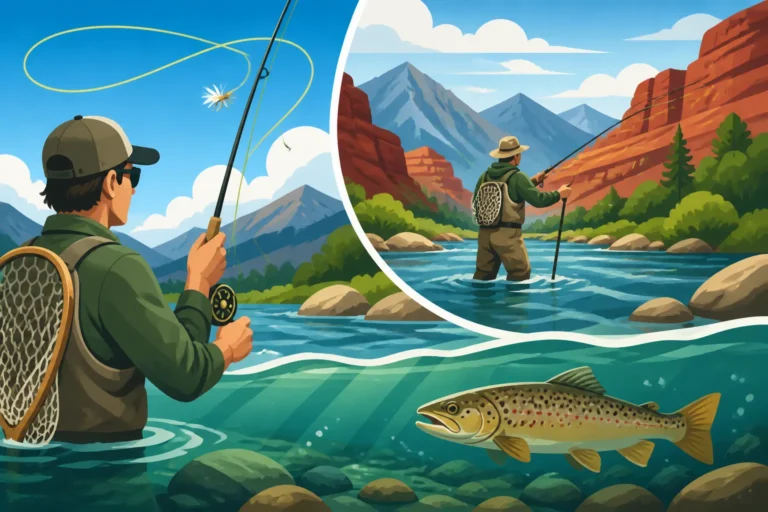
Think about it: Colorado's rivers and streams are incredibly diverse, from the wide-open flows of the Colorado River near Kremmling to the technical tailwaters of the Fryingpan River. A good guide spends hundreds of days a year on these waters. They'll teach you casting techniques, proper drift, and how to "read the water" – identifying those subtle currents and eddies where trout often hide. For beginners, this instruction is golden, turning frustration into success. For seasoned anglers, it means fine-tuning skills and learning new tricks specific to Colorado's unique fisheries. They're also an invaluable resource for understanding Colorado Fishing Regulations Every Angler Should Know which can often be complex and location-specific.
High-Quality Rods, Reels, and Terminal Tackle
One of the biggest advantages of a guided trip is not having to worry about your gear. Most Colorado fly fishing outfitters provide top-notch rods and reels, perfectly matched to the water you'll be fishing and the fish you'll be targeting. You won't have to haul your own across state lines or wonder if your 5-weight is appropriate for the big browns of the Arkansas River.
Furthermore, they supply all the flies, leaders, tippet, indicators, and split shot you'll need for the day. This is a huge cost saving right there, as a day's worth of flies on some of Colorado's Gold Medal Waters can add up quickly if you're buying them individually. They carry an arsenal of patterns, from tiny midges that mimic winter hatches to juicy streamers that tempt big predatory trout. Your guide will choose the right flies to Matching the Hatch on Colorado's Tailwaters based on current conditions, saving you the guesswork and money. All you need to do is show up ready to cast.
Transportation to and from the Water
Whether you're doing a walk-wade trip or a float trip, your guide typically handles all the transportation logistics. This can include picking you up from a pre-arranged meeting spot, driving you to the river access, and often providing shuttle services for float trips. Imagine yourself on a beautiful stretch of the Gunnison River, and your guide has already arranged for your vehicle to be at the takeout point miles downstream. It removes all the hassle of figuring out complex river access, parking, and shuttle logistics, which can be a real headache on popular stretches.
This is especially helpful for those visiting from out of state who might not be familiar with backcountry roads, national forest access points, or the best public easements. It truly allows you to immerse yourself in the fishing experience without worrying about getting lost or losing precious fishing time to logistical challenges.
Meals and Refreshments on Full-Day Trips
For full-day guided trips, many Colorado outfitters include a hearty lunch, snacks, and drinks. This usually involves a delicious deli-style spread, complete with sandwiches, chips, fruit, and plenty of water or other beverages. It's a fantastic perk that means you don't have to pack a cooler or worry about finding food mid-day, allowing you to maximize your time on the water.
Having a fresh, satisfying meal riverside is one of those little luxuries that make a guided trip feel truly special. It's a chance to relax, refuel, and swap stories with your guide before heading back to the action. If you have any dietary restrictions, it’s always a good idea to communicate those to your outfitter when booking your trip so they can make appropriate arrangements.
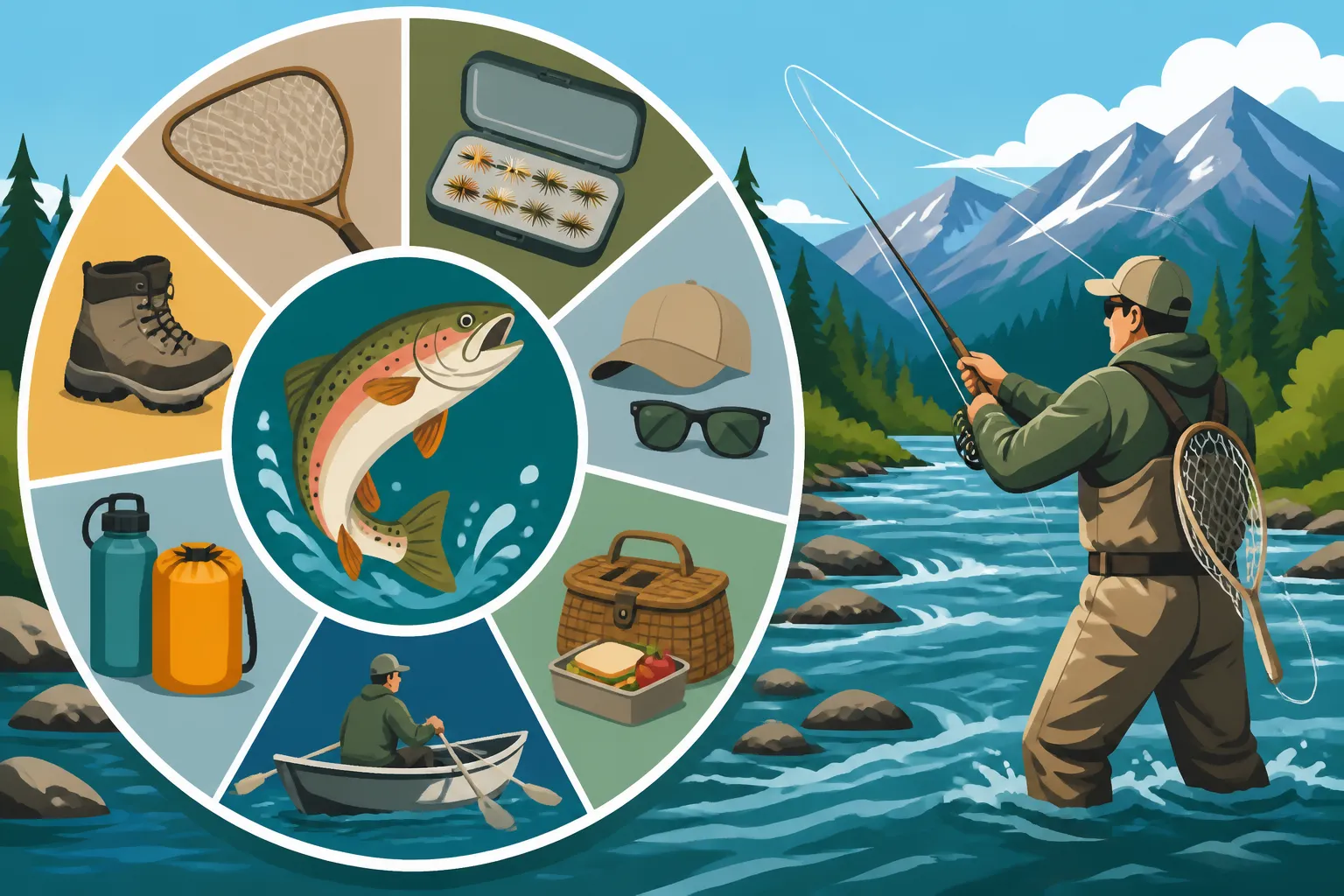
| Included in Most Guided Trips | Often an Extra or Responsibility |
|---|---|
| Guide's Expertise & Instruction | Colorado Fishing License (Mandatory) |
| Rods, Reels, & Terminal Tackle | Colorado Habitat Stamp (Mandatory for most) |
| Flies (Matched to Conditions) | Waders and Wading Boots (Sometimes Rental) |
| Transportation to/from River | Gratuity for Your Guide (Expected) |
| Lunch, Snacks, & Drinks (Full-Day) | Personal Items (Sunscreen, Hat, Sunglasses) |
| Safety Gear (First Aid, PFDs) | Foul Weather Gear (Rain Jacket, Warm Layers) |
What Might Be Extra or Your Responsibility
While guided trips are incredibly comprehensive, there are a few key things that are almost universally not included, or might be offered as an add-on. Being aware of these helps you budget accurately and arrive fully prepared.
Your Colorado Fishing License and Habitat Stamp
This is a big one, and it's absolutely crucial: your fishing license is never included in the price of a guided trip. Every angler aged 16 and older needs a valid Colorado fishing license to fish any public water, and usually private water as well, even if you're with a guide. You'll need to purchase this directly from Colorado Parks and Wildlife (CPW) before your trip. You can do this easily online, over the phone, or at various license agents across the state. How to Buy a Colorado Fishing License walks you through the process.
In addition to your license, most anglers aged 18 to 64 will also need to purchase a Colorado's Habitat Stamp, Explained. This stamp helps fund wildlife conservation efforts throughout the state, and it's a mandatory purchase alongside your fishing license for many. Don't forget this! Your guide will ask to see your license and stamp before you even get on the water, and fishing without them can result in hefty fines. It’s also important to know Who Needs Colorado's Habitat Stamp as there are some exemptions for seniors and youth.
Waders and Wading Boots
While guides provide the fishing tackle, the personal attire like waders and wading boots can sometimes be an extra. Many outfitters do offer wader rentals, which is fantastic if you're traveling light or don't own your own. However, some expect you to bring your own, especially on walk-wade trips where comfortable, well-fitting waders are key.
Always confirm with your outfitter whether waders and boots are provided, available for rent, or if you need to bring your own. If you're renting, confirm the cost and sizing beforehand. Good waders make a huge difference in comfort, especially when you're standing in cold Colorado rivers for hours. You'll also want to make sure you know What to Wear on a Colorado Guided Fishing Trip beyond just the waders.
Gratuities for Your Guide
Just like in other service industries, a tip for your guide is customary and very much appreciated. Guides work incredibly hard – not just on the water, but with the preparation, cleaning, and maintenance that goes into every trip. They're on their feet all day, battling the elements, untangling knots, and tirelessly trying to put you on fish.
Tipping is separate from the trip cost and is usually handled directly with your guide at the end of the day. While there's no strict rule, generally, 15-20% of the trip cost is considered standard for a job well done. If they went above and beyond, or if you had an exceptional day, feel free to show your appreciation. For more detailed insights, check out Tipping a Colorado Fishing Guide, What's Standard.
Beyond the Gear: The Intangibles of a Guided Trip
A guided trip is more than just a list of items; it’s an immersive experience designed to give you the best possible shot at a memorable day on the water. These "intangibles" are often what truly make a guided trip worthwhile.
Learning and Skill Development
For many, especially beginners, a guided trip is a crash course in fly fishing. You're not just fishing; you're actively learning. Guides are patient teachers, breaking down complex casting techniques, explaining entomology (what bugs the fish are eating), and demonstrating proper fish handling for safe release. This hands-on instruction in a real-world setting is invaluable and can fast-track your learning curve by years.
Even experienced anglers benefit immensely. A guide can help you refine your presentation, teach you new nymphing rigs for deep runs, or show you how to effectively cast a streamer for those trophy brown trout. They often reveal local secrets about particular hatches or techniques that you simply won't find in a book. This skill development is one of the main reasons many anglers feel that Is a Colorado Guided Trip Worth It for Beginners? is a resounding yes!
Safety and Peace of Mind
Navigating unfamiliar rivers, especially those with strong currents or tricky wading, can be hazardous. Your guide is a trained professional with extensive knowledge of river dynamics, potential hazards, and wilderness first aid. They know how to handle various situations, from changing weather to an unexpected slip in the river. This ensures your safety is paramount.
With a guide, you don't have to worry about reading maps, finding access points, or whether the water is safe to wade. You can simply relax and trust that you're in capable hands. This peace of mind allows you to fully enjoy the natural beauty of Colorado and the thrill of the catch without added stress. They'll also be aware of any specific regulations, like Colorado's 14-Inch Trout Length Rule or Barbless Hook Rules on Colorado Rivers, ensuring you stay compliant.
Access to Prime Water and Opportunities
Many guides have exclusive access to private water through leases or partnerships, offering you the chance to fish stretches of river that are otherwise off-limits to the public. This can mean less crowded waters, healthier fish populations, and a more serene experience. Even on public waters, a guide knows the best spots, often those that require a bit more effort to reach or are less obvious to the casual angler.
They also know the rhythm of the river, when certain hatches are happening, and which areas are fishing best on any given day. This foresight allows them to put you in the prime location at the prime time, significantly increasing your chances of success. When considering Hiring a Fishing Guide in Colorado, What to Expect, this access is a major selling point.
Planning Your Guided Colorado Fly Fishing Trip
Now that you know what's typically included (and what isn't!), here are a few more tips to ensure your guided trip is a smashing success.
What to Bring Beyond the Basics
While your guide provides much of the gear, there are still some essential personal items you should bring to ensure your comfort and safety on the water.
- Sun Protection: Colorado's sun is intense, even on cloudy days. Bring a wide-brimmed hat, sunglasses (polarized are best for spotting fish!), and plenty of sunscreen.
- Layers of Clothing: Mountain weather can change rapidly. Dress in layers, including moisture-wicking base layers, a fleece or insulated mid-layer, and a waterproof/windproof outer shell. Even in summer, early mornings can be chilly, and afternoon thunderstorms are common.
- Rain Gear: A good rain jacket and pants are non-negotiable. Don't let a sudden shower cut your fishing day short.
- Personal Snacks and Water: While full-day trips often include lunch, it's always smart to bring some extra snacks and plenty of water, especially if you have specific preferences or dietary needs.
- Camera: You'll want to capture those memories, especially if you land a trophy fish!
- Your License and Stamp: Again, don't forget these! Have them readily accessible.
Many outfitters will send you a detailed list of what to bring, and it's always best to follow their recommendations. You can find more comprehensive advice in What to Bring on a Half-Day Colorado Fishing Trip.
Booking Your Trip
Booking in advance, especially during peak season (late spring through early fall), is always a good idea. Popular guides and outfitters fill up quickly. Many people use online services like FishingBooker to find and book their guided trips, which can be a convenient way to compare options and read reviews. However, don't hesitate to call outfitters directly to discuss your goals and ask questions.
When you book, clarify any uncertainties. Ask about their cancellation policy, what happens in case of bad weather, and precisely what is included in the price. Being clear upfront ensures there are no surprises on the day of your trip. Consider how far in advance you need to book by reading How Far in Advance to Book a Colorado Fishing Guide.
Maximizing Your Experience
To get the most out of your guided trip, be open to your guide's advice and instructions. They are there to help you catch fish and learn. Don't be afraid to ask questions, no matter how basic they might seem. Be honest about your skill level so they can tailor the day to your needs. Most importantly, relax and enjoy the incredible beauty and fishing opportunities that Colorado has to offer. Whether you hook a massive brown trout or simply enjoy a day of solitude on a pristine river, a guided trip is an experience you won't soon forget.
Disclaimer
This article is for general informational purposes only and does not constitute professional advice. Laws, prices and regulations vary by location and change over time. Consult a qualified professional for guidance on your specific situation.