Guided Trips on the Roaring Fork Through Aspen
The Roaring Fork River, especially as it winds its way through the stunning mountain town of Aspen, presents a unique and incredibly rewarding challenge for anglers. While the beauty is undeniable, knowing where to go, what flies to use, and how to navigate the diverse stretches of water can feel overwhelming, turning a dream trip into a frustrating guessing game. This guide will help demystify guided fishing trips on the Roaring Fork through Aspen, so you can focus on the tug of a wild trout.
Why a Guided Trip on the Roaring Fork Through Aspen?
You might think, "I can just show up and fish, right?" And yes, technically, you can. But the Roaring Fork, particularly the sections in and around Aspen, isn't just any river. It's a highly regarded Gold Medal Water, meaning it sustains at least 60 pounds of trout per acre and at least twelve 14-inch or larger trout per acre. This designation attracts anglers from all over, and with that popularity comes complexities that a local guide can expertly navigate.
Navigating Public vs. Private Waters (and the City Stretch)
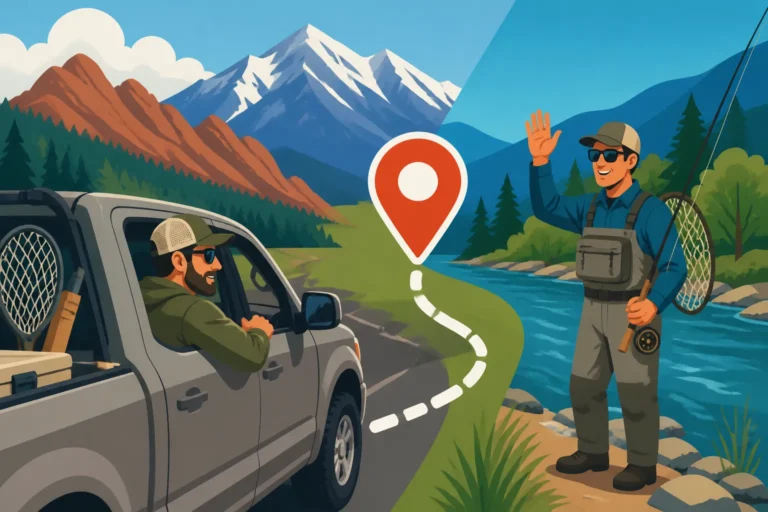
One of the biggest headaches for out-of-town anglers is figuring out where you can actually put your feet in the water or float a boat. The Roaring Fork, like many Colorado rivers, is a patchwork of public access points interspersed with private land. While the river itself is largely considered public access below the high water mark, getting to it can be tricky. Through Aspen itself, there are several public access points and parks that make for fantastic walk-wade opportunities, but knowing the nuances of specific stretches – where the fish hold, what the current regulations are, and where you're truly welcome – makes all the difference. A guide knows these lines intimately, preventing accidental trespassing and ensuring you're fishing the most productive water legally. They'll also understand the unique Colorado Gold Medal Water Regulations Explained that apply here.
Fishing the city stretch can also mean dealing with more people, paddleboarders, and general town activity. A seasoned guide can help you find quieter pockets, or, more importantly, teach you how to fish effectively despite the distractions, often by understanding the fish's behavior in these more urbanized environments. They might even suggest slightly less conventional approaches that yield surprising results.
Maximizing Your Time on a Renowned Gold Medal River
When you travel to a destination like Aspen, your fishing time is often limited and precious. You don't want to spend half your day driving around, trying to find parking, or casting into unproductive water. This is where a guide truly shines. They live and breathe this river. They know which hatches are coming off, what the water levels are doing, and where the biggest fish have been holding. This isn't just about catching fish; it's about making the most of every cast, every moment on the water.
Imagine showing up with a box full of flies, only to find the trout are keyed in on a specific midge pattern you don't have, or that the ideal nymph rig for that day's conditions is something you've never tried. A guide comes prepared with all the right gear, and more importantly, the knowledge to adapt on the fly. They turn potential frustration into consistent opportunity, allowing you to immerse yourself in the beauty of the surroundings rather than stressing over the technicalities. Plus, they can share insights into Reading Colorado's Fishing Regulations Brochure, which is essential for any angler.
Local Expertise for Challenging Conditions
Colorado rivers, especially in the mountains, are dynamic. Water levels can change with dam releases or afternoon thunderstorms, clarity can vary, and trout can become incredibly selective. Trying to figure this out on your own, especially if you're not accustomed to freestone river fishing, can be incredibly tough. A guide possesses that crucial, almost intuitive understanding of the river's moods.
They can teach you how to read the water, identify holding lies, and present your fly or lure effectively in tricky currents. Maybe it's knowing to fish the slow seams behind a boulder, or understanding that a subtle indicator twitch is the only sign of a take. These are skills learned over years of experience, and a guided trip is essentially a masterclass in local angling. From understanding how When Colorado's Spring Runoff Hits and How to Fish Around It impacts the river to knowing the subtle shifts in trout behavior between morning and afternoon, their expertise is invaluable.
What to Expect from a Roaring Fork Guided Trip
So, you've decided a guide is the way to go. What does a typical trip look like? While every outfitter has its own flavor, there are some common elements you can generally count on, especially when fishing a famed stretch like the Roaring Fork near Aspen.
Walk-Wade vs. Float Trips in the Aspen Area
The Roaring Fork River through Aspen and its surrounding areas offers opportunities for both walk-wade and float trips, though the type of float trip might be different than on larger, more remote rivers.
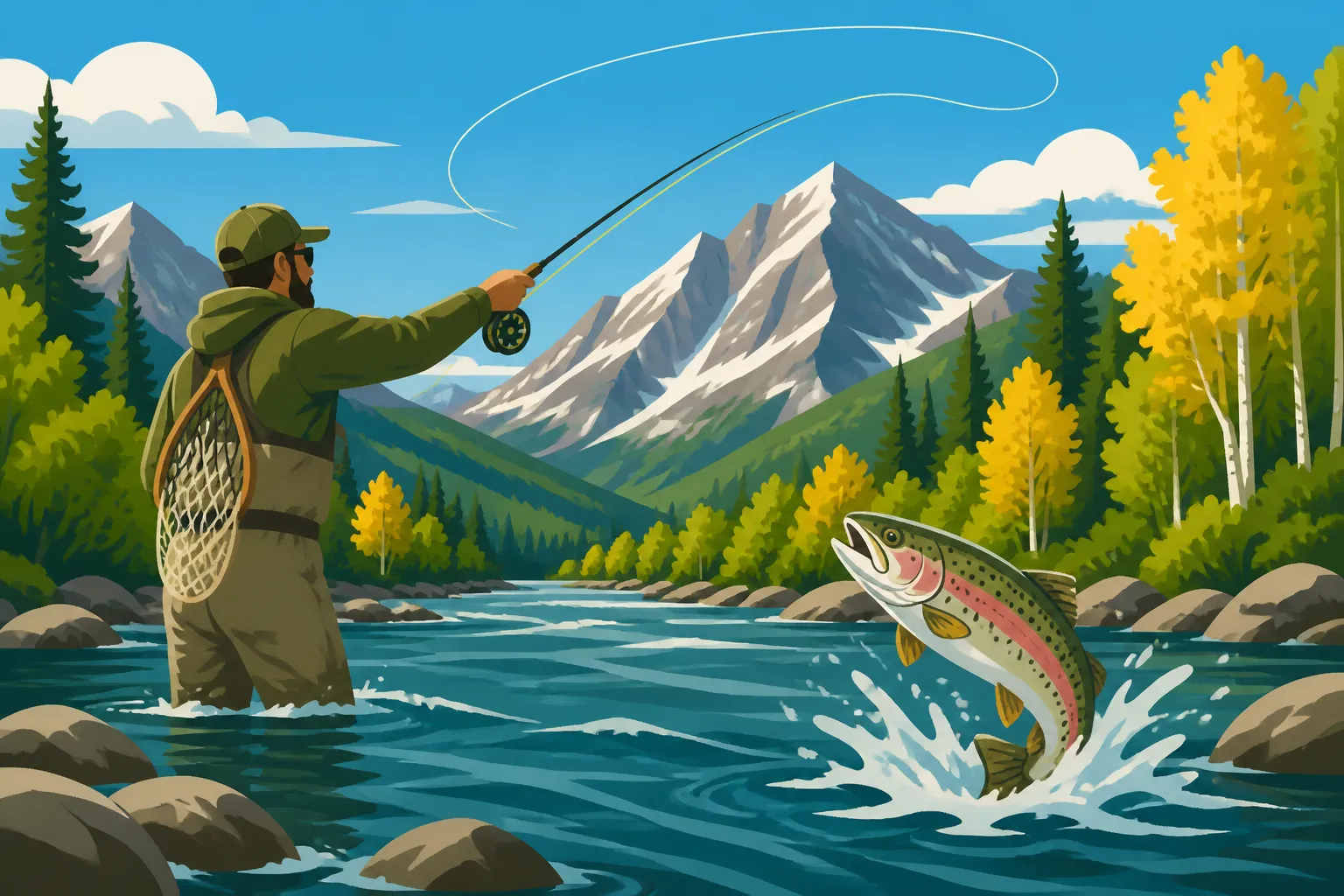
- Walk-Wade Trips: These are fantastic for getting intimate with a specific section of the river. Your guide will drive you to prime access points, and you'll spend your time wading in the river or fishing from the bank. This is often the best choice for beginners, as it allows for focused instruction on casting, presentation, and reading water without the added complexity of managing a boat. The sections within Aspen itself, like the various parks and public easements, are very popular for walk-wade trips. It’s a great way to experience the river's smaller pockets and riffles. Your guide will teach you the subtle art of Nymphing Techniques for Colorado Tailwaters or how to best Dry Fly Fishing Colorado's Freestone Rivers in specific sections.
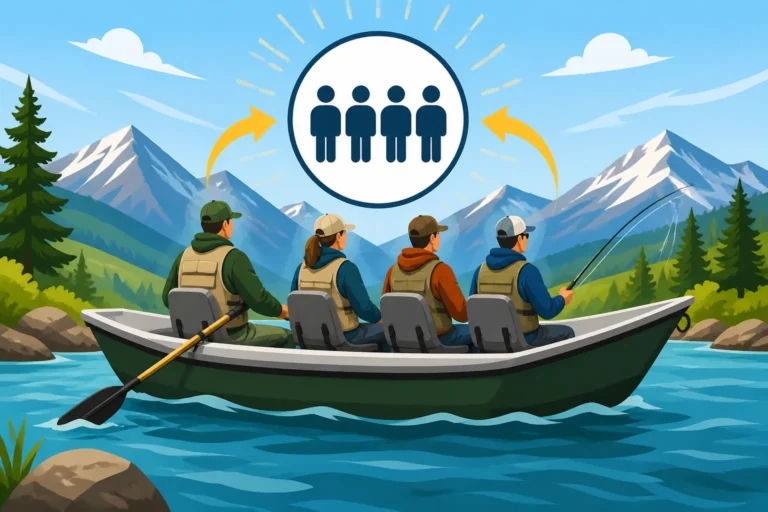
- Float Trips: While the Roaring Fork is floatable through many stretches, the "float" through Aspen proper might be more akin to a shorter drift with frequent stops to wade, or focusing on specific access points via drift boat or raft. Larger, longer float trips are more common on the lower sections of the Roaring Fork below Carbondale, where the river opens up more. However, some outfitters offer half-day floats that cover multiple productive areas while still providing the convenience of boat access to different stretches. These trips are excellent for covering more water and accessing spots that might be difficult to reach on foot. When considering a float, it's wise to discuss with your outfitter the exact section of river they plan to float and what kind of experience you're looking for. For a deeper dive into this, check out Float Trips vs Walk-Wade Trips With a Colorado Guide.
Gear, Flies, and Essential Prep for Your Day
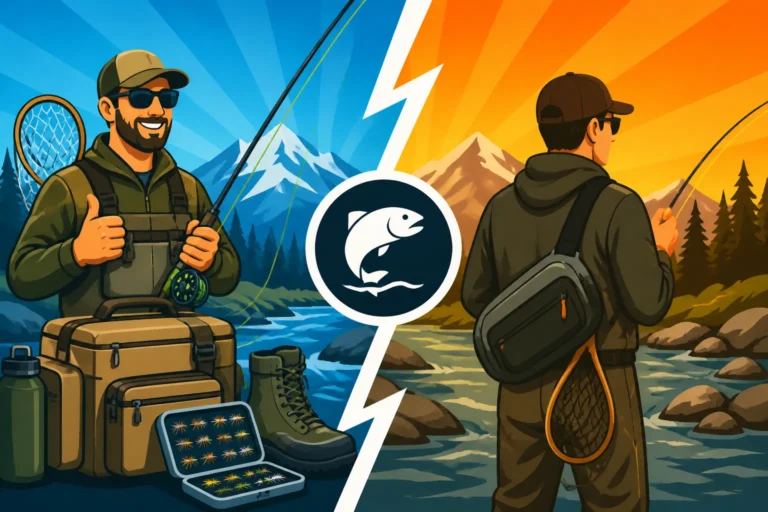
One of the biggest benefits of a guided trip is that the outfitter typically provides most, if not all, of the necessary gear. This usually includes:
- Rods and Reels: High-quality fly rods and reels, usually in the 4-6 weight range, appropriate for trout fishing.
- Waders and Boots: If you're doing a walk-wade trip, breathable waders and wading boots will be provided to keep you comfortable and dry. Make sure to tell your guide your shoe size beforehand!
- Flies and Leaders: Your guide will have a vast selection of flies, constantly updated to match the current hatches and conditions on the Roaring Fork. They'll also rig your rod with the correct leader and tippet for optimal presentation. No need to stress over what specific patterns to buy or tie, or what Fly Selection for Colorado's Caddis Hatch is currently best.
- Safety Gear: Life vests for float trips, first-aid kits, and communication devices are standard.
What you should bring:
- Colorado Fishing License: This is non-negotiable. You must have a valid Colorado Fishing License Guide for Residents and Nonresidents and Colorado's Habitat Stamp, Explained. Many outfitters can help you purchase one online before your trip, or direct you to a local shop. You won't be able to fish without it.
- Layered Clothing: Mountain weather is famously unpredictable. Even in summer, mornings can be chilly, and afternoons can bring sun or sudden showers. Dress in layers, avoiding cotton, which stays wet and cold.
- Sun Protection: Hat, sunglasses (polarized are a must for seeing fish and protecting your eyes), and sunscreen.
- Water and Snacks: While some full-day trips include lunch, always bring your own water bottle and some extra snacks.
- Rain Gear: A lightweight, packable rain jacket is always a good idea, just in case.
- Camera: To capture those beautiful Aspen views and your impressive catches!
Targeting the Roaring Fork's Wild Trout
The Roaring Fork River is renowned for its healthy populations of wild trout, primarily brown trout and rainbow trout. You might also encounter some cutthroat or even the occasional brook trout in smaller tributaries. Brown trout are particularly prevalent and often grow to impressive sizes, especially on the lower river.
Your guide will instruct you on the best techniques for the day, which can include:
- Nymphing: Often the most consistent method, especially on tailwaters and freestone rivers. This involves drifting weighted fly patterns (nymphs) along the river bottom, mimicking insect larvae.
- Dry Fly Fishing: The holy grail for many fly anglers. This is when trout are actively feeding on insects on the surface. When conditions are right, dry fly fishing on the Roaring Fork can be phenomenal, especially during the prolific green drake or caddis hatches.
- Streamer Fishing: Using larger, baitfish-imitating flies to target aggressive, larger trout, particularly brown trout. This can be a very active and exciting way to fish.
The Roaring Fork through Aspen is known for clear, cold water, which can make the trout a bit more wary. This is where a guide's expertise in stealth, presentation, and fly selection becomes crucial. They'll help you refine your cast and mend your line to ensure your fly drifts naturally, increasing your chances of success against these intelligent fish. Understanding more about Brown Trout in Colorado, Where They're Wild can give you a leg up, too.
Choosing and Booking Your Roaring Fork Guide
Booking a guided trip should be an exciting part of your adventure, not another source of stress. Knowing what to look for and how to approach the booking process will ensure a smooth experience.
Finding Reputable Outfitters and Guides
Aspen and the surrounding Roaring Fork Valley are home to several excellent fly shops and guiding services. When looking for an outfitter, consider:
- Reputation and Reviews: Look for outfitters with strong local reputations and positive reviews. Sites like FishingBooker can be a great starting point for finding reputable guides in the Aspen area, as they often have reviews from past clients.
- Guide Experience: Ask about the experience level of their guides, specifically on the Roaring Fork. Many guides have spent years, even decades, honing their craft on these waters.
- Specialties: Some guides specialize in certain techniques (e.g., dry fly, nymphing) or types of trips (e.g., beginner lessons, trophy hunting). Make sure their specialty aligns with your goals.
- Licensing and Insurance: Ensure the outfitter and guides are properly licensed and insured. This is crucial for your safety and peace of mind.
- Customer Service: Pay attention to how responsive and helpful they are during the booking process. This often indicates the level of service you'll receive on the water.
Local fly shops are also fantastic resources. They often employ guides directly or can recommend independent guides they trust. Don't hesitate to call a few different places, ask questions, and get a feel for their operations. Getting insights from Choosing a Colorado Fishing Guide, What to Look For will certainly help in your decision-making.
Understanding Costs and What's Included
The cost of a guided trip on the Roaring Fork can vary based on the duration (half-day vs. full-day), the number of anglers, and the outfitter. Generally, you can expect to pay a certain amount for a half-day trip and more for a full-day.
What's typically included:
- Guide Services: Of course, the expertise and instruction of your professional guide.
- Rods, Reels, Waders, Boots: As mentioned, most gear is provided.
- Flies, Leaders, Tippet: All the terminal tackle you'll need.
- Transportation: Many guides will meet you at a designated spot or pick you up locally, then transport you to and from the river.
- Drinks/Snacks: Often included on half-day trips.
- Lunch: Usually included on full-day trips.
What's typically not included:
- Colorado Fishing License & Habitat Stamp: You are responsible for purchasing these separately. Make sure to get them before your trip.
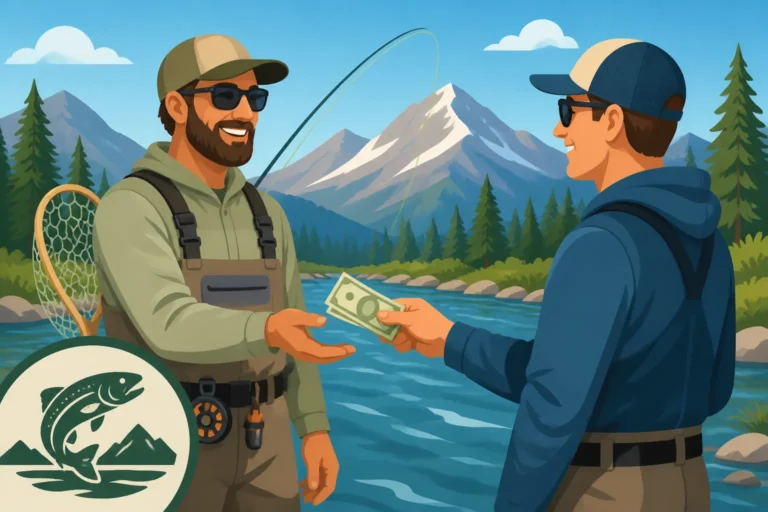
- Gratuity for Your Guide: Tipping is customary and greatly appreciated. The standard is usually a percentage of the trip cost. This can be discussed when you check out the full Colorado Fly Fishing Guide Costs Explained.
- Personal Items: Your hat, sunglasses, rain gear, camera, etc.
When booking through platforms like FishingBooker, the listings are usually very clear about what's included and what's not, allowing you to budget accordingly. It's always best to clarify any uncertainties directly with the outfitter before committing.
Making the Most of Your Guided Experience
A guided trip is an investment in your fishing experience, so make the most of it!
- Communicate Your Goals: Are you a complete beginner hoping to learn the basics? An experienced angler looking to conquer a specific technique or target trophy fish? Let your guide know. The more they understand your expectations, the better they can tailor the day for you.
- Listen and Ask Questions: Your guide is a walking encyclopedia of local knowledge. Pay attention to their instructions, and don't be shy about asking "why" or "how." This is your chance to learn. They can show you How to Read Colorado's Fishing Atlas in real-time on the water.
- Be Open to New Techniques: Even if you have a preferred way to fish, be willing to try different approaches. The guide knows what's working on that particular day.
- Respect the Environment: Follow your guide's lead on proper fish handling (especially catch-and-release practices on Gold Medal waters), leave no trace, and respect private property.
- Have Fun! Ultimately, a guided trip is about enjoying the natural beauty of Colorado and the thrill of fishing. Relax, soak it all in, and enjoy the adventure.
Booking a guided trip on the Roaring Fork through Aspen is an excellent way to unlock the full potential of this incredible river. With a local expert by your side, you'll gain invaluable knowledge, improve your skills, and create unforgettable fishing memories amidst one of Colorado's most stunning landscapes.
Disclaimer
This article is for general informational purposes only and does not constitute professional advice. Laws, prices and regulations vary by location and change over time. Consult a qualified professional for guidance on your specific situation.