Colorado Ice Fishing Rules
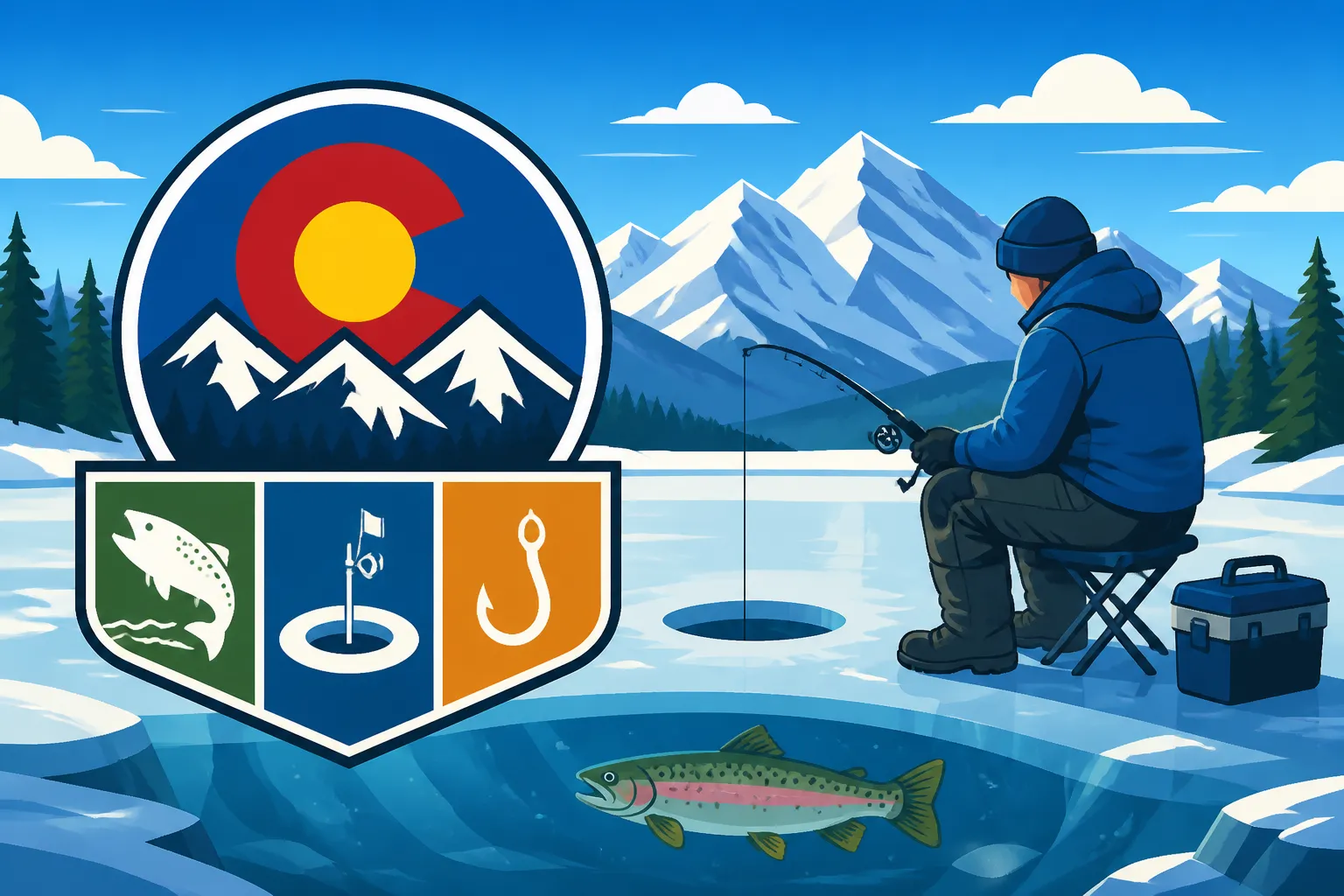
There’s something truly magical about ice fishing in Colorado. That crisp, silent morning, the steam rising from your coffee, and the quiet anticipation as you watch your line disappear into the frozen depths. But amidst that peaceful solitude, it’s easy to overlook the critical importance of understanding and following the rules. Fishing on hard water comes with its own unique set of regulations, and knowing them inside and out isn’t just about avoiding a hefty fine; it’s about safety for yourself and preserving Colorado’s incredible fisheries for everyone. This comprehensive guide will walk you through everything you need to know to enjoy a legal, safe, and successful ice fishing season.
Navigating the Essentials of Colorado Ice Fishing Regulations
Before you even think about drilling your first hole, you need to ensure you’re squared away with the fundamental requirements that apply to all fishing in Colorado, whether open water or ice. These rules are the bedrock of responsible angling and are enforced year-round, regardless of the season or the specific body of water.
Required Licenses and the Habitat Stamp
Just like any other type of fishing in Colorado, ice fishing requires a valid fishing license for anyone 16 years of age or older. This is non-negotiable. Whether you’re a long-time resident who’s been ice fishing for decades or a visitor from out of state looking to experience Colorado’s winter wonderland, that piece of paper (or digital proof on your phone!) is your golden ticket. The cost varies depending on your residency status – residents generally pay less than nonresidents – and you have options for annual licenses, five-day, or even one-day permits, perfect for a quick weekend trip. If you're a new angler or just need a refresher, our detailed guide on the Colorado Fishing License Guide for Residents and Nonresidents can walk you through all the specific options and costs.
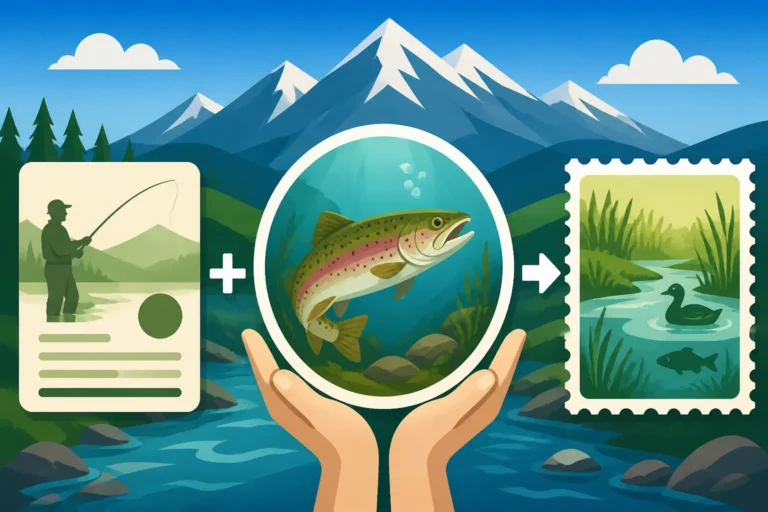
Beyond the fishing license itself, most anglers aged 18 to 64 are also required to purchase a Habitat Stamp. This isn't just an extra fee; it's a vital contribution to wildlife conservation across the state. The funds generated by the Habitat Stamp go directly towards protecting crucial wildlife habitats, improving public access, and ensuring that Colorado's natural resources, including its fish populations, remain healthy and vibrant for generations to come. Seniors, youth, and some other specific groups are often exempt from this requirement, but for the majority of adult anglers, it's a mandatory add-on. We dive deep into who needs this critical stamp and how the funds are used in our post about Colorado's Habitat Stamp, Explained. Always double-check your individual situation to ensure you’re compliant before heading out.
Ice Safety, Access, and General Conduct
While the licenses cover the "who," safety and access rules dictate the "how" and "where" of your ice fishing adventure. Colorado Parks and Wildlife (CPW) doesn’t just issue rules; they issue critical safety guidelines. The most fundamental rule of ice fishing is simple: no ice is 100% safe. Always exercise extreme caution and assume responsibility for your own safety. CPW generally recommends at least four inches of clear, solid ice for safe foot travel, five inches for snowmobiles or ATVs, and eight to twelve inches for cars or small trucks. These are guidelines, though, and conditions can vary wildly even across a single lake due to currents, springs, and fluctuating temperatures.
When it comes to accessing the ice, always be mindful of public and private land boundaries. Most popular ice fishing spots like Eleven Mile Reservoir, Blue Mesa Reservoir, or Chatfield Reservoir offer designated public access points, often through state parks or recreational areas. However, not all shorelines are public, and trespassing onto private property to access the ice is a quick way to find yourself in legal trouble and spoil a beautiful day. Always look for clear signage or consult a map to confirm public access. Once on the ice, remember you’re sharing the space with other anglers and sometimes even wildlife. Keep your noise levels respectful, avoid crowding other anglers, and always practice Leave No Trace principles. This means packing out everything you pack in – and then some. Fishing line, bait containers, and especially trash can pose serious threats to wildlife once the ice melts.
Understanding Local and Water-Specific Rules
Here’s where things can get a little tricky, but it’s absolutely essential to pay attention. Colorado's fishing regulations aren't a one-size-fits-all document. While general rules apply statewide, many specific bodies of water have their own unique regulations that supersede the general rules. These special regulations might involve different bag limits for certain species, length restrictions, bait prohibitions, or even specific gear requirements. For instance, some Gold Medal Waters might have stricter catch-and-release rules or require artificial lures only, even during the ice season.
The best way to stay informed is to consult the most current Colorado Fishing Regulations brochure. You can pick up a physical copy at most sporting goods stores or CPW offices, or easily download a digital version from the CPW website. This brochure is updated annually and is your authoritative source for all the specific rules for every major body of water in the state. Ignoring it isn't an excuse if a game warden checks your catch! A great resource to help you navigate this is our article on Reading Colorado's Fishing Regulations Brochure. Always check the specific section for the lake or reservoir you plan to fish, paying close attention to any "special regulations" listed. Conditions can also change rapidly; CPW often issues emergency regulations or closures, particularly for drought-affected rivers or certain lakes. Staying connected to CPW’s website or social media feeds can help you catch these last-minute updates before you hit the ice.
Permitted Gear and Techniques for Ice Fishing in Colorado
Ice fishing introduces some distinct gear and technique considerations, and Colorado has specific rules governing what you can and cannot use or do. Understanding these regulations ensures fair chase, safety, and the sustainability of fish populations.
Legal Baits, Lures, and Line Limits
When it comes to what you can use to entice those fish under the ice, Colorado’s regulations are pretty clear. In most general regulation waters, both artificial lures and natural baits are permitted. This means you can jig with small spoons, soft plastics, and tungsten jigs, or you can opt for live or dead bait like wax worms, mealworms, or PowerBait. However, there's a significant caveat regarding live fish bait: it is illegal to use live native fish species as bait, and generally, the use of live minnows is prohibited in most waters across Colorado, unless specifically authorized. Always check the regulations for the particular water you're fishing. The intent is to prevent the introduction of invasive species or diseases that could devastate local ecosystems. If allowed, live bait must be from a certified source and you can never transport live aquatic bait from one body of water to another.
For artificial lures, the rules are typically less restrictive. Most ice anglers rely on jigging spoons, small jigs tipped with bait or soft plastics, and even small ice flies. The number of hooks per line is also regulated. Generally, an artificial lure may have no more than three hooks, single or treble. If you're using bait, you’re usually limited to a single hook or a gang of hooks designed to be fished as one unit. The key is to avoid using excessive hooks that could foul-hook fish or lead to unnecessary injury. When selecting gear, check out online retailers like Amazon, which offers a wide selection of ice fishing tackle, from specialized jigs to ice fishing specific soft baits.
The Two-Rod Rule and Ice Hole Management
One of the most exciting aspects of ice fishing for many is the ability to fish with multiple lines, increasing your chances of a bite. In Colorado, the standard rule is that you can use up to two fishing rods at one time. This means you can have two lines actively fishing simultaneously, whether you’re jigging one and letting the other sit with bait, or running two different setups. This is a common allowance in many states, but it's important to know it's not a given everywhere.
If you want to fish with more than two rods, you'll need an additional stamp: the Colorado's Second-Rod Stamp and Who Needs One. This stamp permits you to use a third rod, bringing your total to three lines in the water at once. This can be particularly useful if you're targeting different depths or species, or simply want to cover more ground. Just like your fishing license, you need to possess this stamp if you choose to go beyond the standard two-rod limit. The rules around ice holes are also important. While there’s no specific regulation on the number of holes you can drill as long as they correspond to your legal number of lines, common sense and courtesy apply. Avoid drilling holes too close to other anglers unless invited, and ensure your holes aren't so large or numerous that they compromise the integrity of the ice for others. When you leave, ensure your holes are clearly marked or, if feasible, filled with snow for safety, especially on well-trafficked areas.
Rules for Shelters, Heaters, and Electronics
Ice fishing often involves spending extended periods in cold conditions, making shelters and heaters popular amenities. Colorado allows the use of portable ice fishing shelters, often called shanties or huts, on public waters. However, these shelters usually need to be clearly marked with the owner’s name and CPW customer identification number or driver's license number. This is crucial for identification in case a shelter is left behind or needs to be removed for safety reasons. Furthermore, there are often specific dates by which all ice shelters must be removed from the ice, typically as spring approaches and ice conditions become unstable. These dates are published in the regulations and failing to remove your shelter can result in fines and charges for removal.
Portable heaters are perfectly legal and highly recommended for staying warm and comfortable inside your shelter. Propane heaters are common, but always prioritize ventilation to prevent carbon monoxide buildup. Even a small vent opening can make a huge difference in safety. As for electronics, modern fish finders, sonar units, and flasher units (like those from popular brands) are entirely legal and widely used in Colorado ice fishing. These devices help anglers locate fish, identify structure, and even determine water depth and temperature, significantly enhancing the ice fishing experience. They give you a distinct advantage in understanding the underwater world without violating any regulations.
Species-Specific Bag and Possession Limits for Ice Anglers
Understanding general fishing rules is one thing, but knowing the specific limits for the fish you're targeting under the ice is absolutely critical. These rules are in place to manage fish populations and ensure healthy fisheries for the future. Ignoring them can lead to significant penalties.
Common Ice Fishing Targets and Their Limits
Colorado's frozen lakes and reservoirs offer a fantastic variety of fish for ice anglers. The most common targets are trout, including rainbow trout, brown trout, and cutthroat trout, but you'll also find species like kokanee salmon, walleye, perch, northern pike, and even lake trout in certain waters. For most trout species, the statewide daily bag limit is generally four fish. This means you can keep up to four trout of any species per day. However, this is a general rule, and there are many, many exceptions, especially on popular waters.
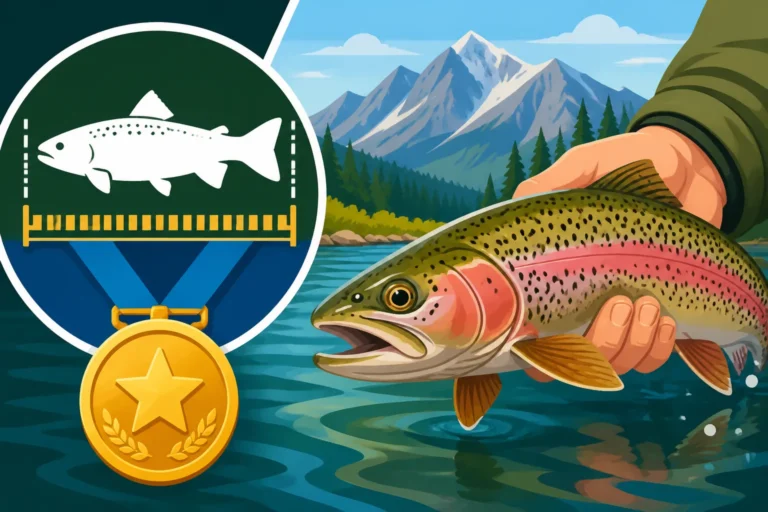
For instance, many Gold Medal Waters have stricter rules, often requiring catch-and-release only, or imposing specific length limits, such as Colorado's 14-Inch Trout Length Rule on some tailwaters to protect larger, spawning fish. Some lakes might have reduced bag limits for certain trout species or specific size windows where fish must be kept or released. It's imperative to consult the specific regulations for the body of water you intend to fish. A local bait shop near your ice fishing destination can also be an invaluable resource, often having the most up-to-date information on local nuances and recent changes.
Special Regulations for Game Fish (Pike, Walleye, Lake Trout)
Beyond trout, other popular game fish have their own distinct and often more complex regulations. Northern Pike, for example, are often considered an invasive species in many Colorado waters due to their predatory nature and impact on native or desirable trout and salmon populations. Because of this, many reservoirs have very liberal bag limits, sometimes even no limit on pike, and in some cases, you are required to keep all northern pike you catch. You can find out more about these specifics in our post on Colorado's Daily Northern Pike Limit. Blue Mesa Reservoir, for instance, has specific rules regarding pike to protect its valuable kokanee salmon fishery.
Walleye are another highly sought-after species, particularly in eastern Colorado reservoirs like Cherry Creek, Chatfield, and Pueblo. Walleye limits are often much lower than trout limits, typically ranging from one to five fish per day, depending on the specific water, and they frequently come with length restrictions. For a deeper dive into these specifics, check out our article on Colorado's Daily Walleye Limit. Lake Trout (Mackinaw), especially at Blue Mesa Reservoir, also have special regulations that differ from other trout species. Colorado's Kokanee Salmon Limit at Blue Mesa is another example, with unique rules governing the daily take of these silver bullets, especially during their spawning runs. These special regulations are designed to manage these valuable fisheries sustainably, allowing for recreational harvest while protecting populations.
Understanding Possession vs. Daily Limits
It’s crucial to distinguish between a daily bag limit and a possession limit. The daily bag limit refers to the number of fish you can legally harvest and keep in one day. The possession limit refers to the total number of fish you can have in your possession at any given time, regardless of how many days you've been fishing. In Colorado, the statewide possession limit is generally the same as the daily bag limit. So, if the daily limit for trout is four, your possession limit is also four. This means you can't go ice fishing for two days, keep four trout each day, and have eight trout in your cooler on the second day. Once you reach your daily bag limit, you must stop fishing for that species for the day.
This rule is especially important for multi-day ice fishing trips or if you’re traveling home with your catch. If you keep four trout on Monday, you cannot fish for trout again on Tuesday if you still have those four trout in your possession. You'd need to consume or process your catch to reduce your possession count before fishing again for that species. Properly cleaning and storing your catch also falls under these rules. Fish should ideally be kept whole or in identifiable fillets to allow game wardens to easily determine species and count, preventing confusion and potential violations. Transporting fish requires common sense and adherence to the limits.
| Fish Species (General) | Daily Bag Limit (Statewide) | Possession Limit (Statewide) | Common Ice Fishing Waters | Special Considerations |
|---|---|---|---|---|
| Rainbow/Brown Trout | 4 | 4 | Eleven Mile, Antero, Spinney, Blue Mesa, Grand Lake | Varies by water; length restrictions (e.g., 14-inch rule) or catch-and-release on Gold Medal Waters |
| Lake Trout (Mackinaw) | 4 (often with size restrictions) | 4 (often with size restrictions) | Blue Mesa, Granby, Taylor Reservoir | Specific length slots, check individual lake regulations carefully |
| Kokanee Salmon | 10 (often with specific seasons) | 10 (often with specific seasons) | Blue Mesa, Dillon, Granby, Williams Fork | Spawning runs often have specific rules, check Colorado's Kokanee Salmon Limit at Blue Mesa |
| Walleye | 5 (often with length restrictions) | 5 (often with length restrictions) | Chatfield, Cherry Creek, Pueblo, Boyd | Length limits are common; check Colorado's Daily Walleye Limit |
| Northern Pike | No Limit (in many waters) | No Limit (in many waters) | Blue Mesa, Williams Fork, Eleven Mile | Often encouraged to harvest all caught, check Colorado's Daily Northern Pike Limit |
| Perch / Crappie | 20 | 20 | Jumbo, Adobe Creek, Chatfield | Often found in shallower, warmer sections of reservoirs |
Note: This table provides general statewide limits for common species. Always consult the current Colorado Fishing Regulations brochure for specific waters, as local rules supersede general rules.
Essential Safety Practices and Legal Compliance on Frozen Waters
Ice fishing is incredibly rewarding, but it demands respect for the environment and strict adherence to safety. No fish is worth risking your life, and no shortcut is worth a fine or an accident.
Verifying Ice Conditions and Local Advisories
This cannot be overstated: always verify ice conditions before and during your trip. Relying on anecdotal reports from last week or last year is a recipe for disaster. Ice conditions can change dramatically overnight due to temperature fluctuations, snow cover (which insulates and can hide thin spots), and wind. CPW, local state parks, and bait shops are your best resources for up-to-date ice reports. Many popular reservoirs, such as Eleven Mile State Park and Spinney Mountain Reservoir, have rangers who regularly test ice thickness and post advisories.
Remember the general rule of thumb: How Thick Ice Needs to Be Before You Fish It in Colorado – at least 4 inches for foot travel, more for snowmobiles or vehicles. But these are minimums for clear, solid ice. Slushy ice, ice covered by heavy snow, or ice near inlets, outlets, or areas with currents can be significantly weaker. Always spud your way out or use an ice chisel to check thickness as you go. Look for clear, black ice, which is typically stronger than milky or cloudy ice. Avoid areas around docks, fallen trees, or pressure ridges, as these are often weak points. Early and late season ice is notoriously unpredictable and accounts for the majority of ice fishing accidents.
Mandatory and Recommended Safety Gear
Beyond your fishing tackle, certain safety gear is non-negotiable for ice fishing. At the very minimum, you should carry a set of ice picks or ice claws around your neck. If you fall through, these can be life-savers, giving you purchase to pull yourself back onto the ice. A length of rope (at least 50 feet) is also crucial, either for rescuing yourself or others. A whistle can help signal for help if you're in distress. And always, always tell someone where you're going and when you expect to return. This "float plan" is a simple but incredibly effective safety measure.
Beyond these basics, consider a personal flotation device (PFD) or a specialized ice fishing suit with built-in flotation. While not always comfortable for active jigging, they can be life-saving. A fully charged cell phone (in a waterproof bag!), a portable battery pack, and a first-aid kit are also essential. Dress in layers, wear insulated boots, and bring extra warm clothes. Hypothermia can set in quickly if you get wet or are exposed to the cold for too long. If you're looking to stock up on reliable safety gear, online retailers like Amazon offer a wide array of options, from robust ice picks to waterproof bags for your electronics.
Environmental Responsibility and Leave No Trace
Colorado’s natural beauty is a treasure, and it's our responsibility as anglers to protect it. Practicing Leave No Trace principles while ice fishing is critical. This means whatever you pack in, you pack out. This includes fishing line, bait containers, snack wrappers, and especially human waste if facilities aren’t available. Never leave trash on the ice; it will simply melt into the water and pollute the environment once spring arrives. This also goes for any unused bait – never dump live bait into a different body of water, as it can introduce invasive species or diseases.
Beyond trash, be mindful of your impact on the ice itself. While drilling holes is part of the activity, avoid creating unnecessary hazards. If you see a large, open hole, consider marking it with a branch or snow mound to prevent someone from accidentally stepping in. Respect wildlife; give animals a wide berth and never harass them. And finally, respect your fellow anglers. Keep noise to a minimum, don't encroach on someone else's fishing spot, and be polite. We’re all out there to enjoy the solitude and thrill of the catch, and a little courtesy goes a long way to ensure everyone has a positive experience.
Consequences of Not Following Colorado's Ice Fishing Regulations
It's tempting to think that a rule here or there won't matter, especially when you're out in the peaceful expanse of a frozen lake. But game wardens are dedicated to protecting Colorado's resources and ensuring public safety, and they regularly patrol ice fishing areas. Violating regulations can lead to significant penalties, from hefty fines to the loss of fishing privileges, and can even involve criminal charges.
Common Infractions and Legal Penalties
Fishing without a valid license or habitat stamp is one of the most common violations, and it's easily avoidable. If you're caught fishing without the proper documentation, you could face significant fines. Beyond monetary penalties, repeat offenses or serious violations can lead to suspension or revocation of your fishing privileges, not just in Colorado but potentially across state lines through interstate compacts. Our article What Happens If You Fish in Colorado Without a License details these consequences fully.
Exceeding bag or possession limits is another frequent infraction, particularly for highly sought-after species or on waters with special regulations. For instance, Colorado Penalties for Keeping Over-Limit Trout can be steep, often escalating with the number of fish over the limit. This isn't just about a "slap on the wrist"; it’s about illegally taking public resources that belong to all citizens. Other infractions include using illegal bait (like live minnows where prohibited), leaving unattended lines, fishing in closed waters, or failing to remove ice shanties by the deadline. Each of these carries its own specific penalties, and ignorance of the law is never an excuse. Always assume a game warden might be watching, even if you don't see them. They often observe from a distance or use unmarked vehicles.
The Role of Colorado Parks and Wildlife (CPW) in Enforcement
Colorado Parks and Wildlife officers, often referred to as game wardens, play a crucial dual role: they are educators and enforcers. Their primary mission is to protect Colorado's natural resources and ensure public safety while providing recreational opportunities. This means they are often the first point of contact for anglers seeking clarification on regulations, offering advice, or assisting in emergencies. However, they are also sworn peace officers, and they have the authority to enforce all Colorado fishing, hunting, and boating laws.
When a game warden approaches you, it’s usually to check your license, verify your catch, and ensure you're in compliance with current regulations. It's crucial to be polite, cooperative, and honest. Providing false information or resisting an officer can lead to additional, more serious charges. The regulations enforced by CPW are not arbitrary; they are based on scientific data, conservation needs, and public safety concerns. By adhering to these rules, you're not just avoiding a ticket; you're actively participating in the conservation efforts that make Colorado such an incredible place to fish. If you witness a violation, such as someone greatly exceeding bag limits or illegally polluting the water, you can report it to CPW's Operation Game Thief hotline. This anonymous reporting system helps wardens address serious violations and protect the resource.
Disclaimer
The information provided in this guide is for general informational purposes only and is not intended as legal advice. Colorado fishing regulations, especially those related to ice fishing, can change frequently. Always consult the official Colorado Parks and Wildlife (CPW) website and the most current Colorado Fishing Regulations brochure for the specific rules pertaining to the body of water you plan to fish before heading out. Failure to do so could result in fines or penalties. Always prioritize safety on the ice.