What Happens If You Fish in Colorado Without a Habitat Stamp
It’s a common scenario: you’ve got your gear packed, the perfect fishing spot scouted, and you’re ready to cast a line into one of Colorado’s pristine waters. But then, a thought niggles at the back of your mind – "Did I get that habitat stamp?" It's a small detail, often overlooked amidst the excitement of planning a fishing trip, but forgetting it can lead to more than just a minor inconvenience. This guide will walk you through exactly what the Colorado Habitat Stamp is, why it's so important, and the real-world consequences you could face if you're caught fishing without one, ensuring your next adventure is smooth sailing.
Understanding Colorado's Essential Habitat Stamp
Before we dive into what happens if you don't have one, let's truly understand what the Colorado Habitat Stamp is all about. It's more than just another sticker or fee; it's a vital component of Colorado's conservation efforts, playing a huge role in protecting the very landscapes and wildlife that make our fishing experiences so incredible. Many anglers, especially those new to the state or visiting, might confuse it with a standard fishing license or even a state park pass, but it's distinct and serves a very specific purpose.
Why the Habitat Stamp Matters to Colorado's Wildlife
At its core, the Colorado Habitat Stamp is a direct investment in the future of Colorado's natural resources. Every dollar generated from the sale of these stamps goes directly towards funding vital habitat conservation projects across the state. Think about it: the stunning rivers, tranquil lakes, and diverse ecosystems that support our fish populations don't maintain themselves. Colorado Parks and Wildlife (CPW) uses these funds for a myriad of projects, including acquiring and preserving critical wildlife habitats, enhancing existing public lands, restoring degraded ecosystems, and providing public access for outdoor recreation like fishing and hunting.
Without this dedicated funding, many of these crucial conservation initiatives would simply not be possible. It’s about ensuring that future generations can enjoy the same incredible fishing opportunities we do today, and that the fish, elk, deer, and countless other species have the healthy environments they need to thrive. So, while it might feel like an extra fee, it's actually a direct contribution to the health and vitality of Colorado's wild places.
Who Needs to Carry a Habitat Stamp and Who Is Exempt
The rules around the Habitat Stamp can sometimes feel a little murky, leading to genuine confusion for anglers. Generally, anyone aged 18 through 64 who purchases an annual Colorado hunting or fishing license is required to also purchase a Habitat Stamp. This applies to both residents and nonresidents. So, if you're an adult planning to fish for a full year in Colorado, that stamp is a must-have alongside your fishing license. It's not optional if you fall within that age bracket and choose an annual license. For a deeper dive into the basic requirements, you can check out our comprehensive guide, "Colorado Fishing License Guide for Residents and Nonresidents".
However, there are some important exemptions that are worth noting. For instance, individuals under 18 years of age or those 65 and older are typically exempt from the Habitat Stamp requirement. This is a thoughtful consideration that acknowledges different life stages and encourages participation from younger and older demographics. Additionally, if you purchase a one-day or five-day fishing license, the Habitat Stamp fee is generally incorporated into the price of that short-term license, meaning you don't need to buy it separately. This simplifies things for visitors or those planning a quick trip. Understanding Who Needs Colorado's Habitat Stamp and Who Is Exempt From Colorado's Habitat Stamp is crucial for compliance. It's always a good idea to double-check the latest regulations from Colorado Parks and Wildlife (CPW) before heading out, as rules can occasionally be updated.
Navigating the Legal Landscape Without a Habitat Stamp
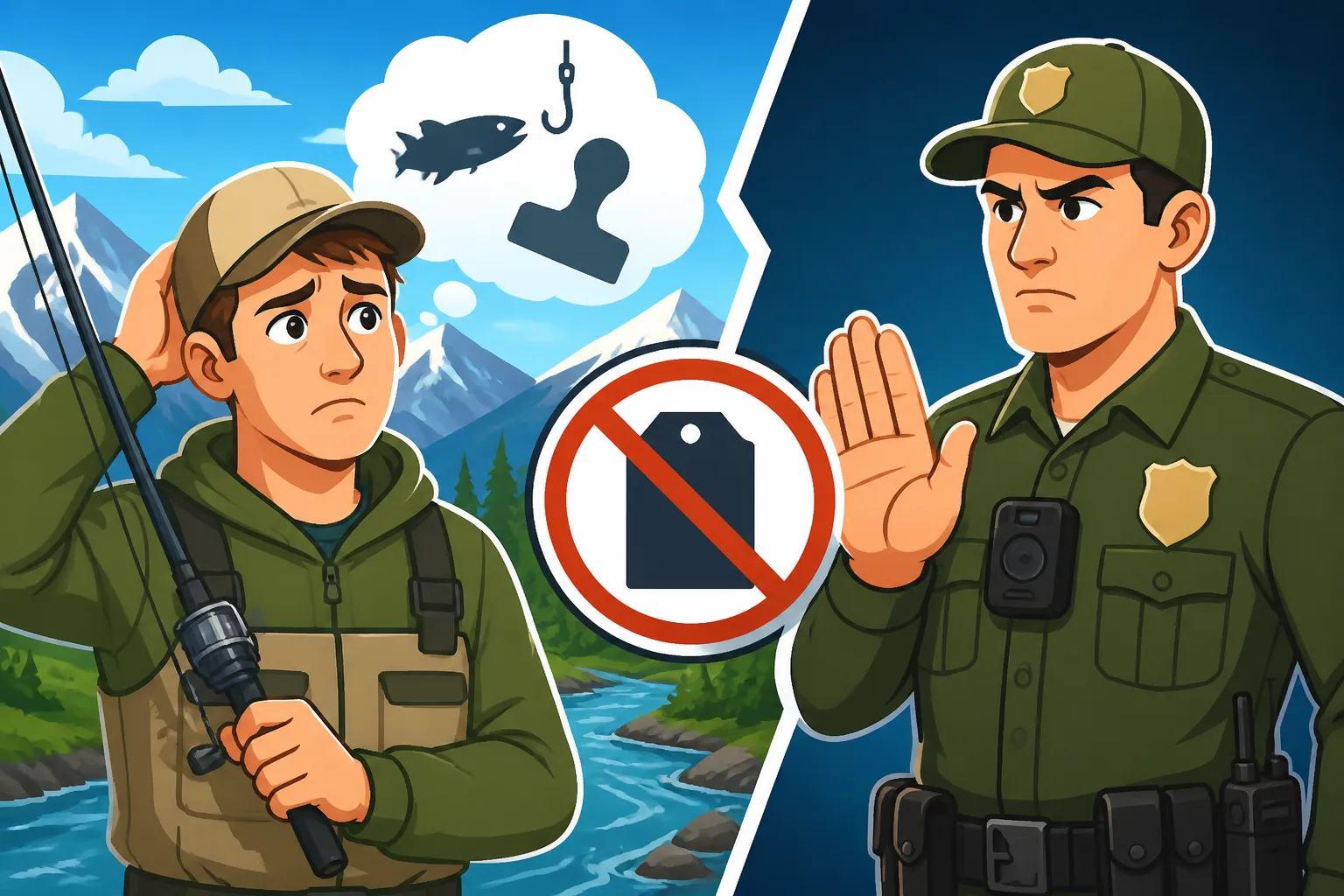
So, what actually happens if you're out on the water, enjoying a peaceful afternoon, and a Colorado Parks and Wildlife (CPW) game warden approaches for a routine check, only to find you're missing that all-important Habitat Stamp? It's not just a friendly reminder you'll receive; there are real legal consequences that can range from a minor inconvenience to a significant hit to your wallet, and potentially more. It’s definitely something you want to avoid.
Understanding Citations, Fines, and Points
The immediate outcome of being caught without a required Habitat Stamp is usually a citation. This is essentially a ticket, similar to a traffic ticket, that will require you to either pay a fine or appear in court. The fine for fishing without a Habitat Stamp can vary, but it's generally categorized as a petty offense. While precise figures can fluctuate with legislative changes, you can expect fines to be in the range of several dozens to a few hundred dollars. In addition to the monetary fine, you might also face surcharges and court costs, which can quickly add up and make that initially small fee seem much larger in retrospect.
Beyond the immediate financial penalty, some wildlife violations can also result in "points" against your hunting and fishing privileges. Accumulating too many points can lead to the suspension or revocation of your licenses, which would effectively bar you from fishing in Colorado for a period. While not having a Habitat Stamp might be a lower-tier offense compared to, say, poaching, it still contributes to your compliance record. The CPW takes these regulations seriously because they underpin the conservation efforts vital to the state's natural beauty. It's a stark reminder that even seemingly minor omissions can have tangible repercussions.
Potential Equipment Seizure and Future Privileges
While it's less common for a simple Habitat Stamp violation, severe or repeated offenses related to fishing regulations could potentially lead to the seizure of your fishing equipment. Imagine having your prized rod and reel confiscated simply because you forgot a $10 sticker. This is generally reserved for more egregious violations, but it's within the game warden's authority, especially if the violation is part of a pattern of non-compliance.
Furthermore, a violation on your record can absolutely impact your ability to secure future hunting and fishing licenses in Colorado, and potentially even in other states that share wildlife violation databases. When you apply for a license, previous violations are often reviewed. A history of non-compliance can lead to increased scrutiny, temporary denial of privileges, or even long-term restrictions. This is where the long-term impact of seemingly minor infractions can really hit home. It’s far more than just a one-time fine; it can affect your ability to enjoy the outdoors for years to come. It underscores the importance of not just having your license, but also understanding Colorado Fishing Regulations Every Angler Should Know to ensure full compliance. If you're wondering What Happens If You Fish in Colorado Without a License, the penalties are typically even more severe than just missing the Habitat Stamp.
Real-World Encounters with Colorado Game Wardens
Nobody wants to have their peaceful day on the water interrupted by a law enforcement interaction, but it's a reality for anglers in Colorado. Game wardens, or Wildlife Officers as they're officially known by Colorado Parks and Wildlife (CPW), are out there protecting the state's natural resources, and checking licenses and stamps is a routine part of their job. Understanding how these interactions typically unfold and what's expected of you can make a huge difference in how smoothly they go.
What to Expect During a Field Check
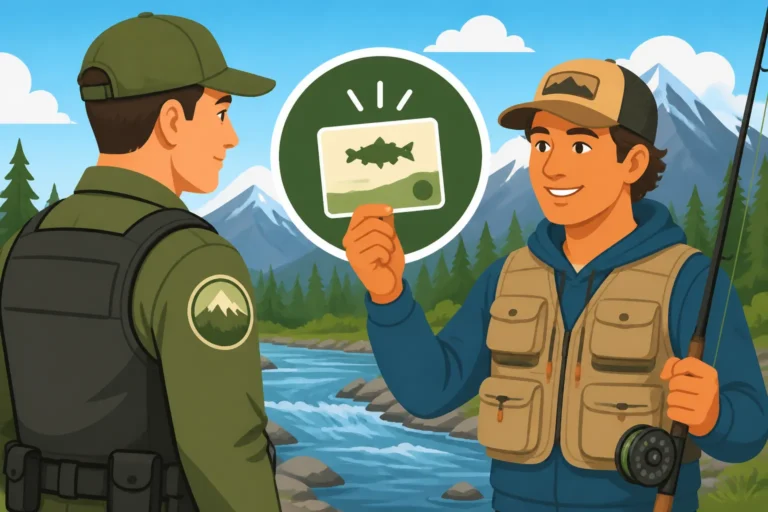
If a game warden approaches you while you're fishing, the best course of action is always to remain calm, respectful, and cooperative. They are performing their duties, ensuring that everyone is abiding by the rules designed to protect Colorado's wildlife and habitats. A typical field check involves the warden identifying themselves and then asking to see your fishing license, Habitat Stamp, and any other required documentation, such as a Colorado's Second-Rod Stamp and Who Needs One if you're using multiple lines. They might also ask to inspect your catch, your tackle, and your method of fishing to ensure compliance with bag limits, bait restrictions, and other regulations.
It’s important to have your documents readily accessible. Whether it's a physical copy of your license and stamp, or a digital version on your phone via the myColorado app, being able to quickly present them will make the process much faster. If you genuinely forgot your Habitat Stamp, be honest and upfront. Explain the situation clearly and politely. While honesty doesn't excuse the violation, a cooperative attitude is always better than being defensive or uncooperative, which can escalate the situation unnecessarily. Remember, these officers are usually passionate about conservation and are simply doing their job to uphold the law.
Avoiding Violations and Ensuring Compliance
The easiest way to avoid the headache and cost of a Habitat Stamp violation is simple: be prepared. Before every fishing trip, make it a habit to perform a quick mental checklist: license? Habitat Stamp? Valid dates? It sounds basic, but it's incredibly effective. Many anglers find it helpful to keep their fishing license and Habitat Stamp, along with their state park pass if they have one, in a dedicated wallet or pouch that always stays with their fishing gear. This way, you’re less likely to forget it.
One of the most convenient ways to purchase your Habitat Stamp and fishing license is online through CPWShop.com. This platform makes it incredibly easy to purchase and print your documents from home, or even save them digitally to your smartphone. You can also buy them in person at authorized sales agents, which include many sporting goods stores like Bass Pro Shops or even some Walmart locations across Colorado. Some folks even prefer to buy their Colorado Hunting and Fishing Combo License Cost to cover both activities.
Here's a quick comparison of essential Colorado fishing requirements:
| Requirement | Purpose | Typical Cost (Annual, Adult Resident) | Where to Purchase |
|---|---|---|---|
| Fishing License | Legal permission to fish | ~$30-40 | CPWShop.com, authorized vendors |
| Habitat Stamp | Funds wildlife habitat conservation | ~$10-12 | CPWShop.com, authorized vendors |
| Second-Rod Stamp | Allows use of a second fishing line | ~$5-7 | CPWShop.com, authorized vendors |
| State Park Pass | Vehicle entry to state parks (not for fishing) | ~$80 (annual) / ~$10 (daily) | CPWShop.com, park entrances |
Note: Costs are approximate and can change. Always check official CPW sources for current pricing.
Taking a moment to review the latest regulations, which can usually be found in the Colorado Fishing Regulations Brochure or on the CPW website, is also a smart move. Regulations can change from year to year, so what was valid last season might have subtle differences this season. Forgetting your Habitat Stamp is a common oversight, but it’s an easily preventable one that can save you time, money, and stress on your next fishing adventure. If you ever have questions or need clarification, don't hesitate to reach out to the Colorado Fishing License Customer Service Phone Number.
Getting Your Colorado Habitat Stamp (The Easy Way)
Knowing the importance of the Habitat Stamp and the potential penalties for not having it, the logical next step is to ensure you’re always properly covered. The good news is that Colorado Parks and Wildlife (CPW) has made the process of obtaining this essential stamp incredibly straightforward, offering multiple convenient avenues for purchase. There's really no good reason to be caught without one, especially with how simple they've made it.
Online, In-Person, and Phone Purchase Options
The most popular and arguably the easiest way to get your Colorado Habitat Stamp, along with your fishing license, is online. The official Colorado Parks and Wildlife website, specifically CPWShop.com, is designed for a seamless user experience. You can purchase your annual fishing license, Habitat Stamp, and even other permits like the Second-Rod Stamp all in one go. Once purchased, you'll receive a digital copy almost instantly, and you can either print it out to keep with you or save it directly to your smartphone. Many anglers opt to use the myColorado app, which serves as a secure digital wallet for official Colorado documents, including your fishing license and Habitat Stamp. This is a game-changer for convenience, ensuring you always have proof of compliance right in your pocket.
For those who prefer a more traditional approach or want to handle their purchase while picking up bait and tackle, numerous authorized sales agents are spread across the state. These typically include most sporting goods stores, larger retailers like Walmart, and many smaller convenience stores or gas stations in fishing communities. When buying in person, simply ask for the Colorado Habitat Stamp along with your fishing license. They'll process it for you on the spot, providing you with a physical copy. This is also a great option if you have specific questions about the purchase process or need to clarify any details. You can usually find a list of Where to Buy a Colorado Fishing License in Person on the CPW website.
Finally, while less common for purchasing the Habitat Stamp alone, you can also acquire your fishing license and associated stamps over the phone. CPW provides a customer service number where representatives can assist you with your purchase, taking your information and payment details to issue your license and stamp. This can be particularly useful if you have limited internet access or prefer to speak with a person directly about your options.
Displaying and Carrying Your Habitat Stamp
Once you've secured your Colorado Habitat Stamp, the final crucial step is to ensure you carry it with you whenever you're out fishing. It's not enough to simply have purchased it; you must be able to present proof of it to a game warden upon request.
If you printed your license and stamp at home, make sure they are on a durable paper, perhaps even laminated or placed in a protective sleeve, to prevent them from getting wet or damaged during your outing. A soggy, illegible license won't do you any favors during a compliance check. Many anglers keep their printed documents folded neatly in a specific pocket of their fishing vest or tackle box.
If you're using a digital copy on your smartphone, ensure your phone is charged! A dead battery means no proof of license, which puts you right back in the same predicament as if you hadn't bought one. It's also a good practice to have a screenshot of your digital license and stamp saved, just in case you lose cellular service in a remote area.
Regardless of how you choose to carry it, the key is accessibility and legibility. Game wardens need to be able to quickly verify your compliance. Taking these simple steps will save you from potential citations, fines, and the overall stress of a wildlife enforcement interaction, allowing you to focus on what truly matters: enjoying the incredible fishing Colorado has to offer. Remember that understanding Colorado Fishing License Costs Explained is part of being a responsible angler, and the Habitat Stamp is an integral part of that cost for most adults.
Disclaimer
The information provided in this guide is for general informational purposes only and is subject to change. While we strive to keep the content accurate and up-to-date, fishing regulations, fees, and penalties can be updated by Colorado Parks and Wildlife (CPW) at any time. It is always the angler's responsibility to consult the official Colorado Parks and Wildlife website or their most current printed regulations brochure before fishing to ensure full compliance. This guide does not constitute legal advice.