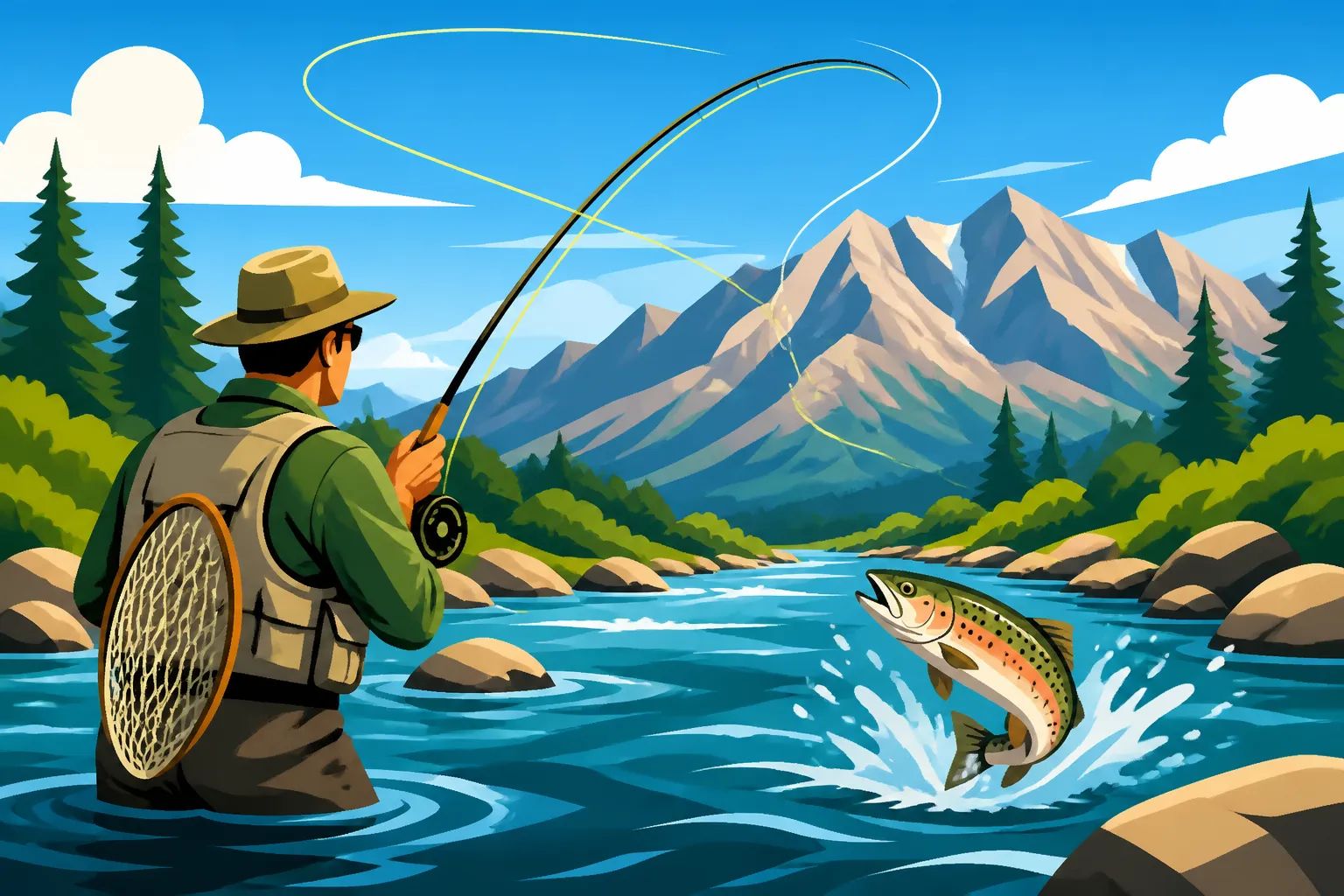
Fishing the Arkansas River Near Salida
Oh, the Arkansas River near Salida! If you've ever dreamt of casting a line into genuinely wild waters, surrounded by incredible scenery, but maybe felt a little intimidated by its reputation, you're not alone. This river can be a bit of a beast to figure out, with its powerful currents, diverse stretches, and the ever-changing conditions that Colorado fishing brings. But trust me, the reward for unlocking its secrets is immense. This guide is here to demystify fishing the Arkansas around Salida, helping you confidently navigate its challenges and discover its abundant trout.
Why the Arkansas River Near Salida is a Must-Fish Destination
When anglers talk about iconic Colorado rivers, the Arkansas inevitably comes up, and for good reason. The section near Salida is particularly celebrated, offering an unparalleled blend of natural beauty, challenging conditions, and a thriving trout population that makes every cast exciting. It's a place where you can truly connect with the rugged spirit of the Rocky Mountains while pursuing some of the finest wild trout fishing the state has to offer.
Gold Medal Quality and Beyond
The Arkansas River boasts extensive stretches of "Gold Medal Water," a prestigious designation by Colorado Parks and Wildlife (CPW) that signifies exceptional trout habitat capable of producing large, trophy-sized trout. This isn't just a fancy title; it means the river consistently supports at least 60 pounds of trout per acre, with at least a dozen of those fish being 14 inches or longer. Around Salida, this translates into incredible opportunities for anglers to tangle with significant fish. You'll find yourself fishing in a truly healthy ecosystem where the trout are strong, vibrant, and well-fed, offering a fight you won't soon forget. It’s not just about the numbers either; the sheer wildness of the fish in this section is a testament to the river's pristine condition and the efforts to preserve it. The Colorado Gold Medal Water Regulations Explained article goes into more detail about what this means for anglers.
Beyond the formal designation, the Arkansas River just feels like a Gold Medal fishery. The water clarity can be exceptional outside of runoff, revealing impressive structure and often allowing for sight fishing, which is a thrilling experience. The abundance of aquatic insects and forage provides a rich diet for the trout, contributing to their impressive size and vitality. You're not just catching fish; you're experiencing a wild trout stream operating at its peak, a rare gem in today's world. This quality makes it a destination for seasoned anglers and an incredible learning ground for those looking to elevate their skills.
Unique River Dynamics and Challenges
What truly sets the Arkansas River apart, especially in the Salida area, are its dynamic characteristics. This isn't a sleepy, meandering stream; it's a powerful, high-gradient freestone river, meaning its flow is largely dictated by snowmelt and rainfall. This constant motion creates an incredibly diverse aquatic environment, but also presents unique challenges. You'll encounter everything from fast, turbulent whitewater rapids (which kayakers and rafters adore) to deep, slow pools and intricate riffles. Each section demands a different approach, forcing anglers to adapt their techniques, leader setups, and fly choices on the fly.
The river's character means that successful fishing often involves a blend of intuition and knowledge. You need to read the water carefully, identifying subtle seams, eddies, and oxygenated pockets where trout will hold, even in the fastest currents. This isn't a place for complacent casting; it requires thoughtful presentation and precise execution. For instance, during the spring runoff, when the river swells and turns cloudy, understanding how to fish around those high flows is crucial, which is something we cover in When Colorado's Spring Runoff Hits and How to Fish Around It. But this challenge is precisely what makes the Arkansas so rewarding. Every fish earned feels like a victory, a testament to your ability to decipher the river's complex language.
Key Stretches and Access Points for the Arkansas River Near Salida
The Arkansas River as it flows through the Salida area is a mosaic of different personalities. From the calmer, more accessible sections to the wild, rugged canyon waters, understanding where to go and how to get there is half the battle. This region truly offers something for every angler, whether you prefer the solitude of a remote wade or the ease of a guided float trip.
Public Access Areas and Known Hotspots
One of the great things about the Arkansas River is the significant amount of public access, largely thanks to the Bureau of Land Management (BLM) and various state wildlife areas. Near Salida, you'll find numerous pull-offs and designated fishing access points that cater to both wade and bank anglers.
- Salida East Access: Just east of the town of Salida, this area offers relatively easy access to some prime water. You'll find a mix of riffles, runs, and some deeper pools. It's a popular spot, especially on weekends, but the river is big enough to spread out. This stretch is known for consistent nymphing opportunities, and dry flies can be effective during prolific hatches. Parking is usually ample, and it's a great starting point for those new to the area.
- Big Bend: Located a bit further downstream from Salida, Big Bend is another excellent choice. The river here takes a significant curve, creating some interesting current dynamics and deeper holding water along the bends. Access is straightforward, and you can explore a good length of river on foot. It's a favorite for many local anglers due to its reliable action and varied structure.
- Rincon: Upstream from Salida, Rincon offers a more canyon-like feel. The river here is narrower and faster in places, requiring careful wading. This area is known for its beautiful scenery and strong wild trout. It might be a bit more challenging for beginners, but the reward is often larger, harder-fighting fish. The currents are powerful, so a good wading staff is highly recommended here.
- Vallie Bridge: Below Salida and past the town of Coaldale, Vallie Bridge provides another fantastic access point. This stretch features excellent riffle-run-pool sequences, typical of a productive freestone river. It's a popular put-in for float trips, but plenty of wadeable water exists for those exploring on foot. This area is particularly productive during the summer months when aquatic insect activity is high.
- Hecla Junction: Located within the Browns Canyon National Monument, Hecla Junction is a well-known area both for fishing and whitewater rafting. While the focus is often on floats through Browns Canyon, the banks around Hecla Junction itself offer productive wading. You'll find strong currents and some deep pockets where large brown trout like to hold. Access is good, though it can be busy with rafters during peak season.
Always check the latest CPW regulations brochure or their online Colorado Fishing Atlas before heading out, as specific rules, such as special bag limits or bait restrictions, can vary by section. Understanding Colorado Fishing Regulations Every Angler Should Know will help ensure a smooth trip.
Float vs. Wade Sections: Choosing Your Adventure
The Arkansas River around Salida offers fantastic opportunities for both wade fishing and float fishing, and choosing between them often depends on your experience, goals, and the time of year. Each method provides a distinctly different experience and allows access to various parts of the river.
- Wade Fishing: For many, wade fishing is the purest form of trout fishing. It allows you to slow down, explore pockets of water meticulously, and feel intimately connected to the river. Many of the public access points mentioned above are ideal for wade fishing. The challenges include navigating strong currents, slick rocks, and sometimes limited access due to private land or impassable terrain. However, the reward is often a more personal experience, discovering hidden lies and feeling every tug directly through your rod. During lower flows, usually late summer through winter, wading becomes much more accessible and safer in many sections. It's also a more budget-friendly option if you have your own gear.
- Float Fishing: If you want to cover a lot of water, access hard-to-reach sections, or simply enjoy a more relaxed day on the water, float fishing from a drift boat or raft is an unbeatable experience on the Arkansas. Guided float trips are extremely popular, offering comfort, expert navigation, and access to pristine water that often sees less pressure. Companies like Dvorak Expeditions and River Runners frequently run float trips through the Browns Canyon or Bighorn Sheep Canyon sections, providing an immersive experience. While the guide handles the oars, you can focus entirely on fishing, drifting through prime runs and presenting your flies with precision. The larger, more powerful nature of the Arkansas makes it particularly well-suited for floating, especially during higher flows when wading is difficult or dangerous. Booking a trip through a platform like FishingBooker can connect you with experienced local guides who know these waters inside and out, ensuring a productive and safe day. Whether you're a seasoned pro or a novice, a guided float trip can be an incredible way to experience the river's bounty.
Prime Fishing Seasons and Techniques for Salida's Arkansas River
The Arkansas River near Salida is a year-round fishery, but its personality shifts dramatically with the seasons. Understanding these changes and adapting your techniques accordingly is key to consistent success. Each season presents its own unique challenges and rewarding opportunities, from the powerful push of spring runoff to the quiet serenity of winter nymphing.
Spring and Early Summer Tactics
Spring on the Arkansas River can be a tale of two very different rivers. Early spring, usually March and April, often sees stable flows and good fishing. The water temperatures begin to rise, awakening insects and stirring the trout from their winter lethargy. During this time, nymphing can be incredibly productive, with patterns like Blue-Winged Olives (BWOs), caddis larvae, and various stonefly nymphs being go-to choices. Streamers can also entice larger, hungry brown trout looking for a substantial meal after the cold months.
Then comes runoff. Typically peaking from late May through early July, snowmelt from the high country turns the river into a powerful, high, and often turbid torrent. This period can be frustrating for anglers, as many stretches become unfishable or unsafe to wade. However, savvy anglers know that runoff isn't a complete shutdown. Trout will move to slower, more accessible water along the banks, in eddies, and behind large structure to escape the main current. Focusing on these soft pockets with heavy nymph rigs (using larger, more visible flies like San Juan Worms, large stoneflies, or worm patterns) or aggressive streamer presentations can yield surprising results. The key is to get your flies down quickly and effectively in the often-turbid water. Once runoff begins to recede in late June or early July, the river clears and drops, ushering in some of the most phenomenal fishing of the year. This is when the famous Caddis hatch explodes, creating incredible dry fly opportunities, especially in the evenings.
Fall and Winter Strategies
As summer fades and autumn colors blaze across the landscape, the Arkansas River enters another prime fishing season, particularly for those targeting trophy brown trout. Fall brings cooler water temperatures, which invigorates the trout and signals the onset of the brown trout spawn. During this time, male brown trout develop aggressive behaviors and vibrant colors, becoming territorial and eager to strike streamers or egg patterns. Streamer fishing can be exceptionally good, with patterns imitating baitfish or crawfish producing violent strikes. Nymphing with egg patterns, caddis, or stonefly nymphs remains effective as trout feed heavily to prepare for winter. The crisp air and fewer crowds make fall a truly magical time to be on the Arkansas. It's often considered one of the Fall Fishing in Colorado, What Changes periods where tactics need to adapt for maximum success.
Winter transforms the Arkansas into a tranquil, often uncrowded fishery. While the action might slow down, dedicated anglers can still find excellent fishing, especially on warmer, sunny days. The primary technique in winter is nymphing, often with smaller, more imitative patterns like midges, tiny BWOs, and various attractor nymphs. Trout tend to hold in deeper, slower pools and runs, conserving energy in the cold water. Precision and patience are key. Look for areas with slower current and consistent depth, as trout won't expend much energy chasing flies. While dry fly opportunities are rare, consistent midge hatches can occur on calm, mild days, offering a delicate but rewarding challenge. This slower pace allows you to appreciate the serene beauty of the snow-dusted canyon lands and the focused pursuit of winter trout.
Here's a quick look at how the seasons can impact your fishing experience:
| Season | Typical Flow Conditions | Primary Techniques | Key Hatches/Focus | Access & Crowds |
|---|---|---|---|---|
| Early Spring | Stable, rising temps | Nymphing, Streamers | BWOs, Caddis Larvae | Good, moderate |
| Runoff (Late Spring/Early Summer) | High, turbulent, muddy | Heavy Nymphing, Streamers (near banks) | Stoneflies, Worms | Challenging, few |
| Late Summer/Early Fall | Moderate to low, clear | Dry Fly, Nymphing, Streamers | Caddis, PMDs, Stoneflies, Terrestrials | Excellent, busy |
| Late Fall (Spawn) | Stable, cooling | Streamers, Nymphing (Egg Patterns) | Brown Trout Spawn, BWOs | Excellent, moderate |
| Winter | Low, clear, cold | Nymphing (Small Flies) | Midges, small BWOs | Good, minimal |
Species You'll Encounter in the Arkansas River Around Salida
The Arkansas River is a vibrant ecosystem supporting a diverse population of fish, but it's most famous for its robust trout fisheries. Understanding the species you're likely to encounter can help you tailor your tactics and appreciate the unique characteristics of each fish.
Wild Brown Trout
Ah, the wild brown trout. These elusive and beautiful fish are the undisputed kings of the Arkansas River, especially in the Gold Medal sections around Salida. Unlike stocked fish, these browns are born and raised in the river, making them incredibly hardy, intelligent, and strong fighters. Their coloration can vary wildly, from olive-brown backs with crimson spots to golden flanks, often camouflaged perfectly with the river bottom. Many anglers specifically target these browns, knowing that landing a truly wild, large Arkansas brown is a significant accomplishment. We delve deeper into Brown Trout in Colorado, Where They're Wild in another article.
Brown trout in the Arkansas can grow to impressive sizes, with fish over 20 inches being caught regularly, and true monsters exceeding 25 inches lurking in the deeper pools and undercut banks. They are opportunistic feeders, consuming a wide range of aquatic insects, baitfish, and even small rodents or reptiles that fall into the river. This makes them responsive to various techniques, from small nymphs and dry flies during hatches to large, aggressive streamers that mimic their preferred prey. During their fall spawn, they become particularly aggressive and can offer some of the most thrilling fishing opportunities of the year. Finding their preferred holding lies – often deep structure, current seams, or areas with overhead cover – is key to success.
Rainbow and Cutthroat Trout
While brown trout might dominate the "wild" reputation, rainbow trout are also a significant component of the Arkansas River fishery. Many of the rainbows you'll encounter are hatchery-raised fish, stocked by CPW to supplement the population and provide diverse angling opportunities. These stocked rainbows tend to be a bit less wary initially and can be an excellent target for newer anglers or those looking for consistent action. They are typically eager to take a well-presented nymph, dry fly, or even a spinner. Over time, some of these stocked rainbows acclimate to the wild environment, becoming more elusive and powerful, offering a challenge akin to their wild brethren. You can learn more about where these fish are typically stocked in Rainbow Trout in Colorado, Where They're Stocked.
Beyond the rainbows, the Arkansas River system also holds populations of native cutthroat trout. While not as prevalent in the main stem of the Arkansas around Salida, these beautiful fish can be found in some of the smaller tributaries and higher elevation lakes within the basin. Identifying a true native cutthroat (often a Colorado River Cutthroat or sometimes a Greenback Cutthroat in protected areas) can be a special experience, marked by the distinctive red or orange slash marks under their jaw. It's crucial to handle these sensitive native fish with extreme care, practicing catch-and-release to help preserve their populations. If you're fortunate enough to encounter one, take a moment to appreciate its rarity and beauty before a swift, gentle release.
Planning Your Fishing Trip to Salida, Colorado
A successful fishing trip to the Arkansas River near Salida requires a bit of planning, both in terms of gear and knowing when to tap into local expertise. The river's dynamic nature means that being prepared and flexible will significantly enhance your experience.
Essential Gear Recommendations
Given the varied conditions and techniques required on the Arkansas, a thoughtful approach to your gear can make all the difference.
- Rods and Reels: For fly fishing, a 9-foot, 5-weight rod is a versatile choice for most situations on the Arkansas. It handles nymphs, dry flies, and smaller streamers effectively. If you plan to exclusively throw larger streamers or target bigger fish in heavier currents, a 6-weight rod might be advantageous. A reliable reel with a smooth drag is essential, as these wild trout fight hard. For spin anglers, a 6.5 to 7-foot medium-light to medium action rod paired with a spinning reel spooled with 6-8 pound test monofilament or fluorocarbon will be suitable.
- Waders and Boots: Given the cold mountain water, good quality breathable waders are a must, along with sturdy wading boots. Felt soles or rubber soles with studs are highly recommended for traction on the slick, rocky bottom. Don't forget a wading belt for safety – it can prevent your waders from filling with water if you take an unexpected dip. A wading staff is also a lifesaver, providing crucial stability in strong currents.
- Fly Selection: Your fly box should be well-stocked to match the river's diverse insect life and conditions.
- Nymphs: During runoff, large stoneflies (Pat's Rubber Legs, 20 Inchers), San Juan Worms, and egg patterns are critical. During clearer flows, smaller midges (Zebra Midge, Top Secret Midge), Blue-Winged Olives (Pheasant Tail, Barr's Emerger), Caddis Larvae (LaFontaine's Caddis, Green Rock Worm), and Mayfly nymphs (Hare's Ear, Prince Nymph) are reliable. Learn more about Nymphing Techniques for Colorado Tailwaters to adapt them for the Arkansas.
- Dry Flies: Caddis patterns (Elk Hair Caddis, X-Caddis), Parachute Adams, PMDs, and various attractor patterns are essential for the summer and fall. Don't forget terrestrial patterns like hoppers and ants during late summer. If you're lucky enough to hit a strong hatch, Dry Fly Fishing Colorado's Freestone Rivers will be incredibly rewarding.
- Streamers: Woolly Buggers (black, olive, brown), Sculpzillas, and various articulated streamers are excellent for targeting aggressive brown trout, especially during fall and in off-color water.
- Terminal Tackle: Carry a variety of fluorocarbon tippet in sizes 3x to 6x, strike indicators, split shot, and extra leaders. A net with a rubber bag is important for safe catch-and-release. Pliers or hemostats for hook removal, nippers, and polarized sunglasses are also indispensable.
- Safety and Comfort: Always carry water, snacks, sunscreen, and layers of clothing. Colorado weather can change quickly! A first-aid kit is also a wise addition to your pack.
Local Resources and Hiring a Guide
One of the best ways to ensure a successful and enjoyable trip to the Arkansas River near Salida, especially if it's your first time or if conditions are challenging, is to tap into local knowledge.
- Local Fly Shops: Salida and nearby towns are home to excellent fly shops like ArkAnglers and The Royal Gorge Anglers. These shops are invaluable resources for real-time information on river conditions, recent hatches, effective flies, and prime access points. The staff are typically passionate and knowledgeable, and they can provide invaluable insights that you won't find anywhere else. Don't be afraid to stop in, buy a few flies (it's good etiquette!), and ask for advice. They often offer guided trips as well.
- Hiring a Fishing Guide: For an unparalleled experience, consider hiring a professional fishing guide. Local guides spend hundreds of days a year on the Arkansas and know its intricacies intimately. They can put you on fish, teach you local techniques, and ensure your safety, especially on float trips or in challenging conditions. A guide provides all the necessary gear, including flies, and often lunch, making it a hassle-free day. This can be especially beneficial for beginners or experienced anglers looking to hone specific skills. Platforms like FishingBooker are fantastic for finding and booking reputable guides in the Salida area. You can compare different outfitters, read reviews, and find the perfect match for your skill level and fishing preferences. When considering this option, checking out Hiring a Fishing Guide in Colorado, What to Expect can help set expectations and ensure you choose the right service.
- Licenses and Regulations: Remember, everyone 16 years or older needs a valid Colorado fishing license. You can purchase these online through the Colorado Parks and Wildlife (CPW) website, at most sporting goods stores, or directly from local fly shops. Always be sure to review the current Colorado Fishing License Guide for Residents and Nonresidents and the specific regulations for the Arkansas River, as rules can vary by section and species.
By planning ahead, gearing up appropriately, and leveraging the expertise of local resources, your fishing adventure on the Arkansas River near Salida is sure to be an unforgettable one.
Disclaimer
Please be aware that fishing conditions on the Arkansas River can change rapidly due to weather, water flows, and seasonal variations. Always exercise caution, prioritize safety, and consult local resources for the most up-to-date information before heading out. Adhere strictly to all Colorado Parks and Wildlife regulations to help preserve this incredible fishery for future generations.