Fishing Lake Granby in Grand County
For many anglers, the sheer size and reputation of Lake Granby in Grand County can be a little intimidating. It’s a magnificent body of water, but knowing where to start, what to fish for, and how to tackle its challenges can feel like a riddle. This guide is designed to cut through the confusion, offering you practical, real-world advice to make your fishing trips to Lake Granby not just successful, but truly enjoyable.
Understanding Lake Granby's Unique Fishery
Lake Granby isn't just another pretty face in the Colorado mountains; it's a powerhouse reservoir with a distinct personality. Its vastness and depth contribute to a complex ecosystem that supports some of the state's most sought-after fish. Getting to know its character is the first step to unlocking its angling potential.
A Deep Dive into Grand County's Giant
Sitting at an elevation of 8,280 feet, Lake Granby is a true high-country gem, often lauded as the second-largest body of water by volume in Colorado. It spans over 7,200 acres and plunges to depths exceeding 200 feet in places, making it a serious contender for large, cold-water fish. Fed primarily by the Colorado River and snowmelt from the surrounding peaks of the Continental Divide, its waters remain frigid, even in the height of summer. This consistent cold temperature is exactly what allows the lake to sustain robust populations of species that thrive in such conditions.
The sheer scale of Granby can be both its biggest draw and its biggest hurdle. On a calm morning, the glassy surface reflects the towering peaks, offering breathtaking beauty. But within hours, the famous Rocky Mountain winds can whip across the open water, transforming it into a choppy, challenging environment. Anglers often express frustration with the unpredictable weather and the vastness that makes finding fish feel like searching for a needle in a haystack. Understanding that Granby demands respect for its size and conditions, and coming prepared with suitable gear and a flexible attitude, is crucial. It’s not just a lake; it’s an experience that tests your angling mettle against the backdrop of stunning natural beauty.
Primary Game Fish Species
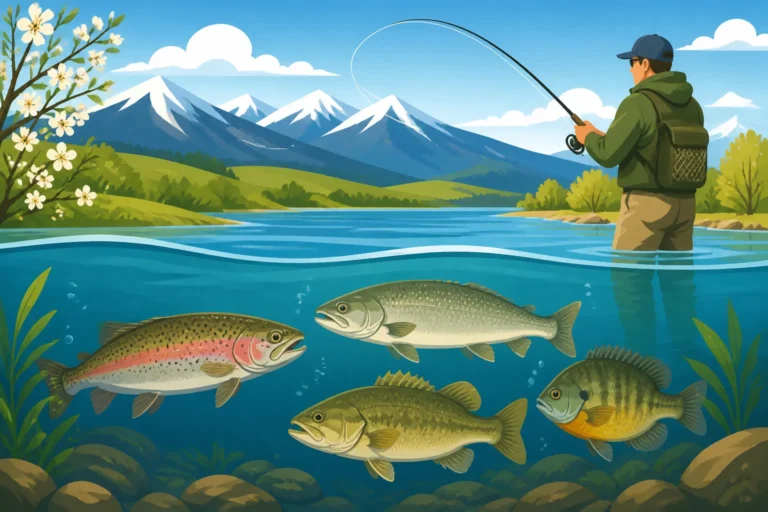
Lake Granby is a cold-water angler's dream, primarily known for three spectacular species, with a couple of bonus possibilities that keep things interesting.
First and foremost, the Lake Trout, or "Mackinaw," reign supreme here. These are the giants of Granby, often reaching impressive sizes. It's not uncommon for anglers to pull out fish in the 10-20 pound range, and truly massive specimens pushing 30-40 pounds are caught annually. Lake trout are aggressive predators that prefer the deep, cold water, making them a formidable and rewarding target. Their pursuit often requires specialized gear and techniques, which we’ll delve into shortly. If you're hoping for a trophy catch, this is your species.
Next up are the vibrant Kokanee Salmon. These landlocked sockeye salmon are prized for their spirited fights and delicious, rich orange flesh. Kokanee have a fascinating life cycle; they spend most of their lives in the open water, feeding on plankton, before making their spectacular spawning runs into tributaries in the fall. During the non-spawning months, they form large schools, making them a fun challenge to locate and entice. The anticipation of a kokanee strike, often subtle at first, is a thrill for many Granby regulars.
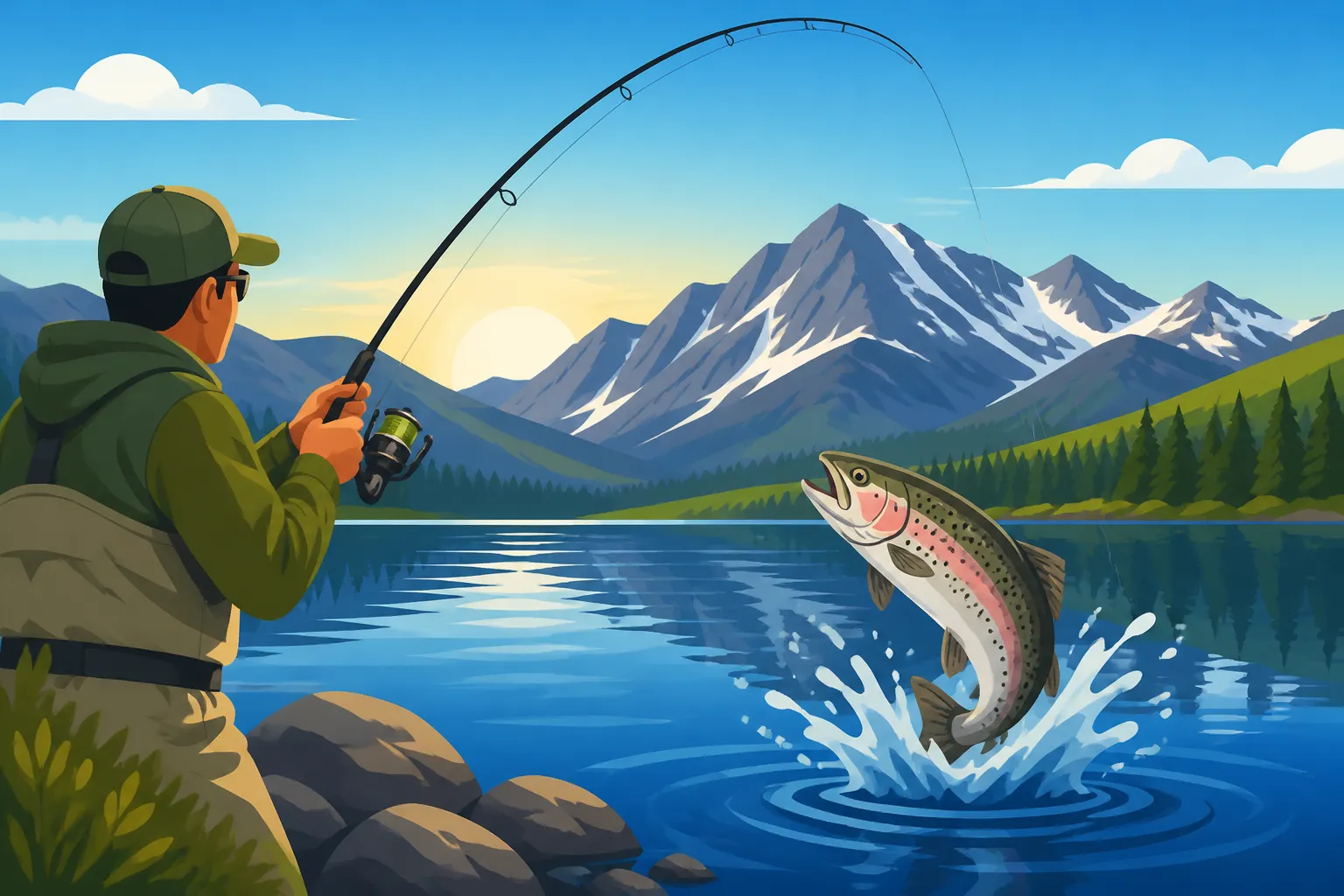
Then there are the ever-popular Rainbow Trout. While Granby is not a dedicated "rainbow factory," these fish are regularly stocked by Colorado Parks and Wildlife and thrive in the lake's rich ecosystem. Rainbows offer a more accessible fishing experience, often cruising closer to shore and providing consistent action, especially in the spring and fall. They're a great target for those looking for steady bites or for younger anglers.
Finally, while less common than the other three, Brown Trout are also present, particularly in the shallower, rockier areas and near the river inlets. They tend to be more elusive but can grow quite large, offering another exciting challenge. In the higher reaches of the tributary streams entering Granby, you might even find populations of Brook Trout, though these are typically smaller. Knowing your target species helps immensely in planning your approach, as each requires different tactics and locations.
Prime Seasons and Proven Techniques for Success
Fishing Lake Granby isn't a one-size-fits-all affair. The lake changes dramatically with the seasons, and successful anglers adapt their strategies to match the conditions. Whether you prefer the thrill of ice-out, the challenge of deep-water summer fishing, the fall frenzy, or the solitude of ice fishing, Granby offers something special year-round.
Spring and Early Summer Strategies
When the ice finally recedes from Lake Granby, usually in late April or early May, a window of fantastic opportunity opens. This "ice-out" period is highly anticipated because the water is still cold, and many fish species become more active and accessible in shallower waters as they shake off winter sluggishness. Rainbow and brown trout, in particular, will cruise the shorelines and coves, feeding aggressively. This is an excellent time for casting lures like Kastmasters, Daredevles, or Rapalas from shore or a boat, especially near rocky points and submerged structure. Trolling shallow-running crankbaits or spoons at slow speeds can also be incredibly effective for rainbows and smaller lake trout during this time.
As spring transitions into early summer, the kokanee salmon start to become more active, moving into schools and feeding higher in the water column before retreating to deeper haunts. Trolling with dodgers and squids or small spoons at various depths is a common tactic. The initial warm-up also means that some lake trout will still be found in shallower depths (20-40 feet), making them more approachable with heavy jigs or even large streamers for fly anglers. The key during this season is experimentation with depth and presentation, as conditions can change rapidly with the weather. Always remember to check the latest Colorado Fishing Season Dates and Bag Limits before heading out, as regulations can vary.
Summer's Deep Water Challenges and Rewards
Ah, summer on Lake Granby! While it's beautiful, the heat pushes most of the prized fish, especially the lake trout and kokanee, into the deeper, colder sections of the lake. This is where the real work, and often the greatest rewards, begin for serious anglers. Targeting big lake trout in the summer means going deep – often 60 to 100 feet, or even deeper. This typically requires specialized gear like downriggers to get your lures or bait to the precise depth where the fish are holding. Large tube jigs, grub jigs tipped with sucker meat, or hefty spoons are popular choices for vertical jigging. You'll need a good sonar unit to locate structure and schools of fish.
Kokanee salmon in summer also form tight schools in deeper water, typically suspended over the main lake basin. Trolling with downriggers becomes essential, presenting dodgers and small kokanee flies or squids at specific depths that the fish are actively feeding. Often, the best bite for both species will be in the early morning or late evening, as the midday sun can push them even deeper or make them less active. Afternoon thunderstorms are a common occurrence in Grand County, so always keep an eye on the weather and be ready to seek shelter. While challenging, landing a massive lake trout from the depths or a limit of schooling kokanee on a summer day is an incredibly satisfying experience that keeps anglers coming back year after year. For more on this, you might find our guide on Trolling Techniques for Colorado Reservoirs particularly useful.
Fall's Frenzy and the Kokanee Run
Fall at Lake Granby is nothing short of spectacular, both for its vibrant aspen colors and its incredible fishing action. As water temperatures begin to drop, the lake’s ecosystem undergoes a significant shift, creating some of the year’s best angling opportunities, especially for kokanee salmon and lake trout.
The most anticipated event of the fall is undoubtedly the Kokanee Salmon spawning run. As early as late August, and peaking in September and October, these beautiful fish begin their journey up the tributary rivers like the Colorado River and the Fraser River, which feed into Granby. Their bodies transform, turning a brilliant crimson red, and the males develop a distinctive hooked jaw (kype). During this time, they are focused solely on reproduction. Anglers flock to the river mouths and lower river sections to participate in the controlled snagging season, which is typically open for a limited time and with specific regulations. It’s a fast-paced, exciting fishery, but remember to be mindful of all Colorado Fishing Regulations Every Angler Should Know. Once their spawning duties are done, kokanee die, completing their life cycle.
While the kokanee are running, the lake trout also begin to get very active. As they approach their own spawning period (which is later in the fall, typically November and December), they move into shallower rocky areas and along points, often in 20-60 feet of water. This makes them much more accessible than in summer, and they become incredibly aggressive, fattening up for the spawn. Large spoons, spinnerbaits, and even large fly patterns can tempt these fish. Many anglers consider late fall to be the prime time for trophy lake trout, as they are actively feeding and more catchable.
Rainbow trout also become more active with the cooler water, offering good opportunities for shore anglers and those trolling shallower depths. The fall offers a beautiful, often less crowded, angling experience than the peak summer months, making it a favorite for many local experts.
Winter Ice Fishing Excellence
Lake Granby transforms into an ice fishing paradise once the winter chill sets in and sufficient ice forms, usually from December through March. This lake is widely considered one of Colorado's premier destinations for hardwater angling, drawing enthusiasts from all over. The sheer size of the lake, combined with its robust fish populations, means endless opportunities for exploration and diverse catches. For those looking to dive into this unique winter sport, our guide to Ice Fishing in Colorado, Getting Started is an invaluable resource.
The primary target species through the ice are Lake Trout and Kokanee Salmon, with plenty of Rainbow Trout thrown in for good measure. Lake trout often hug the bottom structure, and anglers target them with heavy jigging spoons, tubes, or gulp minnows tipped with sucker meat, presented with a short, stiff ice rod. Portable sonar units (like those from Garmin or Humminbird) are incredibly helpful for locating fish and watching their reactions to your lure. Many anglers also use tip-ups, setting multiple lines (where legal with a Colorado's Second-Rod Stamp and Who Needs One) with live or dead bait, waiting for a flag to signal a bite.
Kokanee salmon, on the other hand, are typically suspended in the water column. Anglers use smaller jigs, often tipped with mealworms or corn, jigged subtly to imitate plankton. It's a more finessed approach than lake trout fishing, and patience is often rewarded with limits of these delicious fish. Rainbow trout can be found closer to shore, particularly in bays and near inlets, and will readily strike small jigs or powerbait.
Safety is paramount when ice fishing. Always check ice conditions before venturing out, as thickness can vary greatly across a large lake like Granby. Local bait shops and fishing reports are excellent sources for up-to-date ice conditions. Being prepared with proper winter clothing, a portable ice shelter (often called a shanty or hut), an auger for drilling holes, and a reliable form of transportation on the ice (snowmobile, ATV, or sturdy boots) will ensure a safe and enjoyable experience. Lake Granby's vast frozen expanse provides endless possibilities, from seeking solitude to joining the vibrant community of ice anglers. It truly earns its reputation as one of Colorado's Best Ice Fishing Reservoirs.
| Species | Best Season | Recommended Techniques | Primary Location |
|---|---|---|---|
| Lake Trout | Summer, Fall, Winter | Deep jigging, downrigging (summer), trolling, tip-ups (winter), large spoons | Deep basins, drop-offs, rocky structure |
| Kokanee Salmon | Spring, Summer, Fall | Trolling (dodger/squid), snagging (fall run), small jigs (winter) | Open water, near inlets (fall) |
| Rainbow Trout | Spring, Fall, Winter | Casting lures, trolling (shallow), bait fishing (powerbait), small jigs (winter) | Shorelines, coves, inlets |
| Brown Trout | Spring, Fall | Casting lures, small crankbaits, jigs | Shallower, rocky areas, river mouths |
Navigating Access, Regulations, and Local Insights
Successfully fishing Lake Granby involves more than just knowing what to catch and how to catch it. Understanding how to access the lake, adhering to its specific rules, and tapping into local knowledge can significantly enhance your experience and chances of success.
Public Access Points and Amenities
Given its considerable size, Lake Granby offers several key access points, primarily managed by the Bureau of Reclamation and Colorado Parks and Wildlife (CPW). These points provide varied amenities and opportunities for both boat and shore anglers.
The most popular boating access points include the Stillwater Campground Boat Ramp and the Sunset Point Boat Ramp. These ramps are typically well-maintained and offer ample parking. During peak seasons, especially on weekends, these ramps can get quite busy, so arriving early is always a good strategy. It's important to remember that many areas around the lake fall within State Parks or Recreation Areas, meaning you may need a Colorado State Parks Pass or pay a daily entrance fee in addition to your fishing license. Some boat ramps also have specific regulations regarding wake zones, launch hours, and aquatic nuisance species (ANS) inspections, which are crucial for preventing the spread of invasive species like zebra mussels.
For shore anglers, there are numerous pull-offs and designated fishing areas along the perimeter, particularly near campgrounds and picnic areas. The areas around Arapaho Bay and sections near the dam offer good bank fishing opportunities. However, navigating the shoreline can be challenging in many places due to steep terrain and private property. Always be respectful of private land and posted signs. Many of the numerous campgrounds surrounding the lake, such as Stillwater, Sunset Point, and Arapaho Bay campgrounds, offer convenient access for campers and often have designated fishing spots. These facilities generally include restrooms, picnic tables, and sometimes even fish cleaning stations, making them ideal bases for a multi-day fishing adventure.
Essential Regulations and License Requirements
Colorado has a comprehensive set of fishing regulations designed to protect and manage its diverse fisheries, and Lake Granby is no exception. Before you even think about wetting a line, it's absolutely crucial to have the proper documentation. Every angler aged 16 and older needs a valid Colorado fishing license. You can learn all about acquiring one in our comprehensive Colorado Fishing License Guide for Residents and Nonresidents, or dive into the specific costs with Colorado Fishing License Costs Explained. Don't forget that a Colorado's Habitat Stamp, Explained is also required for most license holders, contributing to vital conservation efforts.
Beyond the general license, Lake Granby has specific regulations that often differ from other bodies of water in the state. These typically include bag and possession limits for each species, which can vary by season, and sometimes even size restrictions. For example, there might be a limit on the number of lake trout you can keep, or specific size windows that are either protected or encouraged for harvest. During the fall kokanee salmon run, special snagging seasons are often implemented with their own unique rules and dates, which are strictly enforced. It's not uncommon for bag limits on kokanee to change seasonally based on population health.
It cannot be stressed enough: always consult the current Colorado Parks and Wildlife (CPW) fishing regulations brochure or their website before your trip. Regulations can change annually or even seasonally, and ignorance is no excuse. You can find detailed information on Reading Colorado's Fishing Regulations Brochure. Fishing without a license or violating bag limits can result in hefty fines and even loss of fishing privileges, which nobody wants. CPW officers patrol the lake regularly, and they are always happy to answer questions, but it's ultimately your responsibility to know the rules.
Local Knowledge and Guided Trip Benefits
When facing a vast and complex fishery like Lake Granby, local knowledge isn't just helpful – it can be the difference between a frustrating day and an unforgettable experience. The guides and outfitters in Grand County are truly the unsung heroes of successful fishing trips, especially for newcomers or those targeting specific, elusive species.
Local tackle shops, like Beacon Landing Marina or Sportsman's Paradise in Grand Lake, are goldmines of real-time information. The folks who work there are often avid anglers themselves, constantly on the water, and they know what's biting, where the fish are holding, and what techniques are currently most effective. They can tell you about recent stocking reports, current water temperatures, and even recommend specific lures or bait that are working. Don't be shy about asking questions – they love to share their passion.
For those looking to maximize their chances, especially for trophy lake trout or the elusive kokanee, a guided fishing trip is an invaluable investment. Local guides spend hundreds of days a year on Granby. They know the underwater topography, the subtle nuances of fish behavior, and how to adapt to changing conditions. They have the specialized gear – downriggers, top-tier sonar, appropriate rods and reels – and they can teach you the specific techniques required for Granby's challenging fishery. A good guide doesn't just put you on fish; they teach you how to read the water, understand fish patterns, and improve your own angling skills, making it a true learning experience.
Finding the right guide can be made easy through platforms like FishingBooker, which connects anglers with experienced local charters and guides. You can browse different options, read reviews from other anglers, and find a guide whose expertise matches your fishing goals, whether it’s a full-day lake trout hunt or a morning kokanee troll. For more insights into planning such a trip, our guide on Hiring a Fishing Guide in Colorado, What to Expect offers excellent advice. Remember, these guides often book up well in advance, especially during peak seasons, so plan accordingly. Tapping into this wealth of local expertise can transform your Granby fishing adventure from a hopeful cast into a strategic pursuit.
Disclaimer
The information provided in this guide is for general informational purposes only and is subject to change. Fishing regulations, conditions, and fish populations can vary. Always consult the most current Colorado Parks and Wildlife regulations and local authorities before planning any fishing trip.