Spin Fishing Techniques for Colorado Trout
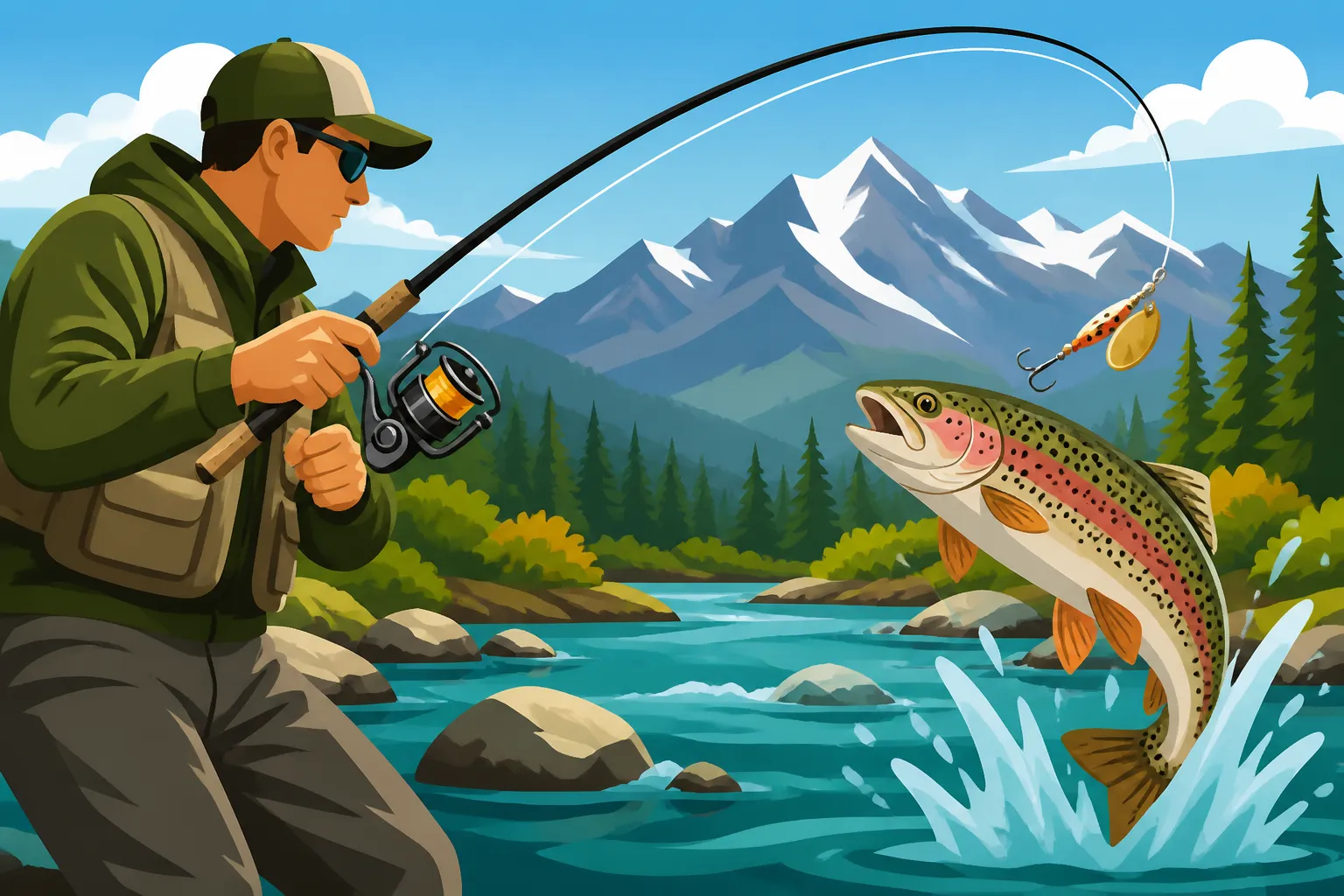
It can feel overwhelming, right? You see all the incredible photos of anglers on Colorado's pristine rivers, often with fancy fly rods, and you might think that spin fishing just isn't "the way" to catch trout here. Or maybe you've tried it, but you're constantly snagging, getting skunked, or just not feeling confident in your technique. Well, let me tell you, spin fishing for Colorado trout is not only incredibly effective but also immensely rewarding and accessible. This guide is here to break down those barriers and give you the real-world tips and tricks to start reeling in those beautiful Colorado fish.
Why Spin Fishing for Colorado Trout is a Game-Changer
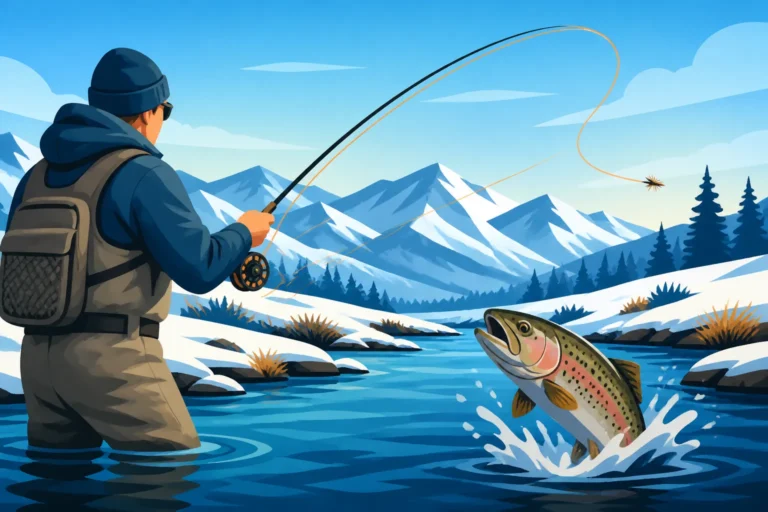
When most people picture trout fishing in Colorado, their minds often jump straight to fly fishing. And while fly fishing is indeed a beautiful art, it’s not the only way to connect with trout here. Spin fishing offers a fantastic alternative that’s often more approachable, especially for beginners, and can be incredibly versatile. It's time to shake off any notions that spin fishing is somehow less authentic or less effective.
Accessibility and Ease of Entry
One of the biggest hurdles for newcomers to any sport is often the perceived complexity and cost of getting started. Fly fishing, with its specialized casting techniques, intricate fly patterns, and sometimes daunting lingo, can certainly feel intimidating. Spin fishing, on the other hand, is much easier to pick up. The casting motion is more intuitive, the gear is generally less expensive, and you can often find suitable setups at your local sporting goods store or even on Amazon without needing a specialized fly shop consultation. This lower barrier to entry means you can get out on the water faster, spend less time learning complicated mechanics, and more time actually fishing. Think about it: you can grab a decent spinning combo, a handful of lures, and some bait, and be ready to fish within an hour. No need for expensive lessons or weeks of practice in your backyard. It's about getting you into the joy of fishing sooner.
Many folks already own a basic spinning rod and reel, making the jump to trout fishing even simpler. You don't have to learn a whole new casting method or decipher the nuances of fly line weights. It’s a familiar motion, allowing you to focus on finding fish and understanding their behavior, which is ultimately what really matters. This ease makes it perfect for family outings, casual weekend trips, or just those days when you want to unwind without the pressure of perfect presentation.
Versatility Across Colorado's Waters
Colorado is blessed with an incredible diversity of fishing environments. From small, high-alpine streams to vast, deep reservoirs, and everything in between, spin fishing shines in its adaptability. You might be carefully casting a small spinner into a riffle on a mountain creek one day, and the next, you're trolling a spoon behind a boat on a massive reservoir. This versatility is a huge advantage. Fly fishing, while effective, can sometimes be limited by water conditions or the specific type of fishing you want to do.
With spin gear, you can effectively present a wide array of lures and baits, mimicking everything from tiny insects to larger minnows, giving you options no matter what the trout are feeding on. This means you’re not locked into one particular style. High, turbid water from spring runoff? No problem, throw a weighted lure. Clear, low water in late summer? Downsize your presentation. You can adjust your tackle to almost any situation you encounter, making you a more effective angler across the board. Whether you're targeting brook trout in a tight, brushy stream or going after trophy lake trout in deep water, your spin setup can likely handle it.
Dispelling the "Lesser Than" Myth
For too long, spin fishing for trout has been unfairly viewed as a "lesser" form of fishing compared to fly fishing, particularly in states like Colorado, which are often considered fly fishing meccas. This perception is simply not true. While fly fishing certainly has its elegance and challenge, spin fishing, when done skillfully, is incredibly effective and demands its own set of techniques and understanding of fish behavior. There's no shame in using a spinning rod; it's a powerful tool in a knowledgeable angler's hands.
The truth is, many avid trout anglers, even those who primarily fly fish, keep a spin rod handy for specific situations or just for a change of pace. There are times when a precisely cast spinner or a perfectly drifted natural bait can outfish any fly. Moreover, the joy of fishing comes from the experience, the connection with nature, and the thrill of the catch – not from the type of rod you're holding. So, let go of any preconceived notions and embrace the effectiveness and fun that spin fishing offers. Focus on learning the water, understanding the fish, and refining your presentations, and you’ll find immense success and satisfaction.
Essential Spin Fishing Gear for Colorado Waters
Getting started with spin fishing in Colorado doesn't require a second mortgage or a dedicated room just for tackle. You can put together a solid, effective kit without breaking the bank. The key is to choose versatile items that will serve you well across different types of water and fishing scenarios you'll encounter in the Centennial State.
Rods, Reels, and Line Choices
Let's talk about the backbone of your setup: the rod and reel. For most Colorado trout fishing, you'll want a light to medium-light action spinning rod.
- Rods: A 6-foot to 7-foot rod is generally ideal. This length offers a good balance of casting distance for larger lakes and reservoirs, while still being maneuverable enough for tighter quarters on rivers and streams. A sensitive tip is crucial, as it helps you detect subtle bites and feel the action of your lure. Look for rods with a fast action, meaning the rod bends mostly in the tip section, which aids in quick hook sets and accurate casting. Brands like Ugly Stik or St. Croix offer durable and sensitive rods that are popular among Colorado anglers.
- Reels: Pair your rod with a matching spinning reel, typically in the 1000 to 2500 size range. This size provides a good line capacity for trout, smooth drag, and comfortable retrieve. A smooth drag system is paramount; it's your shock absorber when a feisty trout makes a run, preventing your line from snapping. Ensure the reel is comfortable in your hand and has a smooth retrieve. Shimano and Daiwa make excellent reels that are durable and perform well. You can often find great rod and reel combos on Amazon that are perfect for beginners.
- Line: For line, a 4-pound to 6-pound test monofilament or fluorocarbon is usually perfect. Monofilament is a great all-around choice due to its affordability, good knot strength, and a bit of stretch, which acts as another shock absorber. Fluorocarbon offers lower visibility in clear water and increased sensitivity, making it a good choice for more challenging conditions or wary trout. Some anglers prefer braided line for its incredible sensitivity and strength-to-diameter ratio, but if you go this route, consider adding a fluorocarbon leader for stealth, as braid can be very visible to fish. The choice often comes down to personal preference and budget, but starting with a quality monofilament line is never a bad idea.
Tackle Box Essentials: Lures, Baits, and Weights
Your tackle box is your arsenal, and having the right variety of lures, baits, and terminal tackle is crucial for adapting to different conditions and trout preferences.
- Spinners: These are a trout fishing classic for a reason. Mepps, Rooster Tail, and Panther Martin are perennial favorites. Sizes from 1/16 oz to 1/4 oz are usually effective. Carry a variety of blade colors (silver, gold, copper) and body patterns (chartreuse, black, white, rainbow trout pattern) to match water clarity and forage. Spinners create flash and vibration, irresistible to opportunistic trout.
- Spoons: Another classic, spoons wobble and flash like injured baitfish. Kastmaster and Daredevil spoons in 1/8 oz to 1/4 oz are excellent choices. Silver, gold, and vibrant colors like orange or red can be very effective, especially in lakes and larger rivers.
- Hard Baits (Plugs/Crankbaits): Small Rapala minnow imitations (like the F3 or F5 Floating Minnow) or similar crankbaits can be deadly. These mimic minnows and can be retrieved with a twitch-and-pause motion. Natural colors like silver, brown trout, or rainbow trout patterns are great.
- Soft Baits: PowerBait, in its various forms (dough, nuggets, worms), is a staple for stocked trout. Carry a few different colors like rainbow, chartreuse, and white. Small soft plastic grubs, tubes, or worm imitations can also be rigged on jig heads for a natural presentation. The Berkley PowerBait assortment often found on Amazon is a great starting point.
- Natural Baits: Live worms (nightcrawlers, mealworms, waxworms) and salmon eggs are incredibly effective, especially for freshly stocked trout. Keep them cool and fresh.
- Terminal Tackle: You'll need an assortment of small, sharp hooks (size 8-14), split shot weights (assorted sizes from BB to 3/0), small swivels (barrel or snap swivels to prevent line twist), and maybe a few bobbers or strike indicators for still water or bait fishing. Don't skimp on hook quality; a sharp hook is vital for a good hook set.
Remember to check Colorado fishing regulations, as some areas have bait restrictions, especially on Gold Medal Waters. Knowing Colorado Bait Restrictions and Where They Apply is crucial before you head out.
Must-Have Accessories for the Colorado Angler
Beyond your core rod, reel, and tackle, a few accessories will make your Colorado spin fishing experience much more enjoyable, safer, and efficient.
- Pliers/Forceps: Essential for safely removing hooks from fish, especially if you're practicing catch and release. Long-nose pliers or specialized fishing forceps are invaluable. They also come in handy for cutting line or crimping split shot.
- Line Clippers: A small pair of clippers or nail clippers attached to a lanyard makes quick work of trimming line and leaders.
- Net: A quality landing net is vital for safely landing trout, particularly if you plan to release them. Look for a net with a rubberized or knotless mesh to minimize harm to the fish's slime coat and fins. A good net helps prevent fish from flopping on rocks or in the dirt, increasing their chances of survival.
- Waders and Boots: If you plan on fishing rivers and streams, a good pair of waders and wading boots will significantly expand your access and comfort. Colorado's waters can be chilly, even in summer, and staying dry will make your day much more pleasant. Studded boots can offer better traction on slippery riverbeds.
- Sun Protection: Colorado's high altitude means intense UV exposure. A wide-brimmed hat, polarized sunglasses (to see fish and structure underwater), and sunscreen are non-negotiable.
- Backpack/Vest: To comfortably carry your tackle, water, snacks, and extra layers. Staying organized means less fumbling and more fishing.
- First-Aid Kit: Minor cuts and scrapes are common; a small kit with bandages, antiseptic wipes, and pain relievers is always a good idea.
- Water Bottle/Hydration Pack: Staying hydrated at elevation is extremely important.
Having these accessories thoughtfully packed will not only enhance your fishing experience but also prepare you for various conditions and unexpected situations on the water.
Understanding Colorado Trout Behavior: The Key to Spin Fishing Success
To consistently catch trout with a spinning rod, or any rod for that matter, you need to think like a trout. Understanding their natural habits, preferred habitats, and how these change with the seasons and different water bodies is absolutely fundamental. Trout aren't just swimming aimlessly; they have routines and preferences driven by survival.
Trout Habits in Rivers and Streams
Rivers and streams present a dynamic environment where trout seek specific advantages. Their primary concerns are food, cover, and energy conservation.
- Holding Water: Trout typically position themselves in "holding water" – spots where they can comfortably rest out of the main current but still have easy access to food washing downstream. This includes behind large rocks, logs, or other structures that break the flow. These obstacles create current seams, which are prime feeding lanes. They'll also hold in deeper pools, undercut banks, and even riffles where oxygen is abundant and food is dislodged.
- Food Source: In rivers, trout are opportunistic feeders. They'll eat aquatic insects (nymphs, larvae, emergers), terrestrial insects (grasshoppers, ants, beetles) that fall into the water, small baitfish, and even tiny crustaceans. Your job is to present your lure or bait in a way that mimics these food sources, drifting naturally with the current or darting erratically like an escaping minnow.
- Cover and Security: Trout are wary creatures. They need cover from predators (like ospreys, eagles, and even humans) and from strong currents. Deep pockets, overhanging vegetation, submerged logs, and shaded areas provide this security. When approaching a stream, move slowly and quietly to avoid spooking fish. Cast upstream or across to allow your lure to drift naturally into these holding spots without your presence being detected.
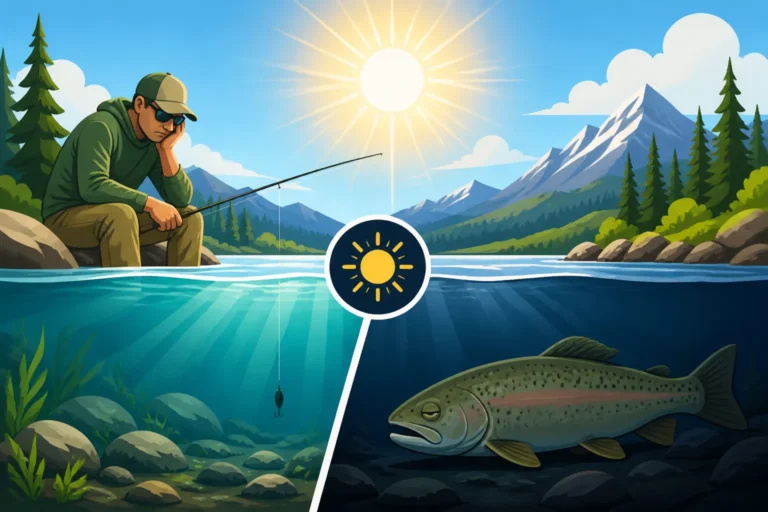
Consider the time of day and light conditions too. Early morning and late evening often provide lower light, making trout more comfortable moving into shallower, more exposed feeding lies. During bright midday sun, they'll often retreat to deeper, shaded areas. The water temperature also plays a huge role; trout are cold-water fish and become less active when water temperatures get too high. You might even consult resources like Why Colorado Closes Rivers Early During Drought Years to understand how environmental factors impact fish behavior and accessibility.
Lake and Reservoir Trout Dynamics
Lakes and reservoirs offer a different set of challenges and opportunities compared to flowing water. Trout in these still environments behave differently, often requiring distinct strategies.
- Structure is Key: In lakes, structure is everything. Trout will relate to submerged rock piles, old creek beds, drop-offs, points, weed lines, and even standing timber. These features provide cover, ambush points for feeding, and temperature breaks. Use maps or a fish finder to locate these structures.
- Depth and Temperature: Lakes stratify, meaning they form layers of different temperatures. Trout will seek out their preferred temperature range, often the cooler, oxygenated water below the surface. This means their depth can vary significantly depending on the season and time of day. In spring and fall, they might be shallower, while in summer, they'll retreat to deeper, cooler water.
- Forage Base: The diet of lake trout can be incredibly diverse. They'll eat plankton, insects (both aquatic and terrestrial), crayfish, and a variety of baitfish like kokanee salmon, minnows, and shiners. Matching your lure or bait to the dominant forage is often a winning strategy. When fishing for Kokanee Salmon, for example, your presentation will be very different than targeting a rainbow trout.
- Spawning Runs: During spawning seasons, certain trout species like rainbow and brown trout will migrate to specific areas, often creek inlets or dam outflows, which can provide excellent, albeit sometimes challenging, fishing opportunities. Being aware of Rainbow and Cutthroat Spawning Season in Colorado or Brown Trout Spawning Season in Colorado can help you plan your trips.
Seasonal Changes in Feeding Patterns
Colorado's distinct seasons dramatically influence trout behavior and feeding patterns. What works in spring won't necessarily work in winter.
- Spring (March-May): As ice melts and water temperatures rise, trout become more active. This is often when Colorado Parks and Wildlife starts stocking trout, making some areas very productive. During early spring, they're often hungry after a lean winter. As runoff approaches in late May and early June, rivers can become high and muddy, pushing trout to the banks and forcing anglers to adapt their tactics. Check out When Colorado's Spring Runoff Hits and How to Fish Around It for more insights.
- Summer (June-August): Water temperatures continue to rise. In rivers, trout will seek cooler, oxygenated water in deeper pools, shaded areas, or tailwaters below dams. Early morning and late evening become prime fishing times. In lakes, trout often move deeper during the heat of the day. Terrestrial insects become a significant food source.
- Fall (September-November): Many anglers consider fall to be prime trout fishing season in Colorado. Water temperatures cool, and trout become very active, feeding heavily to prepare for winter. Brown trout, in particular, become aggressive as they prepare to spawn. This is an excellent time for targeting trophy fish with streamers or larger lures.
- Winter (December-February): Ice fishing becomes the dominant method on many lakes and reservoirs. In open rivers and tailwaters (rivers below dams that maintain consistent temperatures), trout can still be caught, though they are often lethargic and require slower, more subtle presentations with smaller baits. Understanding Winter Fishing on Colorado's Tailwaters can give you an edge.
By understanding these fundamental behaviors and adapting your approach accordingly, you'll dramatically increase your chances of success and connect with more of Colorado's beautiful trout.
Top Spin Fishing Techniques for Rivers and Streams
Spin fishing in rivers and streams requires a nuanced approach, often mimicking the natural drift of food or the darting movements of baitfish. It’s less about brute force and more about finesse and understanding how the current works to your advantage.
Upstream Presentations and Drifting Baits
One of the most effective ways to catch trout in a river or stream with a spinning rod is to present your bait or lure so it drifts naturally downstream, just like real food. This is often referred to as an "upstream presentation" or "dead drifting."
- The Setup: For this, you'll typically use natural baits (like worms, salmon eggs, or PowerBait nuggets) or small soft plastics rigged on a light hook with minimal weight, or even a small split shot or two positioned a foot or so above the hook. You might use a small bobber or float in slower water, but in faster currents, a tight line and feeling for the bite can be more effective.
- The Cast: Cast your bait slightly upstream and across the current from where you anticipate fish to be holding. The goal is for your bait to enter the fish’s feeding lane before your line or any heavier tackle. This creates a natural presentation.
- The Drift: As your bait drifts downstream, keep your rod tip high and maintain a "tight line" – just enough tension to feel a bite, but not so much that you pull the bait unnaturally fast. You'll need to "mend" your line (moving your rod tip to reposition your line upstream of your bait) to keep it from dragging and creating an unnatural curve in the current. This helps your bait move at the same speed as the current. Watch your line carefully for any pauses, twitches, or sudden movements – these often indicate a bite.
- The Hook Set: When you feel a bite or see your line hesitate, swiftly lift your rod tip to set the hook. Trout can spit a hook quickly, so don't delay. This technique is particularly effective in runs, riffles, and around current seams where trout actively feed on drifting food.
This method requires patience and a good feel for what's happening underwater, but it's incredibly rewarding when you master it. Imagine your bait rolling along the bottom, just like a dislodged nymph, right into a trout's ambush point. This is especially true when targeting wild brown trout in rivers.
Casting Lures in Current
When trout are actively feeding or you're trying to cover more water, casting lures like spinners and spoons into the current can be highly productive. The key here is to use the current to impart natural action to your lure.
- Upstream Casts: Casting upstream and retrieving your lure just faster than the current allows the spinner blade to start rotating or the spoon to wobble, mimicking an escaping baitfish. This retrieve often triggers an aggressive strike. This is a great way to cover long stretches of water.
- Downstream Casts (Swing): Casting slightly downstream and across the current, then allowing your lure to swing naturally with the current can also be effective. As the lure swings, it presents a broadside target to fish. A slow retrieve or pause at the end of the swing can often provoke a strike.
- Cross-Stream Casts: Casting directly across the stream and retrieving can work well, especially in uniform currents. Experiment with retrieve speeds, sometimes a faster, erratic retrieve is best, other times a slow, steady pace is key.
- Targeting Structure: Always cast to likely holding spots: behind rocks, into eddies, along undercut banks, or at the head and tail of pools. These are the trout's preferred ambush points. The flash and vibration of a spinner or spoon are excellent at attracting attention in these areas. For example, when fishing a Mepps Aglia or a Panther Martin spinner, the blade rotation combined with the weight is very good at getting into the strike zone.
Remember to vary your retrieve speed and depth until you find what the fish are responding to. Sometimes a quick start-and-stop retrieve is best, other times a steady, slow presentation is all it takes.
Reading the Water for Holding Spots
One of the most valuable skills for any angler is learning how to "read the water." This means understanding where trout are likely to hold, feed, and seek refuge in a river or stream. It's like deciphering a secret map.
- Current Seams: These are the lines where fast water meets slow water. Trout love to sit in the slower water, conserving energy, while waiting for food to drift by in the faster current. Look for these seams around rocks, fallen trees, and bends in the river. They are prime targets.
- Eddies and Backwaters: Areas where the current slows down or even reverses. These are often rich in food and provide a comfortable resting spot for trout.
- Pools: Deeper sections of a river or stream. The head (top) of a pool often holds active, feeding fish, while the tail (bottom) and deepest sections offer refuge and resting areas. Don't overlook the middle, especially if there's structure.
- Riffles and Runs: Shallow, fast-moving sections. While seemingly unproductive, trout will often hold behind small rocks or in depressions within these areas, feeding on dislodged insects and enjoying the oxygen-rich water.
- Undercut Banks and Overhanging Vegetation: These provide excellent overhead cover and deep water, offering security and shade. Trout will often sit directly under these banks. Always approach these spots quietly from downstream to avoid spooking the fish.
- Confluence Points: Where two streams or rivers meet, creating a diverse flow and often concentrating food. These can be hot spots.
Learning to identify these features and understanding why trout choose them will dramatically improve your success. Spend time observing the water before you even cast. Look for subtle changes in current, depth, and color. Being able to visualize where a trout would hold and then presenting your lure there is the essence of effective river fishing. For more detailed insights into trout behavior in different waters, check out Colorado's Trout Species, A Field Guide.
Effective Spin Fishing Strategies for Lakes and Reservoirs
Lakes and reservoirs, with their vastness and varied depths, demand different spin fishing strategies than rivers. The absence of a strong current means you are responsible for imparting all the action to your lure, and covering water effectively becomes crucial.
Shoreline and Structure Fishing
For many bank anglers, focusing on the shoreline and any visible structure is the primary approach to lake fishing. Trout will often cruise these areas, especially during cooler parts of the day or year, looking for food.
- Identify Transition Zones: Look for areas where the bottom changes – from rocky to sandy, or where weed beds begin and end. These transition zones often hold a variety of forage and attract trout. Points that jut out into the lake, coves, and areas near submerged timber are also excellent spots.
- Fan Casting: When fishing from the bank, fan cast to cover a wide area. Start by casting parallel to the shore, then make subsequent casts moving further out, like the spokes of a fan, until you've covered the entire immediate area. Then move to your next spot.
- Vary Retrieval: Experiment with different retrieve speeds and patterns. A steady retrieve might work one day, while a stop-and-go retrieve, or one with erratic twitches, might be more effective the next. Small spinners, spoons, and soft plastic grubs rigged on a jig head are excellent for this.
- Depth Control: If you're not getting bites, try varying the depth of your retrieve. Let your lure sink longer before starting the retrieve, or try fishing closer to the surface if you see fish jumping or feeding on insects.
- Timing: Early morning and late evening often see trout moving closer to shore to feed. Overcast days can also keep them in shallower water longer. During bright midday sun, they'll often retreat to deeper, cooler waters, making shore fishing more challenging. You might find success fishing deeper near drop-offs if you have casting distance.
Fishing near inflows or outflows, like where a river feeds into a reservoir, can also be particularly productive, as these areas often concentrate food and oxygen. A good example of this is fishing near the inlets of Chatfield Reservoir, where different species might congregate at different times of the year.
Trolling for Deeper Trout
When trout are holding deeper in the water column or spread out across a large area, trolling from a boat or kayak becomes an incredibly effective strategy for covering vast expanses of water.
- Speed and Depth: Trolling involves moving slowly through the water while dragging lures behind your boat. The key is to find the right speed and depth where the fish are holding. Use a fish finder to locate schools of baitfish or individual trout. Lure depth can be controlled using lead core line, downriggers, or simply by the weight of your lure and the amount of line you let out. For targeting specific species like Kokanee Salmon or Lake Trout in large bodies of water like Blue Mesa Reservoir, specialized trolling setups are almost essential.
- Lure Selection: Small spoons, dodgers or flashers paired with a small hoochie or fly, and small crankbaits are excellent for trolling. The action of the lure is magnified by your boat's movement. Colors that mimic baitfish or are highly visible in deeper water (like bright oranges, pinks, or chartreuse) often work best.
- Patterns and Structure: Don't just troll in straight lines. Try S-curves, turns, and varying speeds. These changes can make your lure behave erratically, often triggering strikes. Troll over submerged structures, along contours, and near drop-offs where trout are likely to congregate.
- Multiple Rods: If legal and manageable, using multiple rods with different lures at varying depths can help you quickly determine what the fish are hitting on. Just ensure you comply with Colorado Fishing Regulations Every Angler Should Know regarding the number of rods allowed.
Trolling is a fantastic way to locate active fish in a large lake or reservoir, especially when they aren't concentrated in specific areas. It's a method of active searching that can lead to some truly impressive catches.
Jigging and Vertical Presentations
For trout suspended in the water column or holding tight to structure in deeper water, vertical jigging is a deadly technique. This is particularly effective from a boat, kayak, or even through the ice.
- Locating Fish: A good fish finder is your best friend here. It allows you to pinpoint schools of fish or individual marks at specific depths. Once you've located them, position your boat directly over the fish.
- The Jigging Motion: Drop your jig (a weighted lure with a hook, often adorned with a feather, hair, or soft plastic tail) directly down to the depth where you see fish. Then, use your rod tip to impart an erratic up-and-down motion – a "jig." The idea is to make the jig appear like an injured or disoriented baitfish. Experiment with the aggressiveness of your jigging motion, the height of your lifts, and the pauses between jigs. Often, the strike comes on the fall.
- Lure Selection: Popular jigs for trout include tube jigs, bucktail jigs, spoon jigs (like a Kastmaster or Swedish Pimple for ice fishing), and lead head jigs tipped with small plastic grubs or minnows. Colors can vary widely, but white, silver, chartreuse, and natural baitfish patterns are often effective.
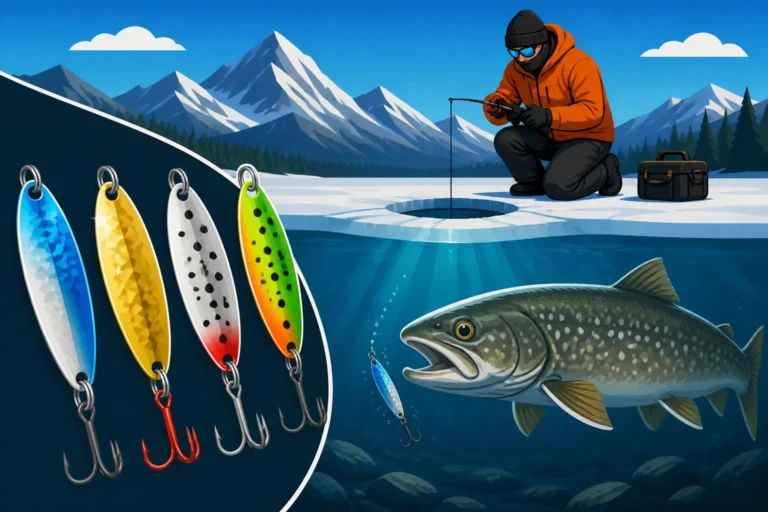
- Through the Ice: Jigging is the cornerstone of Ice Fishing in Colorado, Getting Started. Small jigs, often tipped with a mealworm or waxworm, are lowered through an ice hole to target trout, kokanee, and even lake trout. The subtle action of a small jig in cold water can be irresistible.
Jigging requires precision and a keen eye on your fish finder and rod tip. It's a direct and effective way to target individual fish or schools once you've found them. This technique is especially potent for targeting larger fish that prefer to hold deep.
| Lure/Bait Type | Ideal Conditions | Target Species | Retrieval/Presentation |
|---|---|---|---|
| Spinners | Rivers/streams, clear-murky water, active fish | Rainbow, Brown, Brook | Cast & retrieve |
| Spoons | Lakes/reservoirs, larger rivers, deeper water | Rainbow, Lake, Brown, Kokanee | Cast & retrieve, Troll |
| Hard Baits/Plugs | Rivers/lakes, mimicking baitfish | Brown, Rainbow, Lake | Cast & retrieve, Troll, Jerk |
| PowerBait | Lakes/reservoirs, stocked trout, still water | Rainbow, Brook | Still fish on bottom, float |
| Natural Worms | Rivers/lakes, all species, especially stocked | All Trout, Perch, Bass | Drift, Still fish |
| Jigs (soft plastic) | Rivers/lakes, structure, deeper water | All Trout, Perch, Walleye | Jig, Drift, Cast & retrieve |
Choosing the Right Lures and Baits for Colorado Trout
The sheer variety of lures and baits available can be overwhelming, but understanding their purpose and when to use them will simplify your choices and increase your success. It's all about matching the hatch – or at least, matching the meal – for whatever the trout are looking for.
Hard Baits: Spinners, Spoons, and Plugs
Hard baits are incredibly effective because they mimic baitfish, which are a primary food source for larger trout, or they create irresistible flash and vibration.
- Spinners: These are almost universally effective. Brands like Mepps, Rooster Tail, and Panther Martin are staples in any Colorado angler's box. The spinning blade creates flash and vibration that fish key in on.
- When to use them: Great for covering water in rivers and streams, especially in runs and riffles where fish are actively feeding. Also effective in lakes, casting from shore or trolling.
- Tips: Vary your retrieve speed. Sometimes a slow, steady retrieve is best, other times an erratic twitch and pause works wonders. Carry a variety of sizes (1/16 oz to 1/4 oz) and colors (silver, gold, copper, chartreuse, white, black) to match water clarity and light conditions. In bright sun and clear water, natural colors or silver are often best. In cloudy water or low light, try brighter colors or gold.
- Spoons: Designed to wobble and flash like an injured baitfish. Kastmaster and Daredevil spoons are iconic.
- When to use them: Excellent for lakes and larger rivers, especially when you need to cast a long distance or fish deeper. They sink quickly and can be retrieved at various depths. They are also phenomenal for trolling.
- Tips: Let them flutter down on a slack line for a natural injured baitfish imitation. Vary your retrieve with pauses and twitches. Gold and silver are often top producers, but don't shy away from bright orange or firetiger patterns, particularly in stained water or for aggressive lake trout.
- Plugs/Crankbaits: These hard plastic or wood lures are designed to dive to specific depths and often have a realistic baitfish profile. Rapala's Floating Minnows (like the F3 or F5) are a classic.
- When to use them: Best when trout are keying in on minnows or other small baitfish. Great for casting and retrieving, or for trolling in lakes. They can also be effective in deeper river pools.
- Tips: Use a twitch-and-pause retrieve to mimic a struggling baitfish. Consider suspending models that stay at a certain depth during pauses. Match the size and color to the baitfish present in the water.
Hard baits offer an active fishing experience, constantly engaging you with the retrieve and the anticipation of a strike.
Soft Baits: PowerBait, Worms, and Plastics
Soft baits offer a different presentation, often more subtle and natural, especially for stocked trout or those that are more finicky.
- PowerBait: The go-to bait for many anglers targeting stocked rainbow trout. It comes in various forms (dough, nuggets, worms) and a rainbow of colors.
- When to use it: Primarily for still water in lakes and ponds, especially those that are regularly stocked by Colorado Parks and Wildlife. It floats, so it's excellent for presenting off the bottom on a light leader with a small sinker.
- Tips: Mold it around a small treble hook (or a single salmon egg hook) to completely conceal the hook. Experiment with colors; chartreuse, rainbow, and white are often popular. Allow enough leader so the PowerBait floats naturally off the bottom. Remember to check regulations as some waters may have bait restrictions.
- Soft Plastic Worms/Grubs/Tubes: These versatile baits, when rigged on a jig head, can imitate a variety of forage like worms, aquatic insects, or small baitfish.
- When to use them: Excellent for rivers and streams, drifting them naturally, or for casting and retrieving in lakes. Small micro-jigs tipped with these plastics can be deadly on picky fish.
- Tips: Use a very light jig head (1/32 oz to 1/8 oz) for a natural fall. Colors like white, black, brown, and olive are good starting points. Experiment with a slow, twitching retrieve, or let them drift with the current. This can be particularly effective for less aggressive fish or in colder water. Many anglers find great deals on assortments of soft plastic grubs on Amazon.
Soft baits allow for subtle presentations and are often irresistible to trout, especially those that have been previously caught and released or are naturally more cautious.
Natural Baits: Live Worms and Minnows
There's something undeniably effective about natural baits. They are what trout eat instinctively.
- Live Worms: Nightcrawlers, mealworms, and waxworms are universally appealing to trout.
- When to use them: Effective in virtually all trout fishing scenarios – rivers, streams, lakes, and ponds. They're especially good for beginners and for targeting freshly stocked fish.
- Tips: Use a small hook (size 8-12) and thread the worm on, leaving a bit dangling to entice fish. Present them on the bottom with a sinker, under a bobber, or drift them naturally in a river. Keep them cool to keep them lively.
- Minnows: Live minnows, where legal, are a fantastic bait for larger, predatory trout.
- When to use them: Primarily in lakes and larger rivers for targeting bigger brown trout or lake trout. Check regulations carefully, as live minnow use is highly restricted in Colorado to prevent the spread of disease and invasive species. Colorado Bait Restrictions and Where They Apply is a critical read before considering this option.
- Tips: Rig them through the lips or just behind the dorsal fin, allowing them to swim naturally. Fish them under a bobber or on a tight line near structure. If live minnows are restricted, consider using dead minnows or realistic soft plastic minnow imitations.
Always check local regulations before using natural baits, as rules can vary significantly from one body of water to another in Colorado.
Navigating Colorado's Fishing Regulations and Ethics
Fishing in Colorado is a privilege that comes with responsibilities. Understanding and adhering to the state's fishing regulations and practicing ethical angling are paramount to ensuring healthy fish populations and enjoyable experiences for everyone.
Understanding Bag and Possession Limits
Colorado Parks and Wildlife (CPW) sets specific bag and possession limits for various fish species, and these limits can vary by body of water.
- Bag Limit: This refers to the maximum number of fish of a particular species you can legally harvest and keep in a single day. For example, the statewide daily bag limit for trout (rainbow, brown, cutthroat, brook) is typically four fish. However, this can change dramatically on specific waters.
- Possession Limit: This refers to the total number of fish you can have in your possession at any given time, including those at home, in your cooler, or in your vehicle. It's usually double the daily bag limit (e.g., eight trout statewide), but again, this varies.
- Species-Specific Rules: Beyond general trout limits, there are often specific limits for species like kokanee salmon (which have specific spawning run regulations), walleye, northern pike, and bass. For instance, there might be specific size restrictions on certain trout or salmon in Gold Medal Waters.
- Checking the Regulations: It is your responsibility as an angler to know the specific regulations for the water body you are fishing. The CPW provides a comprehensive annual brochure, which is available online and at license vendors. Consider the importance of Reading Colorado's Fishing Regulations Brochure thoroughly before each season and before visiting new waters. Ignorance of the law is not an excuse.
Understanding these limits is not just about avoiding a ticket; it's about contributing to sustainable fishing practices that protect Colorado's precious fisheries.
Barbless Hooks and Bait Restrictions
Beyond bag limits, Colorado has specific regulations regarding tackle and bait, especially in sensitive areas or on certain types of waters.
- Barbless Hooks: Many of Colorado's Gold Medal Waters, and other sensitive river sections, have a mandatory "flies and lures only, barbless hooks" regulation. This means any lure you use must have its barbs either ground down or pinched flat. This rule is in place to minimize harm to fish, particularly for catch-and-release fishing, as barbless hooks make it much easier to remove a hook with less injury to the fish. Failing to use barbless hooks in these areas can result in significant fines. It's crucial to know Barbless Hook Rules on Colorado Rivers.
- Bait Restrictions: Some waters are designated "artificial flies and lures only," meaning no bait (like worms, PowerBait, or minnows) is allowed. Other waters might allow artificial flies and lures and artificial bait (like PowerBait), but prohibit live bait. These restrictions are often in place to protect native fish populations, prevent the spread of aquatic invasive species, or manage specific fisheries. For example, some high-country lakes might be entirely "flies and lures only." Always consult the regulations for your specific fishing location. Knowing Colorado Bait Restrictions and Where They Apply is non-negotiable.
Always carry a pair of pliers to easily pinch down barbs on your hooks, even if you don't think you'll be on "barbless only" water. It's a good practice for catch-and-release regardless.
Practicing Responsible Catch and Release
Even if you plan to keep some fish for dinner, practicing responsible catch and release for the fish you don't intend to harvest is a critical ethical component of fishing. It ensures the longevity of healthy fish populations.
- Minimize Fight Time: Land fish quickly to reduce stress and exhaustion. Prolonged fights can deplete a fish's energy reserves, making it more vulnerable after release.
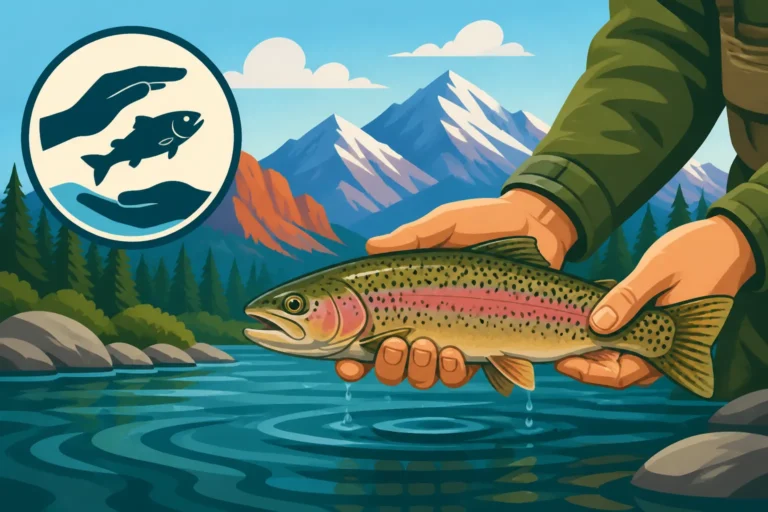
- Keep Fish Wet: Avoid taking fish out of the water for extended periods. If you must take a photo, do it quickly and hold the fish gently just above the water, supporting its belly. The fish's slime coat is vital for protection against disease and should be preserved.
- Handle Gently: If you need to handle a fish, wet your hands first. Avoid squeezing or touching the gills. Use a net with a rubberized or knotless mesh to protect the fish.
- Quick Hook Removal: Use forceps or pliers to remove hooks quickly and gently. If a hook is deeply embedded and removal would cause more harm, it's often better to simply cut the line as close to the hook as possible. Barbless hooks make this process much easier.
- Revive Carefully: If a fish seems sluggish, hold it gently in the current (in a river) or move it back and forth gently (in still water) until it regains strength and can swim away on its own. Don't simply toss it back; ensure it's revived enough to survive.
Being a responsible angler means more than just having a valid Colorado Fishing License Guide for Residents and Nonresidents. It means respecting the resource, the regulations, and the fish themselves. Every angler plays a role in preserving Colorado's incredible fishing heritage.
Advanced Tips and Troubleshooting for Colorado Spin Anglers
Once you've got the basics down, you can start refining your approach. Colorado's diverse conditions mean that adaptation is key. These advanced tips and troubleshooting strategies will help you fine-tune your spin fishing game.
Adjusting for Weather and Water Conditions
Colorado's weather and water conditions can change rapidly, often within a single day. Learning to adapt your spin fishing approach to these variables is crucial for consistent success.
- Water Clarity:
- Clear Water: In clear water, trout can be incredibly wary. Use lighter line (4-pound test), fluorocarbon leaders for invisibility, smaller lures (1/16 oz spinners or micro jigs), and natural colors (silver, brown, olive). Make longer casts to avoid spooking fish, and approach quietly. Your presentation needs to be subtle and natural.
- Turbid/Stained Water: When water is cloudy from runoff or recent rain, trout rely more on vibration and scent. Use brighter, more contrasting colors (chartreuse, orange, firetiger) and lures that create more vibration, like a larger bladed spinner or a spoon. Scented soft plastics or natural baits can also be very effective. Fish closer to the bank where the current might be slower and the water slightly clearer.
- Weather Changes:
- Bright Sun: Trout often retreat to deeper, cooler, or shaded areas. Target deep pools, undercut banks, or fish early morning/late evening. Slow down your retrieve.
- Overcast/Rainy: Often excellent fishing! Lower light makes trout feel more secure and they may move into shallower feeding areas. They might be more aggressive, so try brighter colors or more active retrieves. Be mindful of rising water levels if it's raining heavily.
- Windy: Wind can make casting challenging, but it can also stir up insects and baitfish, making trout more active. Cast with the wind when possible. Use heavier lures to combat wind drift. On lakes, wind can create current and concentrate baitfish, leading to good fishing on the windy side.
- Water Temperature:
- Cold Water (Early Spring/Winter): Trout are more lethargic. Slow down your retrieve significantly. Use smaller lures or baits, and focus on slow jigging or drifting presentations. Small midges or worms can be deadly in tailwaters during winter.
- Warm Water (Summer): Trout seek cooler, oxygenated water. Fish deeper, in shaded areas, or during cooler parts of the day (dawn/dusk). Avoid fishing during peak heat, as it can stress fish, especially if you plan to release them.
Continuously observe your surroundings and be prepared to change your lure, line, or technique based on what Mother Nature throws at you.
Dealing with Snags and Break-Offs
Snags are an inevitable part of fishing, especially when targeting trout around structure. Learning how to deal with them efficiently can save you time, tackle, and frustration.
- Preventing Snags: The best defense is a good offense. Pay attention to the water. If you see submerged logs, rock gardens, or heavy weed beds, adjust your casting angle or lure choice. Fishing slightly above the bottom with a lighter weight can also help. When drifting bait, try to keep it just ticking the bottom rather than dragging heavily. Using a floating lure that dives only to a certain depth can also help prevent bottom snags.
- Clearing a Snag:
- Stop Reeling: Don't just yank hard immediately.
- Point Rod at Snag: Lower your rod tip and point it directly at the snag. This eliminates the bend in the rod, giving you direct line-to-snag contact.
- Pull Straight Back: Pull straight back with steady pressure. Sometimes this gentle pressure is enough to dislodge the hook.
- Pump and Release: If that doesn't work, try a "bow and arrow" method – pull back on the line with your non-reeling hand, then quickly release it, allowing the rod tip to spring forward and perhaps "snap" the lure free. Be careful not to let the line cut your hand.
- Change Angle: If fishing from a boat, try moving to a different angle around the snag and repeat the process.
- When to Break Off: Sometimes, a snag is truly stuck. Rather than risking snapping your expensive rod, it's better to break your line. Point your rod directly at the snag and pull steadily with your reel's drag locked down (or by hand-lining if safe) until the line breaks. This saves your rod. It’s also a good idea to consider where you buy your tackle; sometimes buying in bulk on Amazon can help soften the blow of lost lures.
Carrying extra lures, hooks, and line is always a good idea in Colorado, as the beautiful, rugged terrain often means snags are part of the adventure.
Fine-Tuning Your Presentation
The difference between a bite and no bite often comes down to the subtlety and naturalness of your presentation. This is where the art of spin fishing truly comes into play.
- Retrieve Speed and Cadence: Don't just reel in steadily. Experiment! Try slow, fast, stop-and-go, twitch-and-pause, or even a jigging motion during your retrieve. Mimic an injured baitfish, a fleeing insect, or a leisurely cruising meal. Trout often strike when a lure changes direction or speed.
- Line Management: Slack line is the enemy of a good hook set and bite detection. Always strive to maintain just enough tension to feel your lure and detect a bite, especially when drifting. "Mending" your line in rivers helps with this. In lakes, pay attention to how your lure falls through the water column.
- Angle of Approach: Whether in a river or a lake, consider the angle from which you're presenting your lure to the fish. In rivers, casting upstream or across allows your lure to drift naturally into the fish's feeding lane before the fish sees you. In lakes, approaching a promising point or weed line from different angles can reveal where fish are holding or how they prefer to strike.
- Size and Color Adjustment: Start with a standard lure size and color, but if you're not getting bites, don't be afraid to change. Go smaller if fish are finicky or water is clear, or larger if they're aggressive or the water is stained. Vary colors with light conditions and water clarity. Sometimes, a subtle change like switching from a silver spinner to a gold one can make all the difference. This iterative process is a core part of being a successful angler.
By focusing on these details, you'll move beyond simply casting and retrieving, becoming a more intuitive and effective spin angler. Each cast becomes a calculated presentation, increasing your chances of connecting with Colorado's stunning trout.
Disclaimer
Fishing involves inherent risks, including but not limited to adverse weather conditions, slippery surfaces, and the use of sharp hooks and tools. Always prioritize safety, wear appropriate personal protective equipment, and be aware of your surroundings. This guide provides general information and recommendations; however, specific conditions and regulations may vary. Always consult the official Colorado Parks and Wildlife regulations before fishing. The author and publisher are not responsible for any accidents, injuries, or legal infractions that may occur.