Rainbow and Cutthroat Spawning Season in Colorado
For anglers who love Colorado’s incredible trout fisheries, understanding the nuances of spawning season can feel like walking a tightrope. On one hand, you want to get out and fish, but on the other, there's a deep-seated desire to protect the very resource that brings us so much joy. This comprehensive guide will demystify the spawning cycles of rainbow and cutthroat trout in Colorado, helping you navigate these critical periods with respect and effectiveness.
Understanding Trout Spawning: Why It Matters to Anglers
When you think about fishing in Colorado, images of pristine mountain streams and vibrant, wild trout often come to mind. But maintaining these incredible populations isn't just about stocking; it's heavily dependent on successful natural reproduction. For us as anglers, understanding the biological imperative behind spawning is crucial, not just for conservation, but also for knowing when and where to find fish, and perhaps more importantly, when to give them space.
The Biological Imperative of Spawning
At its core, spawning is the culmination of a trout's life cycle – the fundamental act of reproduction that ensures the continuation of the species. Both rainbow and cutthroat trout, like most fish, are driven by an instinctual urge to find suitable habitat, pair up, and deposit their eggs and milt. This isn't just a casual swim in the river; it's a monumental effort that takes a significant toll on the fish's energy reserves. They become highly focused on this singular task, often neglecting feeding as their bodies shift all resources towards reproduction. Factors like water temperature, daylight hours, and stream flows all play a critical role in triggering this ancient ritual. For instance, specific temperature ranges signal to the fish that it’s time to move to their spawning grounds, which are often shallow, gravelly areas known as redds. This annual cycle is a beautiful, if often unseen, testament to nature's resilience and the intricate balance of our aquatic ecosystems.
How Spawning Impacts Fish Behavior and Vulnerability
During spawning, trout undergo significant physiological and behavioral changes. Their coloration intensifies, particularly in males, as they develop hooked jaws (kypes) and become more aggressive in defending their territory and mates. This aggression can sometimes make them appear easier to catch, but this is a deceptive advantage for anglers. Fish on redds are extremely vulnerable. They’re exhausted, distracted, and often in shallow water, making them easy targets. Repeatedly casting to, hooking, and fighting these fish can cause severe stress, injury, and even death, directly impacting their ability to successfully reproduce. Imagine running a marathon and then being forced into another grueling activity; it’s a similar concept. Not only does it stress the individual fish, but it can also disturb the redds themselves, dislodging eggs or burying them, further hindering the spawning process. This is why knowing when and where spawning occurs is paramount for ethical angling.
Rainbow Trout Spawning in Colorado: The Spring Ritual
Rainbow trout are perhaps Colorado's most widely recognized and frequently stocked trout species, gracing rivers and lakes across the state. Their spawning habits are a distinct spring event, and recognizing this ritual is key to being a responsible angler.
When and Where Rainbows Spawn
In Colorado, rainbow trout typically begin their spawning runs as winter gives way to spring. You'll usually see them on redds from March through May, though this can fluctuate significantly based on elevation, snowmelt, and specific water temperatures. Lower elevation rivers and lakes, like parts of the South Platte River near Denver or specific Front Range reservoirs, might see earlier activity in March, while higher elevation waters might not kick off until late April or even May. They seek out shallow, gravelly areas with good water flow, often at the tail end of a pool or in riffles where oxygenated water can flow over their eggs. These areas are crucial for egg development and ensuring the young fry have a chance to hatch. Sometimes, you'll even find them moving into smaller feeder creeks that flow into larger rivers or lakes, specifically to access these ideal gravel beds. Understanding Colorado Fishing Season Dates and Bag Limits can provide additional context on when specific regulations might apply around these times.
Recognizing Spawning Rainbows and Redds
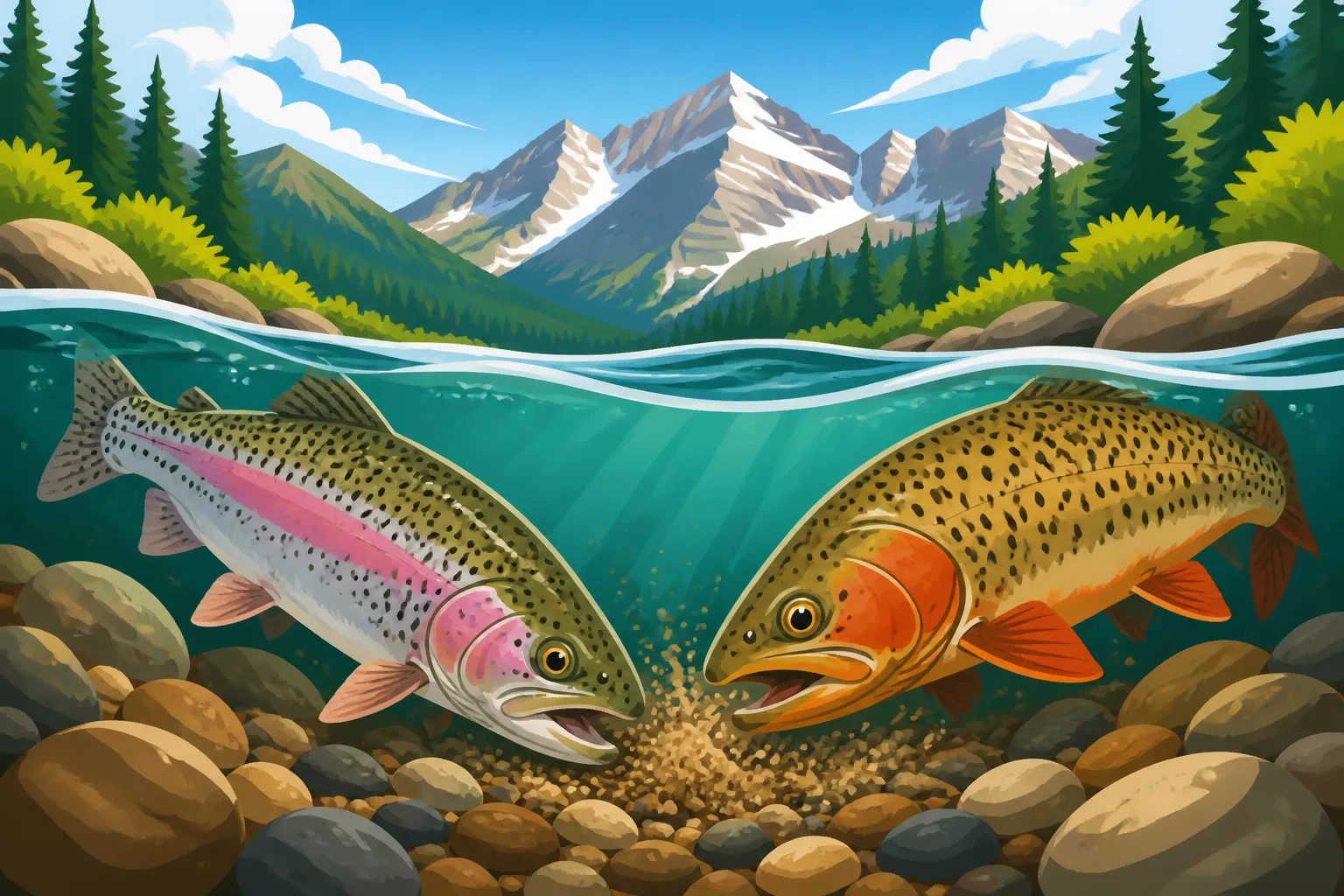
Spotting a rainbow trout actively spawning, or identifying a redd, is a skill every responsible angler should cultivate. Spawning rainbows will often display vibrant, almost neon, lateral bands, and males may develop a distinct "kype" or hooked jaw. You'll see pairs or small groups of fish actively working the gravel. The redd itself will look like a clean, oval-shaped patch of lighter-colored gravel on the streambed, often with a slight depression upstream and a small mound of disturbed gravel downstream. This lighter color is a dead giveaway, as the fish clean away algae and silt to expose fresh, oxygen-rich gravel for their eggs. If you walk along a riverbank and notice several of these bright patches, especially in shallow, flowing water, you've likely found a spawning ground. You might even see the female actively fanning her tail to create the redd, while the male hovers nearby, guarding the area.
Ethical Angling During Rainbow Spawning Season
The golden rule for ethical angling during spawning season is simple: don't target fish on redds. Even if they seem eager to bite, remember their vulnerability. If you see a fish holding in a redd, it's best to move on and find another spot. Instead, focus your efforts on deeper runs, pools, or areas upstream or downstream from known spawning grounds where non-spawning fish might be holding or actively feeding. These fish are often recovering from or preparing for their turn to spawn, or are simply not yet ready to participate. Catch-and-release is always recommended during this sensitive time, especially for rainbows, as they are a key component of Colorado's recreational fisheries. You might also consider using barbless hooks, which can be easily found on platforms like Amazon, to minimize harm if you do accidentally hook a fish that is recovering or on its way to a redd. Remember, our actions today directly impact the health of future trout populations.
Cutthroat Trout Spawning in Colorado: Summer's Delicate Dance
Colorado's native cutthroat trout are a true treasure, and their spawning season offers a different rhythm to the spring-spawning rainbows. Their summer spawning window and preference for higher elevations make them a unique focus for conservation-minded anglers.
Timing and Habitat for Cutthroat Spawning
Unlike rainbows, cutthroat trout in Colorado are primarily spring and summer spawners, typically laying their eggs from late May through early August. This timing is intrinsically linked to the snowmelt, which provides the necessary water levels and temperatures in the high-elevation streams and lakes where many native cutthroat populations reside. As the high country thaws and fills with cool, oxygenated water, cutthroats will move into small, gravelly tributaries or along shallow, protected lake shores. Their spawning grounds are often less obvious than rainbow redds, sometimes hidden in smaller, brush-lined creeks that might seem insignificant. These high-alpine environments are often fragile, making any disturbance during spawning even more impactful. When you're fishing high-country lakes and streams in early summer, especially after a heavy snow year, be extra vigilant for signs of spawning activity.
Identifying Cutthroat Subspecies and Their Spawning Nuances
Colorado is home to several distinct subspecies of cutthroat trout, including the Colorado River cutthroat, Rio Grande cutthroat, and the critically important greenback cutthroat trout. Each of these native fish is a unique genetic lineage, and their spawning success is vital for their survival and recovery. Colorado's Native Cutthroat Trout Subspecies provides a deeper dive into these amazing fish. While their general spawning behavior is similar, the specific locations and exact timing can vary slightly by subspecies and elevation. For example, populations of the Colorado River cutthroat trout might spawn in western slope drainages, while Rio Grande cutthroat trout will be found in the San Luis Valley. Identifying these fish often involves looking for specific spotting patterns, coloration, and of course, the distinctive "cut" mark under their jaw. If you encounter what you suspect is a native cutthroat, exercising extreme caution and practicing diligent catch-and-release is always the best approach, especially during their spawning season.
Protecting Native Cutthroats During Reproduction
Protecting native cutthroat trout during their spawning season is not just a matter of ethics; it's often a legal requirement. Many areas where native cutthroats are found are designated as "special regulation" waters, often with specific closures or catch-and-release only rules during critical spawning periods. Catch-and-Release Rules on Colorado's Cutthroat Waters are particularly stringent in these areas. Disturbing redds or targeting spawning cutthroats can have severe consequences for these often-fragile populations, some of which are still undergoing recovery efforts. Colorado Parks and Wildlife (CPW) works tirelessly to restore and maintain these native fish, and anglers play a crucial role in supporting these efforts. If you're fishing in known cutthroat habitat, especially during the summer, consider carrying a small pair of binoculars to observe the water before wading in, allowing you to spot potential redds or spawning fish from a distance. Always consult the most current Colorado Fishing Regulations Every Angler Should Know before heading out.
Fishing Around Spawning Trout: Strategies and Ethics
So, you want to fish during spawning season, but you also want to do it right. It’s absolutely possible! The key is understanding where to focus your efforts – and perhaps more importantly, where not to. This section will help you develop strategies that allow you to enjoy your time on the water while still respecting the trout's most critical life cycle event.
Identifying Productive Water Away from Spawning Beds
The first and most crucial step is to actively seek out areas where fish are not spawning. While some fish are actively on redds, others will be pre-spawning, post-spawning, or simply non-spawning individuals. These fish still need to eat and recover. Look for deeper pools, undercut banks, current seams, and areas with substantial cover like submerged logs or large rocks. These spots provide refuge and holding areas where fish feel safe and have access to food without the distraction of reproductive duties. In rivers, this might mean focusing on the slower water adjacent to fast currents, or deeper pockets in riffles that are too deep or turbulent for redds. In lakes, search for drop-offs, structure, or areas with slightly cooler water where fish might be staging or recovering. Remember, not every fish in the river spawns at the exact same moment. There’s a progression, and some fish simply won't participate in a given year, especially younger trout.
Effective Techniques for Non-Spawning Trout
Once you've identified appropriate holding water, you can deploy a variety of techniques to target non-spawning trout effectively. Nymphing can be incredibly productive, as many non-spawning fish will still be feeding on subsurface insects. Patterns like stoneflies, caddis larvae, and small midge imitations are excellent choices. For those interested in deeper analysis of this method, consider reading about Nymphing Techniques for Colorado Tailwaters. Streamer fishing can also be highly effective, especially for larger, predatory browns or rainbows that are feeding heavily to build energy or recover. Focus on aggressive retrieves that mimic baitfish or larger prey. If you're spin fishing, small spinners, spoons, or soft plastics can entice a bite. The key is to present your fly or lure naturally to fish that are actively feeding and not distracted by the spawning ritual. Avoid repeated casts into areas where you suspect fish might be holding just off a redd; instead, work a run thoroughly and then move on.
Gear Considerations for Respectful Fishing
Your gear choices can also play a role in respectful angling during spawning season. As mentioned, barbless hooks are highly recommended. They make for quicker, less damaging releases, which is critical for any fish you catch, but especially so if you accidentally hook a fish that is gravid (egg-laden) or recovering. Consider a soft, knotless landing net, readily available on platforms like Amazon, which minimizes harm to the fish's slime coat and fins. A pair of polarized sunglasses is also an invaluable tool for spotting redds and fish in the water, allowing you to avoid disturbing them. When handling fish, do so minimally, with wet hands, and keep them in the water as much as possible. A quick photo, if desired, should be just that – quick – and then release the fish gently, allowing it to swim away on its own power. These small adjustments in gear and handling can make a big difference in ensuring the health of Colorado's trout populations.
Regulation and Conservation Efforts in Colorado
Colorado Parks and Wildlife (CPW) plays a vital role in managing the state's fisheries, and their regulations are designed with conservation in mind, especially during spawning seasons. Understanding and adhering to these rules is a fundamental responsibility for every angler.
Colorado Parks and Wildlife Regulations on Spawning Areas
CPW implements specific regulations to protect spawning trout, which can include temporary closures of certain stretches of river or lake shores, reduced bag limits, or even a ban on certain types of bait or tackle during sensitive times. These rules are not arbitrary; they are based on scientific data and aimed at minimizing human impact during critical reproductive phases. For instance, some Gold Medal Waters might have specific Colorado Gold Medal Water Regulations Explained that include seasonal restrictions to protect wild trout. It's not uncommon to see signs posted along popular fishing access points, especially on rivers like the South Platte or Fryingpan, indicating redd closures or other restrictions. Always check the current CPW fishing regulations brochure, which you can often find online or at local sporting goods stores. This brochure is your definitive guide to what's legal and what's not, and ignorance is no excuse when it comes to protecting our fish.
How Anglers Contribute to Healthy Trout Populations
Beyond following regulations, individual anglers contribute significantly to healthy trout populations through responsible practices. Practicing diligent catch-and-release, especially for large, wild, or native trout, allows those fish to return to the gene pool and contribute to future generations. Reporting unusual observations, such as excessive poaching or habitat destruction, to CPW can also help enforcement and conservation efforts. Participating in stream cleanups or habitat restoration projects, even if it's just picking up litter along the bank during your fishing trip, makes a tangible difference. Many local fly shops and conservation organizations, like Trout Unlimited chapters, offer opportunities to get involved directly in stream stewardship. Every little bit helps ensure that the vibrant fisheries we enjoy today will be there for our children and grandchildren.
Understanding Spawning Closures and Restrictions
It can be frustrating to plan a trip to a favorite fishing spot only to find it's closed due to spawning season. However, understanding the why behind these closures helps put it into perspective. CPW might close off specific sections of rivers or lakes known for heavy spawning activity to give the fish undisturbed space to reproduce. This is particularly true for vulnerable species or populations undergoing recovery, such as some of our native cutthroats. For example, you might find certain stretches of the Fryingpan River or the Dream Stream closed during peak spawning times. These closures ensure that the fish can lay and fertilize their eggs without constant disturbance from wading anglers, casting lines, or accidental encounters. While inconvenient, these measures are vital for ensuring the long-term health and abundance of our trout populations. Always consult the official CPW website or the annual fishing brochure for the most up-to-date information on any closures or special regulations before you head out, and consider investing in a portable charger, also available on Amazon, to ensure your phone has enough battery to access digital regulations on the go.
Trout Spawning Differences: Rainbows vs. Cutthroats
Understanding the distinct characteristics of rainbow and cutthroat spawning is essential for responsible and effective fishing in Colorado. While both species are trout, their reproductive strategies, timing, and preferred habitats differ significantly.
| Feature | Rainbow Trout | Cutthroat Trout |
|---|---|---|
| Primary Spawning Season | Spring (March – May) | Spring – Summer (Late May – Early August) |
| Preferred Water Temp | 44-50°F (6-10°C) | 40-50°F (4-10°C), often cooler, higher elevation water |
| Typical Habitat | Rivers, streams, lake tributaries; lower to mid-elevations; often near stocked areas | High-elevation streams, small tributaries, alpine lakes; native range often remote |
| Redd Appearance | Often larger, more distinct bright oval patches on gravel streambeds | Can be smaller, less obvious, in smaller streams or lake margins |
| Aggression on Redds | Can be highly aggressive and territorial | Also territorial, but often more wary due to natural predation |
| Conservation Status | Widely stocked, robust populations in many areas | Native, often fragile, and subject to specific recovery and protection efforts |
| Key Identifying Mark | Distinct red/pink lateral stripe, dark spots on body and tail | Red/orange "cut" mark under lower jaw, fine spots, often more golden hue |
Disclaimer
The information provided in this guide is for general informational purposes only and is not a substitute for official regulations. Always consult the current Colorado Parks and Wildlife (CPW) fishing regulations brochure or visit the official CPW website for the most accurate and up-to-date rules and regulations before fishing in Colorado. Fishing regulations are subject to change.