Matching the Hatch on Colorado’s Tailwaters
There’s nothing quite as humbling, or frankly, as infuriating, as standing on a crystal-clear Colorado tailwater, watching beautiful trout sip insects off the surface with absolute disdain for your offerings. It’s a scene many of us have faced, leaving us scratching our heads and questioning our life choices. This guide is here to unravel the mystery of "matching the hatch" on Colorado's selective tailwaters, transforming those frustrating moments into rewarding connections with some of the state's most challenging, yet spectacular, fish.
Understanding Colorado's Tailwater Ecosystems
Colorado's tailwaters are truly unique environments. Unlike freestone rivers that rise and fall with the seasons and storms, tailwaters are born from the controlled releases of large dams. This stable environment creates conditions unlike almost anywhere else, fostering incredible insect diversity and growing some of the largest, most educated trout you'll encounter.
What Makes Tailwaters Unique?
The magic of a tailwater lies in its consistency. The water temperature, flow rates, and nutrient levels are largely regulated by the dam upstream. For us anglers, this means a few critical things. First, water temperatures remain relatively stable year-round, often staying warmer in winter and cooler in summer than comparable freestone sections. This stability allows aquatic insects to thrive, leading to prolific hatches that can occur even in the coldest months. Think of places like the Fryingpan River below Ruedi Reservoir, the Taylor River below Taylor Park Dam, or the Blue River below Dillon Reservoir; these fisheries are renowned for their consistent conditions and the sheer biomass of insects they support. This abundance of food means trout rarely have to work hard for a meal, making them incredibly discerning.
Key Hatches and Their Timing
While specific timings can vary slightly each year based on snowpack and release schedules, Colorado's tailwaters generally follow a predictable pattern of hatches. Midges are the unsung heroes, present and hatching virtually every day of the year, providing a consistent food source even when nothing else is going on. Blue-Winged Olives (BWOs) are another staple, often appearing in force during overcast, damp days in spring and fall, but also showing up sporadically throughout summer and winter. Caddisflies tend to be more prevalent in warmer months, with various species emerging from late spring through early fall. Stoneflies, though less dominant than on freestone rivers, can provide crucial meals, especially the smaller golden stones and yellow sallies. Understanding these general cycles is the first step in being prepared for what the trout might be eating.
The Finicky Nature of Tailwater Trout
Let's be honest, tailwater trout can be absolute snobs. They see hundreds, if not thousands, of flies drifting by them every single day. This constant parade of food, combined with the often gin-clear water, makes them incredibly wary and selective. They've seen every trick in the book. A perfect drift, an exact imitation in size and color, and the right presentation depth are paramount. A slight drag on your fly, a shimmer of an unnatural leader, or an imitation that's just a half-size off can send them bolting or, more commonly, simply ignoring your offering. It's not about being a bad angler; it's about respecting the intelligence these fish develop in such high-pressure, high-food environments.
The Core Principles of Matching the Hatch
Matching the hatch isn't just about grabbing a fly that looks similar to the bugs you see flying around. It's a nuanced art form that combines keen observation, thoughtful fly selection, and precise presentation. Think of it as a three-legged stool: if one leg is missing, the whole thing falls over.
Size, Shape, and Color
These are the foundational elements of imitation. Trout aren't just looking for "a bug"; they're looking for the bug.
- Size: This is often the most critical factor. If you see tiny midges, a size 18 BWO pattern isn't going to cut it. Always carry a wide range of sizes for your most common patterns. A good rule of thumb is to start with the size you think is right, then go one size smaller if you're getting refusals. For example, if you're on the Fryingpan and seeing size 20 midges, trying a size 22 or even 24 can make all the difference. Many anglers find a small "bug-measuring" tool, readily available on Amazon, invaluable for accurately gaging insect size.
- Shape: Is the insect long and slender like a BWO nymph, or stout and squat like a caddisfly larva? Does it have a distinct wing profile when it's emerging? The silhouette your fly creates in the water is crucial. Trout often key in on the overall body profile and the presence (or absence) of wings. Pay attention to whether the natural insect is streamlined, segmented, or perhaps has a bulkier thorax.
- Color: While trout can perceive color, clarity of the water and light conditions play a huge role. On overcast days, darker patterns might stand out better, while in bright sunlight, a more muted or translucent pattern could be more effective. Often, subtle variations in color, like a different shade of olive or brown, can make a huge impact. For instance, some BWO hatches have a distinct olive-brown tint, while others are a true grey-olive. Having a selection of these nuances in your fly box is vital.
Presentation Matters Most
You can have the most perfectly tied, scientifically accurate fly in the world, but if your presentation is sloppy, you might as well be throwing a bare hook. Trout, especially in the clear, slow-moving sections of tailwaters, are hyper-aware of unnatural movements.
- Drift: This is paramount. Your fly needs to drift at the exact same speed as the natural current, without any drag. Drag occurs when your fly line or leader pulls the fly unnaturally through the water. Mastering a "drag-free drift" often involves careful mending (adjusting your line mid-drift) and strategic casting angles. Learning specific techniques like those described in our article on Nymphing Techniques for Colorado Tailwaters or Dry Fly Fishing Colorado's Freestone Rivers (many principles apply to tailwaters too) is critical.
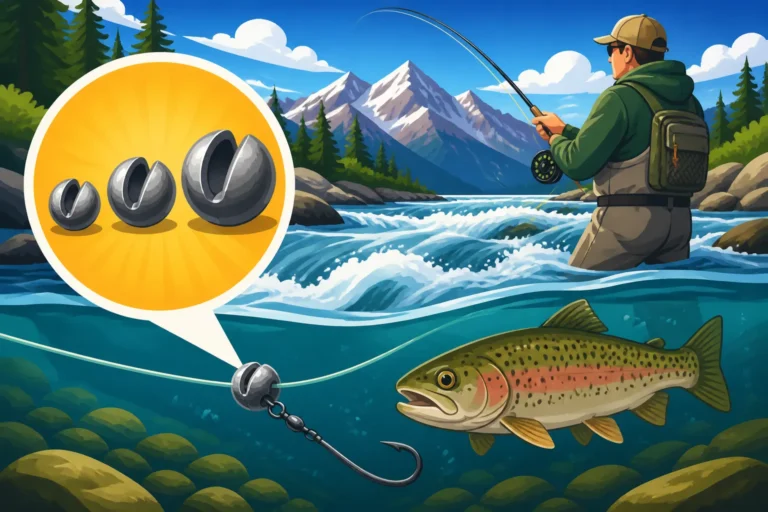
- Depth: When nymphing or fishing emergers, getting your fly to the correct depth is non-negotiable. Trout are often feeding in a very specific water column. This might mean adding or subtracting split shot, adjusting the depth of your indicator, or changing the weight of your nymph. Experimentation is key; if you're not getting bites, try adjusting your depth by a few inches at a time.
- Stealth: Approach is everything. These fish are easily spooked. Move slowly, stay low, and make long, accurate casts to avoid lining the fish (where your line lands directly over them). The clearer the water, the more stealth you need. On highly pressured rivers like the South Platte below Cheesman Canyon, a noisy approach will often send fish fleeing before you even make a cast.
Observational Skills: Your Best Weapon
Before you even tie on a fly, take a moment to observe. This isn't just a suggestion; it's a non-negotiable step in successful tailwater fishing.
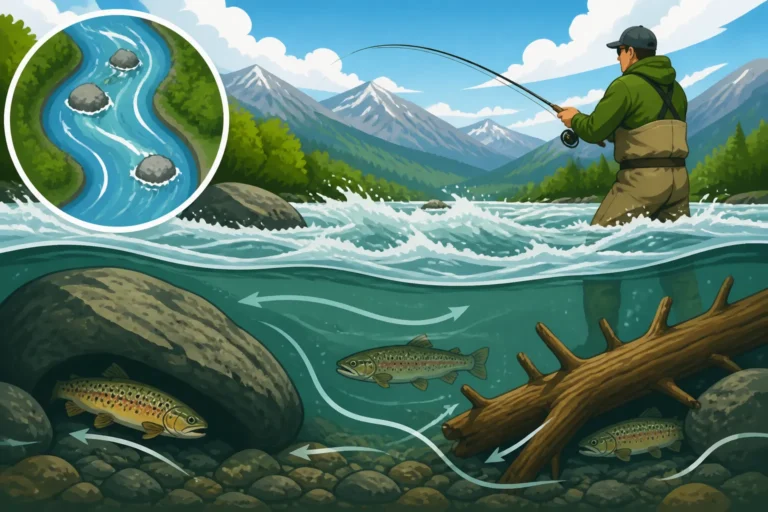
- Reading the Water: Look for rising fish. Are they dimpling the surface gently (midges, tiny mayflies)? Are they making a splashing rise (caddis)? Are they bulging just below the surface (emergers)? Each type of rise tells you something about what they're eating and how they're eating it. Our guide on Reading Water on a Colorado Freestone River provides excellent foundational knowledge that can be adapted to tailwater scenarios.
- Trout Behavior: Are the fish moving a lot, or are they holding in one spot? Are they actively cruising for food, or subtly sipping bugs drifting directly to them? Tailwater trout often develop distinct feeding lanes. A fish rising repeatedly in the same spot is likely locked into a specific food source, making it a prime candidate for a perfectly matched hatch.
- Sampling the Naturals: This is perhaps the most direct way to match the hatch. Use a small net to collect insects drifting in the current, or gently flip over rocks to see what nymphs are clinging to the bottom. Observe their size, shape, and color. Even catching one natural on your hand can give you invaluable information. Keep a small magnifier (you can find affordable ones on Amazon) in your vest for those tiny midges.
Identifying Key Colorado Tailwater Insects
Colorado's tailwaters are bustling metropolises of aquatic insect life. Knowing the major players and their life cycles is paramount to successful fly selection.
Midges: The Year-Round Staple
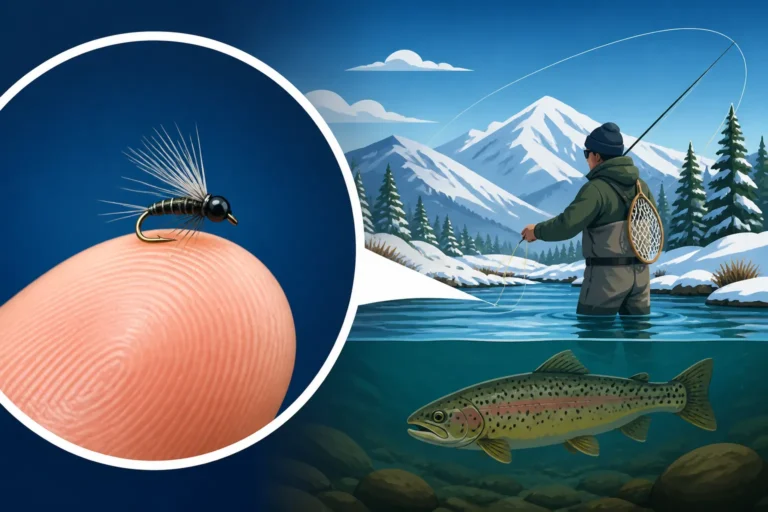
Midges (Chironomidae) are the unsung heroes of tailwater fisheries. They are present in almost every water body and hatch throughout the entire year, even in the dead of winter. If you're seeing small sips and dimples on the surface, especially on cold, clear days, chances are trout are keying in on adult midges.
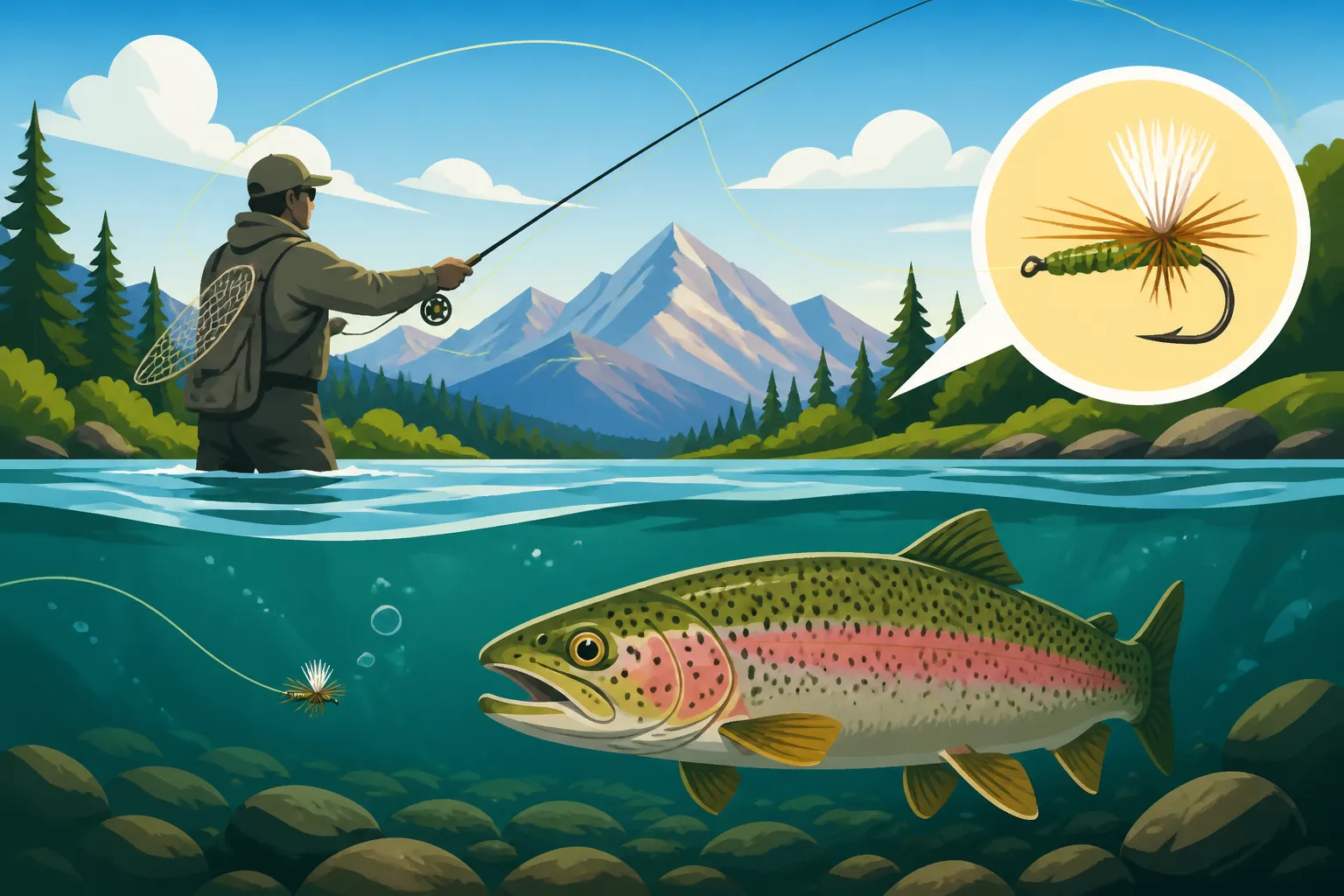
- Life Cycle & Patterns: Midges undergo a complete metamorphosis: egg, larva, pupa, and adult. The larval stage is a small, worm-like creature often found in muddy bottoms or clinging to rocks. Pupa ascent through the water column, becoming a prime food source. The adult stage, often tiny, is what you'll see on the surface. For patterns, think Zebra Midges and Mercury Black Beauties for larvae/pupae (sizes 18-24). For emergers, try Griffith's Gnats or Top Secret Midges. And for adults, a standard Parachute Adams in a small size (20-24) can often fool them, or specialized tiny adult midge patterns. You can find excellent selections of these tiny flies on Amazon.
- Fishing Techniques: When midge fishing in Colorado winters, a subtle approach is key. For subsurface pupa, a two-nymph rig with a small indicator and light tippet (6x-7x) is effective. For adults, a perfect drag-free drift with ultra-fine tippet (7x-8x) is critical. Trout often take these tiny flies with almost imperceptible sips, so watch your leader for any hesitation.
Blue-Winged Olives (BWO): The Abundant Mayfly
Blue-Winged Olives (Baetis species) are arguably the most prolific mayflies on Colorado's tailwaters. They're famous for their blanket hatches, especially on cloudy, drizzly days when other insects might not be as active. Their presence can bring even the most selective trout to the surface.
- Life Cycle & Patterns: BWOs also have a complete metamorphosis, but their nymph stage is particularly important. These small, flat-bodied nymphs are excellent swimmers. They crawl along the bottom and then swim to the surface to emerge as adults. Hatches are most common in spring (March-May) and fall (September-November), but smaller hatches can occur year-round. For nymphs, think Juju Baetis, Barr's Emerger, or a simple Pheasant Tail (sizes 18-22). For emergers, a Sparkle Dun or RS2 is excellent. For adults, a Parachute BWO, Extended Body BWO, or a Comparadun BWO (sizes 18-22) are go-to patterns. Check out our specific guide on Fly Selection for Colorado's Blue-Wing Olive Hatch for more detailed recommendations.
- Timing & Conditions: BWOs love overcast, drizzly conditions. The low light and moisture help them emerge more successfully. If you see these conditions, especially during spring and fall, be prepared for a BWO hatch. Trout can become incredibly selective, focusing only on the exact emerger or adult stage.
Caddisflies: The Opportunistic Eater
Caddisflies are another widespread insect in Colorado tailwaters, often providing a welcome alternative to the tiny midges and BWOs. Their erratic flight and splashy emergence can excite trout, sometimes leading to more aggressive takes.
- Life Cycle & Patterns: Caddis undergo a complete metamorphosis. Their larval stage is often found in cases made of small pebbles or debris. When they are ready to emerge, they float to the surface, and the adult flies off. They typically hatch in warmer months, from late spring through early fall. Common patterns include the LaFontaine's Sparkle Pupa or a simple Caddis Larva (green or tan, sizes 14-18) for subsurface. For adults, the Elk Hair Caddis, Goddard Caddis, or a Stimulator (sizes 14-18) are excellent choices. Our article on Fly Selection for Colorado's Caddis Hatch dives deeper into patterns.
- Different Species: There are many species of caddis, varying in size and color. The Mother's Day caddis hatch (a large tan caddis) can be an explosion of activity on some rivers, leading to aggressive topwater takes. Pay attention to the size and color of the caddis you observe, as they can range from tiny olive caddis to larger tan and brown varieties.
Stoneflies and Terrestrials
While not as consistently dominant as midges or BWOs, stoneflies and terrestrials play crucial roles during specific times of the year, especially on tailwaters that have slightly more diverse bottom substrate or proximity to grassy banks.
- Stoneflies: Smaller stoneflies like Yellow Sallies (sizes 14-18) can be a significant food source in early summer. Their nymphs are crawlers, often found under rocks. Larger stoneflies, like golden stones or salmonflies, are less common on pure tailwaters but can be present if the river flows through varied habitat. Patterns include a Pat's Rubber Legs or a 20 Incher Stone for nymphs, and a Stimulator or a yellow or golden stonefly dry for adults. Explore our guide on Fly Selection for Colorado's Stonefly Hatch for more ideas.
- Terrestrials: Grasshoppers, ants, and beetles fall into this category. They aren't aquatic insects but become important food sources when they fall or are blown into the water, particularly during late summer and early fall. When fishing near grassy banks on a warm, breezy day, a large hopper pattern, a black ant, or a beetle can often entice a large trout, even if no aquatic hatch is occurring. The Arkansas River, for example, can have some fantastic terrestrial fishing in the warmer months.
Tailwater Insect Hatch Overview
Here’s a quick overview of some common Colorado tailwater hatches and their typical peak seasons and recommended fly sizes:
| Insect Type | Peak Season | Common Sizes | Key Patterns (Nymph/Dry) | Notes |
|---|---|---|---|---|
| Midges | Year-round (especially winter) | 18-26 | Zebra Midge / Griffith's Gnat | Crucial in cold weather, tiny sips. |
| Blue-Winged Olives | Spring (Mar-May), Fall (Sep-Nov) | 18-22 | Juju Baetis / Parachute BWO | Overcast days are prime for adults. |
| Caddisflies | Late Spring-Early Fall (May-Sep) | 14-18 | LaFontaine's Sparkle Pupa / Elk Hair Caddis | Erratic rise, various colors. |
| Tricos | Summer (Jul-Aug), mornings | 20-26 | Black Beauty / Trico Spinner | Tiny, important spinner falls at dawn. |
| Stoneflies | Early Summer (May-Jul) | 12-18 | Pat's Rubber Legs / Yellow Sally | Less common on pure tailwaters, but present. |
| Terrestrials | Late Summer-Early Fall (Jul-Oct) | 10-16 | Foam Hopper / Ant / Beetle | Fish near grassy banks, windy days. |
Advanced Strategies for Tricky Tailwaters
Sometimes, simply putting a standard dry fly or nymph out there isn't enough. Tailwater trout, as we've discussed, can be exceptionally particular. This is where getting into the "in-between" stages and mastering subsurface presentations becomes critical.
Emergers and Cripples: The In-Between Stages
Trout are smart. They know that emerging insects, struggling to break through the surface film or with malformed wings, are easy targets. These "cripples" or "emergers" are often more vulnerable than a fully-formed adult or a deep-drifting nymph, and trout will frequently key in on them exclusively.
- Why They're Effective: Imagine an insect struggling to shed its nymphal shuck, or an adult with waterlogged wings. These insects can't escape quickly, making them irresistible to hungry trout. Many experienced anglers will tell you that a fish refusing a perfect dry fly will often eat a perfectly presented emerger. These patterns represent the transition from nymph to adult, making them incredibly potent. Patterns like a CDC Comparadun, Sparkle Duns, or the venerable RS2 are designed to imitate these vulnerable stages, sitting "in" or "just below" the surface film.
- Presentation Nuances: When fishing emergers, the key is to present them in the surface film. A short leader, or a dry-dropper rig with a buoyant dry fly supporting a small emerger below it, can be very effective. Look for fish that are bulging just below the surface, or making subtle sips without fully breaking the water. This is a classic sign they are taking emergers.
Fishing Subsurface: Nymphing the Depths
While the thrill of a dry fly take is unmatched, the vast majority of a trout's diet comes from subsurface insects. Nymphing is, without a doubt, the most consistently productive method on Colorado's tailwaters, especially when no visible hatch is occurring.
- High-Sticking and Indicator Nymphing: These are the bread and butter of subsurface fishing. High-sticking, or Euro Nymphing, involves keeping as much line off the water as possible, using a long rod and sensitive leader to detect subtle takes. This method allows for incredible control over drift and depth in complex currents. Indicator nymphing, on the other hand, uses a small float to suspend your flies at a predetermined depth, allowing you to cover water more efficiently. The key to both is getting your flies down to where the trout are feeding, whether that's right on the bottom or suspended in the middle of the water column. You'll often be using multiple flies, mimicking different stages or species. For more in-depth advice, our article on Nymphing Techniques for Colorado Tailwaters is a fantastic resource.
- Reading Subsurface Takes: Unlike a splashy dry fly take, subsurface takes can be incredibly subtle. A slight twitch of your indicator, a hesitation in its drift, or an unnatural movement of your line might be the only sign. Practice and focus are essential. Many anglers miss more fish than they hook when nymphing because they don't react quickly enough to these subtle cues.
The Art of the Micro-Hatch
Sometimes, especially on heavily fished tailwaters like the Dream Stream (the South Platte between Spinney Mountain and Eleven Mile Reservoirs), the hatch might be so tiny that it's almost invisible to the naked eye. These are the "micro-hatches," often involving midges or very small mayflies.
- Tiny Bugs, Tiny Flies, Perfect Drifts: This is where your smallest flies and lightest tippet come into play. We're talking sizes 24-28, and tippets as fine as 7x or even 8x. The challenge here is tying on these microscopic patterns and maintaining a truly drag-free drift with such fine line. Magnification (either clip-on lenses for your glasses or a small lanyard magnifier from Amazon) becomes almost a necessity. When fish are rising to these micro-hatches, they are usually incredibly selective and will instantly reject anything that isn't absolutely perfect. This level of finesse is often what separates a truly successful tailwater angler from one who goes home frustrated.
- Finding the Feeding Lane: With micro-hatches, trout are often holding in very specific, often slow-moving, feeding lanes. Identifying these lanes and repeatedly placing your tiny fly directly in them, without disturbing the water, is critical. Even a slight ripple from your line landing too heavy can send these wary trout diving for cover.
Essential Gear and Fly Box Staples
Having the right tools and flies in your arsenal can make all the difference when those selective tailwater trout start to look at your offerings. It’s not just about having a fly, but having the right fly and the equipment to present it effectively.
Tippet and Leaders for Selective Fish
On Colorado's clear, often slow-moving tailwaters, your leader and tippet choice are almost as important as your fly selection. Heavy, bright line will spook fish instantly.
- Fluorocarbon vs. Monofilament: For nymphing, fluorocarbon tippet is often preferred because it sinks faster and is nearly invisible underwater. Brands like Seaguar or Rio make excellent fluorocarbon tippet that you can find at any local fly shop or on Amazon. For dry fly fishing, a good quality monofilament tippet is often sufficient, as it floats better and can aid in presentation. The key is to use the lightest tippet possible (5x, 6x, 7x, or even 8x for those tiny midges) that won't break when fighting a fish. Remember our guide on How Fine a Tippet You Need for Selective Tailwater Trout for more specific recommendations.
- Leader Length and Taper: A longer leader (9-12 feet, sometimes even longer for dry fly fishing) helps create distance between your brightly colored fly line and the fish. A properly tapered leader ensures a smooth transfer of energy from your fly line to your fly, allowing for delicate presentations. When fishing particularly spooky fish, adding an extra section of light tippet can make all the difference. Our article on Best Leader Length for Clear Tailwater Water can help you choose.
Must-Have Fly Patterns for Colorado Tailwaters
While every angler has their favorites, certain patterns consistently produce on Colorado's tailwaters. A well-stocked fly box includes a variety of sizes and colors for these staples.
- Midges:
- Nymphs/Pupa: Zebra Midge (black, red, olive), Mercury Black Beauty, Top Secret Midge, Disco Midge (sizes 18-26).
- Emergers/Adults: Griffith's Gnat, Matt's Midge, Parachute Adams (small, sizes 20-26).
- Blue-Winged Olives (BWOs):
- Nymphs: Juju Baetis, Barr's Emerger, Pheasant Tail (sizes 18-22).
- Emergers/Cripples: Sparkle Dun BWO, RS2, Harrop's CDC Comparadun (sizes 18-22).
- Adults: Parachute BWO, Extended Body BWO, Comparadun BWO (sizes 18-22). For more, see Matching a Blue-Wing Olive Hatch on a Colorado Tailwater.
- Caddisflies:
- Larva/Pupa: LaFontaine's Sparkle Pupa, Chartreuse Caddis Larva, Hare's Ear (sizes 14-18).
- Adults: Elk Hair Caddis (tan, olive, brown), Goddard Caddis, Stimulator (sizes 14-18). Our article on Matching a Caddis Hatch on a Colorado River provides excellent specifics.
- Stoneflies & Terrestrials (seasonal):
- Nymphs: Pat's Rubber Legs, 20 Incher Stone (sizes 8-14).
- Adults/Terrestrials: Foam Hopper, Ants (black, cinnamon), Beetles (black, brown), Stimulator (sizes 10-16). You can find some fantastic variety packs for terrestrials on Amazon.
Remember, having these in multiple sizes and subtle color variations is key. You can also pick up a copy of "Colorado's Best Fishing" by Greg McReynolds, which often details specific fly patterns for different Gold Medal Waters.
Tools for the Savvy Angler
Beyond rods, reels, and waders, a few specific tools can significantly enhance your ability to match the hatch and improve your overall success.
- Magnifier: For identifying tiny insects (especially midges) or tying on small flies, a small magnifier that clips to your hat or vest, or a lanyard-style magnifier, is invaluable. You'll wonder how you ever fished without one once you start using it.
- Thermometer: Water temperature dramatically affects insect activity and trout behavior. A small stream thermometer helps you understand what insects might be active and why trout are feeding (or not feeding).
- Forceps/Hemostats: For safely removing flies, especially from small-mouthed trout or when dealing with tiny hooks.
- Net: A good quality, rubberized net is crucial for safely landing and releasing fish, especially on Gold Medal Waters where catch-and-release is often practiced. Our guide on Colorado Fishing Regulations Every Angler Should Know details the importance of ethical angling.
Matching the hatch on Colorado's tailwaters is a lifelong pursuit, filled with learning, adaptation, and occasional moments of pure magic. It demands patience, keen observation, and a willingness to embrace the subtle art of imitation. But the reward – tricking one of those notoriously picky tailwater trout – is truly one of the most satisfying experiences in fly fishing.
Disclaimer
Fishing regulations, conditions, and fish behavior can change rapidly. Always consult the most current Colorado Parks and Wildlife regulations before heading out, respect private property, and practice Leave No Trace principles. This guide is for informational purposes only and does not guarantee fishing success.