Matching a Blue-Wing Olive Hatch on a Colorado Tailwater
There’s nothing quite as frustrating as showing up at your favorite Colorado tailwater, seeing trout rising all around you, and throwing everything but the kitchen sink at them only to come up empty-handed. Those tiny, olive-colored bugs dotting the water's surface signal a Blue-Wing Olive (BWO) hatch, and they can be incredibly challenging to match. This guide will walk you through everything you need to know to decipher the BWO hatch and increase your success on Colorado's finicky tailwater trout.
Understanding the Blue-Wing Olive Hatch Cycle
Blue-Wing Olives, or BWOs, are a staple insect in coldwater environments, particularly in the consistent flows of tailwater fisheries. Their presence is a good sign for anglers, but their small size and specific lifecycle stages mean you need to be dialed into their rhythm to truly match the hatch.
The Life Cycle of a BWO
Like all mayflies, BWOs go through distinct life stages: egg, nymph, emerger, dun (adult), and spinner. Each stage presents a different meal opportunity for trout, and knowing what to imitate at any given moment is critical.
The nymph stage is where they spend most of their lives, clinging to the river bottom, sifting through detritus. When the conditions are right, they begin to "emerge," swimming to the surface, shedding their nymphal shuck, and transforming into a winged adult. This emerger stage is often the most vulnerable for the insect and a prime feeding opportunity for trout, as the bugs are trapped in the surface film.
Once they successfully emerge, they become duns, which are the familiar winged adults you see floating on the surface. These are the bugs that often trigger those classic, subtle rises. After a period of flying, often to safer bankside vegetation, they transform one last time into spinners. Spinners are the sexually mature adults that mate in the air and then fall back to the water's surface, often en masse, to lay their eggs before dying. This "spinner fall" can be another incredible feeding event, as the trout gorge on these easy, spent insects.
When and Where to Find BWOs in Colorado
BWOs are a cool-weather insect, thriving in the typically colder, more stable environments of Colorado's tailwaters. You'll generally find their most prolific hatches in the spring (typically March through May) and again in the fall (September through November). However, don't be surprised to see smaller, intermittent hatches on mild winter days or even on particularly overcast summer days, especially on high-elevation tailwaters.
The perfect BWO day often involves cloudy skies, cool temperatures, and sometimes a light drizzle. These conditions prolong the insects' emergence and keep them on the water longer, giving trout more time to key in on them. Tailwaters, rivers flowing out of the bottom of large dams, are absolute BWO factories because they provide a stable, nutrient-rich environment with consistent water temperatures. Think of places like the Fryingpan River near Basalt, the South Platte River's renowned Dream Stream and Deckers sections, or the Blue River below Dillon Reservoir. These are prime spots where you'll want to be ready for a BWO event. For deeper insights into managing fishing during specific times, consider reading about Colorado's Fishing Seasons Month by Month.
Essential Gear for BWO Hatches
Successfully matching a BWO hatch isn't just about having the right fly; it's also about having the right tackle and knowing how to present it delicately. These are small insects, often found in clear, slow-moving water, making trout incredibly wary.
Rod, Reel, and Line Selection
When targeting trout during a BWO hatch, subtlety is your best friend. A light-action fly rod, typically a 3-weight or 4-weight, is ideal. These rods allow for delicate presentations of tiny flies and protect the incredibly fine tippet you'll be using. While a 5-weight can work, you'll find the lighter rod gives you an advantage in finesse. Pair this with a matching reel that balances the rod and a weight-forward floating fly line. The floating line is crucial for achieving drag-free drifts, especially when fishing dry flies or emergers in the surface film.
The most critical component, however, is your leader and tippet. Because BWO patterns are so small, usually sizes #18-22, you'll need long leaders (9-12 feet) tapering down to fine tippet, often 5x, 6x, or even 7x fluorocarbon or monofilament. Fluorocarbon is a popular choice for nymphs and emergers due to its invisibility underwater and its fast sink rate, while monofilament can be excellent for dry flies due to its buoyancy. Choosing the Best Leader Length for Clear Tailwater Water and understanding How Fine a Tippet You Need for Selective Tailwater Trout can make or break your day. Remember, the goal is stealth; too heavy a tippet or too short a leader will often spook fish in these clear conditions.
Must-Have Fly Patterns and Sizes
Your fly box needs to be well-stocked with a variety of BWO imitations across all life stages, and in a range of sizes. Most BWO patterns will fall in the #18 to #22 range, though occasionally you might find a larger #16 or a minuscule #24.
Here's a breakdown of essential patterns:
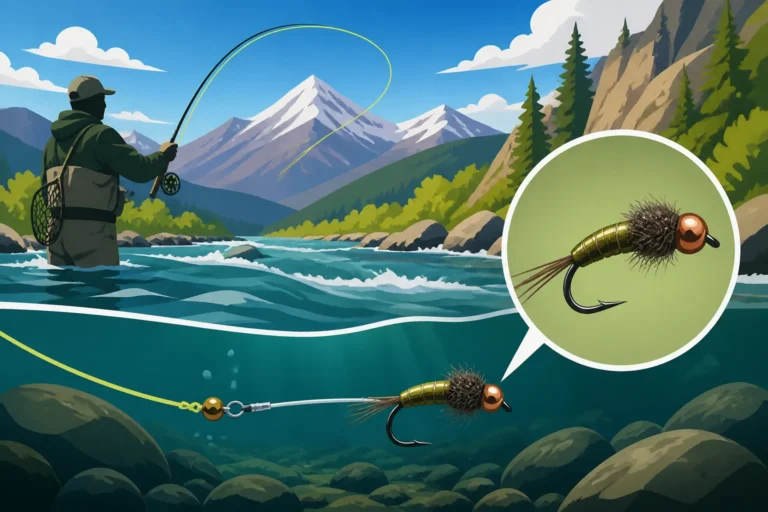
- Nymphs: Even when trout are rising, they're often feeding heavily on nymphs just below the surface. Good patterns include the Pheasant Tail Nymph, Barr's Emerger, RS2, and the Jujubee Midge. These imitate the swimming nymph or the struggling emerger just before it breaks the surface. Having these in olive, black, and gray can be beneficial. Many anglers also find that purchasing a reliable selection of small nymphs from retailers like Amazon before their trip can ensure they have the right variety.
- Emergers: This stage is frequently overlooked but can be incredibly effective. Trout often key in on emergers that are stuck in the surface film or just below it. Patterns like the Sparkle Dun (BWO variation), Loopwing Emerger, and CDC Comparadun are fantastic choices. They often feature a trailing shuck or a CDC wing that mimics the delicate nature of the emerging insect.
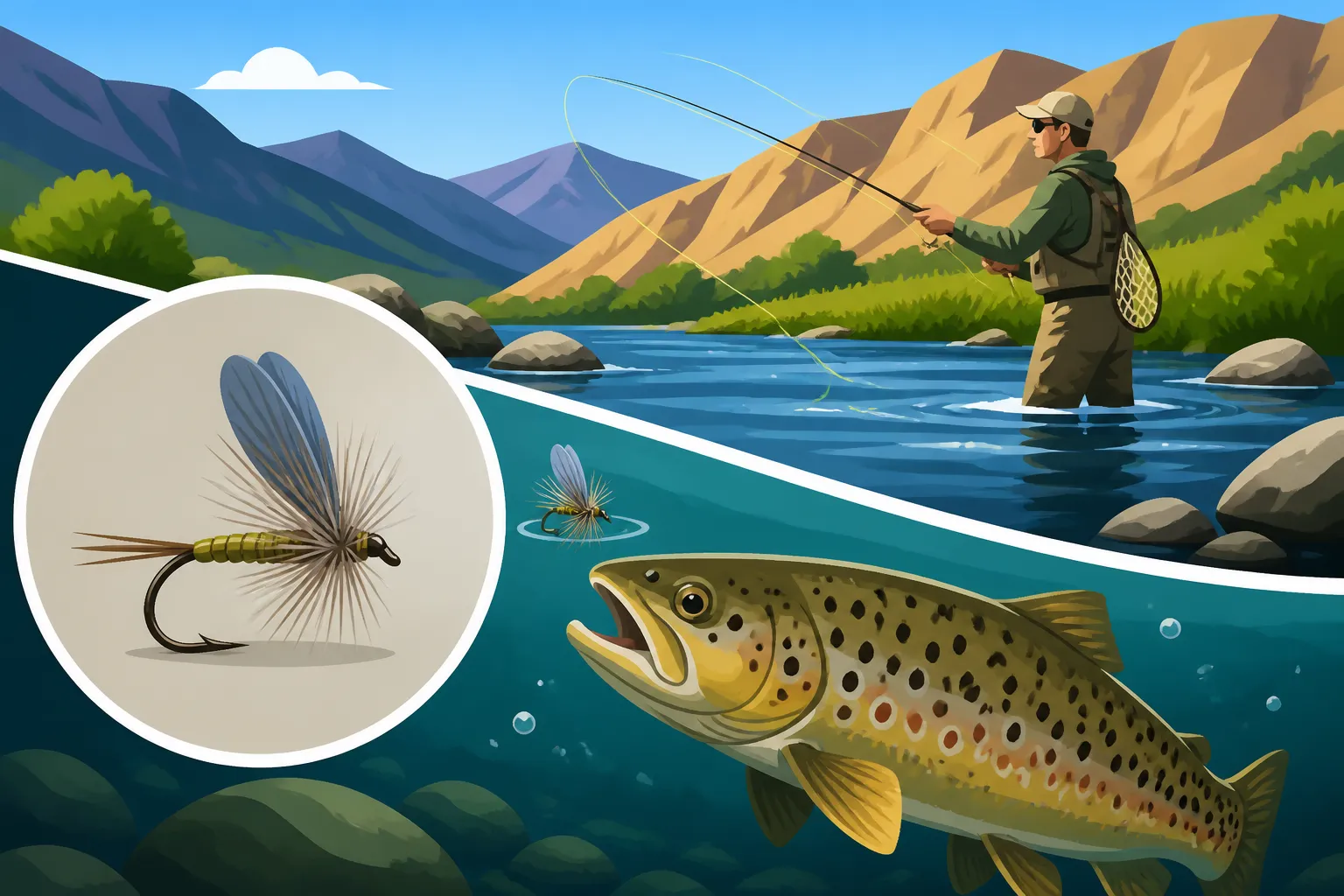
- Duns: These are the adult mayflies floating on the surface. Classic patterns include the Parachute Adams (with an olive body), the F-Fly, and Harrop's CDC Thorax Dun. These should be tied to sit low in the water, just like the naturals. Your Fly Selection for Colorado's Blue-Wing Olive Hatch will be critical here.
- Spinners: During a spinner fall, trout will switch to these easy meals. Patterns like the BWO Spinner or a generic Rusty Spinner (in appropriate small sizes) can be deadly. They imitate the spent, dead insect with wings splayed out on the water.
It's vital to carry slight variations in color, such as different shades of olive, gray, and even some with a touch of brown, as the natural insects can vary. Always have several of each pattern in at least two different sizes (e.g., #18 and #20) to accommodate picky fish.
Tactical Approaches to Fishing the BWO Hatch
Just having the right flies isn't enough; you need to understand how trout feed during these hatches and adjust your presentation accordingly. Tailwater trout are notoriously selective and will reject anything that looks even slightly unnatural.
Reading the Water and Trout Behavior
The first step to success is observing the trout's feeding behavior. During a BWO hatch, trout rises can be incredibly subtle, often just a "sip" or a "dimple" on the surface, especially if they are feeding on emergers or duns that sit low in the water. An aggressive splashy rise is rare. Take your time to watch where they are rising and how they are rising.
Are they consistently rising in a particular current seam, behind a large rock, or in a slow eddy? Are they tipping up to take something just below the surface, or are their noses breaking the film more consistently? These observations dictate whether you should fish an emerger, a dry fly, or even a nymph. Sometimes, trout will appear to be rising, but they are actually feeding on tiny midges or even small nymphs dislodged by the current. Be mindful of "sucker fish" rises – these are often very subtle sips by fish like whitefish or suckers that aren't targeting your trout-specific fly. Understanding Reading Water on a Colorado Freestone River provides a solid foundation, which can be adapted to tailwater conditions.
Wind and light conditions also play a huge role. On blustery days, trout may seek calmer pockets, making accurate casting challenging but rewarding. On clear, sunny days, hatches might be sparse, and fish might be extremely spooky, requiring even finer tippets and longer leaders.
Presentation and Drift Strategies
The golden rule for BWO hatches on tailwaters is a drag-free drift. Any unnatural movement of your fly on the water's surface will almost certainly result in a refusal.
- Upstream Casts and Mending: Position yourself downstream and slightly to the side of rising fish. Cast upstream beyond the fish, allowing your fly to drift naturally back into their feeding lane. Immediately after your cast, make an aerial or stack mend with your fly line to counteract the different current speeds between you and your fly. This keeps your fly drifting at the same speed as the natural insects. Minimize false casting, as extra line movement can spook wary trout.
- Dry-Dropper Rigs: This is an incredibly versatile setup. Tie a small BWO dry fly (like a Parachute Adams) to your leader, and then tie a short piece of tippet (12-18 inches) from the bend of the dry fly hook to a BWO nymph or emerger pattern. This allows you to fish two different life stages simultaneously, with the dry fly also acting as an indicator.
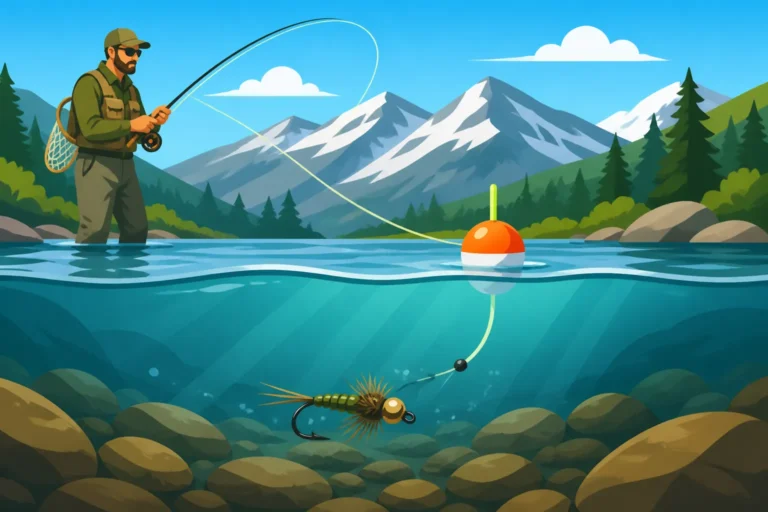
- Nymphing Techniques: Even during a strong hatch, many fish will continue to feed primarily subsurface on nymphs and emergers. Nymphing Techniques for Colorado Tailwaters are essential here. A traditional indicator nymphing rig with two small BWO nymphs (e.g., a Pheasant Tail and an RS2) can be very effective in deeper runs. Alternatively, for very picky fish or strong currents, exploring Euro Nymphing Basics for Colorado Rivers can provide unparalleled drift control and sensitivity.
- Hook Set: With tiny flies and fine tippet, your hook set needs to be gentle but firm. A subtle sip might only indicate a fish closing its mouth on your fly, not a violent tug. Lift your rod tip smoothly and decisively, rather than with a hard yank, to avoid breaking off the delicate tippet.
Remember, patience and persistence are key. If a fish refuses your fly, don't immediately switch patterns. Try adjusting your drift, changing your casting angle, or moving your position slightly. Sometimes, just a slight tweak in presentation is all it takes.
Troubleshooting Common BWO Hatch Challenges
Even with the right gear and knowledge, BWO hatches can present frustrating challenges. Tailwater trout have seen it all, and they're not easily fooled.
When Trout Ignore Your Dries
You're watching fish sip the surface, confidently present your tiny BWO dry fly, and… nothing. This is a common scenario during BWO hatches. There are several reasons why trout might be ignoring your dries, even when surface activity is evident.
First, trout often feed on emergers or nymphs just below the surface, even during a seemingly strong hatch. They're seeing the adults on top, but the easy meal is the one struggling to break free from its nymphal shuck. If your dry fly isn't getting attention, switch to an emerger pattern, like a Sparkle Dun or a Barr's Emerger, fished just in or below the surface film. You might use a very small strike indicator to detect subtle takes, or even fish it as a dropper off a larger, more buoyant dry fly.
Second, consider your tippet. Are you using a fine enough tippet? If you're on 5x and the fish are being exceptionally selective, try dropping down to 6x or even 7x. These wary trout can absolutely see the heavier line. Third, check your drift again. Even a minuscule amount of drag can put a fish off. Make extra mends, cast slightly further upstream, and watch your fly's progress with extreme diligence. Sometimes, buying a fresh spool of high-quality tippet from Amazon can make a noticeable difference if your old spool has any kinks or memory. Finally, try a different size or shade. While BWOs are generally small and olive, there can be subtle variations, and the trout might be keyed into a specific size, perhaps a #22 when you're throwing a #18.
Dealing with Picky Tailwater Trout
Colorado's Gold Medal Waters, many of which are tailwaters, are known for producing large, healthy trout, often protected by regulations like Colorado's 14-Inch Trout Length Rule. These fish are also incredibly educated and picky. Getting them to bite often requires extreme attention to detail and a whole lot of patience.
Stealth is paramount. These fish are easily spooked. Approach the water slowly, stay low, and avoid casting shadows over the fish. Wear drab clothing that blends into the background. A loud splash from a miscast line or an unexpected movement on the bank can send fish scattering and shut down a hatch for an extended period.
Go longer and finer with your leader and tippet. If you're using a 9-foot leader, try a 12-foot. If you're using 6x tippet, try 7x. The longer leader helps keep your fly line further from the fish's sight, and the finer tippet is less visible. This extra length can sometimes be awkward to cast, but the payoff is often worth it.
Change your angle of approach. If a fish is refusing your fly when cast from directly downstream, try to get to the side, or even slightly upstream if possible, to present the fly from a different perspective. Sometimes, the angle of the light, the current, or the fish's position makes one approach much more effective than another.
Don't ignore the subsurface. As mentioned, picky trout might be feeding more on nymphs or emergers. Even if you see a surface rise, consider dropping a tiny BWO nymph or emerger below a small indicator or as part of a dry-dropper rig. You might find that the fish are actively feeding on these, despite the visible surface activity. For effective sub-surface presentations, understanding How to Set Up a Nymph Rig for a Deep Tailwater Run can be incredibly beneficial.
Remember, the goal is to make your fly look as natural as possible, mimicking the actual insects drifting down the current. It's a game of observation, patience, and meticulous presentation.
| BWO Life Stage | Primary Behavior | Key Fly Patterns (Sizes #18-22) | Presentation Tips |
|---|---|---|---|
| Nymph | Clinging to bottom, swimming to surface to emerge | Pheasant Tail Nymph, Barr's Emerger, RS2 | Nymph rig with indicator, dry-dropper |
| Emerger | Struggling in surface film, breaking through | Sparkle Dun, Loopwing Emerger, CDC Comparadun | Fished in surface film, swung shallow, dry-dropper |
| Dun | Floating on surface after emerging | Parachute Adams (Olive), F-Fly, Harrop's CDC Thorax Dun | Dry fly, drag-free drift |
| Spinner | Mating in air, falling spent onto water | BWO Spinner, Rusty Spinner | Dry fly, delicate dead drift |
Disclaimer
The information provided in this guide is for general informational purposes only. Fishing conditions, regulations, and insect hatches can vary significantly based on location, time of year, and environmental factors. Always consult the most current Colorado Parks and Wildlife regulations before fishing.