How to Stay Safe Wading Fast Colorado Currents
The roar of a Colorado river can be exhilarating, calling you to step in and chase those elusive trout, but it also hides immense power. Many a seasoned angler, myself included, has found themselves unexpectedly stumbling or even taking an unplanned swim after underestimating the relentless force of rushing water. This guide is all about helping you understand how to navigate those fast Colorado currents safely, ensuring your fishing adventures remain thrilling rather than terrifying.
Understanding the Power of Colorado's Currents
It's easy to look at a river, see a calm patch, and think "I can cross that." But the reality of Colorado's rivers, especially during certain times of the year, is that their currents pack a serious punch. These aren't your gentle backyard creeks; they are powerful, often snow-fed waterways with incredibly dynamic flows.
Why Colorado Rivers Pose Unique Wading Challenges
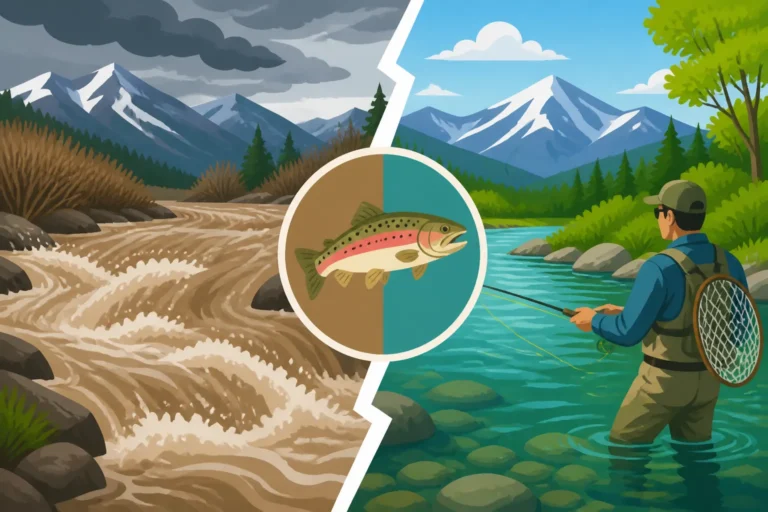
Colorado's rivers are often born in high mountain snowmelt, which means they can be deceptively cold and retain a powerful surge well into late spring and early summer. When Colorado's Spring Runoff Hits and How to Fish Around It, these rivers swell, transforming seemingly easy crossings into treacherous gauntlets. Even outside of peak runoff, the gradient of many mountain rivers creates fast, turbulent flows. The water here is often crystal clear, which can be both a blessing and a curse. While it allows for sight-fishing, it also makes it harder to judge depth and current speed accurately. A clear, knee-deep section can suddenly plunge into a waist-deep channel with twice the velocity, and before you know it, you're off balance. The sheer volume of water moving downstream exerts incredible pressure, and a misstep can quickly lead to losing your footing and being swept away.
Another unique challenge is the variable bottom structure. Many Colorado rivers, especially those carving through canyons or wide valleys, feature rocky, uneven beds. You might encounter smooth, slick rocks covered in algae, loose gravel that shifts underfoot, or large boulders that create unseen pockets of deep, fast water. These unpredictable conditions make every step a calculated risk if you're not paying close attention. It's not just about how fast the current is moving; it's about what the current is doing to the riverbed and how that impacts your stability.
Common Wading Hazards You'll Encounter
Beyond the raw power of the current, Colorado rivers present several specific hazards that every angler should be aware of. Slippery rocks are perhaps the most common culprit for falls. Algae, moss, and smooth river stones can turn a gentle walk into an ice rink. Combine this with fast-moving water pushing against your legs, and it's a recipe for disaster. Even with the best wading boots, vigilance is key.
Deep drop-offs are another major concern. Often, a river will look consistently shallow, but a hidden channel or submerged boulder field can create sudden, dramatic changes in depth. You could be wading comfortably and then, without warning, step into a hole that's chest-deep, instantly losing leverage against the current. These are particularly common around bends, undercuts, and in areas where larger rocks create scour pools. Furthermore, submerged logs, branches, and other debris can act as dangerous snag points, catching your feet or waders and pulling you down. In fast water, getting entangled in submerged structure can be extremely dangerous. Understanding these hidden threats is the first step in avoiding them.
Equipping Yourself for Safe Wading
Having the right gear isn't just about comfort; it's about safety. When you're facing down swift Colorado currents, your equipment can be the difference between a successful outing and a precarious situation. Don't skimp on the essentials, because your safety is worth every penny.
The Importance of Proper Footwear
Your wading boots are arguably your most critical piece of safety gear. Forget sneakers or hiking boots; they simply don't offer the grip or stability needed for slick, rocky riverbeds. You need boots specifically designed for wading. The soles of these boots come in a few main types, each with its own advantages. Felt soles offer excellent grip on wet, slimy rocks, clinging like tiny suction cups. However, they can track mud easily on trails and some states have restrictions on them due to potential for aquatic invasive species transfer, so always check local regulations. Rubber soles, often with aggressive tread patterns, are very durable and perform well on varied terrain, including mud and dry land. Many anglers combine rubber soles with studs or cleated systems for superior traction on extremely slippery surfaces. If you’re asking yourself Do You Need Studded Boots for Icy River Banks?, the answer is often yes, and they are equally beneficial for fast, slick rivers.
When choosing wading boots, also consider ankle support. High-top boots provide crucial stability, protecting your ankles from twists and sprains as you navigate uneven riverbeds. Brands like Simms and Orvis offer a wide range of options, and you can find many highly-rated choices on Amazon. Make sure they fit snugly over your waders, allowing for thick socks but preventing your foot from sliding around inside. A proper fit reduces friction and potential blisters, ensuring you can concentrate on your footing rather than discomfort.
Essential Wading Tools Beyond Boots
While good boots are paramount, several other tools significantly enhance your wading safety. A sturdy wading staff is non-negotiable for anyone venturing into fast water. This isn't just for balance; it's your third point of contact, allowing you to test depth and stability with each step before committing your weight. A collapsible staff, often with a shock cord, is convenient to carry when not in use and deploys quickly. You can find excellent, durable wading staffs from brands like MSR or the affordable options available on Amazon. Make sure it has a wrist lanyard so you don't lose it if you stumble.
Next, a good pair of waders is essential for staying warm and dry in Colorado's often frigid waters. Best Waders for Cold Tailwater Fishing are often breathable, allowing moisture vapor out while keeping water from coming in. Neoprene waders offer more insulation for colder conditions but can be bulky. Regardless of material, ensure your waders fit well – too tight and they restrict movement; too loose and they can fill with water if you fall, creating a dangerous drag. A wading belt is also crucial. It not only helps keep water out if you take a spill but also secures your waders more tightly to your body, reducing the "billowing" effect of water pressure. Finally, carrying essential safety items like a whistle, a small first-aid kit, and a waterproof bag for your phone can be life-savers. Consider a small, waterproof personal locator beacon (PLB) if you're venturing into remote areas.
| Wading Gear Essential | Purpose | Key Features to Look For | Amazon Availability |
|---|---|---|---|
| Wading Boots | Traction, Ankle Support | Felt or Rubber with Studs/Cleats, High Ankle Support, Snug Fit | Excellent |
| Wading Staff | Stability, Depth/Bottom Testing | Collapsible, Sturdy Construction, Wrist Lanyard, Comfortable Grip | Excellent |
| Waders | Dryness, Warmth | Breathable or Neoprene (for cold), Proper Fit, Durable Material | Excellent |
| Wading Belt | Prevents Water Filling Waders in a Fall, Secures Waders | Strong Buckle, Adjustable, Comfortable | Excellent |
| Whistle | Signaling for Help | Loud, Pealess Design, Attached to Vest/Lanyard | Excellent |
| First-Aid Kit | Treating Minor Injuries | Waterproof Pouch, Basic Wound Care, Pain Relievers | Excellent |
| Waterproof Phone Case | Communication in Emergency | Fully Submersible, Lanyard, Touchscreen Compatible | Excellent |
Mastering Wading Techniques and River Reading
Once you have the right gear, the next step is to develop the skills and awareness needed to wade safely. This isn't just about brute force; it's about strategy, observation, and respect for the river's power.
Strategic Wading Approaches for Moving Water
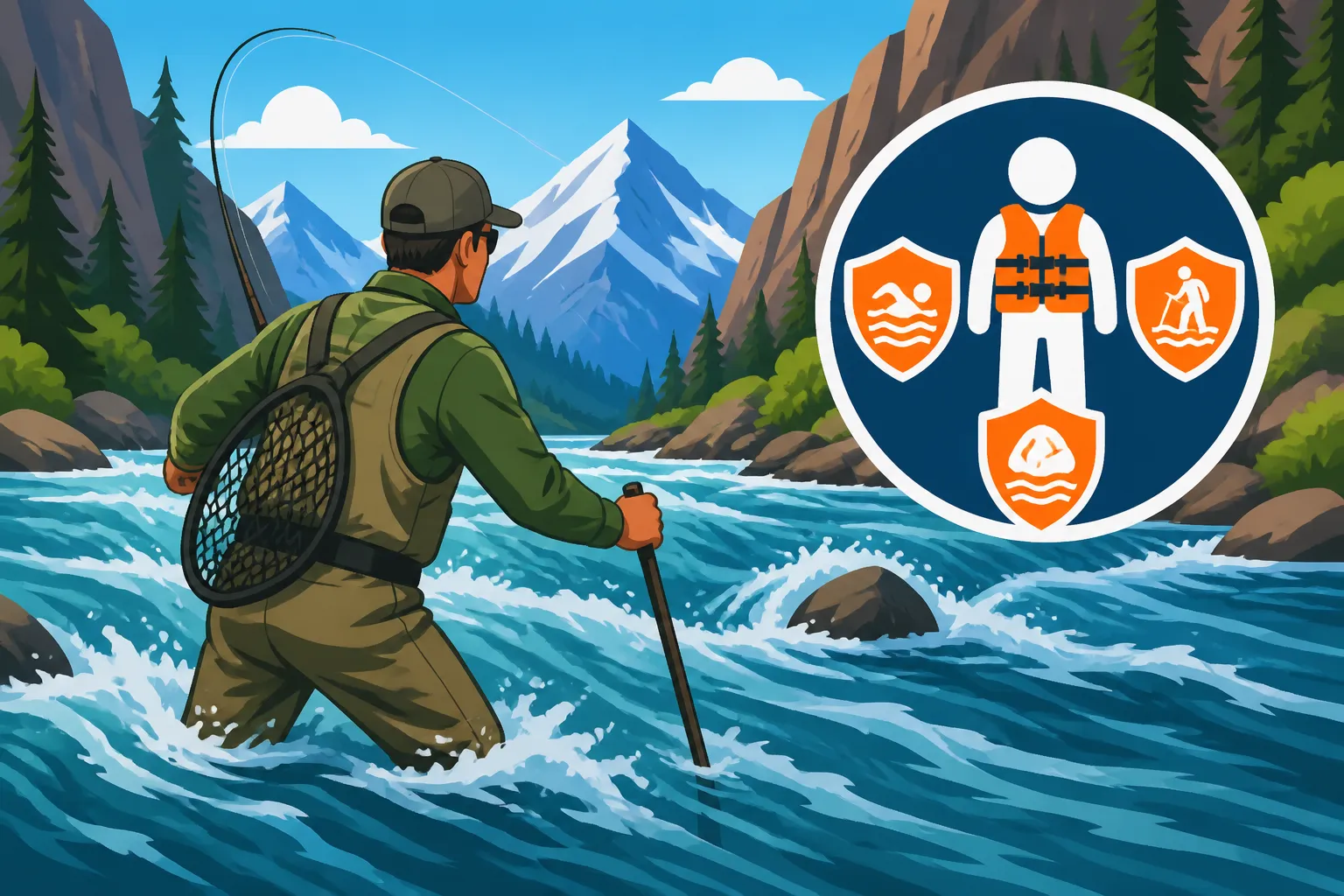
The primary rule for wading in moving water is to maintain three points of contact at all times. This is often called the "tripod" method, using your two feet and your wading staff as anchors. When you move, lift only one foot at a time, keeping the other foot and your staff firmly planted. This creates a stable base and allows you to adjust if the footing is unstable or the current unexpectedly strong. Always face slightly upstream or directly across the current. This presents a smaller profile to the water, reducing the force pushing against you, and allows you to see what's coming and brace against it.
Shuffle your feet rather than taking big steps. Dragging your feet or taking small, deliberate shuffles helps you feel the riverbed before committing your full weight. This reduces the chance of stepping into a hidden hole or onto a loose rock. Move slowly and deliberately. Rushing will only increase your chances of a fall. If you feel the current becoming too strong, or the footing too uncertain, stop. Brace yourself, take a breath, and reassess your path. Sometimes, backing out and finding an easier crossing or simply fishing from the bank is the smartest decision. Even on rivers where you plan to spend all day, like parts of the South Platte, assessing your wading path is crucial for safety.
Learning to Read the River's Language
Understanding how water moves and interacts with the riverbed is a skill that takes time to develop, but it's invaluable for safe wading. Reading Water on a Colorado Freestone River is about deciphering the subtle clues the river gives you. Look for "soft" water—areas where the surface is less turbulent and the current appears slower. These are often inside bends, behind large boulders, or in the seams between fast and slow currents. Avoid "hard" water, which is characterized by strong boils, standing waves, and heavy turbulence, as this indicates powerful, unpredictable currents and often deeper, rockier bottoms.
Pay attention to foam lines and debris. Where foam collects or debris floats slowly, the current is often slower and less powerful. Conversely, areas where debris is rapidly swept away indicate strong, potentially dangerous currents. Also, observe the depth. Clear water can be deceiving, but you can often estimate depth by how far down you can see the riverbed or by watching how much of your wading staff disappears when you test it. If you see white water or rapids, it's generally best to avoid wading there entirely. These sections usually have extremely powerful currents and dangerous obstacles. During High Water Tactics During Colorado's Runoff, this skill becomes even more critical, as visual cues are often obscured by increased turbidity and flow.
Prioritizing Safety and Preparedness
Even with the best gear and techniques, accidents can happen. That's why being prepared for the worst-case scenario is just as important as trying to prevent it. Thinking ahead can save lives, especially when fishing Colorado's remote and powerful waterways.
Planning Your Wading Excursions
Before you even leave the house, take a moment to plan your trip. Check the weather forecast, paying close attention to any warnings for thunderstorms or sudden drops in temperature. Why Colorado Rivers Get Dangerous During Afternoon Storms is a crucial read, as rapid increases in flow and cold rain can turn a pleasant day into a perilous one. Also, check river flow rates from resources like the U.S. Geological Survey (USGS). Many anglers in Colorado keep a close eye on these gauges, as they provide real-time data on how high and fast rivers are running. Knowing the normal flow rates for your target river will help you identify when it's safe to wade and when it's best to stick to the banks or find calmer water.
Always let someone know where you're going and when you expect to return. Give them a specific timeline and stick to it. If plans change, update them. Consider fishing with a buddy, especially if you plan to wade challenging sections. A partner can provide assistance in an emergency, help you get back on your feet if you fall, or go for help if needed. Even on popular waters, it's surprising how quickly you can feel isolated if something goes wrong. If you are exploring a new area or a remote stretch, studying maps and access points beforehand is also smart, even considering which specific sections might be suitable for Best Rod Length for Small Mountain Streams versus wider, faster rivers.
What to Do in a Wading Emergency
Despite all precautions, sometimes you fall. It happens to the best of us. The most important thing is not to panic. If you fall in, immediately turn onto your back with your feet pointed downstream. This allows you to fend off rocks and obstacles with your feet, protecting your head and body from impact. Try to float on your back, keeping your feet up, and allow the current to carry you downstream until you reach a calmer, shallower section where you can regain your footing. Do not try to stand up in fast, deep water, as your feet can get wedged between rocks, leading to serious injury. This is the core advice of What to Do If You Fall In While Wading.
If your waders fill with water, it might feel alarming, but they won't pull you under if you maintain your composure. Modern waders, especially when worn with a wading belt, tend to hydrodynamically flatten against your body. The air trapped in your boots might even provide some buoyancy. Focus on getting to calmer water or the bank. Once safe, check yourself for injuries, get to a warm, dry place, and assess your gear. Hypothermia can set in quickly in Colorado's cold waters, so having a plan to get warm, like carrying an extra layer or having a vehicle nearby, is critical. Being prepared for this kind of situation is part of being a responsible angler in the Rockies.
Disclaimer
This article is for general informational purposes only and does not constitute professional advice. Laws, prices and regulations vary by location and change over time. Consult a qualified professional for guidance on your specific situation.