Best Techniques for Sight-Fishing Clear Tailwaters
There's nothing quite like the sheer frustration of knowing trout are holding in that crystal-clear Colorado tailwater, but you just can't seem to see them, let alone get a fly to them without sending them scattering. Clear tailwaters are a gift and a curse: they hold incredible fish, but those fish are often wily and require a truly stealthy approach. This guide will walk you through the essential techniques for sight-fishing these challenging yet rewarding waters, helping you turn those invisible fish into memorable catches.
The Unique Challenge and Reward of Clear Tailwaters
Colorado's tailwaters, like the Fryingpan or the Blue River below Dillon Reservoir, are renowned for their consistent temperatures and rich insect life, which in turn produce large, healthy trout. However, the very clarity that allows for such robust ecosystems also means these fish have a huge advantage: they can see you just as well as you're trying to see them. This transparency is what makes sight-fishing both incredibly difficult and immensely satisfying when you get it right. It's a game of wits, stealth, and precision.
Why Trout in Tailwaters Are So Wary
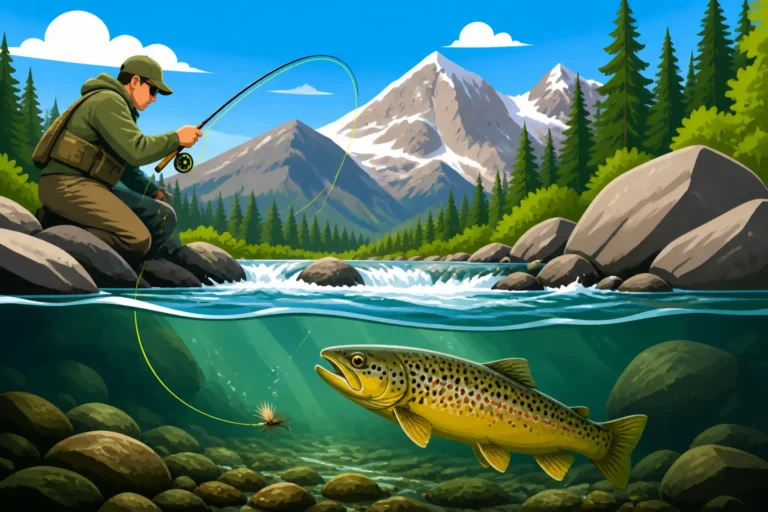
Imagine living in a glass house. That's essentially what a trout in a clear tailwater experiences. With minimal sediment or turbidity, every shadow, every movement on the bank, every splash on the surface is amplified. These fish aren't just naturally cautious; they've been educated by countless anglers trying to catch them. They've seen every fly, felt every drag, and learned to associate human presence with danger. This constant pressure means they are highly selective feeders and incredibly spooky. Your approach, presentation, and fly choice must be impeccable.
We've all experienced that disheartening moment: you finally spot a beautiful brown trout, meticulously cast, and before your fly even lands, it darts away like a rocket. It feels personal, doesn't it? But it's not – it's just a highly evolved survival mechanism. Understanding this wariness is the first step to overcoming it. It forces us to slow down, observe, and truly think like a predator, or rather, a stealthy angler.
The Benefits of Spotting Your Quarry
While it's tough, the payoff for sight-fishing is huge. First, it's incredibly efficient. Instead of blind casting to empty water, you're targeting specific fish that you know are there and actively feeding. This precision saves time and effort. Second, it's a phenomenal learning experience. When you can see the fish, you can observe their behavior: how they react to your fly, how they position themselves in the current, what they're truly eating. This direct feedback loop is invaluable for improving your overall fishing skills.
Think about it: when you're just casting blindly, you're guessing. When you're sight-fishing, you're gathering data in real-time. Did that fish spook because of your shadow? Did it refuse the fly because it saw your leader? Did it move to a different current seam after your third cast? These observations make you a much smarter angler. Plus, there's an undeniable thrill in the hunt, the stalking, and the precise execution required to fool a fish you've been watching for minutes, sometimes even longer. It’s a truly immersive experience that connects you more deeply to the water and its inhabitants.
Essential Gear for Spotting and Presenting
Successful sight-fishing in Colorado's clear tailwaters isn't just about technique; it's also about having the right tools. Your gear should enhance your ability to see the fish and allow for the most delicate, accurate presentations possible. Skimping here can truly cost you fish.
The Power of Polarized Lenses and Hats
This is arguably your most critical piece of gear for sight-fishing. High-quality polarized sunglasses cut through the glare on the water's surface, allowing you to peer into the depths and spot subtle movements or shapes that would otherwise be hidden. Different lens colors are suited for different light conditions. For bright, sunny days common in Colorado, a grey or copper lens works wonders. For overcast conditions or low light, amber or yellow lenses can significantly enhance contrast. Don't cheap out here; a good pair of sunglasses is an investment. You can find excellent options from various brands on Amazon that offer UV protection and optical clarity.
Coupled with sunglasses, a wide-brimmed hat or a baseball cap is non-negotiable. It creates shade over your eyes, further reducing glare and allowing your polarized lenses to work more effectively. It also helps hide your eyes from wary trout, especially if you're peering over a bank. The combination of a good hat and polarized glasses provides the visual edge you need to spot those elusive fish.
| Lens Color | Ideal Light Conditions | Best Use Case |
|---|---|---|
| Grey | Bright, Sunny Days | Reduces overall brightness, natural color perception, excellent for strong glare. |
| Copper/Brown | Variable Light, Partly Cloudy | Enhances contrast, good for spotting fish in varied light, comfortable for long wear. |
| Amber/Yellow | Low Light, Overcast, Dawn/Dusk | Maximizes contrast and brightens vision, great for murky or challenging light. |
| Green Mirror | Extremely Bright, Glare | Combines brown/copper base with a mirror coating for maximum glare reduction. |
Rod, Reel, and Line for Delicate Presentations
For sight-fishing, you want a rod that can deliver delicate casts and protect fine tippets. A longer, softer rod, typically in the 9- to 10-foot range and a 3 to 5-weight, is often ideal. The extra length helps with line control and can be beneficial for longer leader setups, especially when using specific techniques like Euro nymphing. Many anglers find that specific What Euro Nymphing Rods Work Best for Colorado Rivers can be fantastic for the sensitive feel needed to detect subtle takes from sight-fished trout.
Your reel needs to balance the rod and have a smooth drag, though for trout of this size, it's more about holding line. The fly line itself is crucial. A weight-forward, stealth-colored line that floats high is a great all-around choice. Some anglers prefer specialized nymphing lines that are thinner and have less memory for better contact and casting lighter rigs. Whatever your choice, ensure your line is clean and well-maintained to cast smoothly and accurately.
Leader and Tippet: The Invisible Connection
This is where many sight-fishing attempts fall apart. Trout in clear tailwaters are incredibly leader-shy. You need a long, tapered leader, often 10 to 12 feet, to create separation between your brightly colored fly line and your fly. Following that, extremely fine tippet is usually necessary. We're talking 5x, 6x, 7x, or even 8x fluorocarbon. Fluorocarbon is preferred because it's nearly invisible underwater and sinks faster than monofilament. Knowing How Fine a Tippet You Need for Selective Tailwater Trout can make all the difference when those trout are inspecting your offering up close.
The length of your tippet also matters. A longer section of fine tippet (18-30 inches) allows the fly to drift more naturally and gives the fish more time to evaluate it without seeing the thicker leader material. While you can buy tippet spools individually, many anglers find it convenient to stock up on a multi-spool tippet holder, which is a great item to add to your cart on Amazon, ensuring you have every size you need right at your fingertips. The key is to present your fly with as little visual impact as possible, making the fish believe it's a natural, unattached meal.
Strategies for Success on the Water
Once you have your gear dialed in, it's time to put those tools to work with smart, strategic angling. Sight-fishing is less about aggressive casting and more about careful observation and patient execution.
The Stealthy Approach: Your First Cast is Key
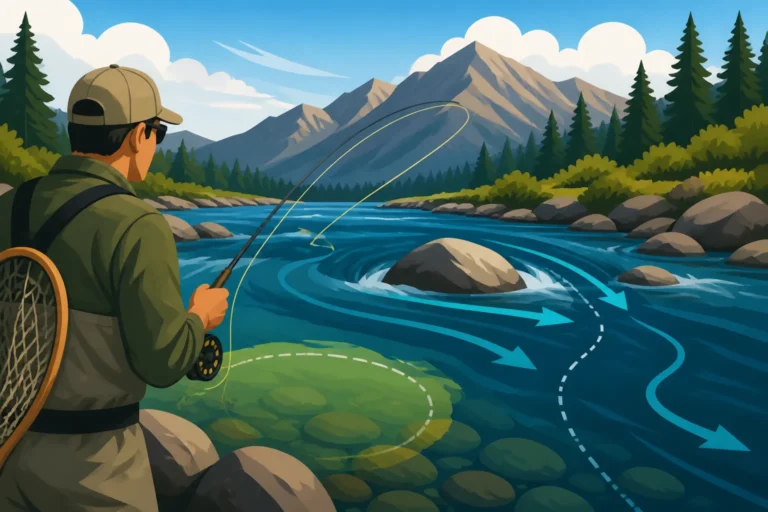
When you approach a section of clear tailwater, assume there are fish everywhere and they can all see you. This mindset will force you to be stealthy. Move slowly, staying low, and use available cover like stream banks, bushes, or shadows. Avoid making quick movements or casting shadows over the water. Always try to approach from downstream, casting upstream, or across and slightly upstream. This presents your fly to the fish before your line or leader drifts over them, which can immediately put them down. Learning How to Approach a Tailwater Without Spooking Trout is fundamental to sight-fishing success.
Your first cast to a spotted fish is your most important. It's often your best chance before the fish becomes aware of your presence. Make it count. Ensure it's accurate, delicate, and lands well upstream of the fish, allowing the fly to drift naturally into its feeding lane. If you botch the first cast, give the fish a moment to settle down, or better yet, move on to another fish and come back to that one later if time allows.
Spotting the Fish: What to Look For
Spotting trout in clear water takes practice and a keen eye. It's not always about seeing the entire fish. Often, you're looking for subtle clues:
- Movement: A slight flick of a tail, a subtle shift in position, or a gulp of an insect.
- Shadows: On brighter days, a fish's shadow on the bottom can be more visible than the fish itself.
- Shapes: Look for anomalies against the riverbed or rocks. Is that rock too perfectly shaped, or is it a fish?
- Flashes: Sometimes a fish will flash its side as it turns to feed, revealing its presence.
- Rise Forms: If fish are feeding on the surface, their rise forms can tell you exactly where they are.
Spend more time looking than casting. Scan different depths and current seams. Fish often hold in predictable spots like current breaks, behind rocks, or in the soft water adjacent to faster currents. Familiarize yourself with Reading Water on a Colorado Freestone River, as many of the principles apply to tailwaters as well. Patient observation will reveal more fish than frantic casting ever will.
Precision Presentation and Drift Control
Once you've spotted a fish, your next challenge is to present your fly with absolute precision. For nymphing, which is often the most effective method in clear tailwaters, you need your flies to drift naturally at the fish's level. This usually involves an upstream mend to extend your drift and eliminate drag. Techniques like high-stick nymphing or Euro nymphing are incredibly effective because they allow for direct contact with your flies and minimal line on the water. Check out "Nymphing Techniques for Colorado Tailwaters" to refine your approach.
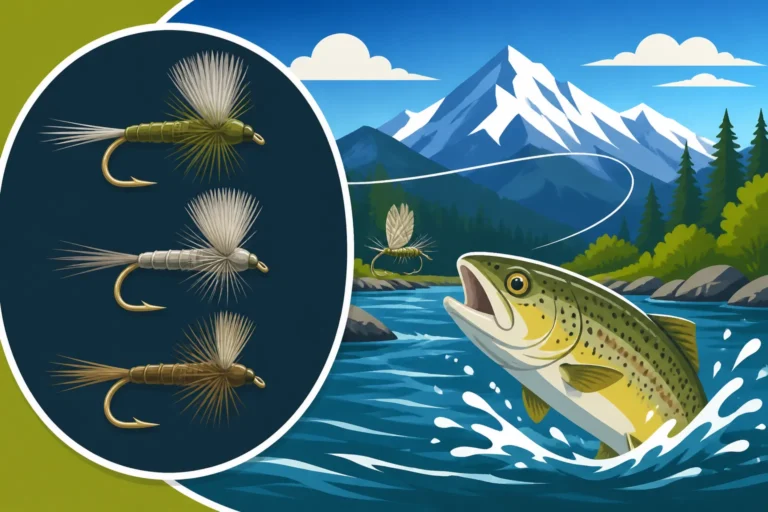
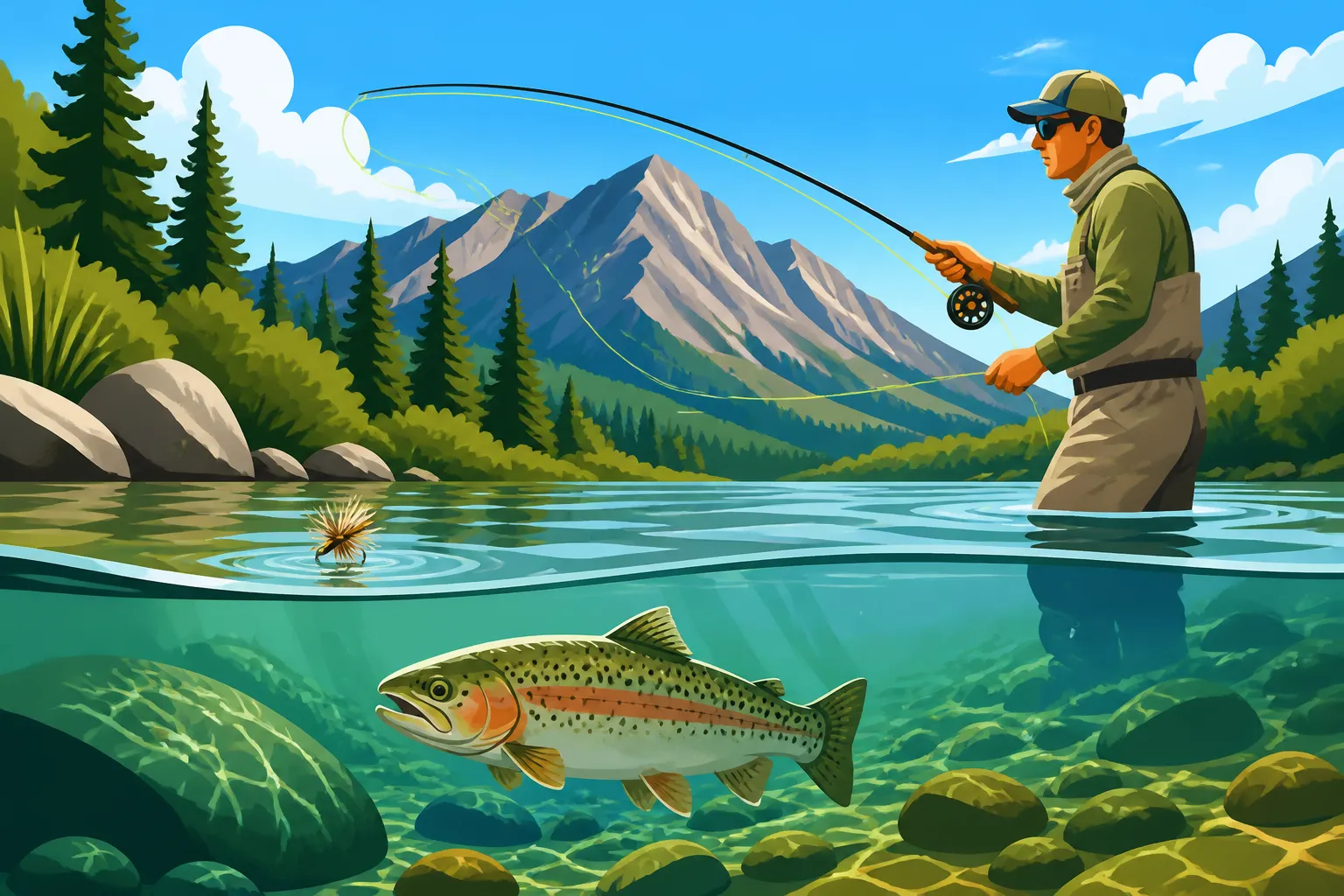
For dry fly fishing, which is a glorious way to sight-fish, your cast must be soft and accurate, landing your fly just upstream of the feeding fish without creating a splash that would spook it. The fly must then drift completely naturally, as if it were an unattached insect. Any drag, however slight, will usually result in a refusal from these educated fish. Matching the hatch precisely, especially during common events like "Matching a Blue-Wing Olive Hatch on a Colorado Tailwater", is critical for success with dry flies.
The Gentle Hookset and Safe Release
When a fish takes your fly in a sight-fishing scenario, you'll often see the take before you feel it. This immediate visual cue allows for a quicker, more controlled hookset. Rather than a massive yank, aim for a gentle but firm upstream or sideways sweep of the rod. This helps to set the hook securely without ripping it out of the fish's mouth or snapping your delicate tippet. Mastering How to Set the Hook on a Take in Fast Water will save you from a lot of heartache.
Once hooked, play the fish quickly and efficiently to minimize stress. Keep tension on the line and steer the fish away from snags. When you bring it to hand, prioritize its health. Use a soft, rubberized landing net, keep the fish in the water as much as possible, and handle it gently with wet hands. Always practice responsible catch and release, especially for larger, older fish that are vital to the ecosystem. Review How to Handle Trout for a Safe Release for best practices.
Common Pitfalls and How to Avoid Them
Even with the right gear and techniques, sight-fishing has its share of frustrations. Recognizing these common mistakes can help you correct them quickly and increase your success rate.
Spooking Fish Before You Cast
This is probably the most frequent and disheartening mistake. We've all done it: walked too close to the bank, made a sudden movement, or cast a shadow that sent a prime fish bolting. The key to avoiding this is constant awareness. Before you take a step, assess the water in front of you. Where are the likely holding lies? Is the sun behind you, creating a long shadow? Are there any visible fish?
Always assume the fish can see you. Wear drab, earth-toned clothing that blends into the background. Move slowly, almost deliberately, as if you're stalking big game (which you are!). Kneel or crouch if you need to gain a better vantage point without being seen. Sometimes, just slowing down your entire approach can drastically reduce the number of fish you spook. Remember, once a fish is spooked, it can take a long time for it to settle down again, or it might just move entirely.
Poor Fly Selection and Presentation
Even if you spot the fish and make a good cast, the wrong fly or a dragging presentation will result in a refusal. In clear tailwaters, trout often have ample time to inspect your offering. If it doesn't look natural, they won't eat it. This is why having a diverse fly box filled with various sizes and patterns of nymphs, emergers, and dry flies is crucial. Understanding the local hatches and keeping an eye on Best Flies for Colorado's Gold Medal Trout Water can give you a significant advantage.
When a fish refuses your fly, don't just keep casting the same thing. Change something: try a smaller size, a different color, or even a completely different pattern. Sometimes it's not the fly itself, but the way it's drifting. Observe if your leader is creating drag or if the fly is tumbling unnaturally. Small adjustments to your cast, mend, or leader length can transform a refusal into a hookup.
Ignoring the Conditions and Giving Up Too Soon
Sight-fishing can be challenging, and it's easy to get discouraged, especially on tough days. But giving up too soon means you miss opportunities. Conditions play a huge role. Bright sun with minimal cloud cover can make spotting fish easier, but it can also make them more wary. Overcast days reduce glare and can encourage more active feeding, but spotting fish can be harder. Understanding how to adapt to varying conditions, from sunny afternoons to "Winter Fishing on Colorado's Tailwaters" during colder months, is part of the game.
Sometimes, the fish aren't holding where you expect them, or they're not feeding actively. This is when patience and persistence truly pay off. Don't be afraid to move to different sections of the river, explore different types of water, or simply take a break and re-evaluate your strategy. Sometimes, just waiting for a cloud to pass or for the light to change can reveal fish you couldn't see moments before. Keep experimenting with your flies and presentation, and don't let a few refusals deter you from the rewarding experience of sight-fishing.
Misinterpreting Regulations
Colorado's tailwaters, especially those designated as Gold Medal Waters, often have specific and sometimes complex regulations. These can include Colorado's Gold Medal Water Regulations Explained, such as catch-and-release only sections, specific fly and lure restrictions, or even limitations on bait. Misinterpreting these rules can lead to fines and harm the fishery. Always consult the current Colorado Parks and Wildlife (CPW) fishing regulations brochure before heading out, as they can change. Ignorance of the rules is never an excuse, and game wardens in Colorado's popular fishing areas are diligent in their enforcement. A quick read can save you a lot of trouble and ensure you're fishing responsibly.
Disclaimer
This article is for general informational purposes only and does not constitute professional advice. Laws, prices and regulations vary by location and change over time. Consult a qualified professional for guidance on your specific situation.