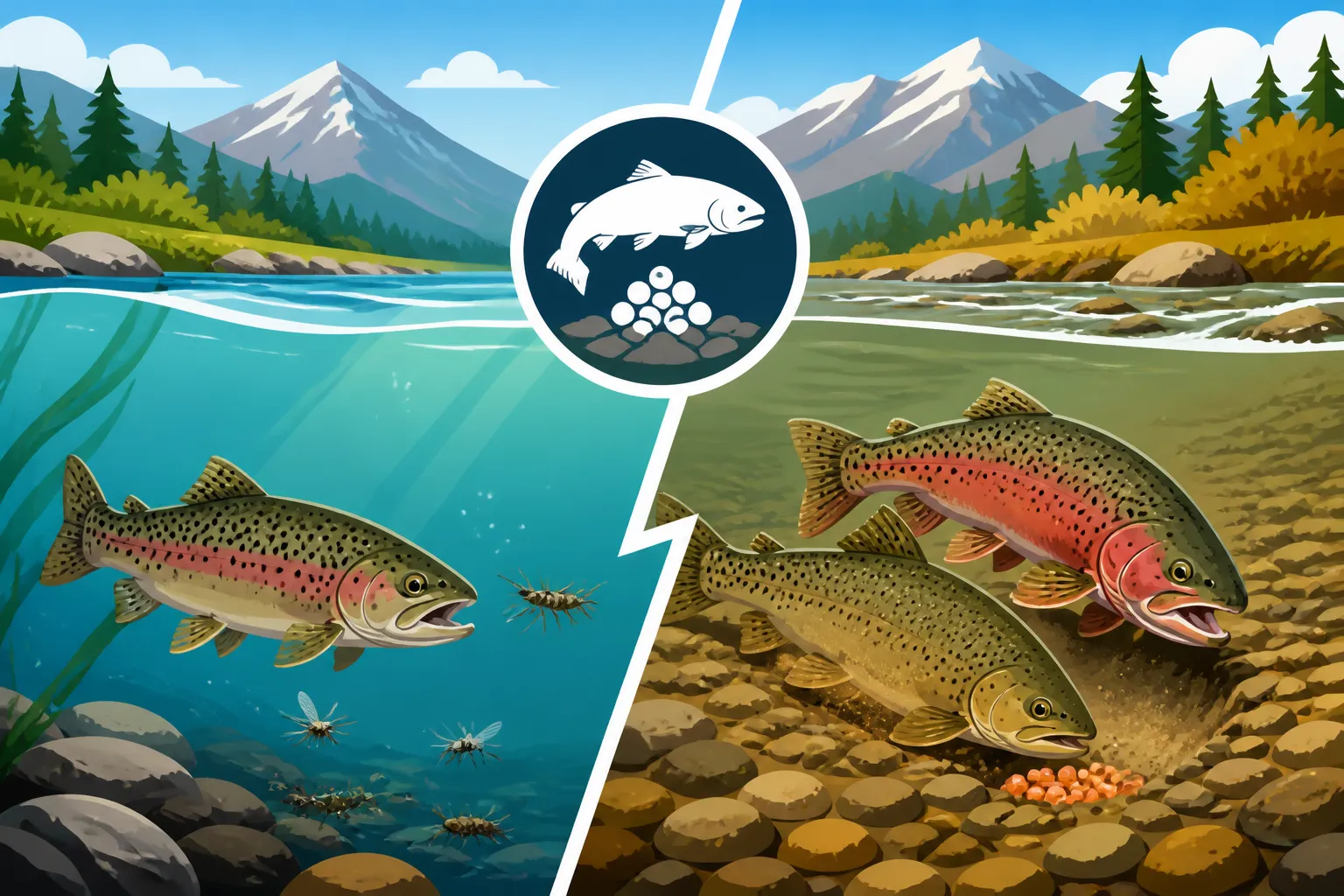
How Spawning Behavior Changes Where Trout Feed
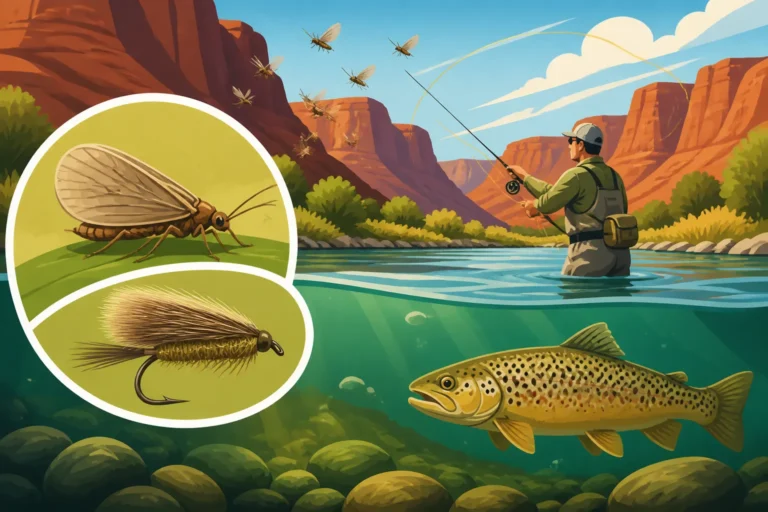
It’s a tale as old as time for Colorado anglers: you’re absolutely crushing it, the trout are biting left and right, and then suddenly, as if a switch was flipped, the fishing grinds to a halt. Or maybe you show up to your favorite river, expecting a banner day, only to find the fish are nowhere to be seen, or completely uninterested in anything you throw at them. This frustrating shift in activity often boils down to one of nature’s most powerful drives: spawning. Understanding how trout spawning behavior changes where these beautiful fish feed is absolutely crucial for consistent success on Colorado's waters. This guide will walk you through the ins and outs of trout spawning, how it impacts their appetite, and how you can adapt your angling strategies to keep catching fish ethically throughout the year.
Understanding Trout Spawning Cycles in Colorado
Just like us, trout have specific times of the year when their biological clocks chime, signaling it’s time to reproduce. These cycles are deeply ingrained and vary by species, profoundly influencing their behavior, including when and where they choose to eat. Getting a handle on these different timelines is your first step to unlocking more successful fishing trips.
When Different Trout Species Spawn
Colorado is home to a fantastic array of trout species, and each one tends to follow its own unique spawning calendar. Knowing these general timeframes can give you a significant advantage, helping you anticipate shifts in their feeding patterns. You can learn more about these fascinating fish in our guide to Colorado's Trout Species, A Field Guide.
Rainbow trout and most cutthroat subspecies, including our beloved Colorado's Native Cutthroat Trout Subspecies, are typically spring spawners. This means that as winter's chill begins to recede and water temperatures slowly climb, usually from late March through May, these fish start moving upstream into shallower, gravelly areas to create their redds (spawning nests). Their focus during this period is almost entirely on reproduction, and their feeding behavior can become quite erratic.
On the other hand, brown trout and brook trout are fall spawners. As the days shorten and the crisp mountain air signals the approach of winter, usually from late September through November, these species begin their own reproductive journey. Much like their spring-spawning cousins, they’ll move into shallow, oxygenated stretches of river or stream, often in areas with clean gravel bottoms. If you’ve ever noticed a sudden influx of large, colorful brown trout in a small stream during autumn, you’re likely witnessing their spawning migration. For a deeper dive, check out our piece on Brown Trout Spawning Season in Colorado.
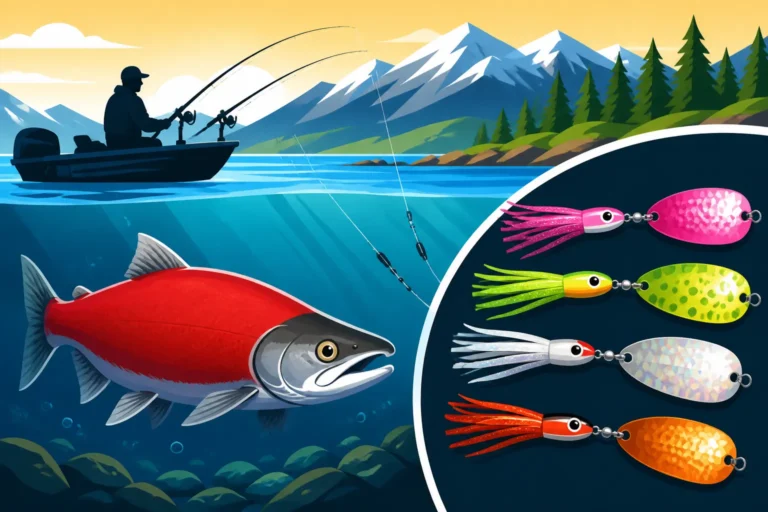
Then there are the kokanee salmon. While not technically a trout, these landlocked sockeye salmon are incredibly popular in Colorado and follow a similar, albeit more dramatic, spawning migration in the fall. During September and October, you'll see these fish turn a brilliant red as they make their way into tributary streams to spawn and, soon after, perish. While they largely stop feeding once this process begins, their presence draws in opportunistic predators like large lake trout and brown trout, which will gorge on their eggs and carcasses. You can explore this further with our guide to Kokanee Salmon Fishing in Colorado.
The Biological Drive Behind Spawning
The spawning urge is one of the most powerful biological drivers in the animal kingdom, and trout are no exception. For these fish, it's all about perpetuating their species, and every ounce of energy is directed towards this monumental task. This intense focus on reproduction fundamentally alters their priorities, pushing feeding down the list.
Before spawning, trout need to build up their energy reserves. This is a period of intense feeding, where they'll actively seek out and consume as much food as possible to fuel the development of eggs and milt, and to sustain them through the arduous spawning process. Think of it as an athlete carb-loading before a marathon – they need that extra energy to perform. Larger, more robust fish are often more successful spawners, which is why they put so much effort into pre-spawn feeding.
Once the actual spawning begins, the act of selecting a mate, digging a redd, laying or fertilizing eggs, and guarding the nest becomes all-consuming. Their hormones are raging, their bodies are undergoing immense physical changes, and they are incredibly vulnerable to predators and environmental stresses. During this time, the primary drive to feed diminishes significantly. While they may still strike out of aggression or territorial defense, it's rarely because they're truly hungry in the conventional sense. They are focused on the task at hand, which means their usual haunts and preferred food items might be completely ignored.
How Spawning Impacts Trout Feeding Habits
Knowing when trout spawn is one thing, but understanding how this biological imperative translates into actual changes in their feeding habits is what truly helps you on the water. It’s not a simple on/off switch; rather, it’s a dynamic process with distinct phases that demand different approaches from anglers.
Pre-Spawn Aggression and Feeding Frenzies
Before the main event of spawning, trout enter a crucial phase where they need to pack on calories. This pre-spawn period is often characterized by heightened aggression and can lead to incredible feeding frenzies. The fish are acutely aware that a period of intense energy expenditure is coming, and they need to be as healthy and robust as possible.
During this time, trout become very opportunistic feeders. They are less selective about their food choices and will often strike at larger, more calorie-dense meals. This might mean bigger nymphs, streamer patterns that imitate baitfish, or even aggressive takes on spoons and spinners for those who prefer spin fishing. They're trying to gain weight and build strength, so they'll patrol feeding lanes more vigorously and compete more fiercely for available food. It's not uncommon to find larger fish pushing smaller ones out of prime feeding lies as they prepare for the spawn.
This pre-spawn period can also see trout becoming incredibly territorial, especially males. They'll aggressively defend their chosen staging areas or potential redd sites from perceived rivals, and this aggression can extend to your fly or lure. A well-placed fly that invades their personal space might trigger a strike, not necessarily because they're hungry, but because they view it as a threat. This is a fantastic time to use more assertive presentations and larger patterns that demand attention, as the fish are actively looking for a substantial meal or a fight.
Reduced Feeding During the Spawn
Once trout commit to the actual act of spawning, their feeding habits take a drastic downturn. This is often the most challenging time for anglers, as the fish are far more interested in procreation than in pursuing a meal. It's a fundamental shift in their priorities.
During the spawn, male and female trout will spend most of their time either actively engaging in the spawning process – digging redds, depositing eggs, fertilizing, and guarding – or resting nearby. Their bodies are undergoing immense stress, and their digestive systems are often not functioning at full capacity. The vibrant colors you see on spawning fish, particularly brown trout in the fall or rainbow trout in the spring, are a clear indicator of their hormonal state, which overrides their hunger.
While it might seem like they completely stop eating, they may still strike out of pure instinct, aggression, or territorial defense. These strikes are often short, sharp grabs rather than committed takes, and they're usually directed at anything perceived as a threat to their redd or offspring, like an egg pattern floating downstream. However, targeting these fish explicitly while they are actively spawning is generally discouraged due to ethical concerns about disturbing the reproduction cycle and causing undue stress to already vulnerable fish. Our guide to Colorado Fishing Regulations Every Angler Should Know highlights the importance of ethical angling.
Post-Spawn Recovery and Renewed Appetite
After the intense physical demands of spawning, trout enter a recovery phase. This period sees a gradual return to feeding, but it's often a more subdued and less aggressive appetite than in the pre-spawn period. The fish are depleted, exhausted, and often quite skinny.
Initially, post-spawn trout are looking for easy meals that require minimal energy expenditure. They'll gravitate towards slower, deeper pools or eddies where they can rest and recuperate while still having access to drifting food. Their bodies need to heal, and they need to replenish the fat reserves they burned during the spawn. You might find them lethargic, holding tight to the bottom, or tucked under cover.
As they regain their strength, their feeding will become more consistent. They'll start to actively patrol their feeding lanes again, but often with a more cautious approach. Smaller, more imitative patterns or subtle presentations with bait will typically be more effective than aggressive, flashy offerings. It's a gradual process, and the speed of recovery can depend on factors like water temperature, food availability, and the individual fish's health. Eventually, they'll return to their normal feeding patterns, but this recovery period can last for several weeks after the main spawn is over.
Strategies for Anglers During Spawning Seasons
Navigating the waters during spawning seasons requires a thoughtful approach, combining knowledge of trout behavior with ethical angling practices. Don't be discouraged by the changes; instead, see them as an opportunity to refine your skills and understand the lifecycle of the fish you pursue.
Targeting Pre-Spawn Trout
The pre-spawn period is often one of the most exciting times to be on the water, as trout are actively looking for food and can be quite aggressive. Your strategy here should revolve around offering substantial, appealing meals that meet their urgent need for calories.
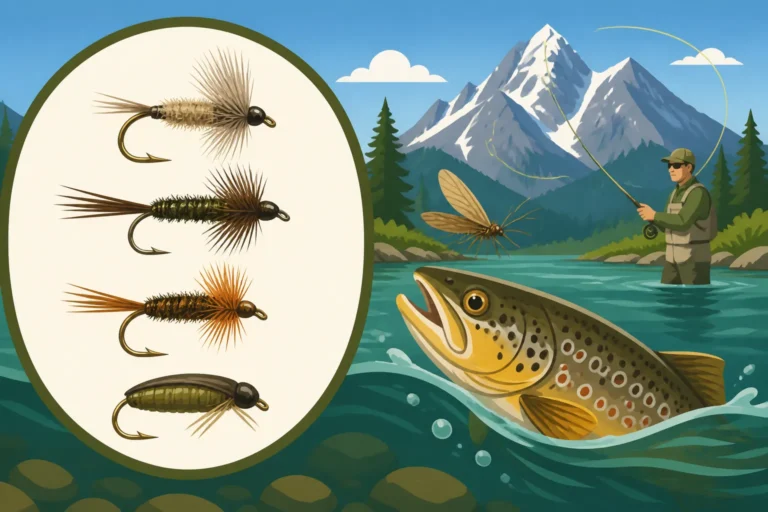
For fly anglers, this often means upsizing your nymphs and streamers. Think about patterns that imitate larger aquatic insects, leeches, or baitfish. Patterns like Woolly Buggers, Sculpzillas, or larger stonefly nymphs can be incredibly effective. Consider using a two-nymph rig with a larger pattern as your lead fly, imitating a substantial meal. During the fall, especially when brown trout are getting ready to spawn, stripping streamers through deeper runs and pools can entice aggressive strikes. You can find excellent selections of these types of flies and other gear on platforms like Amazon, ensuring you're ready for the pre-spawn bite.
Spin anglers will also find success with larger lures that mimic baitfish. Spoons, larger spinners, and crankbaits can be deadly. Focus on retrieving them in a way that suggests a fleeing or injured baitfish, triggering those aggressive, opportunistic strikes. Look for trout in their usual feeding lies – seams, eddies, and the heads of pools – but also pay attention to areas just upstream of known spawning grounds, as fish will stage there before moving into the shallower redds. This is also when some of the biggest trout of the year are often caught, as they are at their peak weight and activity levels. For more ideas on how to fish during this time, our article on Fall Fishing in Colorado, What Changes offers additional insights.
Fishing During the Spawn (Ethical Considerations and Techniques)
Fishing during the peak of the spawn is a nuanced topic, and it brings with it significant ethical considerations. Many anglers, myself included, advocate for leaving actively spawning fish undisturbed to ensure the health of future generations. However, if you do choose to fish, or if you encounter fish that are clearly not actively spawning but are in the general area, your techniques need to be incredibly subtle and respectful.
The golden rule here is simple: avoid actively spawning fish and their redds. Redds are usually distinguishable as clean, often oval-shaped patches of lighter-colored gravel in shallow, flowing water, often at the tail-outs of pools. Stepping on or disturbing redds can destroy eggs, so be vigilant about identifying and avoiding them. If you see fish actively paired up, digging, or defending a spot, it's best to move on.
If you are fishing in areas where some fish may be spawning, but you are specifically targeting non-spawning or post-spawning fish (which often hold in deeper, slower water nearby), subtle presentations are key. Small egg patterns, often fished under an indicator, can sometimes be effective, as trout eggs become a food source for other trout, especially when dislodged from redds. However, this is a contentious tactic among some ethical anglers. Alternatively, small nymphs that imitate a wide range of aquatic insects can pick up fish that are still feeding, albeit lightly. Focus on natural drifts and minimal disturbance. This is where mastering Nymphing Techniques for Colorado Tailwaters can really pay off, as it allows for precise presentations without overly aggressive tactics.
Finding Post-Spawn Trout
Post-spawn trout are exhausted and recovering, so your strategy should focus on offering easy meals in comfortable, low-energy environments. These fish are not likely to chase a fly or lure aggressively, but they will take readily available food.
Look for post-spawn trout in deeper, slower-moving water, often in pools, eddies, or along undercut banks where they can conserve energy and find shelter. They'll often be holding closer to the bottom, recuperating. Small, imitative nymph patterns that represent common aquatic insects are often very effective. Think about small baetis nymphs, midge larvae, or even tiny worms if using bait. Their appetite is returning, but they are still in a vulnerable state and won't expend much energy chasing food.
For spin anglers, small, subtle lures or natural baits presented slowly can work wonders. Drifting a small worm or a piece of corn through a deep run can entice a lethargic post-spawn fish. Light line and a delicate presentation are crucial to avoid spooking these recovering trout. The key is presenting food directly to them, making it an easy target that requires minimal effort to consume. As their energy returns, they will gradually move back into more active feeding lanes, and you can slowly transition back to more typical fishing methods.
Ethical Angling Practices Around Spawning Trout
When it comes to fishing in Colorado, respecting the fish and their environment is paramount, especially during spawning seasons. This isn’t just about following regulations; it’s about being a responsible steward of our natural resources. Ethical angling ensures healthy fish populations for generations to come, and frankly, it just feels better when you know you're doing right by the resource.
Protecting Spawning Beds (Redds)
Identifying and avoiding spawning beds, or redds, is perhaps the single most important ethical practice during trout spawning seasons. Disturbing redds can have a devastating impact on the reproductive success of a trout population.
Redds are depressions that female trout dig in gravel bottoms to lay their eggs. They typically appear as clean, oval-shaped patches of lighter-colored gravel, often at the tail-out of a pool or in other areas of moderate flow with good gravel substrate. The female uses her tail to fan away silt and debris, creating a clean bed for her eggs. You might see several such patches in a row where a female has made multiple "nests." The eggs themselves are often buried beneath a layer of gravel to protect them from predators and current, but disturbance can easily dislodge or damage them.
Anglers should always be on the lookout for these lighter patches when wading, especially in known trout streams during their respective spawning seasons. If you spot a redd, give it a wide berth. Wade around it, not through it. Even if you don't see fish actively on the redd, the eggs are still vulnerable. It’s a simple act of mindfulness that goes a long way in ensuring the future of our trout fisheries. Remember, healthy populations benefit everyone.
Minimizing Stress on Spawning Fish
Catching an actively spawning fish, even accidentally, can cause significant stress to an animal already under immense biological strain. When you encounter trout that are highly colored and obviously engaged in spawning, it's a good idea to reconsider your approach or move to a different location.
If you do hook a spawning-phase trout, the focus should be on landing and releasing it as quickly and gently as possible. Minimize its time out of the water. Use a rubber mesh net, if possible, as it is less damaging to a fish's protective slime coat and fins than knotted nylon nets. Keep your hands wet, and avoid squeezing the fish. Barbless hooks are also highly recommended, as they make for easier and quicker unhooking, reducing the fight time and physical trauma to the fish. Many of Colorado's Gold Medal Waters, for example, have specific regulations about barbless hooks. You can find excellent barbless hooks and quick-release tools on platforms like Amazon that can make this process smoother.
The goal is to allow the fish to return to its spawning duties with the best possible chance of survival and successful reproduction. For instance, our guide on Catch-and-Release Rules on Colorado's Cutthroat Waters provides excellent advice for handling these delicate fish. By practicing careful catch-and-release, we contribute to the long-term health and vitality of Colorado's incredible trout populations, ensuring that future generations of anglers can experience the thrill of connecting with these magnificent creatures.
Disclaimer
This article is for general informational purposes only and does not constitute professional advice. Laws, prices and regulations vary by location and change over time. Consult a qualified professional for guidance on your specific situation.