Colorado’s State Fish, the Greenback Cutthroat Trout
For many of us who cherish Colorado's pristine waters, the Greenback Cutthroat Trout is more than just a fish; it's a living legend, a symbol of resilience, and a testament to the wild spirit of the Rocky Mountains. But if you're like a lot of anglers, you might have heard its name tossed around without truly grasping the full weight of its story – from the brink of extinction to a painstaking journey of recovery. This guide aims to demystify Colorado's state fish, delving into its unique characteristics, its dramatic history, and the crucial efforts being made to ensure its survival for generations to come.
The Iconic State Fish What Makes the Greenback So Special?
The Greenback Cutthroat Trout holds a special place in the hearts of Coloradans, a connection that runs deeper than just its status as a native species. It's an emblem, recognized and celebrated throughout the state, yet its actual presence in the wild is often quite rare. Understanding what makes this trout so distinct and why it carries such symbolic weight is the first step in appreciating its profound significance.
A Legacy Etched in Colorado's Identity
Officially designated as Colorado's state fish, the Greenback Cutthroat Trout (Oncorhynchus clarkii stomias) isn't just a biological specimen; it's a cultural cornerstone. Its journey mirrors the state's own rugged history, from boom to near-bust and now, a determined resurgence. This isn't just a fancy title; it’s a recognition of a species that embodies the wild, untamed beauty of Colorado’s high-country streams and alpine lakes, where it once thrived in abundance.
Its designation as the state fish serves as a constant reminder of the importance of conservation and the delicate balance within our ecosystems. For many, seeing a pure Greenback in its native waters is like spotting a rare mountain lion or a bighorn sheep—a truly special encounter that connects you to the raw, natural heritage of the Rockies. It represents a living link to the past, reminding us of the pristine conditions that once defined Colorado's waterways before human expansion dramatically altered the landscape.
The Greenback embodies an intrinsic value, not just as a game fish, but as a crucial component of the state’s biodiversity. Its recovery is a narrative of hope, showing what dedicated effort and scientific understanding can achieve even in the face of daunting environmental challenges. This connection to the Greenback helps to foster a sense of stewardship among residents and visitors alike, encouraging a deeper respect for all of Colorado's natural treasures.
Physical Characteristics and Identification
Identifying a true Greenback Cutthroat Trout can be a challenge, even for experienced anglers, largely because of historical interbreeding with other trout species and mistaken identities that plagued early recovery efforts. However, there are some key physical characteristics that distinguish the Greenback, especially when you compare it to its cousins like the Colorado River Cutthroat Trout, Where to Find Them or the Rio Grande Cutthroat Trout in the San Luis Valley.
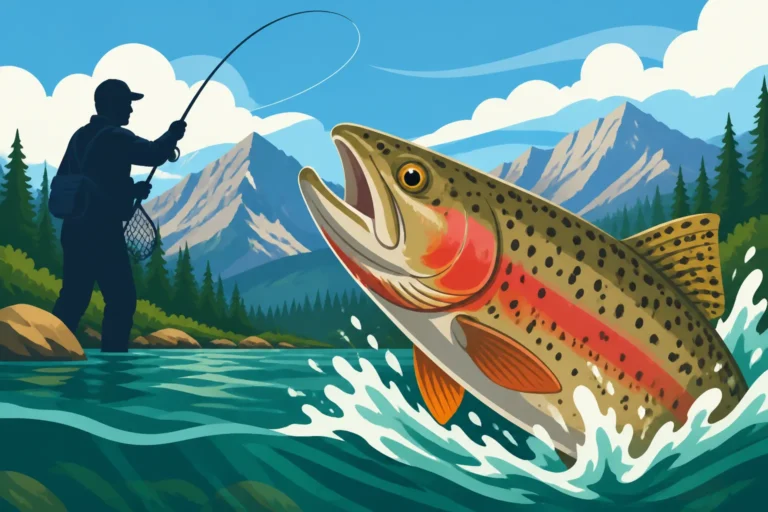
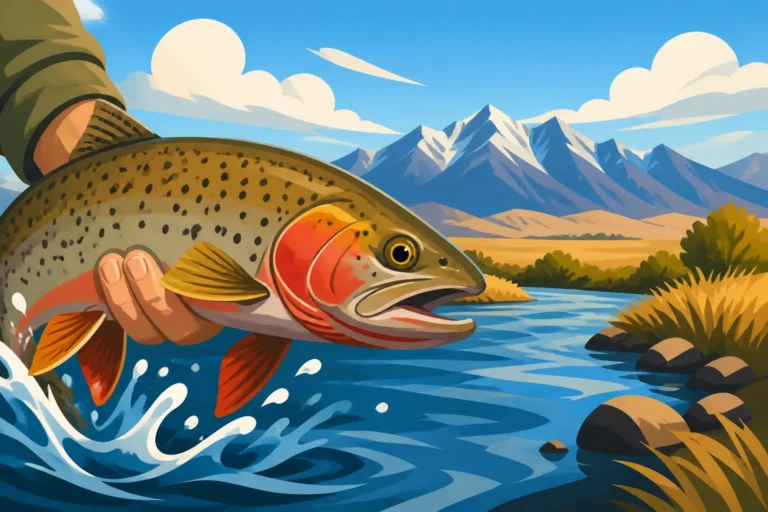
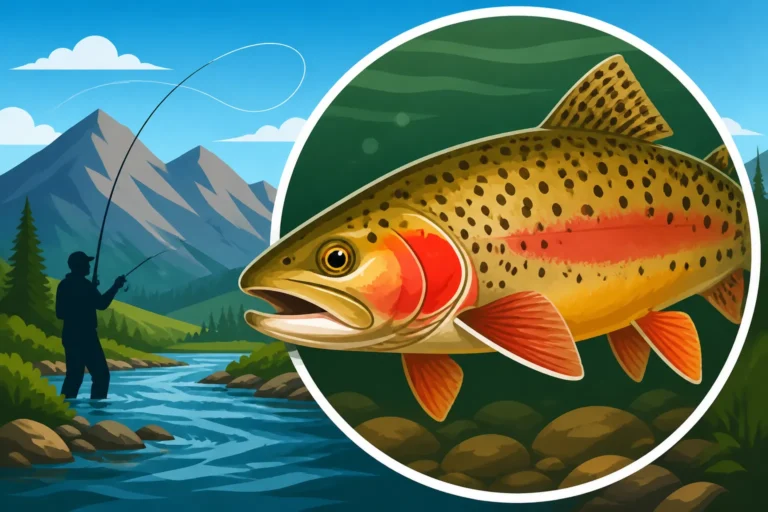
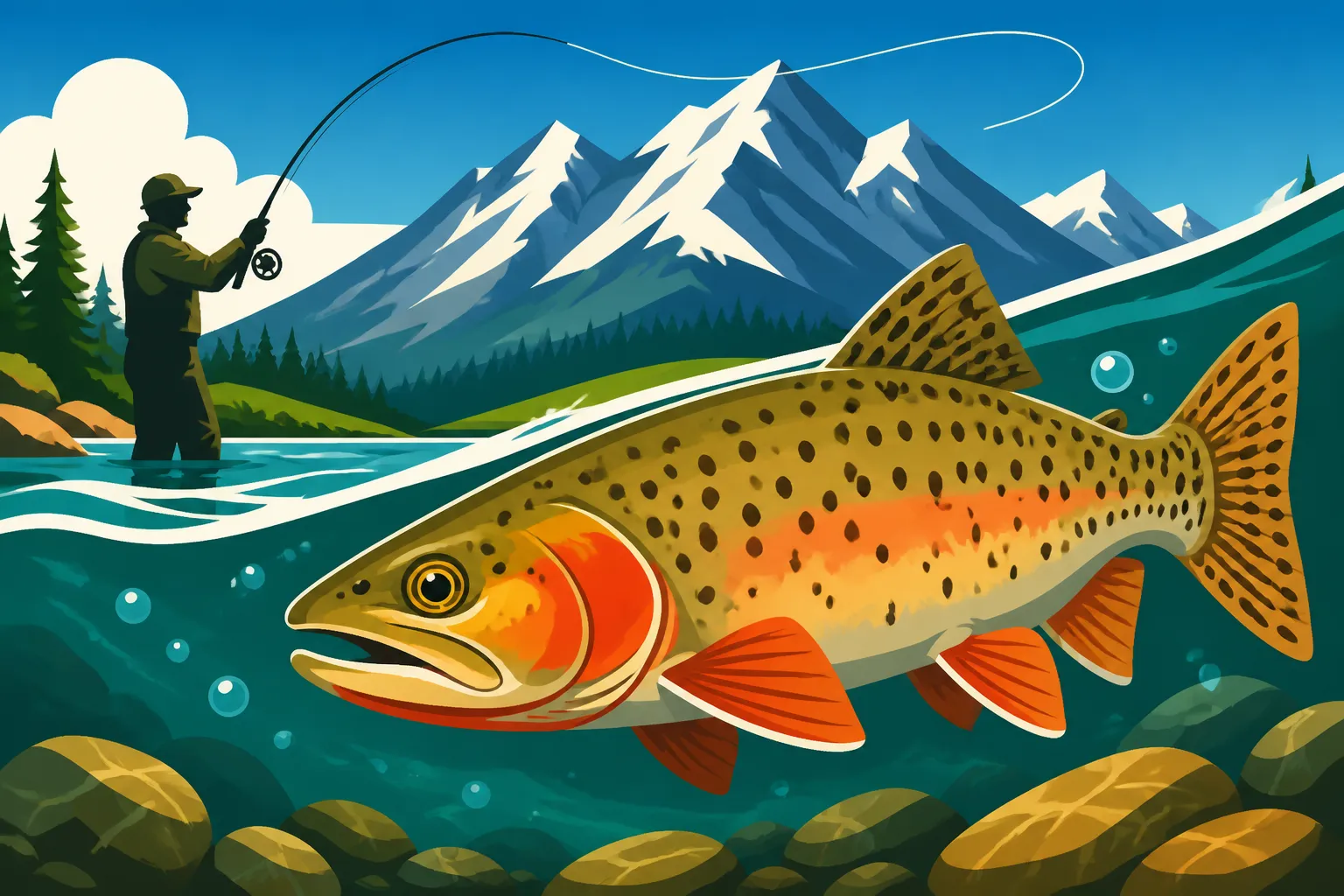
A defining feature, common to all cutthroat subspecies, is the distinct red, orange, or yellowish "cutthroat" slash marks found in the folds beneath the lower jaw. On a Greenback, these slashes are often a vibrant orange or red. Beyond that, Greenbacks typically display a dark olive to green-gray body coloration on their backs, fading to silvery or yellowish sides, and sometimes a faint pink lateral stripe. Their spots are generally small, numerous, and concentrated more heavily towards the tail, becoming sparser or absent on the front half of the body. The fins, particularly the pectoral, pelvic, and anal fins, can often exhibit a beautiful orange-red tint, especially during spawning season.
It's crucial to understand that coloration can vary depending on habitat, diet, and age. A Greenback in a clear, rocky stream might look slightly different from one in a darker, more vegetated pond. The challenge often lies in distinguishing them from rainbow trout hybrids, known as "cutbows" (What Makes a Cutbow a Hybrid), which can sometimes exhibit faint cutthroat marks but lack the genetic purity. Truly knowing if you've caught a Greenback often requires genetic testing, a process that has been instrumental in the recovery efforts, as scientists seek out and confirm pure populations.
Unique Adaptations for High-Altitude Living
The Greenback Cutthroat Trout is a marvel of natural selection, having evolved specific adaptations that allow it to thrive in the harsh and often unforgiving high-altitude environments of the Rocky Mountains. These adaptations are what allowed it to be the dominant trout species in its native range for millennia.
One of its most significant adaptations is its remarkable tolerance for cold water. Greenbacks are perfectly suited for the frigid, oxygen-rich waters found in alpine streams and lakes, where water temperatures rarely climb high enough to support less hardy species. They can survive and even flourish in conditions that would stress or kill many other trout. This cold tolerance is particularly important during the long Colorado winters, when streams are often ice-covered and food sources are scarce.
Their feeding habits are also well-tuned to their environment. In these high-country habitats, insect hatches can be sporadic, and food availability can fluctuate dramatically. Greenbacks are opportunistic feeders, capable of preying on a wide variety of aquatic and terrestrial insects, small crustaceans, and even smaller fish when available. This versatility in diet ensures their survival when specific food sources are seasonal or limited. Furthermore, their spawning behavior is perfectly timed to the spring snowmelt, allowing their fry to emerge when water levels are optimal and new food sources begin to proliferate, giving them the best chance for survival in an otherwise challenging environment.
A History of Near Extinction and the Fight for Survival
The Greenback Cutthroat Trout's story isn't just one of natural beauty; it's a dramatic saga of human impact, near-total loss, and an inspiring journey back from the brink. Its decline was rapid and severe, largely mirroring the intense development and resource extraction that swept through Colorado in the 19th and early 20th centuries.
The Gold Rush and Its Devastating Impact
The mid-1800s saw a massive influx of people into Colorado, driven by the lure of gold and silver. This period, often romanticized in history, proved catastrophic for the Greenback Cutthroat Trout. The burgeoning mining industry required vast amounts of water and led to widespread environmental degradation. Rivers and streams, once crystal clear, became dumping grounds for mining waste, tailings, and chemical runoff, poisoning the very waters that Greenbacks called home.
Logging operations, needed to fuel smelters and construct towns, stripped vast tracts of forests, leading to massive erosion. Sediment choked spawning beds and filled in the deep pools that trout relied on for shelter. Beyond direct habitat destruction, early settlers, fueled by necessity and a lack of regulation, engaged in extensive overfishing. Wagonloads of trout were taken from streams to feed booming mining camps, with little regard for sustainable practices. The cumulative effect was a rapid and dramatic decline in Greenback populations, pushing them to the edge of extinction within decades.
This unchecked exploitation of natural resources didn't just impact the fish; it fundamentally altered entire ecosystems. The complex web of life in these watersheds began to unravel, and the Greenback, as an apex predator in many of its native streams, was one of the first major casualties of this environmental onslaught. The sheer scale of human activity overwhelmed the capacity of these delicate mountain environments to recover naturally.
The Introduction of Non-Native Species
As if habitat destruction and overfishing weren't enough, another insidious threat emerged: the widespread introduction of non-native fish species. As Greenback populations dwindled, fish stocking programs began, often with well-intentioned but ultimately disastrous consequences. Rainbow trout, brown trout, brook trout, and even other subspecies of cutthroat from different drainages were brought into Colorado waters.
These non-native species were often more aggressive, outcompeting the native Greenbacks for limited food resources and prime habitat. Even more damaging was the genetic threat. Rainbow trout, in particular, could easily interbreed with Greenbacks, creating hybrid "cutbows" that diluted the pure Greenback gene pool. Why Interbreeding Threatens Native Cutthroat Populations explains this phenomenon in greater detail, but essentially, it meant that even if a stream had some Greenback populations left, their genetic integrity was compromised by the introduction of foreign genes.
Brown trout, known for their predatory nature, also posed a significant threat, preying on young Greenbacks and competing for insects. Brook trout, while smaller, reproduced rapidly and could quickly colonize smaller headwater streams, displacing native cutthroat populations. This biological invasion created a complex and challenging problem for Greenbacks, as they faced threats from all angles – a poisoned environment, competition, predation, and genetic erosion. The landscape of Colorado's fisheries was forever changed, making the task of identifying and recovering pure Greenbacks incredibly difficult.
The Long Road to Rediscovery and Protection
For many decades, it was widely believed that the Greenback Cutthroat Trout was extinct. The last known pure populations were thought to have vanished by the early 1900s. However, a dedicated group of biologists and conservationists refused to give up hope. Their journey to rediscovery was fraught with challenges, often complicated by the fact that many of the cutthroat populations in Colorado were actually hybrids or other subspecies that had been misidentified as Greenbacks.
The turning point came with the advent of advanced genetic analysis. In the 1970s and 80s, scientists began to use new techniques to analyze the DNA of trout populations across Colorado. This painstaking work revealed a shocking and hopeful truth: a tiny, genetically pure population of Greenback Cutthroat Trout was found in a small, isolated stream called Bear Creek, high in the remote reaches of the Arkansas River drainage. This discovery was monumental, confirming that the species was not extinct, but clinging to survival in a mere handful of locations.
This rediscovery ignited an intensive conservation effort. Federal and state agencies, including Colorado Parks and Wildlife, along with numerous non-profit organizations, rallied to protect these precious few populations. The species was eventually listed under the Endangered Species Act, providing critical legal protections and resources for its recovery. This marked the beginning of a long and arduous road, shifting from merely finding the fish to actively restoring its numbers and habitats, a task that continues to this day.
The Intricacies of Greenback Recovery Efforts
The recovery of the Greenback Cutthroat Trout is one of the most complex and scientifically rigorous conservation projects in Colorado. It’s not simply about stocking fish; it’s about rebuilding an entire ecological niche and safeguarding genetic integrity against myriad threats. This multi-faceted approach requires advanced science, dedicated fieldwork, and long-term commitment.
Genetic Purity and Identification Challenges
At the heart of Greenback recovery lies the incredibly challenging task of ensuring genetic purity. Because of historical stocking practices and the ease with which cutthroat trout can interbreed with rainbow trout and other cutthroat subspecies, many visually "cutthroat-like" populations are, in fact, hybrids or even non-native strains. This makes identifying a true, pure Greenback a monumental undertaking.
Biologists use sophisticated genetic testing techniques (How Colorado Genetically Tests Cutthroat Populations) to analyze tissue samples from suspected Greenback populations. This DNA analysis is the definitive method for distinguishing pure Greenbacks from hybrids or other subspecies. It’s a painstaking process, requiring countless hours of fieldwork to collect samples and laboratory work to process them. Without this genetic confirmation, any recovery effort risks introducing non-native genes back into pure Greenback populations, undoing decades of conservation work.
The challenge is amplified by the visual similarities between cutthroat subspecies and hybrids. Anglers and even experienced biologists can struggle to differentiate them in the field based on appearance alone. This underscores why genetic verification is paramount and why recovery efforts proceed with extreme caution, often isolating populations to prevent any further genetic dilution. This careful, science-driven approach is fundamental to the long-term success of the Greenback's comeback.
Habitat Restoration and Stream Barriers
Even with genetically pure Greenbacks, they won't survive without suitable habitat. A critical component of the recovery effort involves restoring and protecting the streams and lakes where these fish can thrive, free from competition and genetic mixing. This often means returning degraded habitats to their natural state and implementing strategic barriers.
Habitat restoration projects can include removing obsolete dams, stabilizing eroding stream banks with native vegetation, and improving riparian zones to provide shade and reduce water temperatures. These efforts aim to recreate the clean, cold, complex stream environments that Greenbacks need for spawning, feeding, and protection. Anglers looking for durable, high-quality waders for stream access often find a good selection on Amazon, which can be useful when participating in volunteer restoration events or simply navigating rugged terrain near these sensitive habitats.
Crucially, biologists construct natural and man-made barriers on streams to prevent non-native fish from migrating upstream into Greenback recovery waters. These barriers, which can range from carefully designed rock structures to small, impassable waterfalls, ensure that the isolated Greenback populations remain genetically pure and free from competition with rainbow trout or other species. While they might seem like an artificial intervention, these barriers are often a necessary measure to correct past human impacts and provide a safe sanctuary where Greenbacks can repopulate without threat of genetic contamination.
Brood Stock Programs and Repopulation
Once genetically pure Greenbacks are identified, and suitable habitats are prepared, the next step in the recovery process involves brood stock programs and strategic repopulation. This is where the long-term efforts to increase the Greenback's numbers really take hold.
Brood stock programs involve carefully collecting a small number of genetically pure Greenbacks from existing wild populations or from the few remaining historic sites. These fish are then taken to specialized hatcheries, such as those operated by Colorado Parks and Wildlife, where they are meticulously managed and bred in captivity. The goal is to create a healthy, diverse genetic pool of Greenbacks that can be used to reintroduce the species into new, restored habitats. This captive breeding ensures a stable supply of fish for stocking without further depleting fragile wild populations.
Once the hatchery-raised Greenbacks reach a suitable size, they are then transported and released into designated recovery waters. These waters are carefully selected based on habitat suitability, the absence of non-native trout, and the presence of natural or man-made barriers to prevent genetic mixing. Specialized nets or traps for fish transfer might be found on Amazon, aiding in the safe relocation of these precious fish. These releases are often conducted in remote, high-country areas, sometimes requiring helicopter drops or arduous backpack treks to ensure the fish reach pristine, isolated streams and lakes where they have the best chance of survival. This strategic repopulation is a slow but steady process, gradually expanding the Greenback's range and securing its future.
Where to Find (and Legally Fish For) Greenback Cutthroat Trout
For many anglers, the dream of catching a Greenback Cutthroat is powerful, but it’s crucial to approach these encounters with respect and a deep understanding of the regulations. Because of their endangered status, fishing for Greenbacks is not like fishing for other trout in Colorado; it requires specific knowledge and strict adherence to rules designed to protect them.
Designated Recovery Waters
While the Greenback Cutthroat Trout is Colorado's state fish, it's not found in every stream or lake. Its presence is restricted to very specific, designated recovery waters, often remote and carefully managed. These areas are sanctuaries where biologists are working diligently to restore and expand Greenback populations. They are typically smaller, headwater streams and isolated alpine lakes that have been cleared of non-native fish and protected with barriers.
You won't find a comprehensive list of every single Greenback stream published widely, and for good reason—to protect these fragile populations from undue fishing pressure. However, Colorado Parks and Wildlife does provide general guidance and sometimes outlines larger recovery areas where Greenbacks are known to exist or have been reintroduced. A good place to start your research is often the Colorado's Fishing Atlas Shows You, which provides details on specific water bodies and their regulations. These waters are almost always in high-elevation wilderness areas, requiring significant hiking and careful navigation to access. Always check the very latest regulations for any specific body of water you intend to fish, as rules can change frequently to support conservation goals.
It's important to understand that even within these recovery waters, Greenback populations can still be very delicate. Anglers who seek out these special places are often those who are deeply committed to conservation and understand that the experience is more about the presence of the fish than the act of harvesting.
Strict Regulations for Greenback Waters
Fishing for Greenback Cutthroat Trout, or in waters where they are present, comes with some of the strictest regulations in Colorado. These rules are not arbitrary; they are meticulously crafted by Colorado Parks and Wildlife (CPW) and federal agencies to ensure the survival and recovery of this endangered species. Ignoring these rules can lead to severe penalties and, more importantly, can set back crucial conservation efforts.
The most common regulation you'll encounter in Greenback recovery waters is "catch-and-release only" for all trout. This means that every single fish you catch must be immediately and carefully returned to the water unharmed. Furthermore, many of these waters are designated as "artificial flies and lures only," often requiring Barbless Hook Rules on Colorado Rivers to minimize harm to the fish. The use of bait is almost universally prohibited in Greenback waters (Colorado Bait Restrictions and Where They Apply), as bait can increase mortality rates and introduce non-native species.
Before you even consider targeting an area where Greenbacks might reside, it is absolutely imperative to consult the current Colorado Fishing Regulations brochure or the CPW website. These resources will provide precise details on specific water segments, permissible tackle, and bag/possession limits (which will typically be zero for Greenbacks). Keep in mind that Is It Legal to Keep a Greenback Cutthroat Trout? is almost always answered with a resounding "no" for good reason. These rules are non-negotiable and are strictly enforced by wildlife officers.
The Ethics of Fishing for a Recovering Species
Angling for a recovering species like the Greenback Cutthroat Trout comes with a profound ethical responsibility. It's not just about following the rules; it's about adopting practices that prioritize the fish's well-being above all else. Your actions on the water can directly impact the survival rates of these critically important fish.
The paramount ethical consideration is to minimize stress and ensure the highest possible survival rate for every fish you catch and release. This means practicing proper How to Handle Trout for a Safe Release: wetting your hands before touching the fish, keeping it in the water as much as possible, using barbless hooks for easy removal, and minimizing the time it's out of the water for photos. A good quality, rubberized landing net (often found on Amazon) can be invaluable, as it protects the fish's slime coat and fins far better than traditional knotted nets.
Beyond technique, it's about mindset. An ethical angler understands that in Greenback waters, the act of catching is a privilege, not a right, and the ultimate goal is conservation. This means choosing not to fish when conditions are stressful for fish (like extremely hot water temperatures), being willing to leave an area if you notice signs of stress or over-pressure on the fish, and never pushing the limits of the regulations. The opportunity to even encounter a Greenback is a special experience, and protecting it for future generations is the highest form of respect an angler can show.
Distinguishing Greenbacks from Other Cutthroat Subspecies
The world of cutthroat trout in Colorado is a fascinating but often confusing one. With several native subspecies and widespread hybridization, telling a true Greenback from its cousins or a hybrid can be a real head-scratcher. While genetics are the ultimate arbiter, understanding key visual cues and geographic distribution can certainly help anglers make educated guesses in the field.
The "Red Slash" and Other Markings
The most common and unifying characteristic across all cutthroat trout is the distinct red, orange, or yellow "cutthroat" slash mark found on the underside of their jaw. While present in all cutthroat subspecies, the intensity and color can sometimes offer a subtle clue. For Greenbacks, this mark is often described as being particularly vibrant. Beyond this, their spot patterns are one of the most reliable visual indicators.
Greenbacks typically have small, numerous spots that are most concentrated towards the tail, often extending onto the caudal fin. The spots tend to be sparse or completely absent on the anterior (front) half of their body, particularly above the lateral line. In contrast, a rainbow trout or a cutbow will often have more evenly distributed spots across its entire body, including the head and gill plates. The overall body coloration of a Greenback can also be a hint: an olive-green to greenish-gray back that fades to lighter, often silvery or yellowish sides, sometimes with a faint pinkish lateral stripe, is characteristic. Other cutthroat subspecies, like the Colorado River Cutthroat, might have larger, more irregularly shaped spots, or different background coloration. Colorado's Native Cutthroat Trout Subspecies provides a great overview of these differences.
The challenge intensifies when dealing with "cutbows"—hybrids between rainbow and cutthroat trout. These fish can display a mix of characteristics, often having the cutthroat slash but with spotting more akin to a rainbow, or an intermediate pattern. This is why reliance on visual cues alone can be misleading, and why the strictest catch-and-release rules are applied in all potential Greenback waters.
Geographical Distribution as a Clue
While physical characteristics are helpful, knowing the geographical distribution of Colorado's native cutthroat subspecies is perhaps an even stronger clue to identification. Each native cutthroat subspecies is generally confined to its historic native range, corresponding to specific major river drainages.
The Greenback Cutthroat Trout's native range historically covered the South Platte River and Arkansas River drainages, east of the Continental Divide. Therefore, if you are fishing a small, isolated stream in the headwaters of one of these drainages, particularly if it's a designated recovery water, the likelihood of encountering a Greenback increases. Conversely, if you're fishing in the Colorado River drainage on the Western Slope, any native cutthroat you encounter is far more likely to be a Colorado River Cutthroat Trout. Similarly, in the Rio Grande River drainage in the San Luis Valley, you would expect to find Rio Grande Cutthroat Trout.
This geographical knowledge is crucial because it informs where conservation efforts are focused for each specific subspecies. However, it's not a foolproof system. Past stocking practices mean that some non-native cutthroat subspecies or hybrids might exist outside their historical ranges. Always remember that any fish identified as a Greenback must meet strict genetic criteria, and angling regulations in these areas are designed to protect anything that might be a Greenback, regardless of visual identification. A good pair of polarized sunglasses, easily found on Amazon, can greatly aid in spotting fish and observing their markings in clear water, though it doesn't replace scientific identification.
The Challenge of Identifying Hybrids
One of the greatest challenges in Greenback conservation and identification is the pervasive presence of hybrids, particularly "cutbows"—the result of interbreeding between rainbow trout and cutthroat trout. These hybrids are incredibly common in many Colorado waters and can make visual identification of a pure Greenback nearly impossible for the untrained eye.
Cutbows often exhibit a confusing mix of traits. They might have a faint cutthroat slash, but their spotting pattern could lean more towards a rainbow. Their overall body shape and coloration can also be ambiguous. The problem is compounded by the fact that multiple generations of hybridization can occur, leading to a wide spectrum of genetic mixes that defy simple visual categorization. This genetic dilution is precisely Why Interbreeding Threatens Native Cutthroat Populations is such a critical concern for conservationists.
For anglers, this means that unless you are in a stream that has been meticulously managed and genetically verified for pure Greenbacks, any cutthroat-like fish you catch should be treated with the utmost care and released promptly. The only definitive way to confirm if a fish is a pure Greenback or a hybrid is through genetic testing performed by trained professionals. This scientific rigor ensures that recovery efforts are focused on truly pure populations, giving the Greenback the best chance at long-term survival without the threat of further genetic contamination.
How Anglers Can Support Greenback Conservation
Anglers, by their very passion for fishing, are often the strongest allies in conservation. For a species as iconic and imperiled as the Greenback Cutthroat Trout, responsible angling practices and active support are not just helpful; they are absolutely vital to its ongoing recovery.
Following Regulations and Practicing Catch-and-Release
The most direct and impactful way an angler can support Greenback conservation is by meticulously following all fishing regulations in Greenback waters and practicing flawless catch-and-release. These aren't just suggestions; they are legal requirements designed to give every Greenback the best chance of survival.
In designated Greenback recovery waters, regulations are typically very strict, often mandating artificial flies and lures only, barbless hooks, and, critically, zero bag limits—meaning all fish must be released. It is your responsibility to know and understand the specific rules for the water you are fishing by checking the latest Colorado Fishing Regulations brochure. Ignorance of the law is never an excuse, and violations carry serious consequences for both the angler and the fish.
Beyond compliance, practicing proper catch-and-release techniques is paramount. This means minimizing the fight time, keeping the fish in the water as much as possible, handling it gently with wet hands if necessary, removing the hook quickly, and allowing the fish to recover fully before release. Using a rubber mesh landing net, rather than a knotted nylon one, dramatically reduces harm to the fish's protective slime coat and delicate fins. Every fish that swims away healthy is a victory for Greenback conservation, contributing to the slow, painstaking process of rebuilding populations.
Supporting Conservation Organizations
While individual angler actions are crucial, the large-scale, coordinated efforts needed for Greenback recovery require the resources and expertise of dedicated conservation organizations. Supporting these groups, whether through financial contributions or volunteering, is another powerful way anglers can make a difference.
Organizations like Trout Unlimited have been at the forefront of coldwater conservation for decades, often leading and funding projects specifically aimed at native trout recovery, including the Greenback. These groups employ scientists, lobby for protective legislation, organize habitat restoration workdays, and educate the public. Your membership dues or direct donations directly fuel these vital initiatives, helping to fund genetic research, barrier construction, stream rehabilitation, and brood stock programs.
Beyond financial support, consider volunteering your time. Many local chapters of conservation groups organize workdays to plant riparian vegetation, remove invasive species, or clean up stream banks. Participating in these activities not only provides tangible benefits to Greenback habitat but also offers a chance to learn more about the ecosystem and connect with like-minded individuals. A good water-resistant field guide, many of which can be ordered from Amazon, can be invaluable for identifying native plants and insects while volunteering. Your support, in any form, directly contributes to the collective effort to bring Colorado's state fish back to its former glory.
Educating Others and Spreading Awareness
As anglers, you are often ambassadors for the waterways and the fish that inhabit them. Educating others about the Greenback Cutthroat Trout and its conservation needs is a simple yet incredibly effective way to support its recovery. Many people are simply unaware of the Greenback's story, its endangered status, or the importance of proper angling etiquette in sensitive areas.
Start by sharing your knowledge respectfully. When you encounter fellow anglers on the water, especially in or near Greenback recovery areas, engage them in conversation about the specific regulations, the importance of catch-and-release, and the unique history of the Greenback. Gently explain why these rules are in place – that they're not just arbitrary restrictions, but vital safeguards for a struggling species. Share stories of the recovery efforts and the fragility of these precious populations.
You can also leverage your social networks, both online and off, to disseminate accurate information. Promote articles, videos, and news from reputable conservation organizations and Colorado Parks and Wildlife. By fostering a greater understanding and appreciation for the Greenback, you help to build a broader constituency for its protection. Discourage illegal practices if you witness them, and always report serious violations to CPW, because every Greenback's life truly matters. Your voice and your example can inspire others to become stewards of this iconic Colorado treasure.
The Future of Colorado's State Fish
The journey of the Greenback Cutthroat Trout has been one of epic struggle and inspiring perseverance. While significant progress has been made, the path to full recovery is still long and fraught with challenges. However, the dedicated efforts of scientists, conservationists, and responsible anglers offer a powerful beacon of hope for Colorado's state fish.
Ongoing Challenges and Threats
Despite the remarkable strides in Greenback Cutthroat Trout recovery, several persistent challenges and emerging threats continue to jeopardize its future. The delicate balance of high-altitude ecosystems means that even minor disruptions can have significant impacts on these fragile populations.
Climate change stands as a major long-term threat. Warming temperatures can reduce the amount of cold, oxygen-rich water that Greenbacks require, pushing them further into higher, more isolated headwaters. Reduced snowpack and prolonged drought periods also mean lower stream flows and warmer water, increasing stress on the fish and exacerbating competition for dwindling resources. These environmental shifts necessitate adaptive management strategies and constant monitoring.
The risk of continued non-native fish introductions, whether accidental or intentional, remains a serious concern. A single unauthorized stocking of rainbow trout in a Greenback stream could undo years of meticulous genetic work. Habitat fragmentation, though addressed by some barrier projects, still limits the Greenback's ability to naturally expand its range and adapt to changing conditions. Additionally, natural events like wildfires and floods, which are increasing in frequency and intensity, can devastate entire stream segments and wipe out small, isolated populations, highlighting the need for redundant populations across multiple recovery sites.
The Promise of Continued Recovery
Despite the daunting challenges, the future of the Greenback Cutthroat Trout holds immense promise. The scientific community continues to advance its understanding of cutthroat genetics and ecology, leading to more effective recovery strategies. New technologies for genetic testing, habitat assessment, and fish relocation are constantly being developed and refined, improving the efficiency and success rates of conservation efforts.
Colorado Parks and Wildlife, in partnership with federal agencies and numerous non-profit organizations, remains deeply committed to the Greenback's long-term recovery. Their ongoing work in identifying new pure populations, establishing more brood stock programs, and restoring additional habitats steadily expands the Greenback's footprint across its native range. The creation of robust, self-sustaining populations in multiple, protected stream systems is the ultimate goal, providing a buffer against localized environmental disasters and ensuring genetic diversity.
For anglers, this continued recovery offers the tantalizing prospect of more opportunities to responsibly engage with this iconic species. While widespread fishing for Greenbacks may still be a distant future, the expansion of their range means more chances to visit the pristine, high-country waters they inhabit, even if it's primarily for catch-and-release observation. This vision of a thriving Greenback population is a powerful motivator for everyone involved in its conservation.
The Greenback as a Conservation Success Story
The story of the Greenback Cutthroat Trout, though still unfolding, is already recognized as a significant conservation success story, particularly when viewed against its near-extinction. It stands as a powerful testament to what can be achieved through dedicated human effort, scientific ingenuity, and a collective commitment to environmental stewardship.
From a point where the species was declared extinct and then later found clinging to life in a single isolated creek, the journey back has been arduous. It has involved overcoming complex genetic puzzles, restoring severely degraded habitats, battling invasive species, and navigating the ever-present pressures of human development. The Greenback's comeback demonstrates that even species on the very edge of oblivion can be pulled back through concerted, long-term conservation programs.
This isn't just a win for a single fish species; it's a win for Colorado's natural heritage and a powerful symbol of hope for other endangered species facing similar threats. The Greenback's resilience inspires us to believe that with continued vigilance, funding, and ethical engagement from all stakeholders—including passionate anglers—we can indeed protect and restore the precious biodiversity that makes Colorado such a unique and cherished place. It's a reminder that every effort, no matter how small, contributes to a larger legacy of conservation for generations to come.
Comparison of Colorado Native Cutthroat Subspecies
| Feature | Greenback Cutthroat Trout | Colorado River Cutthroat Trout | Rio Grande Cutthroat Trout |
|---|---|---|---|
| Native Range | South Platte and Arkansas River drainages (East Slope) | Colorado River, Yampa, White River drainages (West Slope) | Rio Grande River drainage (San Luis Valley) |
| Spots | Small, numerous; concentrated towards tail, sparse on front | Irregularly shaped; often spread more evenly | Larger, fewer spots; often concentrated towards tail |
| Lateral Stripe | Often faint pinkish stripe or absent | Usually distinct reddish-orange lateral stripe | Distinct red-orange lateral stripe |
| Body Color | Olive-green to greenish-gray back, silvery/yellow sides | Golden-yellow to bronze body, darker back | Olive-green to dark brown back, golden-yellow sides |
| Cutthroat Slash | Typically vibrant orange or red | Often dark red to orange | Bright red or orange |
| Conservation Status | Federally Threatened, subject to strict recovery efforts | Recovering, but still managed to prevent hybridization | Recovering, still managed due to limited populations |
| Fishing | Mostly catch-and-release in designated recovery waters | Limited take in some areas, check regulations carefully | Limited take in some areas, check regulations carefully |
Disclaimer
This article is for general informational purposes only and does not constitute professional advice. Laws, prices and regulations vary by location and change over time. Consult a qualified professional for guidance on your specific situation.