Colorado River Cutthroat Trout, Where to Find Them
One of the most rewarding pursuits in Colorado fishing is seeking out our native trout. It can feel like a real challenge, though, trying to figure out which elusive pockets of water still hold the pure strains of fish that were here long before roads and modern development. This guide is here to unravel that mystery, focusing specifically on the Colorado River Cutthroat Trout, helping you understand where these beautiful fish thrive and how to approach their fragile habitats responsibly.
The Enduring Charm of the Colorado River Cutthroat Trout
For many of us who wet a line in Colorado, there's a deep-seated connection to the land and its history. The Colorado River Cutthroat Trout (CRCT) embodies a significant piece of that living history. These aren't just any trout; they are direct descendants of the fish that swam these waters for millennia, long before the first European settlers arrived. Their presence speaks to the health of our watersheds and the wild spirit of the Rockies. When you cast a fly or flick a lure into a stream known to hold CRCT, you're not just fishing; you're engaging with a legacy.
A Glimpse into Colorado's Angling History
Imagine what it must have been like for early explorers and settlers, finding these vibrant, speckled fish in nearly every clear mountain stream. The CRCT was once widespread throughout the Colorado River Basin, a cornerstone of the aquatic ecosystem. Their sheer abundance was a testament to the pristine nature of these high-altitude environments. Over time, however, things changed. Non-native trout species were introduced, habitats were altered by logging, mining, and development, and the CRCT faced immense pressures. It's a sad chapter in our angling past, but understanding it helps us appreciate the crucial conservation efforts happening today.
This historical context is vital because it explains why finding pure strains of CRCT can be such a quest. Many waters that once teemed with these fish now hold rainbows, browns, or even hybrid "cutbows" – a mix of rainbow and cutthroat genes. The work of identifying and restoring true CRCT populations is a testament to dedicated biologists and passionate anglers who want to preserve this unique part of Colorado's heritage. Their efforts have carved out sanctuaries where these native trout can once again flourish, offering us a chance to connect with a living piece of the past.
Why This Native Trout Captures Our Imagination
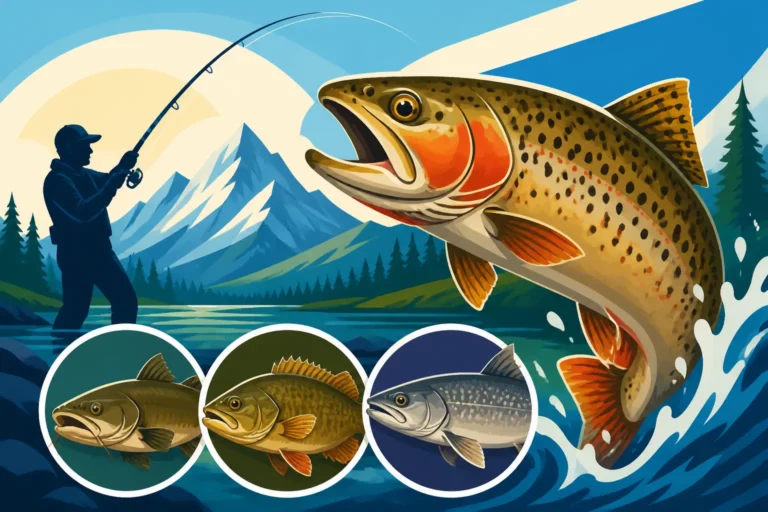
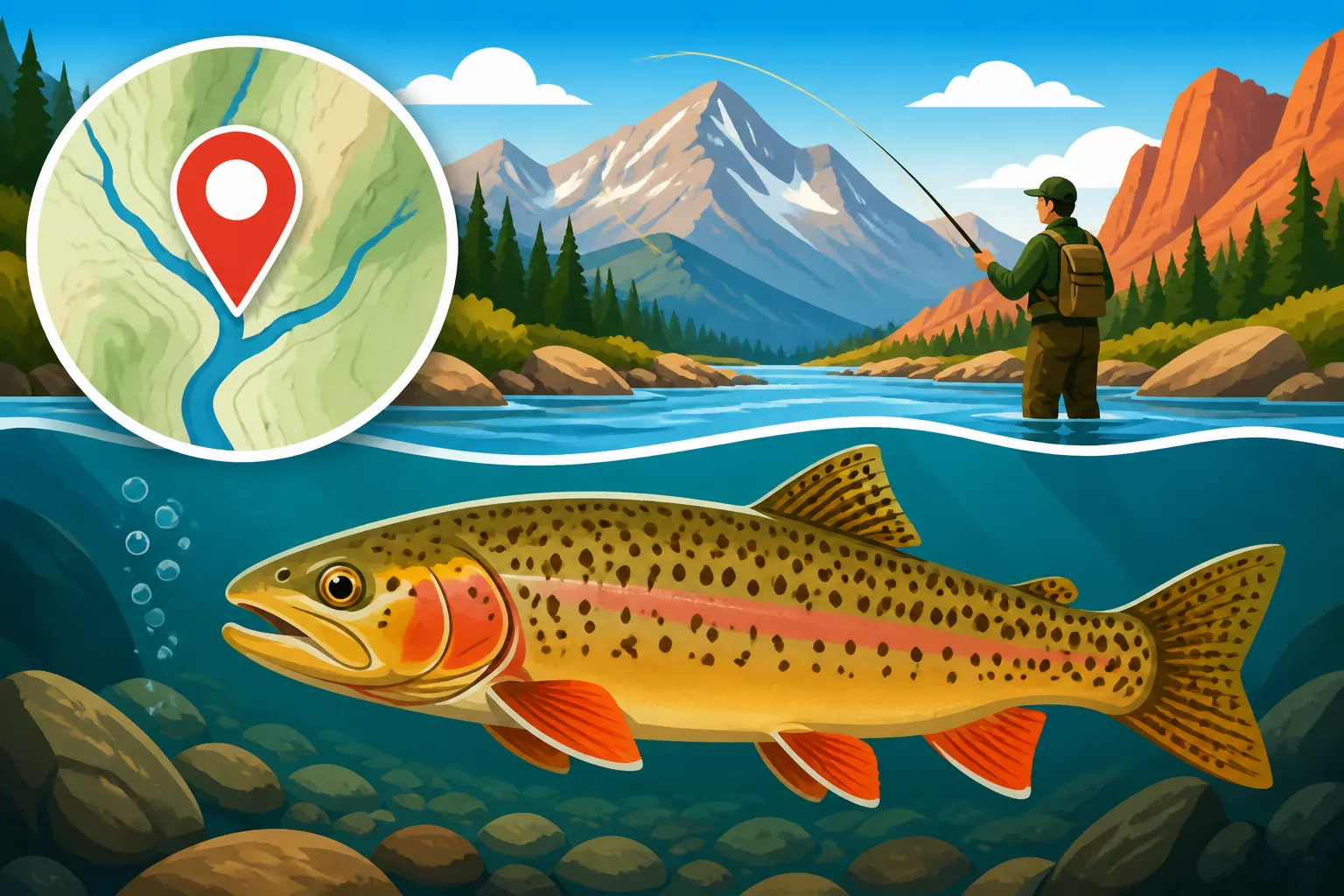
There's something uniquely special about holding a fish that truly belongs, a native son or daughter of these mountains. The Colorado River Cutthroat Trout, with its distinctive crimson slashes beneath its jaw – hence the "cutthroat" name – feels more like a wild jewel than a simple fish. Their coloration can vary, from olive-green to silvery bronze, often adorned with sparse to heavy black spots that are typically larger and more concentrated toward the tail. These aren't the cookie-cutter hatchery fish; each one feels like a small victory for wildness and resilience.
Anglers are drawn to the CRCT not just for their beauty, but for the experience of pursuing them. Often, finding pure populations means venturing into remote, high-country streams and lakes, places where the air is thin, the scenery is breathtaking, and solitude is abundant. It’s an adventure that transcends mere fishing, becoming an immersion in the wilderness itself. The challenge of locating these specific waters and then carefully presenting a fly or lure to a truly wild trout in its natural, untamed environment is an experience that stays with you, long after you've packed up your gear and headed home. Many anglers consider a day spent chasing CRCT a pilgrimage, a way to pay homage to the wild heart of Colorado. Colorado's Native Cutthroat Trout Subspecies delves deeper into the different variations you might encounter.
Identifying the Colorado River Cutthroat
One of the biggest hurdles in pursuing native cutthroat is making sure you've actually caught one. With so many different trout species stocked or naturally reproducing in Colorado's waters, telling them apart can feel like a pop quiz in ichthyology. But understanding the key identifiers for the Colorado River Cutthroat Trout is not just about bragging rights; it's essential for responsible angling, especially in waters where specific regulations apply to native populations.
Key Physical Characteristics
The most prominent feature of any cutthroat trout, and certainly the Colorado River Cutthroat, is that tell-tale "cut" – a red, orange, or sometimes yellow slash of color found in the folds of skin on the underside of the jaw, just below the gill plate. This mark is almost always present, though its intensity can vary. Beyond that, CRCT generally have a beautiful, almost iridescent, overall body color that can range from a bronze or yellowish-green to a brighter silver, depending on their habitat and diet.
Their spotting pattern is also a crucial clue. Colorado River Cutthroat Trout typically have irregularly shaped black spots that are often concentrated more towards the tail and dorsal fin, with fewer, if any, spots on their head or belly. The spots are usually medium-sized, not tiny and profuse like a brook trout, nor large and scattered like some brown trout. Their fins are usually unmarked or very lightly spotted. When you're fishing a suspected CRCT stream, keep a keen eye out for this combination of the jaw slash and tail-heavy spotting – it's your best field guide.
Distinguishing Them from Other Trout Species
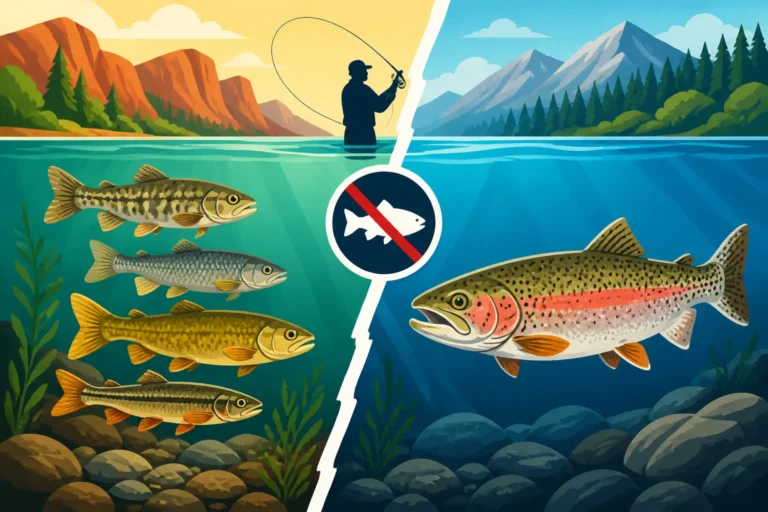
Now, here's where it gets tricky, especially when you're dealing with "cutbows" – hybrids of cutthroat and rainbow trout. Rainbow trout have a distinct pink or red stripe running along their lateral line, but they lack the prominent jaw slash. They also typically have more uniform spotting all over their body, including the head. A cutbow might show a faint slash and a hint of a lateral stripe, making identification challenging. In these cases, spotting patterns become even more critical. If you see spots on the head, it's likely a rainbow or a cutbow.
Brown trout, while common, are usually easier to distinguish due to their larger, darker spots (often with light halos), and typically some red spots mixed in, particularly on their flanks. They also lack the jaw slash. Brook trout, a small but vibrant species, have distinctive worm-like markings (vermiculations) on their backs and dorsal fin, and often bright red or orange spots with blue halos, plus white leading edges on their lower fins. A quick visual comparison can often tell you if you've hooked a true CRCT or one of its relatives. It's a skill that takes practice, but it's incredibly rewarding. Understanding Telling a Rainbow From a Cutthroat Trout is a great starting point for sharpening your identification skills.
Prime Habitats and Strongholds of the CRCT
Finding Colorado River Cutthroat Trout isn't like fishing for stocked rainbows in a community pond. These are wild fish, and they require specific, pristine habitats to thrive. Their strongholds are often remote, challenging to access, and truly special places. The journey to these waters is as much a part of the experience as the fishing itself, rewarding those willing to put in the effort.
The Headwaters and High-Altitude Streams
If you're looking for pure strains of CRCT, you need to think high and remote. These fish are most often found in the headwaters of river systems, above natural barriers like waterfalls, or in small, isolated high-altitude streams and lakes that prevent other trout species from migrating in and interbreeding. These small, clear, cold streams are their refuge, often nestled in thick forest cover or alpine meadows, far from human development.
These environments are characterized by their extreme water quality – cold, clear, and well-oxygenated. The stream bottoms are often a mix of gravel and small rocks, providing ideal spawning habitat and plenty of nooks and crannies for insects and small invertebrates, which form the bulk of the CRCT's diet. While these streams might not hold huge numbers of fish, the ones you find are often vibrant and healthy, a true testament to the untouched nature of their home. Accessing these spots often involves hiking miles into wilderness areas, making a good pair of sturdy boots and a reliable backpack (you can find excellent options on Amazon) essential gear. What Rod Length Works Best for Small Mountain Streams can offer advice on the right setup for these tight, brushy environments.
Remote Wilderness Areas
Some of the most significant populations of Colorado River Cutthroat Trout exist within designated wilderness areas, national forests, and other protected lands. These large, undeveloped tracts of land provide the isolation and ecological integrity necessary for native trout to persist without the constant threat of hybridization or habitat degradation. Think of places deep within the Flat Tops Wilderness, the Maroon Bells-Snowmass Wilderness, or other lesser-known, tucked-away corners of the state's vast public lands.
These areas offer not just fishing, but a full wilderness experience. You might encounter elk, deer, moose, or even bears while exploring. The solitude is profound, and the rewards are immense. However, fishing in these remote areas requires careful planning, navigation skills, and a commitment to Leave No Trace principles. Always check land management regulations before heading out, as some wilderness areas may have specific rules regarding access, camping, or even fishing techniques to protect these sensitive ecosystems.
Specific River Basins and Management Areas
While historically widespread, today the pure strains of Colorado River Cutthroat Trout are largely confined to specific, carefully managed river basins. Significant recovery efforts have focused on identifying genetically pure populations and then working to expand their range within suitable habitats. Key basins where you might find CRCT include portions of the Yampa River Basin, the White River Basin, and some tributaries of the Gunnison River.
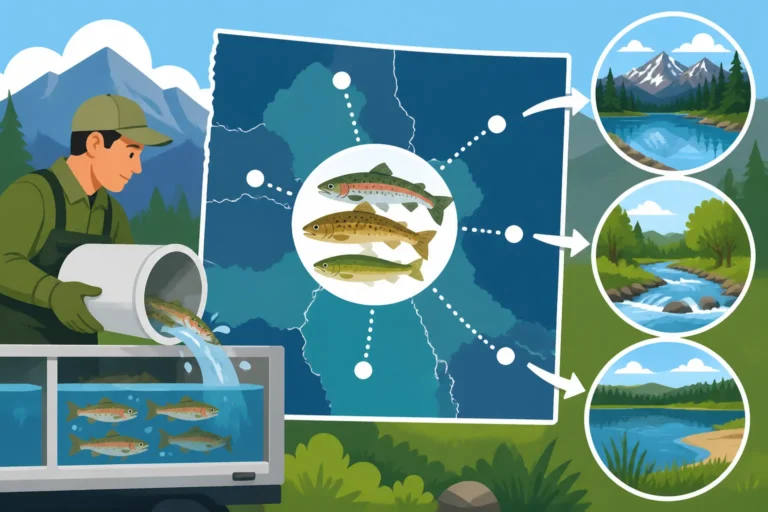
Colorado Parks and Wildlife (CPW) and other conservation partners have established "conservation populations" in these areas, actively managing the waters to ensure the survival and expansion of CRCT. This might involve removing non-native fish, installing fish barriers to prevent hybridization, or translocating genetically pure fish to new, isolated waters. Anglers who want to target CRCT should consult the latest CPW regulations and fishing atlas, which often highlight waters managed for native trout. Here's a table summarizing common characteristics of CRCT habitats:
| Habitat Feature | Description | Angler Implication |
|---|---|---|
| Water Temperature | Cold (below 60°F), well-oxygenated | Best fishing in summer mornings/evenings or cooler seasons |
| Stream Size | Often small headwater streams, high-altitude lakes | Requires stealth, lighter gear, often walk-wade fishing |
| Location | Remote wilderness areas, above natural fish barriers | Long hikes, solitude, strong navigation skills needed |
| Substrate | Gravel, small cobble, clean bottoms | Good spawning habitat, healthy insect life |
| Vegetation/Cover | Riparian vegetation, undercut banks, woody debris, boulders | Fish seek refuge; focus casts near cover |
| Water Clarity | Typically very clear, especially in high country | Requires fine tippets, small flies/lures, careful approach to avoid spooking |
Always remember that fishing in these special areas often comes with specific rules aimed at protecting these vulnerable populations. Reading Colorado's Fishing Regulations Brochure is an absolute must-do before you plan your trip.
Best Practices for Angling for Colorado River Cutthroat
Catching a Colorado River Cutthroat Trout is a privilege, and it comes with a responsibility to treat these fish and their delicate habitats with the utmost care. These aren't robust, heavily stocked fish; they are often smaller, more fragile, and vital to the genetic future of their species. Practicing responsible angling techniques is paramount to ensuring they thrive for generations to come.
Gear Considerations for Native Trout Waters
When you're heading into CRCT country, less is often more. These fish typically inhabit smaller streams, and heavy gear can feel cumbersome and even detrimental. A lightweight fly rod (2-4 weight, 6-8 feet in length) is ideal for presenting small dry flies or nymphs accurately in tight quarters. If you're spin fishing, a light-action rod with ultra-light line (2-4 lb test) will give you the finesse needed for small spinners or small, single-hook lures. The goal is a delicate presentation that doesn't spook these wild, wary fish.
Beyond your rod and reel, consider compact, essential items. A small backpack, durable waders (or quick-drying hiking pants if wading isn't necessary), a wide-brimmed hat, polarized sunglasses, and a good insect repellent are critical. Because these areas can be remote, a small first-aid kit, extra water, and a way to navigate (map and compass, or a reliable GPS device) are non-negotiable. You might want to pick up some small, ultralight fishing accessories on Amazon to keep your load manageable for those long hikes. And don't forget a pair of pliers or forceps for easy hook removal – crushing barbs on your hooks is often a regulation and always a good practice in native trout waters.
Responsible Catch-and-Release Techniques
Many waters managed for Colorado River Cutthroat Trout are designated as "catch-and-release only" or have very strict bag limits to protect these precious populations. Even where you can keep fish, most anglers choose to release native cutthroats to support conservation efforts. The key to successful catch-and-release is minimizing stress and injury to the fish.
First, use barbless hooks. This is often a regulation in native trout waters, but even if not required, it drastically reduces the damage to a fish's mouth and makes unhooking much quicker. When you land a fish, try to keep it in the water as much as possible. If you must lift it, wet your hands thoroughly before touching it to protect its delicate slime coat, which acts as a barrier against disease. Avoid squeezing the fish, especially around its gills or belly. Remove the hook gently and quickly; if it's deeply embedded, cut the line as close to the hook as possible. Let the fish recover in the current until it swims away under its own power. These practices, outlined in Catch-and-Release Rules on Colorado's Cutthroat Waters, are not just suggestions; they are vital for the survival of these special fish.
Conservation Efforts and the Future of the CRCT
The story of the Colorado River Cutthroat Trout is one of both past decline and ongoing, hopeful recovery. These native fish faced incredible challenges, pushing them to the brink in many areas. However, dedicated conservation efforts by state agencies, federal partners, and passionate anglers are slowly but surely bringing them back. Understanding these efforts and knowing how you, as an angler, can contribute is crucial for ensuring the CRCT's long-term survival.
The Importance of Protecting Native Populations
Why go to such lengths for one specific type of trout? Protecting native populations like the Colorado River Cutthroat Trout is about more than just fishing; it's about preserving biodiversity and ecological integrity. Native species are uniquely adapted to their environment, playing specific roles within their ecosystem. When they decline, the entire ecosystem suffers. The CRCT, for instance, is a critical indicator of water quality and habitat health in the high country.
Moreover, these fish represent a unique genetic heritage. Each distinct native cutthroat subspecies, like the CRCT, has evolved over thousands of years to thrive in its specific range. Losing these genetic distinctions means losing irreplaceable biological information and resilience. Conservation efforts aim to maintain this genetic purity, ensuring that future generations of CRCT can withstand environmental changes and continue to be a vibrant part of Colorado's natural legacy. This also helps address issues like Why Interbreeding Threatens Native Cutthroat Populations, which directly impacts the CRCT's genetic health.
How Anglers Can Contribute to Conservation
As anglers, we have a powerful role to play in the conservation of Colorado River Cutthroat Trout. The most direct way is by supporting organizations involved in native trout restoration through donations or volunteer work. These groups often work on habitat improvements, fish barriers, and genetic testing, all critical components of CRCT recovery.
On the water, your actions speak volumes. Adhering strictly to regulations, especially in native trout waters, is non-negotiable. This includes bag limits, bait restrictions, and catch-and-release requirements. Being vigilant about preventing the spread of aquatic invasive species (AIS) is also vital – always clean, drain, and dry your gear between fishing locations. And, of course, practicing impeccable catch-and-release techniques ensures that any CRCT you encounter swim away healthy to reproduce. By being responsible stewards of the resource, we become part of the solution, helping to safeguard these magnificent fish for the future. Consider exploring What Colorado's Fishing Atlas Shows You for details on specific conservation areas.
Understanding Regulations for Colorado River Cutthroat Trout
Fishing for Colorado River Cutthroat Trout isn't just about finding them; it's also about understanding and meticulously following the regulations designed to protect them. These rules can sometimes feel complicated, but they are absolutely essential for the survival of these vulnerable native populations. Ignoring them can have serious consequences for both the angler and the fish.
Special Rules in Native Trout Waters
Due to their sensitive status, waters known to hold pure or recovering populations of Colorado River Cutthroat Trout often come with very specific and sometimes unique regulations. You might encounter "catch-and-release only" designations, often coupled with a requirement for barbless hooks and artificial lures or flies only. This means no live bait, no scented baits, and certainly no barbed hooks, which are designed to hold fish more securely but cause more tissue damage upon removal. The intent is to minimize stress and injury, maximizing the survival rate of released fish.
These special regulations are typically clearly marked in the Colorado Fishing Regulations brochure or on signage at trailheads leading into native trout waters. It is your responsibility as an angler to check these rules before you cast a line. Forgetting to do so, or simply assuming the general statewide regulations apply, could lead to inadvertently harming a threatened population or even facing a citation from a game warden. Colorado Fishing Regulations Every Angler Should Know provides a broad overview, but always double-check for specific water bodies.
Why Bag and Possession Limits Vary
You'll notice that bag and possession limits can change drastically depending on the fish species and the specific water body in Colorado. For Colorado River Cutthroat Trout, if any harvest is allowed at all, the limits are usually very low – often one or two fish, or sometimes even specific length restrictions, such as "only one fish over 16 inches" to protect breeding-age fish. The reason for this variation is rooted in conservation science.
Colorado Parks and Wildlife biologists carefully monitor fish populations, taking into account spawning success, recruitment rates, habitat conditions, and overall population health. Waters with fragile or recovering CRCT populations will have the most restrictive limits to allow those populations to rebound and establish strongholds. Conversely, in areas where non-native species like brown trout or brook trout are overpopulating, or where they are considered detrimental to native species (as with Why Colorado Culls Pike From Some Waters), limits might be much more liberal, sometimes even encouraging anglers to harvest as many as they can. These dynamic regulations are a living management tool, constantly adjusted to balance angling opportunities with ecological preservation. Always consult the official regulations for the specific water you intend to fish.
Disclaimer
This article is for general informational purposes only and does not constitute professional advice. Laws, prices and regulations vary by location and change over time. Consult a qualified professional for guidance on your specific situation.