Kokanee Salmon Life Cycle in Colorado
Many anglers are drawn to the unique thrill of fishing for Kokanee salmon in Colorado, but the true magic of these fish lies in their fascinating and distinct life cycle. Understanding their journey, from their time as tiny eggs hidden in gravel to their dramatic final spawning run, can profoundly impact how you approach fishing for them and appreciate their place in our state's aquatic ecosystems. This guide will take a deep dive into the complete life cycle of Kokanee salmon, giving you insights into their habits, their habitats, and the incredible instinct that drives them.
The Origins and Early Life of Colorado's Kokanee
The story of a Kokanee salmon in Colorado begins not in the shimmering silver schools of a vast reservoir, but in the quiet, gravelly beds of tributary streams or shallow reservoir shoals. Their entire existence is a race against time, culminating in a single, spectacular act of reproduction.
Spawning and Fertilization
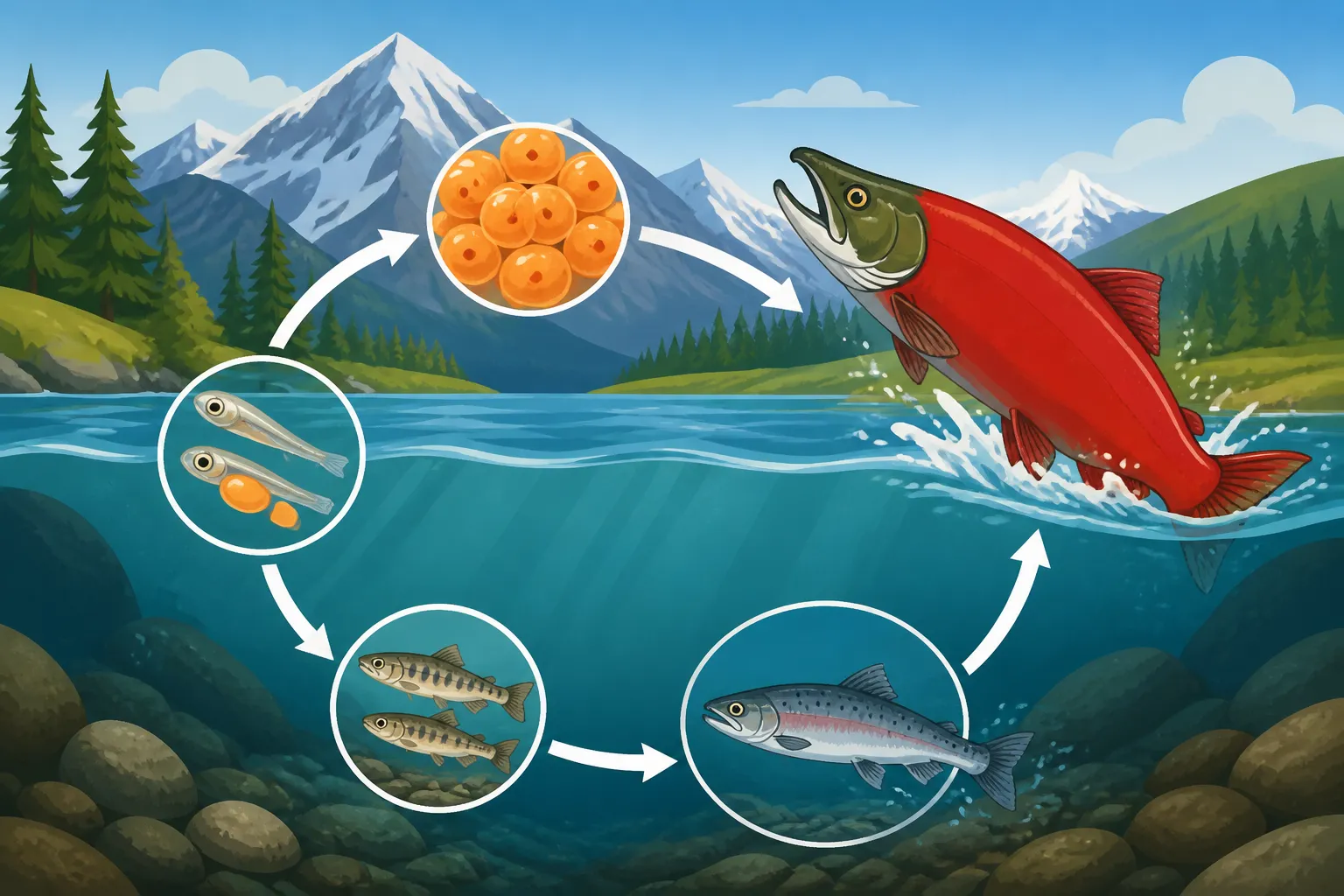
The first crucial stage in the Kokanee life cycle is spawning, a truly breathtaking event that typically unfolds in late summer and fall, though exact timing can vary slightly depending on water temperatures and specific locations. This is when the fish, having spent several years growing and maturing in the deep waters of a reservoir, feel an undeniable pull to return to the precise spot where they themselves were born, or where they were stocked by wildlife agencies.
As the male and female Kokanee gather, the females begin the arduous task of constructing their "redds." This involves using their tails to vigorously fan out depressions in the gravel beds of streams or along the edges of reservoirs. These redds are carefully prepared nests, typically shallow, oval-shaped hollows, where the female will deposit her eggs. Meanwhile, the males, now adorned in their brilliant crimson spawning colors and often sporting a distinctive hooked jaw (or "kype"), engage in fierce competition. They display their vibrant colors, aggressively guard the females, and battle other males for the best spawning positions, ensuring their genetic material is passed on. Once the female releases her eggs into the redd, the male quickly moves over the nest to fertilize them, completing this vital step. This entire process is incredibly energy-intensive, a final, monumental effort that will ultimately lead to the end of their lives.
Alevins and Fry Development
After fertilization, the delicate eggs are carefully covered with gravel by the female, providing them with protection from predators and the elements. Here, buried beneath the streambed or reservoir bottom, the eggs will incubate for several months. The duration of this incubation period is highly dependent on water temperature; colder water means a longer incubation, while warmer water speeds up the process. It's a critical time where the developing embryos are vulnerable to silting, fluctuating water levels, and predation.
Eventually, from these tiny buried eggs hatch minuscule creatures known as alevins. These are essentially fish larvae, still carrying a large, prominent yolk sac attached to their undersides. This yolk sac serves as their primary food source, providing essential nutrients while they remain hidden within the protective gravel. They are mostly immobile at this stage, relying on the cover of the rocks to avoid detection. They are truly miniature versions of the fish they will become, though still far from free-swimming.
As the alevins continue to develop, absorbing the nutrients from their yolk sac, they gradually transform into free-swimming fry. Once the yolk sac is fully absorbed, typically in late spring or early summer, these tiny fry emerge from the gravel and begin to rise into the water column. This is a moment of great vulnerability, as they must now actively seek out food for the first time. They start to feed on microscopic organisms, marking their transition from passive absorption to active predation. At this stage, they are extremely small and are easy prey for larger fish and birds, making their early survival a numbers game.
Growing Up in Colorado's Deep Reservoirs
Once the young Kokanee fry have emerged and begun to feed, their journey takes them from the relative shallows of their birth to the expansive, often deep, waters of Colorado's reservoirs. This phase of their life cycle is all about growth and preparation for their ultimate purpose.
Juvenile Life and Pelagic Feeding
After emerging from the gravel beds as fry, the young Kokanee embark on a crucial migration. Driven by instinct, they move away from the often predator-rich shallows and stream sections, seeking the safety and abundant food sources of the deeper, open (or pelagic) waters of the reservoir. Here, they typically form large, tight schools, a classic survival strategy that helps protect individuals from predators. Imagine a shimmering cloud of silver in the blue depths—that’s often what these juvenile schools look like to an angler's sonar. This schooling behavior persists throughout much of their lives, making them a fascinating target for anglers using specialized electronics.
Their primary diet in these open waters consists almost exclusively of zooplankton—tiny, free-floating aquatic organisms. Kokanee are specialized filter feeders, using fine gill rakers to strain these minute creatures from the water. This diet means they don't typically bite on traditional baits like worms or minnows, which is why Best Lures for Trolling Kokanee Salmon often involve bright, flashy attractors followed by a tiny hook tipped with something like scented corn. Their growth rates are largely influenced by the availability of zooplankton and the water temperature. Reservoirs with a robust zooplankton population and ideal thermal stratification tend to produce larger, healthier Kokanee. Anglers targeting these fish often look for specific temperature layers and concentrations of baitfish or zooplankton on their fish finders.
Maturation and Physiological Changes
As Kokanee continue to feed and grow in the reservoir's depths, they gradually transition from their juvenile phase into maturing adults. This period, usually lasting around three to four years in Colorado, sees them developing into the sleek, silver fish that anglers recognize. Their bodies become more robust, their fins develop fully, and they continue to hone their schooling instincts. While they maintain their silvery coloration for much of this period, subtle changes begin to occur within their bodies, signaling the approach of their final life stage.
Deep within their systems, hormonal changes begin to take place, triggering the process of sexual maturation. This internal clock is remarkably precise, ensuring that the vast majority of Kokanee in a given year class will mature and prepare to spawn around the same time. For many Colorado Kokanee, this typically means a four-year life cycle, though some individual fish might mature earlier or later. It's a one-and-done proposition for these fish; unlike some other salmon species that can spawn multiple times, Kokanee are semelparous, meaning they reproduce only once in their lifetime.
During this maturation phase, a significant amount of the Kokanee's energy is devoted to building up crucial fat reserves. These reserves are absolutely essential for the arduous journey ahead – the spawning migration. They will rely entirely on these stored energies, as they largely cease feeding once the spawning run begins. This period of intense energy storage is precisely why Kokanee are so prized by anglers in the late summer and early fall, before their spawning run, as this is when they are at their peak physical condition and flavor. Is Kokanee Salmon Good to Eat? will explain more about this.
The Spectacular Kokanee Spawning Run
The pinnacle of the Kokanee salmon life cycle is their spawning run—a dramatic and visually stunning event that marks both the fulfillment of their biological purpose and the end of their lives. It's a time of immense energy and instinctual drive.
The Migration Journey
As late summer transitions into fall, and water temperatures begin to drop, an ancient instinct awakens within the mature Kokanee. They abandon their deep-water foraging grounds and begin their perilous journey, driven by an innate urge to return to their natal streams or the shallow spawning grounds within the reservoir where they were born or stocked. The specific cues that trigger this migration are a combination of falling water temperatures, changes in daylight hours (photoperiod), and possibly even specific chemical signatures in the water.
This migration is not a leisurely swim; it's a relentless, physically demanding journey. Whether they are swimming upstream against strong currents in rivers like the Taylor or the Blue, or navigating the currents towards specific reservoir inlets at places like Blue Mesa, the effort is immense. They often have to overcome natural obstacles, and their single-minded focus is entirely on reaching those critical spawning grounds. During this journey, their silvery bodies, once perfectly camouflaged in the open water, begin to undergo a profound transformation, signaling their commitment to the spawning process. If you want to see this in action, many popular spots for Kokanee Salmon Spawning Runs in Colorado offer excellent viewing opportunities.
As the migration progresses, these physical changes become incredibly dramatic. The most noticeable transformation is their coloration, as their bodies turn a brilliant, unmistakable crimson red. This vibrant hue, combined with the olive green head, is what makes spawning Kokanee so iconic. You can read more about this in Why Kokanee Salmon Turn Red Before Spawning. For the males, a pronounced hooked jaw, or kype, develops, along with a humped back, making them appear even more formidable. These morphological changes are a clear indication of their final, non-feeding stage, as all their remaining energy is directed towards reproduction.
Dramatic Physical Transformation
The physical transformation of Kokanee salmon during their spawning run is one of nature's most dramatic spectacles. It’s as if they put on a ceremonial costume for their final act, sacrificing their sleek, silver form for a breathtaking display of color and adaptation. For anglers and wildlife observers alike, seeing these fish in their full spawning regalia is an unforgettable sight.
Males undergo the most striking changes. Their entire bodies, from the tip of their tail to just behind their heads, turn a vivid, fiery red. Their heads, in contrast, develop a dark, almost olive-green hue. Perhaps the most distinguishing feature, though, is the dramatic development of a hooked jaw, known as a "kype." This pronounced curvature of the upper and lower jaws, which can become quite exaggerated, is used during the intense competition for mates, for pushing other males away, and for guarding the redds. Their backs often become noticeably humped, adding to their powerful, almost prehistoric appearance. These changes are all about attracting females and intimidating rivals, ensuring they have the best chance to fertilize eggs.
While females also undergo significant color changes, their transformation is typically less pronounced than the males. They too will develop a rich, deep red coloration along their bodies and an olive-green head, but their kype, if it develops at all, is usually far less dramatic. Their bodies often appear more rounded, laden with the precious eggs they are preparing to deposit. Both sexes, however, will also develop thicker, tougher skin, and their internal organs will begin to atrophy as their bodies redirect all available energy to the reproductive process. These dramatic physical changes are not merely cosmetic; they are a clear sign that the fish have ceased feeding, their digestive systems are shutting down, and their lives are nearing their natural conclusion after the eggs are laid and fertilized.
Angler Opportunities and Conservation
The unique life cycle of Kokanee salmon creates distinct opportunities for anglers, but also places a special responsibility on us to understand and support their conservation.
Fishing for Kokanee Through Their Life Stages
Fishing for Kokanee salmon is a beloved pursuit for many Colorado anglers, and the methods vary significantly depending on which stage of their life cycle you're targeting. In the late spring and summer months, before the fish have begun their spawning migration and transformation, they are sleek, silver, and actively feeding in the deep, open waters of reservoirs. This is often considered the prime time for catching them, as they are actively biting and at their peak flavor. Anglers typically target these "silver bullets" by trolling from boats, using downriggers to get lures down to the precise depth where the Kokanee are schooling. Specialized gear like dodgers, flashers, and small, colorful lures tipped with scented corn are very effective. You can find excellent trolling setups, including downriggers and specialized reels, on Amazon, ensuring you have the right tools for success. Trolling Techniques for Colorado Reservoirs offers a comprehensive guide to mastering this method.
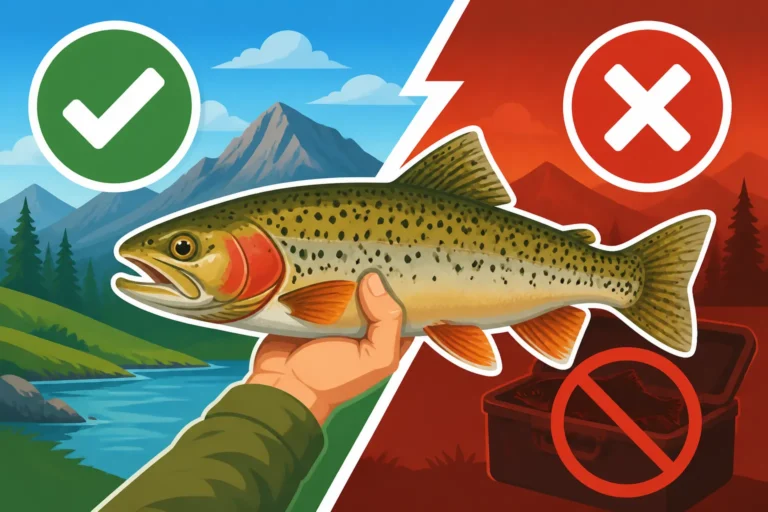
As the fall approaches, and the Kokanee begin their spawning run, the dynamics change dramatically. Once they start their migration and turn red, they largely cease feeding, relying on their stored energy. At this point, traditional hook-and-line fishing becomes much less effective. However, some areas in Colorado allow for snagging during specific spawning runs, though regulations are very strict and limited to certain times and locations to manage the population responsibly. It's crucial to consult the Colorado Fishing Regulations Every Angler Should Know to understand where and when snagging is permitted, as rules vary and are heavily enforced. For more details on this practice, see Can You Snag Kokanee During Their Spawning Run?.
It's important for anglers to consider the ethical implications of targeting spawning fish. While the excitement of the run is undeniable, many anglers prefer to catch Kokanee before they turn red and begin to deteriorate in quality. The flesh of pre-spawn, silver Kokanee is firm and delicious, making them excellent table fare. Once they've begun to spawn, their flesh becomes paler, softer, and less palatable due to the immense physiological demands of reproduction. If you do catch a red Kokanee, especially if it's not during a designated snagging season, catch-and-release is often the best practice to allow them to complete their natural cycle, or only keep them if you intend to consume them immediately after checking local regulations. The right processing makes a difference too; you might find books on How to Fillet a Kokanee Salmon on Amazon to help preserve quality.
Managing Colorado's Kokanee Populations
Unlike some other salmon species that have vast stretches of wild spawning rivers, most of Colorado's thriving Kokanee salmon populations are sustained through active management by Colorado Parks and Wildlife (CPW). Many of our large reservoirs lack the natural, ideal stream habitats necessary for extensive wild Kokanee reproduction. This means that a significant portion of the Kokanee you catch in Colorado were, at one point, raised in a hatchery and stocked into the reservoirs. This ongoing stocking program is vital for maintaining robust fisheries and providing ample opportunities for anglers. CPW works diligently to assess populations, collect eggs, and release millions of fingerlings each year.
The management effort involves a fascinating cycle in itself. During the height of the Kokanee spawning runs, CPW biologists and technicians are out in force at key locations like the Animas River near Durango, the Blue River, or the inlets of Blue Mesa Reservoir. Here, they conduct egg collection operations, carefully gathering eggs and milt from spawning Kokanee. These eggs are then transported to state hatcheries, where they are meticulously cared for and incubated. Once hatched, the tiny alevins and fry are reared until they reach a suitable size, typically fingerlings, before being released back into Colorado's reservoirs. This ensures a consistent supply of fish for anglers, year after year, compensating for limited natural reproduction.
Angler compliance with fishing regulations plays an absolutely critical role in the success of these conservation and management efforts. Adhering to daily bag and possession limits, understanding specific bait restrictions, and respecting seasonal closures during spawning runs directly contributes to the health and sustainability of the Kokanee fishery. For example, Colorado Bag and Possession Limits by Species helps prevent overharvesting, while rules around Colorado Bait Restrictions and Where They Apply protect vulnerable spawning areas. By following these rules, anglers become partners in conservation, ensuring that future generations can continue to experience the thrill of catching these vibrant and challenging fish. Essential outdoor gear, like durable fishing vests or rain gear, which can be easily found on Amazon, also helps anglers stay comfortable and ready for their conservation efforts in any Colorado weather.
| Life Stage | Approximate Timing in Colorado | Key Characteristics | Angler Interaction |
|---|---|---|---|
| Egg | Late Summer/Fall – Early Spring | Buried in gravel; immobile, yolk sac development. | No direct interaction; crucial for future populations. |
| Alevin | Early Spring | Hatched, still in gravel; yolk sac for nutrition. | No direct interaction. |
| Fry | Late Spring/Early Summer | Emerge from gravel; begin active feeding on zooplankton. | No direct interaction; too small to target effectively. |
| Juvenile/Adult | Summer (Year 1-3) | Silver, actively feeding on zooplankton in reservoirs. | Prime time for trolling with specialized lures and gear like downriggers. |
| Spawning Run | Late Summer/Fall (Year 3-4) | Turn red, develop kype, cease feeding; migrate to spawn. | Snagging (where legal and regulated); traditional fishing less effective due to non-feeding. |
| Post-Spawn | Late Fall | Die naturally after spawning. | No interaction; cycle complete. |
Disclaimer
This article is for general informational purposes only and does not constitute professional advice. Laws, prices and regulations vary by location and change over time. Consult a qualified professional for guidance on your specific situation.