Crappie Fishing in Colorado
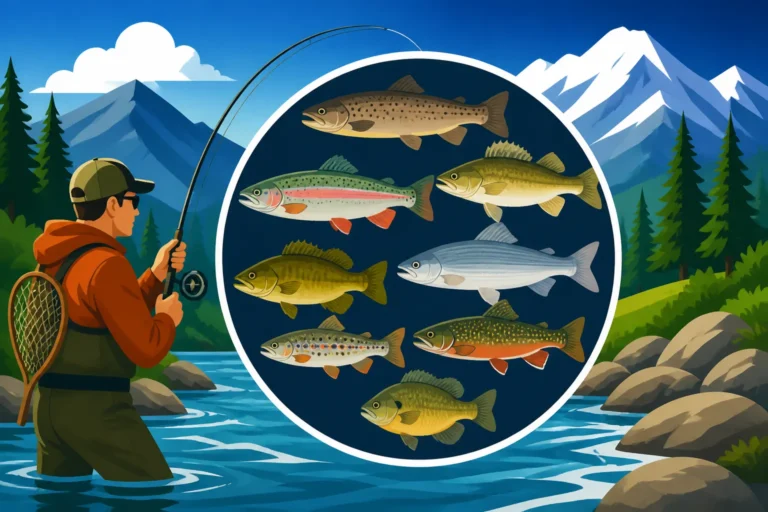
If you've ever felt that Colorado fishing is only about trout in sparkling mountain streams, you're not alone. Many anglers focus solely on those iconic cold-water species, but you'd be missing out on a truly rewarding, and often less crowded, experience: crappie fishing. This guide is dedicated to shedding light on the fantastic crappie opportunities available across the Centennial State, helping you understand where to find them, what gear you'll need, and the best techniques to fill your stringer with these delicious panfish.
The Allure of Crappie Fishing in Colorado
There's a special kind of joy that comes with targeting crappie. It's not always about the size of the fish, though big slab crappie are definitely a thrill, but often about the sheer number of bites and the consistent action they provide. For families, beginners, or seasoned anglers looking for a fun day on the water without the intense technical demands of some other species, crappie are an absolute gem.
Why Crappie Capture Anglers' Hearts
Crappie are known for their schooling behavior, which means if you find one, you're likely to find a whole bunch more. This makes for exciting, fast-paced fishing, especially when they're actively feeding. Imagine dropping a tiny jig into a school and feeling a tap almost immediately, over and over again. It's an incredibly satisfying experience, and it's particularly great for teaching kids the joys of fishing because they're almost guaranteed to get some bites.
Beyond the action, crappie are also renowned for their mild, flaky white meat. They're consistently ranked among the best-eating freshwater fish, making a successful crappie outing a double win: fun to catch, delicious to eat. Many anglers specifically target crappie with the intention of bringing home a meal, and a properly prepared crappie fillet is hard to beat. They don't put up the same drag-screaming fight as a large trout or bass, but their willingness to bite and their table fare make them incredibly popular.
Colorado's Crappie Fishing Reality
While Colorado might be famous for its trout streams and high-country lakes, it also boasts a surprising number of warmwater reservoirs and ponds that are absolutely teeming with crappie. These aren't the icy-cold, clear waters of the high Rockies, but rather the sprawling reservoirs and urban ponds found closer to the Front Range and out on the Eastern Plains. Many of these waters are managed specifically for warmwater species, and crappie thrive in their calmer, weedier, and often murkier environments.
However, crappie fishing in Colorado isn't always as straightforward as it might seem. Their habits can change dramatically with the seasons and water temperatures. Finding them can sometimes feel like a puzzle, especially in large reservoirs where they might suspend in open water or hug specific structures. But with a bit of knowledge and the right approach, you can unlock fantastic fishing opportunities throughout the year, from pre-spawn binges in spring to ice fishing pursuits in winter. The key is understanding their preferences and adapting your strategy.
Identifying Colorado's Crappie Species
Before you cast a line, it's helpful to know a bit about the crappie you might encounter in Colorado. While they look similar at first glance, there are distinct differences between the two main species. Knowing which one you're targeting can sometimes influence your approach, although for most recreational anglers, the techniques remain largely the same.
White Crappie vs. Black Crappie
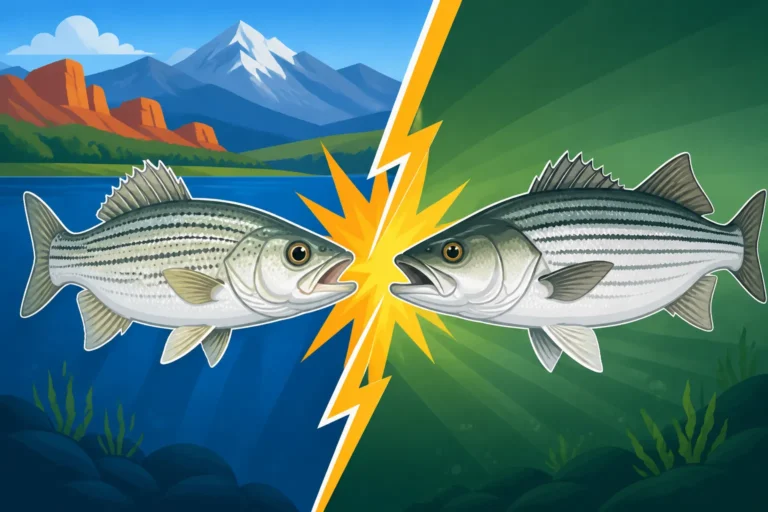
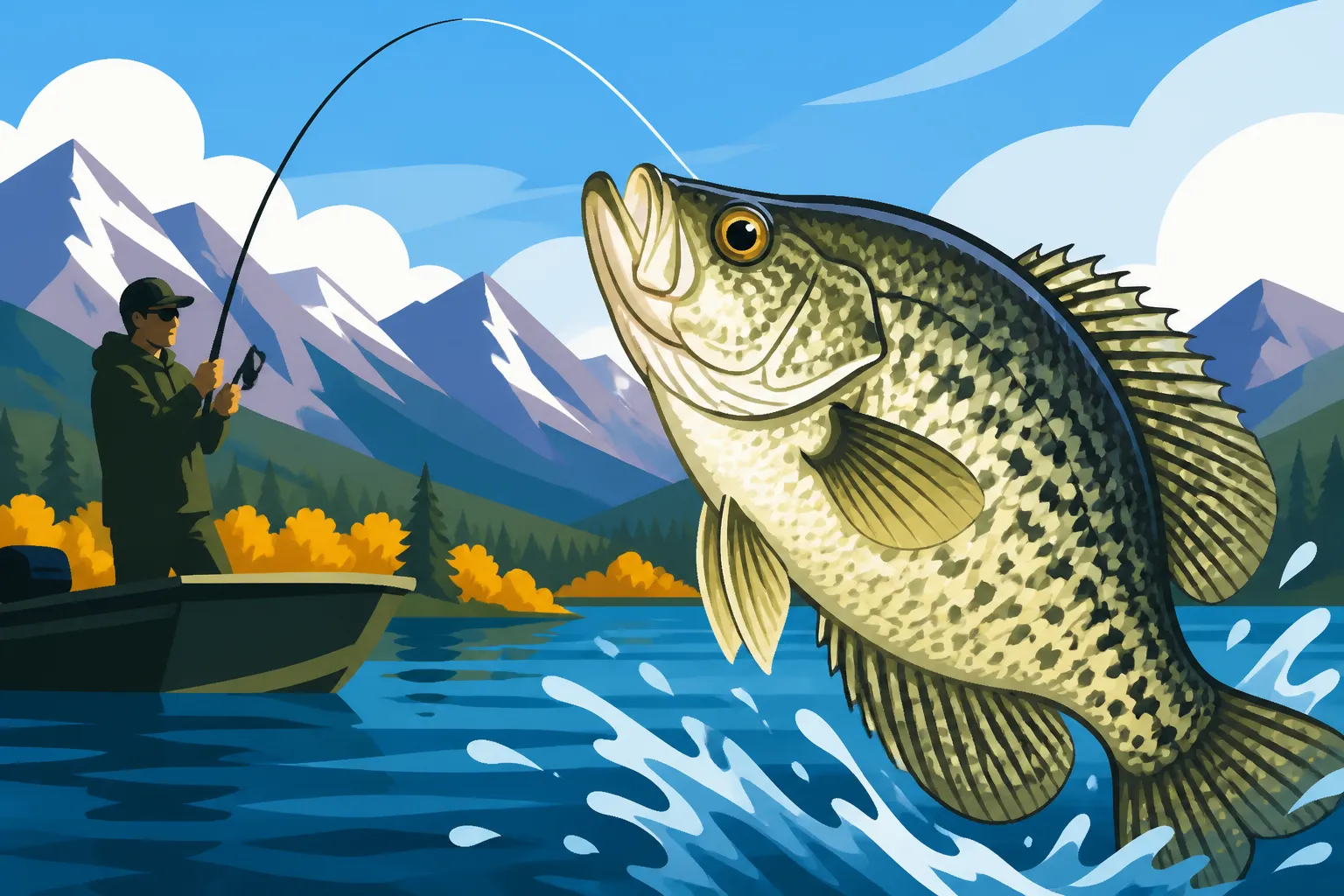
In Colorado, you'll primarily find two species of crappie: the black crappie ( Pomoxis nigromaculatus) and the white crappie ( Pomoxis annularis). Both are members of the sunfish family, but they have key physical characteristics that set them apart. The most reliable way to distinguish them is by counting the dorsal fin spines and observing their body patterns.
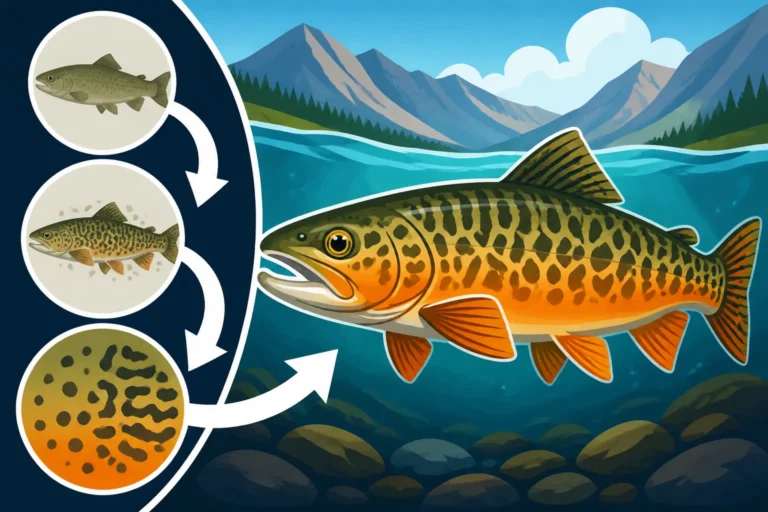
Black crappie typically have 7 or 8 dorsal fin spines, which gives their dorsal fin a more rounded appearance. Their bodies are usually adorned with irregular, scattered black spots, giving them a "peppered" look. They tend to prefer clearer, cooler water with more vegetation, often found around submerged timber, brush piles, or weed beds. They can be a bit pickier eaters, sometimes preferring live bait or very subtle presentations.
White crappie, on the other hand, usually have 5 or 6 dorsal fin spines, giving their dorsal fin a more elongated shape. Their bodies are marked with distinct vertical bars or stripes that often fade towards the belly. They are generally more tolerant of turbid (murky) water and thrive in open-water environments or around less dense cover like bridge pilings, dam faces, and standing timber. White crappie are often considered a bit more aggressive in their feeding habits and can grow quite large in nutrient-rich reservoirs.
How to Spot a Crappie
Beyond the dorsal fin and spot patterns, crappie share some common traits that make them unmistakable. They have a deep, laterally compressed (flat-sided) body, giving them a disc-like profile. Their mouths are relatively large, extending back to the middle of the eye. Coloration can vary greatly depending on the water clarity, depth, and even time of year, ranging from silvery-white to olive green or even a dark bronze, especially during spawning season.
When you pull a crappie from the water, you'll immediately notice its thin, almost paper-like mouth, which is why they are often referred to as "paper mouths." This delicate mouth structure means you need a gentle hand when setting the hook and fighting the fish, as aggressive tugs can easily tear the hook free. Keeping the line taut and using a smooth, consistent retrieve is crucial to landing these beauties. For a detailed look at other fish species in Colorado, you might want to check out Colorado's Warmwater vs Coldwater Fish Species.
| Feature | Black Crappie | White Crappie |
|---|---|---|
| Dorsal Fin Spines | 7 to 8 | 5 to 6 |
| Body Pattern | Irregular, scattered black spots | Distinct vertical bars or stripes |
| Preferred Water | Clearer, cooler, more vegetation | More tolerant of turbid water, open water |
| Body Shape | Deep, laterally compressed | Deep, laterally compressed |
| Mouth | Relatively large, delicate ("paper mouth") | Relatively large, delicate ("paper mouth") |
| Average Size | Up to 12 inches (can be larger in optimal areas) | Up to 15 inches (can be larger in optimal areas) |
Top Colorado Waters for Crappie
You don't need to drive to distant states to find excellent crappie fishing. Colorado has numerous lakes and reservoirs, particularly along the Front Range and out on the Eastern Plains, that hold thriving populations of both black and white crappie. Many of these spots are easily accessible, making them perfect for a day trip or even a quick after-work outing.
Front Range Reservoirs
The densely populated Front Range corridor, stretching from Fort Collins down to Pueblo, is home to several large reservoirs that offer fantastic crappie opportunities. These waters are often heavily used for recreation, but they provide ample space and habitat for panfish to thrive.
Chatfield Reservoir, located just southwest of Denver, is a perennial favorite. It's a massive body of water with numerous coves, submerged timber, and brush piles that crappie love to inhabit. Springtime at Chatfield can be particularly productive as crappie move into shallower, warmer areas to spawn. Anglers often find success near the marina, rocky points, and areas with submerged willows. Fishing Chatfield Reservoir has more details on this popular spot.
Cherry Creek Reservoir, another large urban fishery southeast of Denver, also holds a healthy population of crappie. Similar to Chatfield, the key here is often finding submerged structure. Look for brush piles installed by wildlife agencies, old roadbeds, or the edges of drop-offs where crappie like to suspend. Early mornings and evenings are often prime times, especially during the warmer months. You can find more specific information on this spot in Fishing Cherry Creek Reservoir.
Standley Lake in Westminster is another excellent Front Range option. This lake is known for its clear waters and holds some surprisingly large crappie. The crappie here often relate to submerged weed lines and deeper structures. Access can be a bit more controlled due to it being a water supply, so always check local regulations and access points. Find out more about fishing here at Fishing Standley Lake. Other significant Front Range reservoirs that hold crappie include Boyd Lake, Carter Lake, and Pueblo Reservoir, especially in their coves and shallower arms.
Eastern Plains Ponds and Lakes
Don't overlook Colorado's vast Eastern Plains. While seemingly flat and arid, this region is dotted with numerous small to medium-sized reservoirs and ponds that offer incredible warmwater fishing, including some of the best crappie action in the state. These waters often have extensive shallow areas with submerged vegetation, perfect habitat for crappie.
Places like Jackson Lake State Park and Barr Lake State Park are gems for crappie anglers. These lakes offer calmer, often weedier waters where crappie can be found congregating around submerged brush and emergent vegetation. Spring and fall are particularly good times to fish these shallower bodies of water, as the crappie are less prone to suspending in deep open water. These spots also provide a more tranquil fishing experience compared to the busy Front Range reservoirs.
Many smaller, lesser-known public fishing access ponds managed by Colorado Parks and Wildlife (CPW) also hold crappie. These are often part of the state's urban fishing program or located on State Wildlife Areas. Checking the CPW stocking reports and fishing atlases can often reveal these hidden gems. Many of these Urban Fishing Ponds in the Denver Metro area are regularly stocked and can surprise you with their panfish action.
Lesser-Known Crappie Hotspots
Beyond the major reservoirs, there are a few other types of waters where you might find good crappie fishing in Colorado. These often require a bit more exploration but can yield excellent results.
Irrigation Canals and Ditches: While not always brimming with crappie, certain sections of larger irrigation canals, especially those with slower currents and deeper pools, can hold crappie. These are often overlooked and can offer a unique fishing experience. Always be mindful of private property and access rights when exploring these areas.
Small Private Ponds: If you have access to private land with a pond, there's a good chance it holds crappie. Many landowners stock their ponds with crappie and other panfish for recreational fishing. Always ask permission before fishing private waters.
River Backwaters: The backwaters and oxbows of larger rivers, particularly on the plains, can sometimes hold crappie. These areas offer calmer water and plenty of cover, which crappie prefer over the main current. The South Platte River, for example, has numerous side channels and oxbows in its lower reaches that are worth exploring.
Remember, always consult the current Colorado Parks and Wildlife fishing regulations for specific rules regarding bag and possession limits for crappie in any given water body. These can vary, and it's essential to be aware of them. You can learn more about general regulations in Colorado Fishing Regulations Every Angler Should Know.
Essential Gear for Colorado Crappie Fishing
You don't need a boatload of expensive gear to catch crappie, but having the right tools for the job can make a huge difference in your success and enjoyment. Crappie fishing often involves light tackle and finesse presentations, so choosing appropriate rods, reels, line, and lures is key.
Rods, Reels, and Line Choices
For crappie, lighter is almost always better. A light to ultralight spinning rod is ideal. Look for a rod between 5 to 7 feet in length with a fast or moderate action. This sensitive tip will allow you to detect those subtle crappie bites, which can sometimes feel like nothing more than a slight tick or the line going slack. A longer rod can offer better casting distance and leverage when fighting a fish, especially from shore.
Pair your rod with a small, lightweight spinning reel in the 500 to 1000 series size. These reels are designed for light line and offer smooth drag systems, which are crucial for protecting that delicate crappie mouth. You don't need a high-speed retrieve for crappie; a smooth, consistent retrieve is more important.
As for line, 2 to 6-pound test monofilament or fluorocarbon is the standard. Monofilament is a popular choice for its stretch, which can help absorb shock and prevent hooks from tearing out. Fluorocarbon offers excellent sensitivity and is nearly invisible underwater, a definite advantage in clearer crappie waters. Some anglers also opt for thin braided line (4-8 lb test equivalent) for its superior sensitivity and casting distance, often adding a 2-4 foot fluorocarbon leader for stealth. For targeting various species, having different lines can be beneficial, as discussed in Best Fishing Lakes Near Denver, Colorado.
Lures, Baits, and Tackle Essentials
Crappie are not usually picky eaters, which is good news for anglers. A diverse tackle box will allow you to adapt to different conditions.
Jigs: Small jigs are arguably the most effective crappie lures.
* Marabou Jigs: These classic jigs, often 1/32 to 1/16 ounce, have a pulsating action that crappie can't resist. Colors like black/chartreuse, white, and pink are always good starting points.
* Tube Jigs: Soft plastic tubes, typically 1.5 to 2.5 inches, offer a lot of action with their tentacles. They come in a rainbow of colors, so experiment to see what the fish prefer on any given day.
* Grub Jigs: Small curly-tail grubs on a lead head are also deadly. The vibrating tail is highly attractive to crappie.
* Paddle Tail Swimmers: Tiny swimbaits with a paddle tail provide a realistic baitfish profile and thump that can trigger strikes.
Live Bait: Sometimes, nothing beats the real thing.
* Minnows: Small fathead minnows are crappie candy. They can be fished under a bobber, on a jig head, or on a simple hook-and-sinker rig. A #4 or #6 hook is typically a good size for minnows.
* Worms/Larvae: Small pieces of nightcrawler, wax worms, or mealworms can also be effective, especially for finicky crappie or when ice fishing.
Bobbers: Both fixed and slip bobbers are indispensable. Fixed bobbers work well in shallow water, while slip bobbers allow you to fish at any depth, which is crucial when crappie are suspended.
Terminal Tackle: You'll need an assortment of small hooks (sizes #4 to #8), split shot weights (various sizes), and perhaps some swivels, especially if you're experiencing line twist. A small pair of pliers or forceps for hook removal is also handy.
You can find a huge variety of crappie jigs, soft plastics, and other tackle on platforms like Amazon, making it easy to stock up for your next trip. Always consider buying a variety of colors and sizes to match different water conditions and crappie preferences.
Electronics and Accessories
While not strictly essential, certain electronics and accessories can significantly boost your crappie fishing success.
Fish Finder/Sonar: A portable or boat-mounted fish finder can be a game-changer, especially on larger reservoirs. Crappie often suspend in schools in open water or around subtle underwater structure that isn't visible from the surface. A good sonar unit can help you locate these schools and present your lure directly to them. Some smaller, inexpensive portable units are available that are great for bank anglers or kayak fishermen.
Thermometer: Water temperature is a critical factor for crappie. Knowing the surface temperature can help you predict where crappie might be holding, especially during pre-spawn and spawning periods. Crappie typically start spawning when water temperatures reach the mid-50s to low 60s Fahrenheit.
Net: A small, fine-mesh landing net is a smart addition to prevent losing crappie at the boat or bank. Remember their delicate mouths! For more information on landing and handling fish, especially for catch-and-release, consider reading up on best practices.
Rod Holders: Whether you're in a boat or fishing from the bank, a simple rod holder can make your life easier, especially if you're running multiple lines or fishing with live bait. You can find many affordable rod holder options on Amazon.
Bucket/Cooler: For those delicious crappie fillets, a bucket or cooler with ice is essential to keep your catch fresh throughout the day. Rapid cooling improves the taste and texture of the fish.
Mastering Colorado Crappie Techniques
Crappie fishing can be as simple as a bobber and a minnow, or as nuanced as precision jigging with electronics. The best technique often depends on the season, the water body, and the crappie's current behavior. Understanding their movements throughout the year is your first step to consistent success.
Locating Crappie Throughout the Seasons
Crappie are highly migratory within their habitat, moving in response to water temperature, light levels, and spawning urges.
Spring (Pre-spawn and Spawn): This is often the most exciting time for crappie fishing. As ice recedes and water temperatures begin to climb into the 40s and 50s, crappie move from deeper wintering holes into shallower, warmer coves, creek channels, and flats. They'll stage in these areas, feeding heavily before spawning. Once water temperatures hit the mid-50s to low 60s, they move onto actual spawning beds, often in very shallow water (1-5 feet) around submerged brush, weed beds, or even lily pads. This is when they are most accessible and aggressive.
Summer: As waters warm significantly, crappie move deeper, often suspending in open water over submerged structure or around thermoclines. They'll also relate to deeper brush piles, standing timber, bridge pilings, and shaded areas. Early mornings and late evenings are often the best times, as they may move shallower to feed under low light conditions. Midday summer crappie fishing often requires vertical presentations in deeper water.
Fall: As water temperatures begin to drop, crappie start to move back into shallower areas, feeding aggressively to build up fat reserves for winter. They often school tightly during this time and can be found around similar structures as in spring – creek channels, brush piles, and humps. This is another excellent time for consistent action, often rivaling spring.
Winter (Ice Fishing): Don't hang up your crappie gear when the lakes freeze over! Colorado offers fantastic Ice Fishing in Colorado, Getting Started opportunities for crappie. They will concentrate in deeper basins, often suspending just off the bottom or midway up the water column. Look for them over submerged humps, points, and deep brush piles. Small jigs tipped with wax worms or mealworms are deadly. You'll often find them schooling, so if you catch one, drill a few more holes nearby! For specifics on how ice fishing works, explore Ice Fishing Gear for Colorado Reservoirs.
Productive Fishing Methods
Once you've located crappie, choosing the right presentation is key.
Jigging: This is perhaps the most versatile and popular method.
* Vertical Jigging: Best when crappie are suspended or relating to vertical structure. Drop a small jig directly down to their depth, then impart subtle lifts and drops. A fish finder is invaluable for this.
* Casting and Retrieving: Cast a small jig or grub and retrieve it slowly, either steadily or with a stop-and-go motion. Vary your retrieve speed and depth until you find what triggers bites.
* Tipping Jigs: Adding a small minnow, wax worm, or crappie nibbler to your jig can increase its attractiveness, especially for finicky fish.
Bobber Fishing: A classic for a reason, bobber fishing is fantastic for crappie, particularly in shallower water or when fish are suspended at a consistent depth.
* Fixed Bobber: Ideal for fishing shallow areas (under 6-8 feet). Rig a small hook with a minnow or a tiny jig underneath, setting the bobber to the desired depth.
* Slip Bobber: Essential for fishing deeper water. A slip bobber allows you to cast a rig set to a greater depth without the bobber impeding your cast. Once in the water, the line slips through the bobber until it hits a small bobber stop, setting your bait at the perfect depth. This is especially effective for presenting live minnows.
Spider Rigging/Trolling: For boat anglers on larger reservoirs, spider rigging involves using multiple long rods extended out from the boat to present baits at various depths and distances. Slow trolling with jigs or minnows can cover a lot of water and help you locate schools of crappie. This is especially effective when crappie are scattered or suspending in open water.
Seasonal Strategies for Success
Putting it all together requires adapting your approach to the season.
Spring Pre-Spawn/Spawn: Focus on shallow, protected bays and coves that warm up first. Look for visible cover like downed trees, brush, or emergent vegetation. Fish small jigs (1/32 to 1/16 oz) or minnows under a fixed bobber or with a slow, steady retrieve. Focus on depths of 2-8 feet. For information on when crappie generally spawn, see When Crappie Spawn in Colorado Lakes.
Summer: Target deeper water structure such as channel breaks, humps, standing timber, and bridge pilings. Crappie will often be suspended over these features. Use a fish finder to locate schools and then vertical jig with small jigs or troll with minnows. Look for depths between 10-25 feet, sometimes even deeper in very large reservoirs. Consider fishing early morning or late evening when they might move shallower.
Fall: Crappie will start to move out of their deep summer haunts and push into shallower to mid-depth areas (8-15 feet) as water cools. They often school tightly and feed aggressively. Look for them around points, creek channels, and the edges of submerged weed lines. Jigs, grubs, and minnows are all excellent choices, either cast and retrieved or fished vertically if you find a school.
Winter (Ice Fishing): Concentrate on the main lake basin, focusing on deep points, humps, and submerged brush piles. Crappie will suspend, so use your electronics to pinpoint their depth. Small tungsten jigs (1/50 to 1/100 oz) tipped with a single wax worm, mealworm, or even a small plastic grub are highly effective. Maintain a subtle presentation, often jigging with tiny twitches of the wrist. Keep your holes clear of slush to easily move between them and cover ground to find active schools.
Consistency is key in crappie fishing. If one technique isn't working, don't be afraid to switch it up! Vary your lure size, color, depth, and retrieve speed until you find the pattern that the crappie are biting on.
Crappie Fishing Regulations and Best Practices
Like all fishing in Colorado, targeting crappie comes with a responsibility to understand and abide by regulations. These rules are in place to ensure healthy fish populations for future generations of anglers.
Understanding Bag and Possession Limits
Before you even head out, make sure you have a valid Colorado fishing license. Colorado Fishing License Guide for Residents and Nonresidents is a great place to start if you need to get yours. Crappie, like other game fish, have specific regulations regarding how many you can keep and their size. These regulations can vary significantly from one body of water to another, so it's absolutely crucial to consult the current Colorado Fishing Regulations brochure or the CPW website for the specific lake or reservoir you plan to fish.
Generally, crappie are often subject to a daily bag limit (the number you can keep in one day) and a possession limit (the total number you can have on your person, in your cooler, or at your campsite). There might also be minimum size limits, meaning you have to release any crappie under a certain length. For instance, some lakes might have a 10-inch minimum size, while others might not have one at all, but they might have a higher daily bag limit to encourage harvest. Always check the specific regulations for your chosen fishing spot before you keep any fish. Ignoring these rules can lead to significant fines and penalties. For a broader understanding of regulations, you might want to review Colorado Bag and Possession Limits by Species.
Practicing Responsible Crappie Angling
Beyond following the letter of the law, being a responsible crappie angler involves a few best practices that contribute to sustainable fishing.
Know When to Keep and When to Release: If a water body has a generous bag limit, it's often because CPW wants anglers to harvest crappie to help manage the population. Overpopulation can lead to stunted growth. However, if you've caught enough for a meal, there's no need to fill your limit every time. Consider releasing some of the larger, healthier crappie, especially if the regulations don't require their harvest.
Handle Fish Carefully: Crappie have delicate mouths and scales. If you plan to release a fish, handle it as little as possible. Wet your hands before touching it to protect its slime coat. Support the fish horizontally and use a de-hooking tool or needle-nose pliers to quickly remove the hook. Avoid squeezing the fish or holding it vertically by its mouth or gills.
Respect Other Anglers and Wildlife: Many crappie hotspots are popular areas. Be courteous to other anglers, give them space, and avoid making excessive noise. Always pack out everything you pack in, including fishing line, bait containers, and any other trash. Respect wildlife by not disturbing nesting birds or other animals, and give them ample room.
Check for Invasive Species: Before moving your boat or gear between different bodies of water, always "Clean, Drain, Dry." This simple practice helps prevent the spread of aquatic invasive species, which can devastate native fish populations and ecosystems. This includes thoroughly cleaning your boat, draining all water, and allowing all gear to completely dry before its next use.
By understanding the unique crappie opportunities in Colorado, equipping yourself with the right gear, mastering effective techniques, and practicing responsible angling, you'll be well on your way to enjoying some of the most consistent and delicious fishing the state has to offer. Whether you're a seasoned angler or just starting out, crappie provide an accessible and exciting target for everyone.
Disclaimer
This article is for general informational purposes only and does not constitute professional advice. Laws, prices and regulations vary by location and change over time. Consult a qualified professional for guidance on your specific situation.