How Old a 20-Inch Brown Trout Is in Colorado
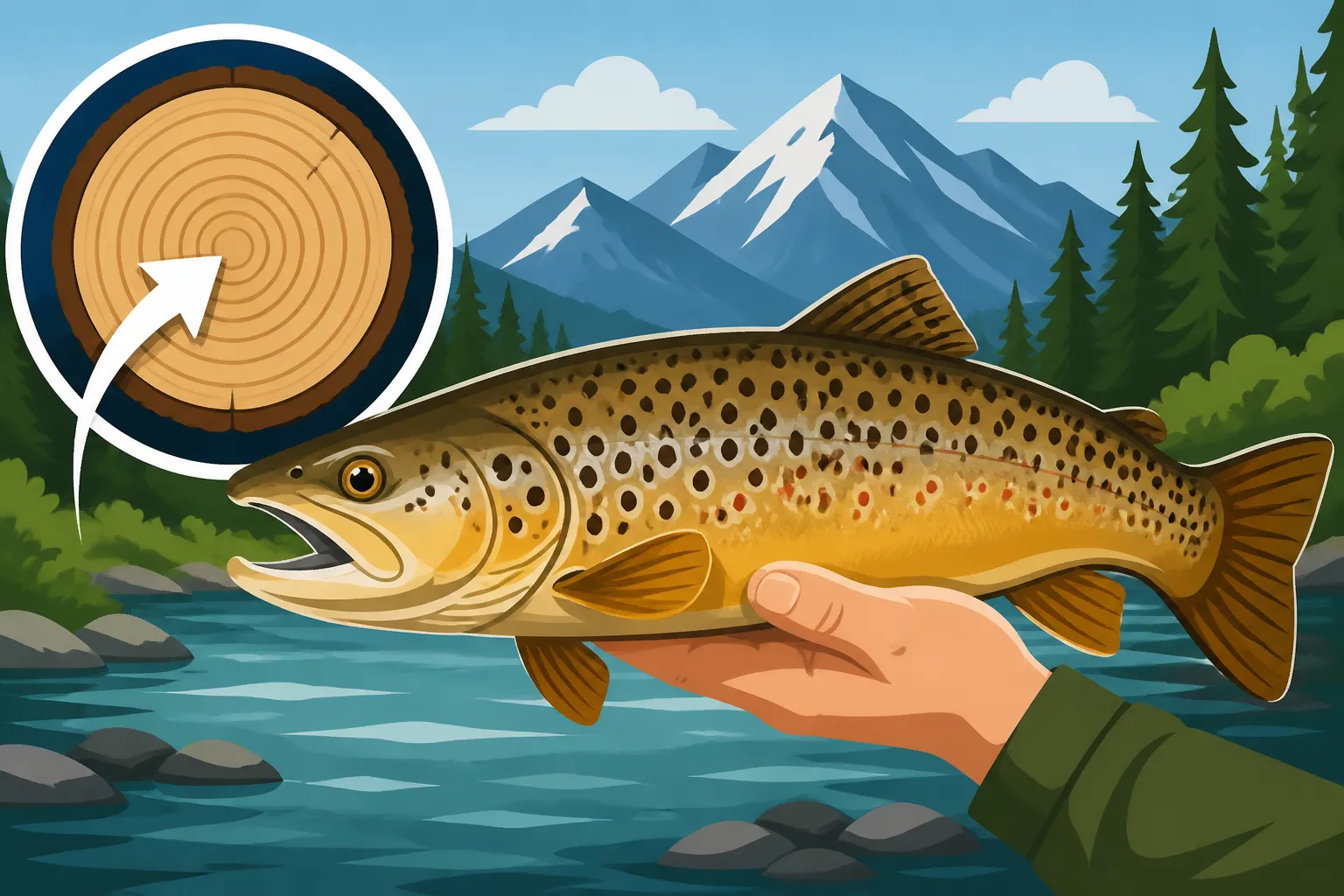
When you land a truly magnificent brown trout in Colorado, especially one that stretches past that magical 20-inch mark, it's natural to wonder about its story. How many seasons has it navigated the currents? How many winters has it survived under the ice? The truth is, there's no single, simple answer to "how old is a 20-inch brown trout in Colorado?" It's a question that delves into the fascinating and complex world of trout biology, environmental factors, and sheer luck. This guide will explore the various elements that influence a brown trout's growth, helping you understand the incredible journey these fish undertake to reach such impressive sizes in our beautiful Colorado waters.
The Elusive Age of a 20-Inch Brown Trout
Landing a 20-inch brown trout feels like shaking hands with a legend. It's a fish that has beaten the odds, evaded countless predators, and survived harsh Colorado winters. But pinning down its exact age is less like reading a birth certificate and more like piecing together a detective story.
Why There's No Single Answer
Think about humans – a 5'10" person could be 16 or 40, right? The same principle, albeit on a different scale, applies to fish. A brown trout's growth isn't a linear, predictable path. Instead, it's a dynamic response to its environment. Factors like the availability of food, the consistent temperature of the water, the genetics of the individual fish, and even the unique characteristics of the river or lake it calls home all play a significant role.
For instance, a brown trout living in a nutrient-rich tailwater river with abundant insect hatches and consistent water temperatures might reach 20 inches much faster than a counterpart in a colder, less productive high-country stream. It’s like the difference between a kid growing up with endless healthy snacks versus one who only gets a meal once a day – both will grow, but at very different rates. What Brown Trout Eat as They Get Larger can give you an idea of the varied diet these fish consume, influencing their growth spurts.
The Range of Possibilities
So, if we can't give an exact number, what's a realistic range? Generally, a 20-inch brown trout in Colorado could be anywhere from 3 to 7 years old, and sometimes even older in rare, exceptional circumstances.
- Faster Growth (3-4 years): This is often seen in highly productive waters like certain tailwaters below large reservoirs, or in large, fertile lakes. These environments offer a consistent, rich food supply (think scuds, midges, and even smaller baitfish) and stable water temperatures that allow fish to feed and grow almost year-round. Less energy is spent surviving extreme conditions, more is put into growing.
- Moderate Growth (4-5 years): This is perhaps the most common scenario for trophy browns in many of Colorado's renowned Gold Medal Waters. These rivers offer excellent conditions but might have more pronounced seasonal fluctuations in food availability and temperature than the absolute fastest-growing environments.
- Slower Growth (5-7+ years): In colder, less fertile high-alpine lakes or small, wild mountain streams, a 20-inch brown trout is a truly ancient specimen. These fish face shorter growing seasons, scarcer food, and harsher conditions, meaning they take much longer to pack on inches. The fact that they've survived for so many years in such an environment makes them even more remarkable.
Catching one of these older, larger fish is a testament not just to your angling skill but to the health of the ecosystem. It tells a story of survival, growth, and the delicate balance of nature in Colorado's stunning landscapes.
Key Factors Shaping Brown Trout Growth in Colorado
Understanding the age of a 20-inch brown trout really boils down to understanding the environment it lives in. Colorado is a state of incredible ecological diversity, from high-altitude tundra to arid plains, and each type of water body offers a different set of challenges and opportunities for a trout to grow.
Food Abundance and Quality
This is arguably the single most critical factor. Just like any living creature, a brown trout needs energy to grow, and that energy comes directly from its diet.
- Tailwater Buffets: Rivers fed by the bottom of large reservoirs, known as tailwaters, are often biological hotbeds. The consistent cold water released from dams provides stable conditions for aquatic invertebrates like midges, caddis, and particularly the protein-rich scuds to flourish year-round. Browns in these environments literally have an endless buffet, allowing for rapid growth. They also learn to key in on larger prey items as they mature, from smaller fish to crayfish, and occasionally even terrestrials like grasshoppers or mice that fall into the water. If you're out fishing these waters, having a well-stocked fly box or lure selection, which you can always supplement from online retailers like Amazon, is key to matching the abundant food sources.
- Freestone Feast or Famine: Freestone rivers, which aren't dam-controlled, are more subject to seasonal variations. Spring runoff brings a flush of nutrients and can move food around, but also makes fishing tough. Summer brings prolific insect hatches like stoneflies, caddis, and mayflies, providing rich feeding opportunities. But in winter, food becomes scarcer, and trout rely on reserves or switch to smaller, less frequent meals like midges. A brown trout in a freestone river must adapt to this feast-or-famine cycle, which naturally slows down overall growth compared to a constant-supply tailwater.
- Lake and Reservoir Larder: Large lakes and reservoirs, especially those with robust populations of baitfish like kokanee salmon or perch, can produce truly enormous brown trout. These fish become apex predators, gorging on smaller fish. The sheer volume of food, combined with the deeper, more stable thermal environments, allows them to grow to immense sizes and ages. Fishing Colorado's Blue Mesa Reservoir is a prime example of a water body where brown trout can grow exceptionally large by preying on kokanee.
Water Temperature and Seasonality
Temperature directly affects a trout's metabolism. Colder water slows it down, meaning less feeding and slower growth, while warmer (but not too warm) water allows for more active feeding and faster assimilation of nutrients. How Water Temperature Affects Trout Feeding is a deep dive into this fascinating subject.
- Consistent Cool Tailwaters: Again, tailwaters shine here. The steady flow of cold water from deep in a reservoir maintains optimal feeding temperatures for much of the year, preventing the extreme temperature swings that can stress fish and slow their growth in freestone rivers or shallow lakes.
- High-Country Cold: In Colorado's high-country lakes and streams, the growing season is short and intense. Trout spend a significant portion of the year under ice or in near-freezing water, where their metabolism is extremely low, and feeding is minimal. This severely limits their growth window, meaning a 20-inch brown trout from a lake above 10,000 feet is an incredibly rare and ancient specimen.
- Seasonal Fluctuations: Even in lower-elevation freestone rivers, summer heat can push water temperatures to the upper limits of a brown trout's comfort zone, causing them to become lethargic and reduce feeding during the hottest parts of the day. Conversely, the arrival of fall and cooler temperatures often triggers a feeding frenzy as trout prepare for winter and their spawning season.
Genetic Predisposition and Strain
While environment is huge, genetics still play a role. Some strains of brown trout simply have the genetic potential for larger size and faster growth.
- Wild vs. Stocked: Wild brown trout, born in the river, are often highly adapted to their specific environment. They tend to be leaner, more streamlined, and incredibly wary. Stocked browns, on the other hand, are bred for growth in hatchery environments. While they might start larger, their survival rates can be lower, and their growth in the wild can vary. Brown Trout in Colorado, Where They're Wild explores where you can find these magnificent naturally reproducing fish.
- The "Trophy Gene": Just like in any species, some individual fish simply have better genes for growth. They might be more efficient at converting food into biomass, or they might be hardier and better able to survive challenges. This is where the truly exceptional, massive brown trout often come from—a combination of prime genetics and an ideal environment.
Habitat and Environmental Influence on Trout Lifespan
Beyond just food and temperature, the overall health and characteristics of a brown trout's home water profoundly impact its ability to grow old and large. Think of it as the difference between growing up in a bustling city with constant threats versus a quiet, safe rural town.
River vs. Reservoir Environments
The type of water body a brown trout inhabits significantly dictates its life trajectory and growth potential.
- Rivers: Current, Cover, and Competition: Rivers, especially freestones, are dynamic environments. The constant current requires fish to expend energy, though it also delivers food. Cover is critical – deep pools, undercut banks, large boulders, and woody debris provide refuge from predators and strong flows. A brown trout in a river needs to be adaptable, constantly seeking the best lies for feeding and protection. While many rivers produce trophy browns, the sheer physical demands and more variable food sources often mean a slower path to 20 inches than in a prime reservoir. Places like the Colorado River or the Arkansas River provide varied habitats where brown trout thrive, but reaching truly large sizes can take considerable time and effort. Reading Water on a Colorado Freestone River can help you understand where these fish might hide.
- Reservoirs: Deep Water, Stable Ecosystems, and Predator Prowess: Large, deep reservoirs offer a different kind of advantage. The sheer volume of water provides thermal stability, and deep areas offer refuge from surface predators and harsh weather. Crucially, many Colorado reservoirs support robust populations of other fish species, like kokanee salmon, suckers, or perch, which become a primary food source for larger brown trout. In these environments, brown trout can become true apex predators, growing fat and old by consistently feeding on protein-rich baitfish. The largest brown trout in Colorado often come from these vast, nutrient-rich impoundments.
Angling Pressure and Survival Rates
Let's be honest, we all love to fish! But angling pressure is a real factor in how many fish survive to become truly large specimens.
- The Impact of Catch-and-Release: Responsible angling, particularly catch-and-release practices, significantly increases the chances of a fish surviving to grow larger. When anglers properly handle and release fish, especially those larger, older breeding individuals, it ensures they can continue to contribute to the population and continue their growth journey. Gold Medal Waters, which often have special regulations and high catch-and-release rates, are excellent examples of where fish have a better chance of reaching trophy size. Colorado Gold Medal Water Regulations Explained details these specific rules. Many anglers invest in specialized tools from a brand like Amazon for safe handling, such as rubberized nets or specialized release tools, to minimize stress on the fish.
- Harvest and Pressure: In waters where harvest is common or angling pressure is exceptionally high, the likelihood of a brown trout reaching 20 inches decreases. Younger fish are removed from the system before they have the chance to mature into trophy size. This isn't necessarily a bad thing, as controlled harvest is part of healthy fisheries management, but it does mean fewer "super-sized" individuals will be present.
Water Quality and Predation
The overall health of the water and the presence of natural predators also play a critical role in a brown trout's long-term survival and growth.
- Pristine Waters for Prime Growth: Clean, well-oxygenated water is fundamental. Pollution, low oxygen levels, or extreme siltation can stress fish, reduce food sources, and make them more susceptible to disease, all of which hinder growth and reduce lifespan. Colorado Parks and Wildlife (CPW) works tirelessly to maintain the water quality in our rivers and lakes, but anglers also have a responsibility to keep our waters clean.
- Natural Predators: Ospreys, eagles, river otters, and even other larger fish species are all part of the natural food web. A brown trout's ability to survive predation year after year is a testament to its instincts and the quality of the cover in its habitat. A 20-inch brown trout has dodged a lot of bullets, so to speak, to reach that size.
| Factor | Impact on Growth to 20 Inches | Typical Age Range for 20-Inch Fish | Example Colorado Water Type |
|---|---|---|---|
| Food Abundance | High | 3-4 years | Rich Tailwaters (e.g., Fryingpan below Ruedi) |
| Moderate | 4-5 years | Fertile Rivers (e.g., Arkansas River) | |
| Low | 5-7+ years | High-Country Streams/Lakes (e.g., alpine lakes) | |
| Water Temperature | Stable & Optimal | 3-4 years | Consistent Tailwaters |
| Seasonal Fluctuations | 4-5 years | Freestone Rivers | |
| Very Cold/Short Season | 5-7+ years | High-Altitude Lakes | |
| Angling Pressure | Low/Catch-and-Release Focus | Encourages older fish | Gold Medal Waters with strict regulations |
| High/Harvest Focus | Fewer older fish | Easily accessible urban ponds | |
| Habitat Stability | Stable (Deep pools, cover) | Encourages older fish | Large Reservoirs (e.g., Blue Mesa) |
| Dynamic (Strong currents) | Moderate | Freestone Rivers |
The Significance of a 20-Inch Brown Trout
Catching a 20-inch brown trout in Colorado is more than just a measurement on a tape; it's an experience that resonates with many anglers. It represents a culmination of factors, both natural and human, and reminds us of the incredible wildness that persists in our state.
A Trophy in the Making
For many anglers, a 20-inch brown trout is a personal trophy, the kind of fish that sparks stories for years to come. It signifies a fish that has grown beyond the typical, a true survivor. To land such a fish often means you've spent time on the water, refined your techniques, and understood the subtle cues of the river or lake. It's a testament to patience, skill, and sometimes, a little bit of luck.
The conditions have to be just right for a fish to reach this size. It means that particular brown trout found an ideal "apartment" in the river with plenty of cover and an eddy that brought food right to its mouth. It avoided the larger predatory fish, the sharp talons of an eagle, and the eager hooks of countless anglers. Every inch past 16 or 18 inches represents an increasing struggle for survival, making that 20-inch mark truly special. Having a reliable tape measure or even a bump board, often purchased through retailers like Amazon, is essential to confirm that trophy status accurately and quickly before a release.
Responsible Angling for Big Fish
Because these 20-inch brown trout are often older, more mature individuals, they are incredibly valuable to the fishery. They've had more opportunities to spawn, contributing their strong genetics to the next generation of wild trout.
Therefore, when you're fortunate enough to hook into one of these magnificent creatures, it's paramount to practice the highest standards of catch-and-release. This means:
- Minimize Fight Time: Land the fish as quickly as possible without over-stressing it.
- Wet Hands Only: Always wet your hands before touching the fish to protect its delicate slime coat, which is its primary defense against disease.
- Keep it Wet: Try to keep the fish in the water as much as possible, especially during photos. If you must lift it, support its entire body horizontally. How to Handle Trout for a Safe Release offers more detailed guidance on this crucial practice.
- Remove Hooks Gently: Use hemostats or pliers to quickly and carefully remove the hook. Barbless hooks, often required in certain Colorado Gold Medal Waters, make this much easier and cause less damage to the fish.
- Allow for Recovery: Hold the fish gently in the current, facing upstream, until it vigorously swims away on its own power. Don't just toss it back; give it time to regain its strength.
Catching a 20-inch brown trout is an incredible achievement. Ensuring its survival by practicing responsible angling means that fish might live to grow even larger, spawn again, and offer another angler the thrill of a lifetime down the road. It's about respecting the fish and preserving the incredible fishing opportunities we have here in Colorado.
Disclaimer
This article is for general informational purposes only and does not constitute professional advice. Laws, prices and regulations vary by location and change over time. Consult a qualified professional for guidance on your specific situation.