Is Splake Stocked Anywhere in Colorado?
The world of Colorado fishing is incredibly diverse, offering everything from tiny native cutthroat in high alpine streams to monstrous lake trout in deep reservoirs. But sometimes, you hear whispers about a different kind of fish – a hybrid, almost mythical creature called a splake. It's easy to wonder if these unique trout are even found here, or if it's just a rumor. This guide will dive deep into the fascinating story of splake in Colorado, explaining what they are, why they're stocked, and how you might just encounter one on your next adventure.
Understanding Splake: What Exactly Are They?
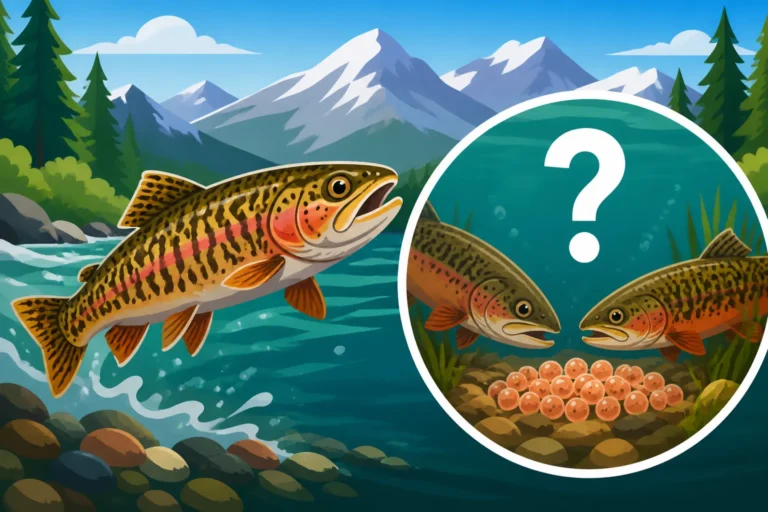
When you first hear the name "splake," it sounds a bit like a made-up fish, doesn't it? Like something out of a Dr. Seuss book. But rest assured, splake are very real, and they represent one of the more interesting biological marvels in the fishing world. They aren't a natural species you'd find reproducing in the wild on their own. Instead, splake are a hybrid fish, created by crossing two distinct species of trout: a male brook trout and a female lake trout.
This genetic combination results in a fish that often exhibits characteristics of both parents. Imagine the vibrant, worm-like markings (vermiculations) and the lighter spots of a brook trout, but on a body shape that’s more elongated and torpedo-like, much closer to its lake trout mother. Their tail might be slightly forked, a trait more pronounced in lake trout, but not as deeply as a pure lake trout. Anglers sometimes struggle to tell a splake from a brook trout or even a smaller lake trout at first glance, but with a keen eye, the hybrid traits become evident. They tend to grow faster than brook trout but not quite as large as the biggest lake trout. Their flesh is typically firm and tasty, often a beautiful orange or pink hue, making them a prize for the dinner table as well. Understanding Colorado's Trout Species, A Field Guide can help you differentiate these unique fish from their purebred relatives.
The Genesis of a Hybrid Trout
The idea of creating a splake didn't just pop up out of nowhere. It's a scientific endeavor that dates back decades, driven by fisheries managers looking for a fish that could thrive in specific environments and fulfill particular ecological roles. In a hatchery setting, eggs from a female lake trout are fertilized with milt from a male brook trout. The resulting offspring, the splake, inherit a blend of traits that can make them uniquely suited for certain waters.
For instance, lake trout are known for being deep-water dwellers, preferring the frigid depths of large lakes and reservoirs, while brook trout often thrive in smaller, colder streams and shallower lake margins. The splake, in many cases, can bridge this gap. They tolerate a wider range of temperatures and depths than either parent species, allowing them to inhabit waters that might not be ideal for pure brook trout or lake trout. This adaptability is a key reason why they've found a niche in various state fisheries programs, including here in Colorado.
Physical Characteristics and Identification
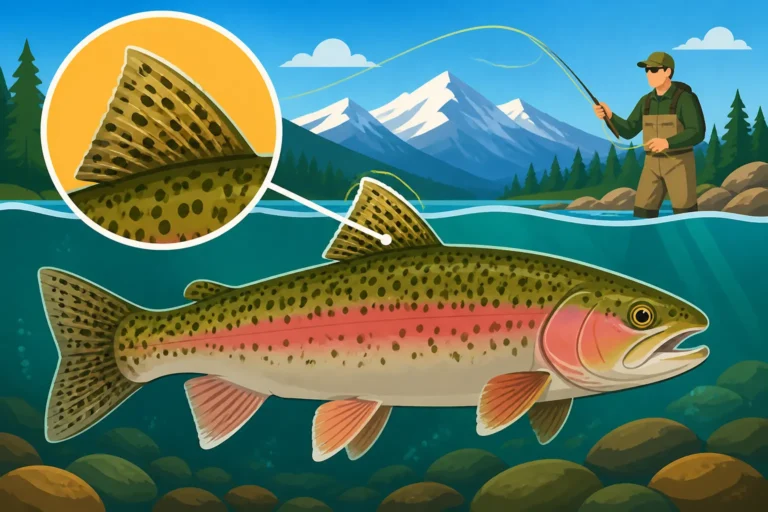
When you reel in a fish in Colorado and suspect it might be a splake, there are a few tell-tale signs to look for. As mentioned, the tail is often a good indicator; it will be noticeably more forked than a brook trout's square or slightly emarginate tail, but less so than a deeply forked lake trout tail. Their coloration can be quite variable, but you'll usually see some blend of the brook trout's light spots (often yellow or reddish with blue halos) over a darker body, combined with the more uniform, grayish-green tones sometimes found on lake trout. The worm-like markings on the back, characteristic of brook trout, are almost always present on splake, though perhaps less vivid.
Another subtle cue can be their mouth size. Splake often have a larger mouth than a brook trout, though still not as cavernous as some mature lake trout. If you're really interested in the nuances of fish identification, checking out detailed guides or even using a field app can be incredibly helpful. It's a fun challenge to correctly identify species, especially when you encounter something as distinct as a splake. When you're out fishing, having a laminated fish identification card or a good fishing app on your phone can make all the difference in quickly determining what you've caught.
Why Colorado Stocks Splake: More Than Just a Pretty Fish
Colorado Parks and Wildlife (CPW) doesn't just stock fish on a whim. Every stocking decision is carefully considered, aiming to improve angling opportunities, manage fish populations, or restore native species. So, if splake aren't native to Colorado, why do they find a home in some of our waters? The answer lies in their unique characteristics and how they can address specific fisheries management goals.
Splake are often introduced into waters where they can fill an ecological niche that neither brook trout nor lake trout can quite manage. They're a hardy fish, capable of tolerating environments that might be marginal for other trout species, particularly colder, higher-elevation lakes and reservoirs that might not sustain a robust wild population of other fish. They're also known for their predatory nature, making them useful in controlling populations of undesirable or overpopulated forage fish, like various sucker species, which can compete with desirable trout for resources.
Filling a Unique Niche in High-Elevation Waters
Many of Colorado's high-country lakes and reservoirs present unique challenges for fisheries managers. These waters are often oligotrophic, meaning they have low nutrient levels, making it tough for some species to thrive. They can also have fluctuating water levels or specific forage bases that require a specialized predator. This is where splake shine. Their hybrid vigor means they can sometimes out-compete other species in these challenging environments.
For example, if a lake has a booming population of an undesirable fish species, splake can be introduced as a biological control. They grow larger than brook trout, enabling them to consume larger prey, and they are often more accessible to anglers than the deep-dwelling Lake Trout Fishing in Colorado. This provides a win-win: better management of the ecosystem and a unique sportfishing opportunity for anglers. It's all about balancing the ecosystem and maximizing the fishing experience. You can see how Colorado approaches these decisions by reading about How Colorado Decides Which Species to Stock Where.
Predation and Population Control
One of the primary reasons splake are stocked in certain Colorado waters is their efficiency as a predator. They are often stocked in lakes that have an overabundance of small, non-game fish, such as various species of suckers or fathead minnows. These forage fish can outcompete trout for food, leading to stunted growth or reduced populations of desirable sportfish. Splake, with their aggressive feeding habits and ability to grow to a respectable size, can help keep these populations in check.
This isn't just about controlling nuisance species; it's about creating a healthier, more balanced ecosystem. By managing the forage base, CPW helps ensure that the remaining sportfish, whether they are splake or other trout, have ample food and can grow to larger sizes, providing better catches for anglers. It's a complex dance of ecology and biology, and splake are one of the tools in the toolkit.
Diversifying Angling Opportunities
Let's be honest, sometimes it's just fun to catch something a little different! While Colorado offers incredible fishing for rainbow, brown, brook, and various cutthroat trout, the introduction of splake adds another dimension to the angling experience. For those who love the challenge of catching a trout with a unique pedigree and fighting style, splake offer a fresh target.
They can be feisty fighters, especially in cold water, and their somewhat elusive nature in a limited number of waters makes catching one feel like a special achievement. For anglers who have already ticked off many of Colorado's standard trout species, pursuing a splake adds a novel quest to their fishing adventures. It also encourages anglers to explore new waters and try different techniques, enriching their overall experience.
Where to Find Splake in Colorado: A Limited but Rewarding Pursuit
So, are splake commonly found across Colorado? The short answer is no. While they serve important management roles, splake are not as widely distributed as rainbow or even brook trout. Their stocking is quite specific and limited to certain lakes and reservoirs that fit the biological and management criteria we discussed. This makes finding them a bit more of a treasure hunt, but definitely a rewarding one!
The key to finding splake in Colorado is to stay informed. Colorado Parks and Wildlife (CPW) regularly updates its stocking reports and fishing regulation brochures, which are your best friends in this pursuit. You're most likely to find splake in higher-elevation, cold-water lakes and reservoirs, often in situations where they are used to manage other fish populations.
Consulting the Official Resources
Your absolute first stop should always be the official Colorado Parks and Wildlife website. They publish an annual stocking report that details which species are stocked in which waters. While the exact locations can change from year to year based on management needs and fish availability, these reports are the definitive source. Make sure to consult Reading Colorado's Weekly Stocking Report for the most current information. Additionally, the Colorado Fishing Atlas to Plan a Trip is an invaluable interactive map that can show you species presence, access points, and regulations for various bodies of water across the state.
Because splake stocking is less common than, say, rainbow trout, you'll want to specifically search for "splake" in these resources. You might also find them listed under "trout hybrid" or similar terms. Pay close attention to the specific water body names mentioned. Some years, certain lakes will receive a batch of splake, and other years, different waters might be chosen. It’s an evolving process. Always double-check the current year's regulations and stocking information before you head out.
Typical Environments for Splake
As hybrids with lake trout lineage, splake tend to prefer deep, cold water, similar to their maternal parent. However, their brook trout heritage means they can also be found in shallower areas, especially during cooler water periods or if actively chasing forage. This adaptability is what makes them so interesting for anglers.
You'll generally look for splake in:
- High-elevation reservoirs and lakes: These waters maintain cold temperatures throughout the year, which splake prefer.
- Lakes with a specific forage base: Often, these are waters where CPW is trying to control populations of suckers or other smaller fish.
- Waters with diverse depth profiles: This allows splake to move between different temperature zones and ambush prey.
These locations are often less crowded than some of Colorado's more famous trout rivers, offering a more solitary and adventurous fishing experience. It's truly a unique quest to target these special fish. Remember, while a good fishing guide can help you find these spots, a thorough review of the online resources is usually enough to point you in the right direction.
| Water Type | Common Splake Presence | Characteristics | Angling Focus |
|---|---|---|---|
| High Mountain Lakes | Occasional | Deep, cold, often remote, limited forage | Ice fishing, jigging, small spoons |
| Larger Reservoirs | More Likely | Varied depths, structured bottom, potential forage | Trolling, vertical jigging, finding drop-offs |
| Tailwaters | Rare to None | Flowing water, inconsistent deep cold water | Not typically stocked in rivers |
| Urban Ponds | Extremely Rare | Warmer, shallower, high pressure | Unsuitable for splake |
Note: This table represents general trends. Always consult current CPW regulations and stocking reports for specific locations.
Fishing for Splake: Techniques for This Unique Hybrid
Catching a splake can be incredibly exciting precisely because they are a hybrid. Their behavior can sometimes lean towards the aggressive nature of a brook trout, and at other times, the deep-water preferences of a lake trout. This means you might need to adapt your techniques, but it also means there are multiple ways to hook into one of these beauties.
Because they are often found in reservoirs and larger lakes, both boat and shore fishing can be effective, depending on the specific location and time of year. Knowing a bit about both their parent species—Brook Trout in Colorado's High Country and Lake Trout Fishing in Colorado—will give you a distinct advantage in developing your fishing strategy for splake.
Targeting Splake in Open Water
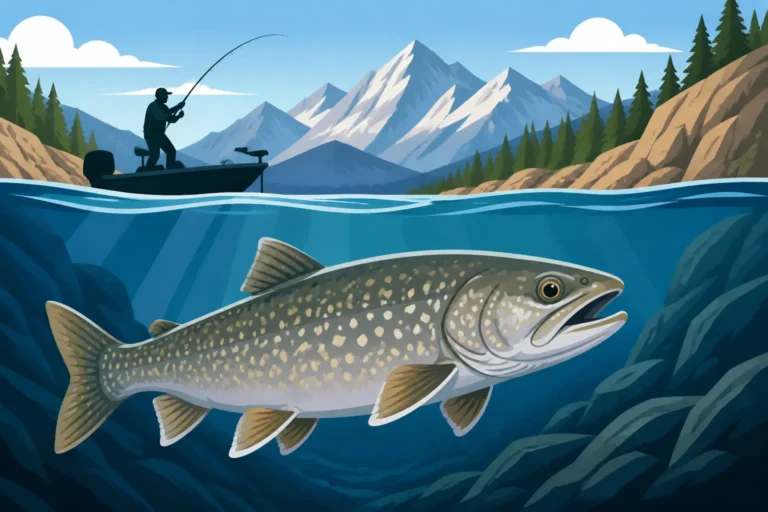
When the ice is off, targeting splake in reservoirs often involves techniques similar to those used for lake trout or kokanee salmon. Trolling is a popular and effective method. You'll want to cover a lot of water and experiment with different depths until you find where the fish are holding. Trolling Techniques for Colorado Reservoirs will give you a great starting point.
- Lures: Spoons, diving crankbaits, and even small stickbaits that mimic baitfish are excellent choices. Colors can vary, but silver, blue, chartreuse, and orange are often productive. Some anglers swear by specific colors, so it's worth having a variety in your tackle box. You can often find these specialized jigs and lures on Amazon, making it easy to stock up before your trip.
- Depth: Early in the season, splake might be found shallower, but as the water warms, they'll often retreat to cooler depths. Using a fish finder is incredibly helpful to locate schools of baitfish or structure where splake might be lurking. Downriggers or lead-core line can help you present your lures at precise depths.
- Location: Look for submerged points, drop-offs, underwater islands, and creek channels within the reservoir. These areas provide cover and ambush points for predatory fish like splake.
Ice Fishing for Splake
Colorado's winters offer fantastic ice fishing opportunities, and some of the waters where splake are stocked become prime destinations. When fishing through the ice, splake can be targeted similarly to how you'd pursue lake trout or even larger brook trout.
- Jigging: This is arguably the most popular and effective ice fishing technique for splake. Small to medium-sized jigging spoons, tubes, or soft plastics tipped with a small piece of bait (like a wax worm or mealworm) can be irresistible. The key is to vary your jigging action—short, quick jerks followed by pauses, or slower, sweeping lifts. Check out Jigging for Lake Trout Through the Ice for more detailed strategies that translate well to splake.
- Bait: Often, a dead minnow fished under a tip-up or suspended just off the bottom can also be highly effective. The scent and natural presentation can entice cautious splake.
- Hole Placement: Just like in open water, focusing your efforts around structure is crucial. Drill holes near drop-offs, submerged humps, or the edge of old creek channels. A flasher or sonar unit is invaluable for seeing fish and your lure in the water column, allowing you to react quickly to bites. Remember to always prioritize safety when ice fishing and know How Thick Ice Needs to Be Before You Fish It in Colorado.
Ultimately, fishing for splake in Colorado is a chance to pursue a truly unique game fish. It requires a bit of research and perhaps some adaptive angling, but the reward of landing one of these beautiful hybrids is well worth the effort. Always remember to check Colorado Fishing Regulations Every Angler Should Know before you head out, as specific rules like bag and possession limits can vary by water.
Disclaimer
This article is for general informational purposes only and does not constitute professional advice. Laws, prices and regulations vary by location and change over time. Consult a qualified professional for guidance on your specific situation.