Best Eating Fish From Colorado Waters
There’s a special kind of satisfaction that comes with not just catching a fish, but knowing you’ll be taking it home to enjoy as a delicious meal. For many Colorado anglers, the thrill of the fight is only half the joy; the other half is the promise of fresh, flaky fish on the dinner plate. But with so many amazing species swimming in our diverse waters, how do you choose which ones are truly the "best eating"? This guide will dive into the top contenders from Colorado's lakes, rivers, and reservoirs, helping you understand what makes a fish great table fare and how to maximize its flavor.
What Makes a Fish Taste So Good (Or Not So Good!)
Ever wonder why that trout you caught in a high mountain lake tasted incredible, but one from a warmer, murkier pond just wasn't the same? It’s not your imagination. A fish’s flavor and texture are heavily influenced by its environment and what happens after it leaves the water. Understanding these factors is key to choosing and preparing the best eating fish from Colorado's waters.
The Science of Flavor: Diet, Water, and Environment
Just like with any animal, "you are what you eat" holds true for fish. Their diet plays a huge role in their taste profile. Fish that primarily feed on insects, crustaceans, or other small aquatic organisms often have a cleaner, milder flavor. Think of a wild brook trout from a pristine mountain stream, gorging on mayflies and caddis. That delicate, sweet flesh is a direct result of its natural, varied diet. On the other hand, fish that consume more scavenger-type foods, or those higher up the food chain eating other fish, can develop a stronger, more "fishy" taste.
Beyond diet, the quality and temperature of the water are massive contributors to a fish's palatability. Cold, clean, well-oxygenated waters—like those found in Colorado's high-country lakes and tailwater rivers—tend to produce fish with firmer flesh and a less pronounced flavor. This is because cold water slows down a fish's metabolism, reducing the accumulation of compounds that can lead to off-flavors. Warmer, slower-moving, or nutrient-rich waters can sometimes lead to fish with softer flesh or a muddier taste. This isn't always the case, but it's a general trend to consider.
Environmental stressors can also impact taste. A fish that's been fighting illness, in poor health, or living in an overpopulated, competitive environment might not taste as good as a healthy, robust specimen from a balanced ecosystem. The cleaner and more natural the environment, the better the fish tends to be. That's why fish from Gold Medal Waters often taste so exceptional – these are typically pristine, cold, and highly productive environments. Colorado Gold Medal Water Regulations Explained provides more insight into these special areas.
The Importance of Immediate Post-Catch Care
You can catch the finest fish in Colorado, but if you don't care for it properly after landing it, all that potential deliciousness can be lost. This is where many anglers unknowingly diminish their catch's table quality. The goal is to get the fish from the water to a cold, clean state as quickly and efficiently as possible.
The first crucial step is bleeding the fish immediately upon capture, especially for larger species like Kokanee salmon or bigger trout. This involves making a quick cut near the gills to allow the blood to drain. Blood left in the flesh can break down and cause a stronger, more metallic, or "gamey" flavor. It also helps preserve the color and texture of the meat. Many experienced anglers carry a sharp, dedicated bleeding knife for this purpose.
Next, chilling the fish rapidly is paramount. This means getting it onto ice, or into an ice-water slurry, as soon as possible. A quality cooler, often sourced from reputable outdoor retailers like Amazon, packed with plenty of ice, is indispensable. The cold temperature stops enzymatic reactions and bacterial growth that lead to spoilage and off-flavors. Simply tossing a fish into a dry cooler, even if it's cool outside, isn't enough to achieve optimal freshness. An ice slurry chills the fish faster and more effectively.
Finally, gutting the fish promptly, especially if you plan to keep it for more than a few hours, prevents digestive enzymes from breaking down the flesh from the inside out. While you might not always have a convenient spot on the bank to do this, doing so greatly extends the quality of the meat. A good, sharp fillet knife (you can find excellent options on Amazon) makes this task much easier and cleaner. These steps, while they might seem like extra work, are foundational to ensuring your Colorado catch truly shines on your dinner plate.
Colorado's Top Contenders for Your Dinner Plate
Colorado boasts an incredible array of fish, and while many are fantastic for catch-and-release sport, a select few truly stand out as exceptional table fare. Let's explore the species that consistently earn top marks for flavor and texture.
The Prized Trout Family: Flaky, Mild, and Delicious
When most people think of eating fish in Colorado, their minds immediately go to trout. And for good reason! Our state's abundant trout populations, both wild and stocked, provide some of the freshest, most delicious meals an angler can ask for.
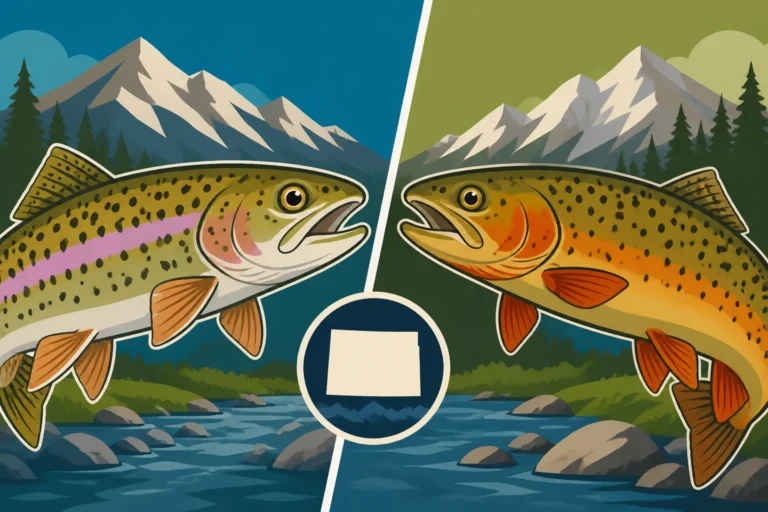
- Rainbow Trout: These are arguably the most commonly caught and eaten trout in Colorado, and for good reason. Widely stocked by Colorado Parks and Wildlife (CPW) in lakes, reservoirs, and many rivers, Rainbows offer a mild, delicate flavor and a beautiful, flaky texture. They're incredibly versatile in the kitchen, tasting fantastic pan-fried, baked, grilled, or even smoked. Their widespread availability makes them an excellent choice for anglers looking to bring home some dinner. Many of the fish stocked in urban ponds and community lakes are Rainbows, making them accessible to beginners and families.
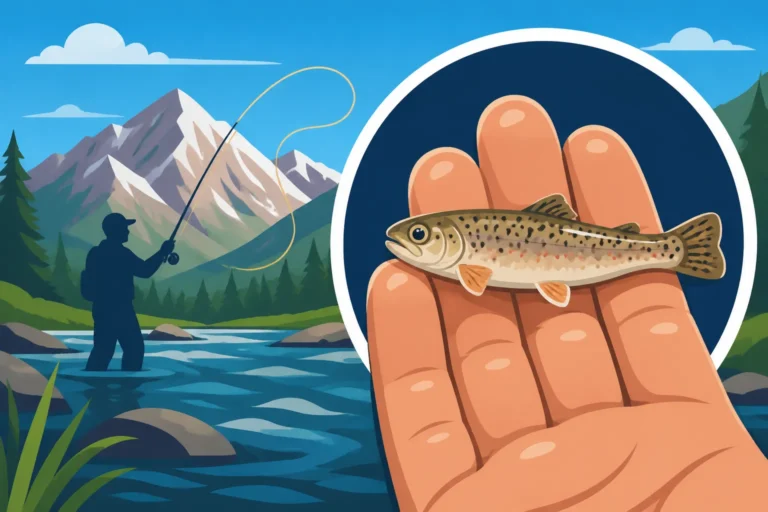
- Brook Trout: Often found in the pristine, cold headwaters and high-country streams of Colorado, Brook Trout are a true delicacy. While they typically don't grow as large as Rainbows or Browns, their flesh is incredibly sweet and delicate, with a fine, tender texture. Catching a handful of small Brookies from an alpine lake and cooking them whole over a campfire is a quintessential Colorado experience. They're a favorite among backpackers and those who venture into more remote areas, offering a taste that's hard to beat. You can learn more about finding these gems in Brook Trout in Colorado's High Country.
- Cutthroat Trout: As Colorado's native trout, Cutthroats hold a special place in our hearts. Their flavor is often described as clean, mild, and slightly richer than a Rainbow. However, many populations, especially the Greenback and Colorado River Cutthroats, are protected or subject to strict catch-and-release regulations to aid in their recovery. Colorado's Native Cutthroat Trout Subspecies delves into the different varieties. Always check local regulations before keeping a Cutthroat; many waters are designated catch-and-release only for these precious fish, as detailed in Catch-and-Release Rules on Colorado's Cutthroat Waters. When legally harvestable, they are an absolute treat.
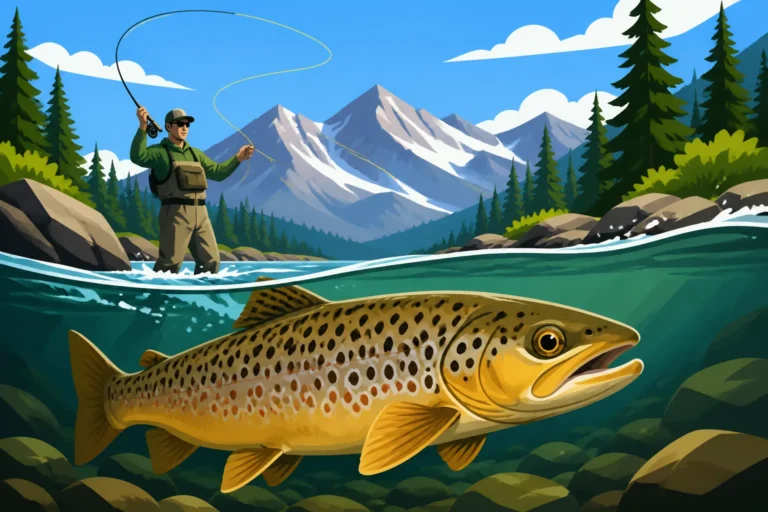
- Brown Trout: Brown Trout can be a bit of a wildcard when it comes to table fare. Smaller Browns, especially those caught from cold, clean, flowing rivers, tend to have excellent, firm, flaky flesh with a good, earthy flavor. However, larger Brown Trout, particularly those from warmer or more nutrient-rich lakes, can sometimes develop a fattier, oilier texture and a stronger, more pronounced taste that some find a bit "gamey." Generally, if you're keeping Browns for the table, aim for the smaller to medium-sized fish from cold-water environments for the best eating experience.
Beyond Trout: Surprising Warmwater and Coldwater Delights
While trout might dominate the conversation, Colorado's waters offer a fantastic variety of other species that are equally, if not more, delicious. Don't limit your culinary adventures to just trout!
- Kokanee Salmon: If you're looking for a rich, buttery, and distinctly salmon-flavored experience, Kokanee Salmon are your ticket. These landlocked sockeye salmon are highly prized for their deep red, firm flesh, which holds up beautifully to grilling, baking, smoking, or even eating raw as sashimi. Kokanee are particularly popular during their seasonal spawning runs, when they turn a brilliant red and concentrate in tributary streams, though they can be caught in reservoirs year-round. They are an absolute highlight of Colorado's eating fish. Discover more about targeting these flavorful fish in Kokanee Salmon Fishing in Colorado.
- Walleye: For many discerning anglers, Walleye stands as the king of freshwater table fare. Colorado's warmwater reservoirs, especially on the eastern plains and Front Range, hold healthy populations of these incredible fish. Walleye meat is incredibly mild, sweet, and clean-tasting, with a firm, opaque, and flaky texture when cooked. It has very little of that "fishy" taste some people dislike. Pan-fried Walleye fillets are a culinary dream, and if you have the chance to catch them, they are a definite must-try for dinner.
- Yellow Perch: Don't let their smaller size fool you; Yellow Perch are one of the best eating panfish Colorado has to offer. Found in many of our warmer lakes and reservoirs, perch boast a sweet, clean, and very mild flavor with firm, flaky white meat. They're often caught in numbers, making for a fantastic fish fry. While filleting them can be a bit tedious due to their size, the reward is well worth the effort. They are a beloved species for a reason.
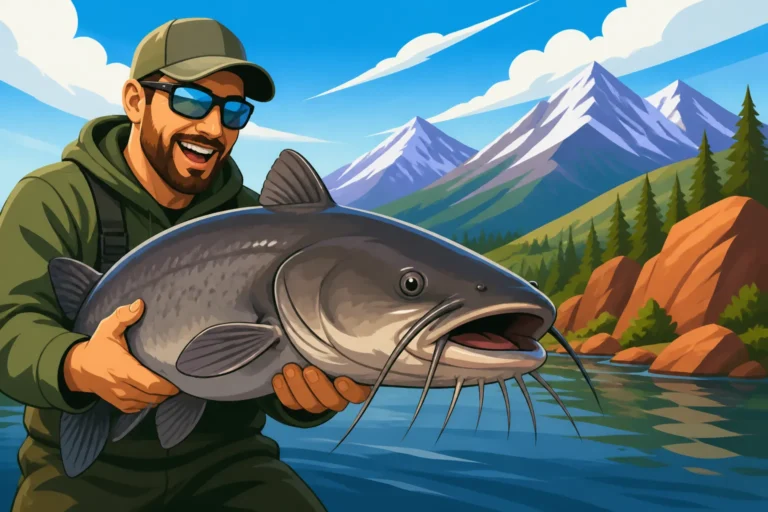
- Channel Catfish: If you appreciate a robust, earthy flavor and a firm, meaty texture, then Channel Catfish should be on your list. Often found in warmer, slower-moving rivers and many of Colorado's reservoirs, catfish are fantastic deep-fried or grilled. Their unique flavor stands up well to bold seasonings. They're particularly popular in the southern and eastern parts of the state.
- Wiper: This hard-fighting hybrid (striped bass x white bass) is another excellent option for the table. Wipers offer a firm, white, flaky meat with a mild, slightly sweet flavor. They're known for their aggressive strikes and powerful runs, making them a blast to catch, and their quality on the plate ensures they're a dual-purpose fish for many anglers. You can learn more about these powerful hybrids in Wiper, Colorado's Hybrid Striped Bass.
Species with Special Considerations (Still Tasty!)
Some fish might require a bit more effort in preparation or selection, but can still provide a wonderful meal.
- Northern Pike: Northern Pike often get a bad rap as table fare, mainly due to their infamous Y-bones. However, if you're willing to learn the proper filleting technique to remove these bones, pike meat is surprisingly delicious. It's white, firm, and mild, with a clean flavor that fries up beautifully. Many experienced anglers find pike to be excellent eating, and they are abundant in many Colorado reservoirs. Don't let the bones deter you from trying this challenging but rewarding fish. Check out Northern Pike Fishing in Colorado for more on where to find them.
- Lake Trout: Colorado's deep, cold reservoirs are home to some truly massive Lake Trout. The key to delicious Lake Trout lies in their size and the water they come from. Smaller "Lakers" (under 24 inches) caught from very cold, deep water tend to have bright orange-red, firm flesh with a rich, buttery flavor that is excellent baked, grilled, or especially smoked. Larger, older Lake Trout, however, can be quite oily and develop a stronger, less appealing taste. If you're targeting Lake Trout for the table, focus on the smaller, younger fish for the best culinary experience. Lake Trout Fishing in Colorado offers more details on these deep-water giants.
To help visualize your options, here's a quick reference table for some of Colorado's best eating fish:
| Fish Species | Typical Flavor Profile | Texture | Common Preparation Methods | Special Notes |
|---|---|---|---|---|
| Rainbow Trout | Mild, delicate, slightly nutty | Flaky, tender | Pan-fry, bake, grill, smoke | Widely available, excellent starter fish. |
| Brook Trout | Sweet, very delicate | Fine, tender | Pan-fry, whole roasted | Smaller size, often from pristine waters. |
| Cutthroat Trout | Mild, clean, slightly richer than Rainbow | Flaky, tender | Pan-fry, bake, grill | Often C&R; check regulations carefully. |
| Brown Trout | Earthier, varies by diet/water | Firmer, flaky | Pan-fry, bake, smoke | Smaller ones from cold water are generally best. |
| Kokanee Salmon | Rich, buttery, distinctly "salmon" | Firm, moist | Bake, grill, smoke, sashimi | Seasonal, deep red flesh, highly prized. |
| Walleye | Very mild, sweet, clean | Firm, white, flaky | Pan-fry, bake, deep-fry | Considered a top eating fish, low fishy taste. |
| Yellow Perch | Sweet, clean, very mild | Firm, flaky | Pan-fry (whole or fillet) | Small but delicious, excellent panfish. |
| Channel Catfish | Earthy, sweet, distinct | Firm, meaty | Deep-fry, grill, stew | Unique flavor profile, great comfort food. |
| Northern Pike | Mild, white, firm | Firm, flaky | Pan-fry, bake, pickle | Requires careful filleting to remove Y-bones. |
| Lake Trout | Rich, fatty, can be strong | Firm, oily | Smoke, bake, grill | Best from cold, deep water; smaller fish less oily. |
Mastering the Catch-and-Cook Process
The journey from water to plate involves a few critical steps that can significantly elevate or diminish the eating quality of your catch. Even the most delicious fish species can taste bland or "off" if not handled properly. This isn't just about hygiene; it's about preserving the delicate flavors and textures that make fresh fish such a culinary delight.
Field Dressing and Storage: Preserving Freshness
Imagine reeling in a beautiful Rainbow Trout from a chilly Colorado river. The first moments after the catch are crucial for its journey to your dinner table. As mentioned earlier, bleeding your fish immediately is a game-changer. By making a quick incision just behind the gills, you allow the blood to drain, which prevents it from congealing in the flesh and contributing to a stronger, less desirable taste. It also helps preserve the vibrant color of the meat. This simple act can significantly enhance the eating quality of any fish you plan to keep.
Once bled, the next priority is rapid chilling. Fish flesh is highly perishable, and warm temperatures quickly degrade its quality. A reliable cooler, well-insulated and packed with plenty of ice, is your best friend here. Even better than just ice is an ice-water slurry – a mix of ice and water that surrounds the fish, chilling it more efficiently and consistently than ice cubes alone. This rapid cooling halts bacterial growth and enzymatic breakdown, locking in freshness. Many anglers have a trusty cooler, perhaps something they ordered from Amazon, that accompanies them on every trip specifically for this purpose.
Finally, consider gutting your fish as soon as practical. While some might wait until they get home, removing the internal organs on the spot can prevent digestive enzymes from tainting the meat. This is especially true for fish caught in warmer waters or those that have consumed strong-tasting foods. A sharp, narrow-bladed knife, like a good fillet knife (again, easily found on Amazon), makes quick work of this. If you're on a multi-day trip or just have a long drive home, gutting and then placing the fish back into an ice slurry will yield the best results for freshness and flavor.
Simple Cooking Methods to Highlight Natural Flavors
With your properly cared-for fish ready for the kitchen, it's time to choose a cooking method that allows its natural flavors to shine. The beauty of fresh Colorado fish is that often, less is more when it comes to preparation.
Pan-frying is a classic and wonderfully simple method that works for almost any species, especially Rainbow Trout, Brook Trout, Perch, and Walleye. A light dusting of seasoned flour or cornmeal, a hot pan with a bit of butter or oil, and just a few minutes per side will give you a crispy exterior and a moist, flaky interior. This method is quick, easy, and preserves the delicate texture. Imagine pan-fried Brook Trout fillets, fresh from a high-country lake, simply seasoned with salt and pepper – pure bliss.
For a healthier option or for larger fillets like Kokanee Salmon or Lake Trout, baking or grilling are excellent choices. A simple marinade of lemon, herbs, and olive oil can complement the fish without overpowering it. Baking fish in foil packets with vegetables can create a steamy, flavorful meal with minimal cleanup. Grilling imparts a delicious smoky char and is fantastic for firmer-fleshed fish. These methods are great for highlighting the inherent richness of species like Kokanee.
And then there's smoking, a technique that can transform certain fish into a gourmet experience. Kokanee Salmon and the smaller, less oily Lake Trout are particularly excellent candidates for smoking. The slow, low heat and wood smoke infuse the fish with a deep, complex flavor that is truly unique. Smoked fish can be enjoyed on its own, flaked into salads, or used in spreads. This method takes a bit more time and specialized equipment but is incredibly rewarding for those looking to explore a different culinary dimension with their catch.
Important Considerations for Keeping Fish in Colorado
Bringing fish home for dinner is a wonderful part of the angling experience, but it’s crucial to do so responsibly and legally. Colorado Parks and Wildlife (CPW) has detailed regulations designed to protect our fisheries and ensure sustainable populations for future generations. Ignorance of these rules is no excuse, and wardens routinely check anglers in the field.
Daily Bag and Possession Limits: Know Before You Go
One of the most fundamental aspects of responsible harvesting is understanding daily bag and possession limits. A daily bag limit refers to the maximum number of fish of a particular species or type that you can keep in a 24-hour period. For example, if the daily limit for trout is four, you can only harvest four trout within that day. A possession limit, on the other hand, is the maximum number of fish you can have on your person, in your vehicle, or in your home at any given time. This limit often encompasses multiple days of fishing. So, if you fished for two days and kept four trout each day, your possession limit might be eight fish.
These limits can vary dramatically by species, by specific body of water, and even by the time of year. Some rivers or lakes might have a general trout limit, while others have very specific regulations, like a size restriction (e.g., "no trout between 14-20 inches may be kept") or limits on certain species within a mixed bag. Before heading out, it is absolutely essential to consult the most current Colorado Fishing Regulations brochure or the CPW website. This is not just a suggestion; it's a legal requirement. Not knowing the rules can lead to hefty fines and loss of fishing privileges. For a deeper dive into these specifics, make sure to read Colorado Bag and Possession Limits by Species and Possession Limits vs Daily Limits in Colorado.
Special Regulations and Protected Species
Beyond general limits, Colorado has numerous special regulations designed to protect vulnerable fish populations or enhance fishing opportunities. You'll encounter waters designated as "catch-and-release only," where no fish may be harvested at all, regardless of species or size. These areas are often established to protect native fish like certain strains of Cutthroat Trout or to maintain a trophy fishery where larger fish can grow unimpeded. Respecting these rules is paramount for conservation. What Catch-and-Release Only Means on Colorado Water explains this concept further.
Furthermore, several of Colorado's native fish species, including certain subspecies of Cutthroat Trout like the Greenback Cutthroat, are protected under state and federal law. Efforts are ongoing to recover these populations, as detailed in Greenback Cutthroat Trout Recovery in Colorado. It is illegal to harvest these protected fish, and anglers must be able to properly identify their catch. If you accidentally catch a protected species in an area where they are present, you must release it immediately and unharmed. Always be diligent in identifying your catch, and if in doubt, practice catch-and-release. These regulations are not arbitrary; they are critical tools to ensure that Colorado's incredible fishing opportunities remain vibrant for all of us.
Disclaimer
This article is for general informational purposes only and does not constitute professional advice. Laws, prices and regulations vary by location and change over time. Consult a qualified professional for guidance on your specific situation.