What Fin Clips Tell You About a Stocked Trout
Ever been out on a beautiful Colorado river, perhaps casting a line into a crystal-clear tailwater, and caught a trout that looked… a little different? Maybe it had a perfectly missing fin, almost surgically removed, or a tag sticking out near its jaw? It’s a common experience that can leave you scratching your head, wondering if the fish was injured or if there's something more to it. This guide is here to unravel that mystery, explaining exactly what those fin clips and other marks are all about, why they're there, and what they can tell you about the fish you've just landed in Colorado.
The Mystery of the Missing Fin: What is a Fin Clip?
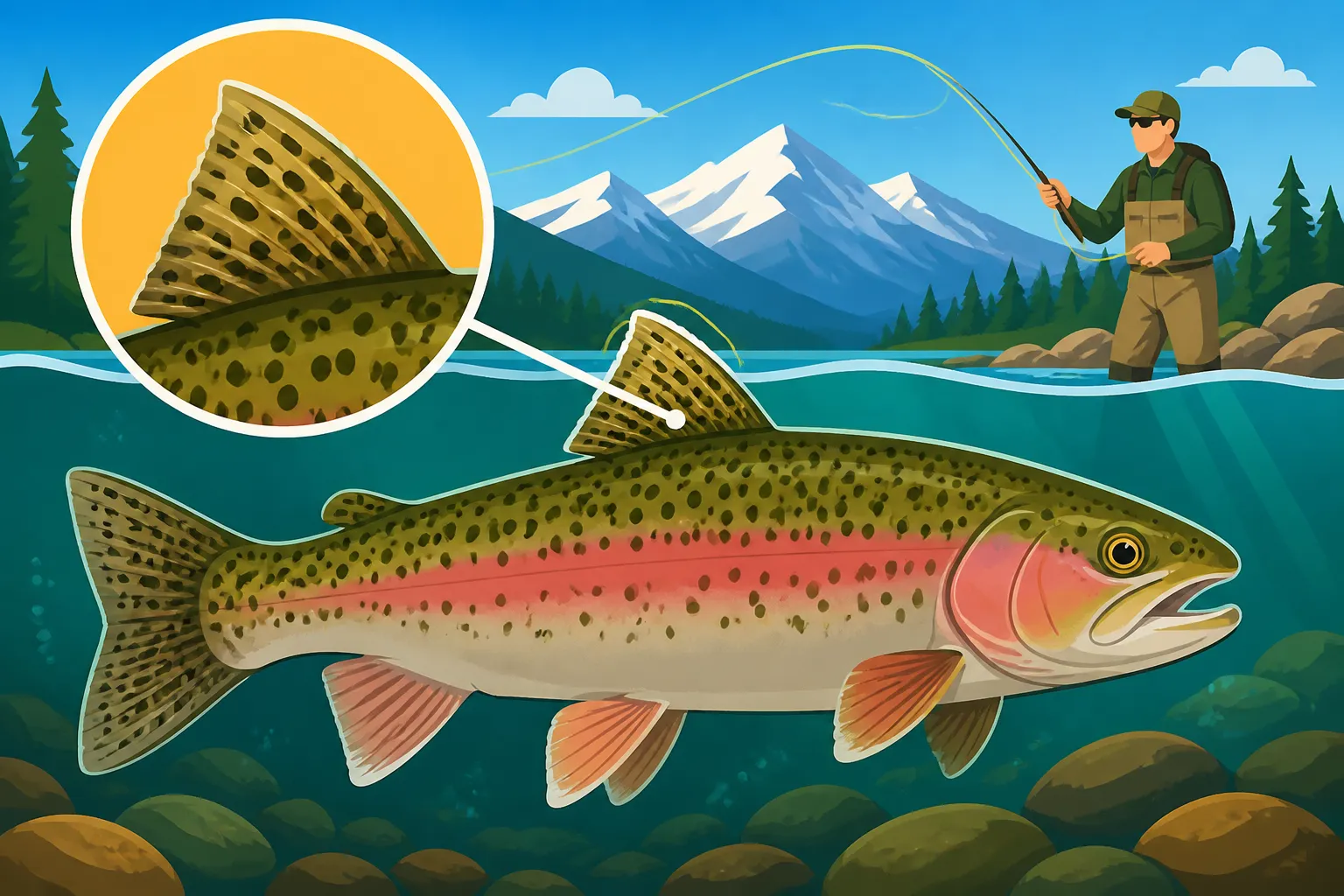
When you reel in a trout and notice a fin isn't quite right – maybe the adipose fin (that small, fleshy fin between the dorsal and tail fins) is completely absent, or a pectoral fin looks shorter than it should – your first thought might be that the fish had a run-in with a predator or another angler's hook. While that can certainly happen, those deliberate, cleanly missing fins are usually no accident of nature or injury. They're intentional marks, placed there by dedicated fisheries biologists, and they tell a story.
More Than Just a "Flaw": The Purpose Behind Fin Clips
These seemingly "flawed" fins are actually a crucial tool for wildlife management, particularly for agencies like Colorado Parks and Wildlife (CPW). The primary reason for a fin clip is to serve as a biological "tag" or "tattoo" that identifies the fish as having come from a hatchery. Think of it like a cattle brand, but for fish! This distinction is incredibly important for CPW because they stock millions of fish annually into Colorado's waters. Without a way to tell stocked fish apart from wild, naturally spawned fish, it would be almost impossible to study their survival, growth, and contribution to the fishery. When you see a fish with a fin clip, you're looking at a survivor of a stocking program.
The practice of fin clipping has been around for decades, evolving as a cost-effective and relatively low-impact way to mark large numbers of fish. It allows biologists to gather valuable data without having to individually tag every single fish, which would be an enormous and impractical undertaking. So, that missing fin isn't a sign of distress; it's a badge of honor, identifying a fish that began its life in a state hatchery before being introduced to its new aquatic home.
Common Types of Fin Clips You Might See
While the concept of a fin clip is simple – remove part of a fin – the specific fin removed can vary. Each clip has its own name, corresponding to the fin affected. Here are the most common ones you might encounter, though in Colorado, one type stands out above the rest for hatchery trout:
- Adipose Fin Clip (Ad-clip): This is by far the most common fin clip you'll see on hatchery-reared trout, especially rainbow trout, stocked throughout Colorado. The adipose fin is that small, fleshy, rayless fin on the back of the fish, located between the dorsal fin and the caudal (tail) fin. It's often clipped because it doesn't contain any bony rays, making the procedure quick, relatively non-invasive, and less likely to impact the fish's swimming ability or survival. If you catch a trout in Colorado with no adipose fin, it is almost certainly a stocked fish.
- Pectoral Fin Clip (Pec-clip): The pectoral fins are the pair of fins located just behind the gills, on either side of the fish's body. A portion of one or both of these fins might be clipped.
- Pelvic Fin Clip (Pel-clip): These are the paired fins located on the underside of the fish, usually further back towards the tail than the pectoral fins. Again, one or both could be clipped.
- Dorsal Fin Clip (Dorsal-clip): The large fin on the top of the fish's back. Clipping this fin is less common for general stocking identification as it can affect a fish's stability and growth more significantly.
- Caudal Fin Clip (Tail-clip): The tail fin. Similar to the dorsal fin, this clip is less common for mass marking due to its importance for propulsion and potential impact on survival.
Each type of clip, or even a combination of clips (e.g., adipose and a left pectoral), can convey different information to researchers. However, for the average angler in Colorado, the presence of any clean fin clip, particularly an adipose clip, is usually the key indicator you need to know: this fish started its life in a hatchery. When you're out on the water, you might even consider bringing along a small magnifying glass, which you can easily pick up on Amazon, to get a clearer view if you're unsure about a fin's condition.
Decoding the Message: What a Fin Clip Tells You
So, you’ve caught a trout with a fin clip. Now what? Understanding the meaning behind these marks can actually enhance your fishing experience and help you become a more informed steward of Colorado's fisheries. The most immediate and significant piece of information a fin clip provides is the origin story of your fish.
Stocked vs. Wild: The Big Reveal
For most anglers, the biggest takeaway from a fin-clipped trout is simple: it’s a stocked fish. Wild trout, those born and raised naturally in Colorado’s rivers and lakes, generally have all their fins perfectly intact, with smooth, well-formed edges. They haven't undergone any "surgical" procedures. This distinction is incredibly important in many areas of Colorado, especially when it comes to understanding and following specific fishing regulations.
For example, on certain Gold Medal Waters or designated native trout recovery areas, there might be very strict catch-and-release rules or even specific bait restrictions to protect wild, native populations. In these waters, catching a fin-clipped rainbow trout might mean it falls under a different set of regulations compared to a wild brown trout or a Colorado River Cutthroat Trout. Recognizing a stocked fish, often by its adipose clip, can help you adhere to these nuanced rules, ensuring you're fishing responsibly and sustainably. Always consult the Colorado Fishing Regulations Every Angler Should Know before heading out, as rules can change from one body of water to the next.
Consider a scenario: you're fishing a small, high-country stream known for its native cutthroat population. If you catch a beautiful trout with an adipose fin clip, you can almost certainly conclude it's a stocked fish (likely a rainbow or brook trout), not a native cutthroat. This knowledge helps you make decisions about handling and release, and more importantly, understand the conservation efforts in that specific area. This ability to distinguish between a wild fish and a stocked fish is a critical skill for any angler committed to ethical fishing practices and resource conservation. If you're struggling to tell them apart, our guide on Identifying Colorado's Native vs Stocked Trout can provide more tips.
Beyond Just "Stocked": Gaining Deeper Insights
While knowing a fish is "stocked" is the primary message, fin clips can sometimes tell an even more detailed story, though this usually requires access to specific CPW data or research. In some cases, different clips (e.g., a left pectoral clip versus a right pectoral clip, or a combination of clips) can denote:
- Year Class: Fish stocked in a particular year might receive a specific clip to differentiate them from fish stocked in other years. This helps biologists track growth rates over time.
- Hatchery of Origin: If multiple hatcheries contribute fish to a system, different clips could identify which hatchery the fish came from, allowing CPW to evaluate the success rates of various rearing programs.
- Specific Study Groups: For targeted research, a unique clip might be used to mark a group of fish that received a particular treatment, were stocked at a specific size, or were released into a unique habitat.
For the everyday angler, delving into these specific codes isn't usually necessary or practical. However, it's fascinating to know that these simple marks are part of a much larger scientific endeavor. The data gathered from fin-clipped fish is invaluable for CPW, allowing them to make informed decisions about how best to manage Colorado’s fisheries. It's a testament to how meticulous these efforts are, ensuring that the fish populations remain healthy and abundant for future generations of anglers. The financial backing for these vital programs, including the extensive stocking efforts, often comes from license sales and stamps, such as explained in Colorado's Habitat Stamp, Explained.
Why Colorado Parks and Wildlife Uses Fin Clips
The decision to fin clip fish isn't arbitrary; it's a strategic move by Colorado Parks and Wildlife (CPW) to manage and sustain the state's diverse aquatic resources. They invest significant resources into raising and stocking fish, and these small marks provide essential feedback loops to ensure those investments are paying off.
Monitoring Stocking Success and Survival Rates
Imagine stocking a lake with thousands of trout. Without any way to identify them, how would you know if those fish are surviving, growing, and being caught by anglers? You wouldn't. Fin clips provide that critical piece of the puzzle. When CPW biologists conduct surveys, such as electrofishing or gillnetting, they carefully examine any fish they catch for clips.
- Survival Data: By comparing the number of clipped fish recaptured to the number originally stocked, biologists can estimate survival rates. If survival is low in a particular body of water, it might indicate issues with habitat, water quality, or predation, prompting further investigation.
- Growth Information: Recaptured clipped fish can also provide data on growth rates. A fish clipped as a fingerling that's recaptured a year later at a healthy size tells biologists that the habitat is providing adequate food and conditions for growth.
- Angler Catch Rates: In some cases, creel surveys (where biologists interview anglers) or voluntary reporting programs can use fin clips to determine how many stocked fish are being caught. This helps CPW understand how effectively their stocking programs are meeting angler demand and providing recreational opportunities. This is vital because the Colorado Fishing License Costs Explained are directly tied to these management efforts.
These insights allow CPW to fine-tune their stocking strategies, ensuring they're putting the right fish in the right places at the right time, maximizing the benefits for both the fish and the angling community.
Protecting Native Trout Populations
One of the most critical uses of fin clips in Colorado is in the ongoing effort to conserve and restore the state's native trout species. Colorado is home to several distinct native cutthroat trout subspecies, including the Greenback, Colorado River, and Rio Grande cutthroat trout. These populations face threats from habitat loss and, significantly, from hybridization with non-native rainbow trout. Colorado's Native Cutthroat Trout Subspecies are a precious resource, and protecting their genetic integrity is paramount.
CPW often stocks waters with non-native rainbow trout. To prevent interbreeding and to help anglers distinguish between native and non-native species, stocked rainbows destined for waters near native trout recovery areas are frequently fin-clipped. This makes it easier for anglers and biologists to identify a rainbow trout, even if it might superficially resemble a cutthroat. For instance, in a stream designated for Greenback Cutthroat Trout Recovery in Colorado, if you catch a cutthroat-looking fish with an adipose clip, you immediately know it's a stocked fish (likely a rainbow) and not a native cutthroat that should be carefully released. This helps prevent accidental harvest of sensitive native species and ensures anglers are complying with strict conservation rules, like Catch-and-Release Rules on Colorado's Cutthroat Waters.
Data Collection for Management Decisions
Ultimately, every fin clip is a piece of data. This data, aggregated over countless fish and numerous years, is what drives effective fisheries management. CPW uses this information to:
- Allocate Resources: Decide which lakes and rivers need stocking, how many fish, and what species are most appropriate. For instance, if data shows high survival of stocked rainbow trout in a certain reservoir, they might continue or increase stocking there. If a native cutthroat population is struggling, they might reduce or halt stocking of non-native species in nearby areas. How Colorado Decides Which Species to Stock Where is a complex process.
- Evaluate Regulations: Assess whether current bag limits, length limits, or special restrictions (like those in Colorado Gold Medal Water Regulations Explained) are achieving their intended conservation or recreational goals.
- Inform Anglers: The knowledge gained helps CPW develop educational materials and update regulation brochures, helping anglers understand the ecosystem they're fishing in and why certain rules are in place.
In essence, fin clips are a simple but powerful tool that allows CPW to scientifically manage Colorado's fisheries, ensuring a healthy balance between conservation, ecological integrity, and providing excellent angling opportunities for everyone. It's a continuous process of learning and adapting, with each clipped fin contributing to a clearer picture of Colorado's underwater world.
What to Do When You Catch a Fin-Clipped Trout
So, you've learned to spot a fin-clipped trout, and you understand why they're marked. Now comes the moment of truth: you've actually caught one! Knowing how to respond in this situation is just as important as knowing what the clip means. Your actions can contribute to both sustainable fishing and, sometimes, to scientific data collection.
Observe and Understand Local Regulations
This is rule number one, always. The presence of a fin clip doesn't automatically mean you can keep the fish, nor does it mean you must release it. It simply tells you it's a stocked fish. What you do next depends entirely on the specific regulations for the body of water you're fishing.
- Check the Brochure: Before every fishing trip, make it a habit to review the most current Colorado Fishing Regulations Brochure. Many waters, especially those managed for native trout recovery or special trophy fisheries, will have different rules for stocked versus wild fish. For example, a river might have a zero-bag limit for wild trout but allow you to keep a certain number of stocked, fin-clipped rainbow trout.
- Length and Bag Limits: Pay close attention to length and bag limits. A fin clip might indicate a fish falls into a category with a more generous limit. Conversely, some waters might have special regulations on fin-clipped fish if they are part of a specific study.
- Possession vs. Daily Limits: Remember the difference between Possession Limits vs Daily Limits in Colorado. The fin clip identifies the fish, the regulations tell you what you can do with it.
It's your responsibility as an angler to know the rules. Ignorance isn't usually an excuse when a Colorado Parks and Wildlife officer checks your catch. If you’re ever unsure, the safest bet is always to practice catch-and-release, especially if the fish is healthy.
Proper Handling for Release (If Applicable)
If the regulations permit you to keep the fin-clipped trout and you decide to do so, great! Enjoy your meal. However, if you choose to release it, or if regulations require its release, proper handling is paramount to ensure its survival. Remember, even though it's a stocked fish, it deserves the same respect and care as a wild one.
- Minimize Stress: Land the fish quickly. Don't play it to exhaustion.
- Keep it Wet: Try to keep the fish in the water as much as possible. If you must handle it, wet your hands first to protect its slime coat, which is its natural defense against disease.
- Avoid Squeezing: Never squeeze the fish, especially around its belly or gills.
- Barbless Hooks: Consider using barbless hooks. They make releasing fish much easier and quicker, causing less stress and damage. Many popular fly patterns, which you can also find on Amazon, come in barbless options, and some Barbless Hook Rules on Colorado Rivers are mandatory.
- Revive Carefully: If the fish seems sluggish after a fight, hold it gently in the current, facing upstream, until it can swim away strongly on its own. Our guide on How to Handle Trout for a Safe Release has even more tips for ensuring a healthy send-off.
Reporting Your Catch (If Desired)
While it's generally not required to report every fin-clipped trout you catch, there might be specific instances where doing so can be helpful for fisheries management.
- Unusual Clips: If you encounter a fish with a particularly unusual or complex clip (e.g., multiple fins clipped, or a clip on a fin that's rarely removed), CPW might be interested in that data. This is more common in specialized research areas than in general stocking programs.
- Jaw Tags or PIT Tags: If a fish has a visible jaw tag (a small piece of plastic or metal clipped to its jaw) or if you have a way to scan for a PIT tag (which is very rare for casual anglers), these are definitely worth reporting if instructions are provided on the tag or in the regulations. These tags are for very specific individual tracking.
- Voluntary Programs: Occasionally, CPW might launch voluntary angler reporting programs for specific species or marked fish. Keep an eye out for such announcements on their website or in the annual fishing brochure.
Even if you don't report it, simply understanding that the fish you caught is a product of scientific management and conservation efforts can deepen your appreciation for Colorado's amazing fishing opportunities.
Beyond Fin Clips: Other Ways Trout Are Marked
While fin clips are a staple for distinguishing stocked trout, especially rainbow trout, they're not the only method fisheries biologists use to mark fish. For more detailed research, individual tracking, or shorter-term studies, CPW and other research institutions employ more advanced techniques, each with its own advantages and applications.
Jaw Tags and PIT Tags
These methods offer a more precise way to track individual fish over extended periods, providing invaluable data that fin clips alone cannot capture.
- Jaw Tags: These are small, numbered tags, usually made of plastic or metal, that are clipped onto the jawbone of a fish. They are visible externally, making it easy for anglers or researchers to spot and record the tag number. Jaw tags are excellent for tracking individual fish movements, growth rates, and survival over multiple seasons. If you catch a fish with a jaw tag, there will often be instructions on the tag itself or information in the fishing regulations about who to contact and what information to report (e.g., tag number, date, location caught, fish length and weight). This direct feedback from anglers is crucial for understanding the life history of specific fish. It's like a personalized ID badge for that particular trout. While less common than fin clips, seeing a jaw-tagged fish is a truly unique experience.
- PIT (Passive Integrated Transponder) Tags: These are perhaps the most sophisticated, yet invisible, tags used in fisheries research. A PIT tag is a tiny microchip, similar to what you might find in a pet, that is surgically implanted under the skin or into the body cavity of a fish. You can't see it, but it contains a unique identification number. To detect a PIT tag, researchers use a special scanner. When the scanner passes over the fish, the tag emits its ID number. PIT tags are fantastic for long-term studies, as they don't impact the fish's appearance or behavior, and the tag can last for the fish's entire life. Researchers use them to study migration patterns, habitat use, and survival in areas where direct observation or external tags might be impractical or undesirable. For the average angler, encountering a PIT-tagged fish is unlikely unless you're involved in a specific research project, but it’s a testament to the cutting-edge science happening to protect Colorado’s fish.
Dye Marks and Chemical Markers
For studies that require temporary marking or focus on very young fish, biologists turn to methods that are less invasive and disappear over time.
- Dye Marks: Fish can be temporarily marked using biological dyes. This involves dipping or spraying fish with a non-toxic dye that stains their fins or bodies for a short period, usually a few weeks to a few months. This method is often used for short-term studies, such as assessing dispersal patterns immediately after stocking or for differentiating groups of very young fish in a hatchery setting before they are released. It's a quick and easy way to mark a large number of fish without long-term effects. You might not ever catch a fish with a visible dye mark, as these studies are often localized and the marks fade, but it's another tool in the biologist's toolkit.
- Chemical Markers (e.g., Oxytetracycline – OTC): This method involves incorporating a chemical into the fish's diet or exposing them to a chemical bath, which then leaves a permanent mark on their bones or otoliths (ear bones). While invisible externally, these marks can be detected under a microscope by examining a cross-section of the bone. OTC, for example, creates a fluorescent band, much like tree rings, that can indicate the age and date of marking. This is incredibly useful for distinguishing hatchery-reared fish from wild fish without any external alteration, especially when dealing with very small fish or sensitive native populations where physical clips might be too impactful. This is a scientific method primarily used in labs, but it allows for precise identification of origin long after the fish has left the hatchery.
These varied marking techniques highlight the comprehensive approach CPW takes to understand and manage Colorado's fish populations. From simple fin clips visible to any angler to microscopic bone markers, each method plays a vital role in ensuring healthy and sustainable fisheries for everyone. If you're looking for gear that helps you better interact with and observe fish, from sturdy nets to even underwater cameras, Amazon offers a fantastic selection.
| Marking Method | Visibility to Angler | Purpose | Duration of Mark | Advantages | Disadvantages |
|---|---|---|---|---|---|
| Fin Clip | High | Identify stocked fish, year class, hatchery | Permanent | Simple, cost-effective for mass marking, clear stocked/wild distinction | Minor impact on fish, can regenerate partially |
| Jaw Tag | High | Individual identification, movement | Multi-year | Tracks individual fish, angler reporting encourages engagement | Can affect feeding/swimming, potential for tag loss |
| PIT Tag | Invisible (internal) | Individual identification, movement | Lifelong | No external impact on fish, highly accurate, long-term data | Requires scanner, costly for mass application, surgical implantation |
| Dye Mark | Temporary (low) | Short-term study, batch identification | Weeks to Months | Quick, low impact, suitable for very young fish | Fades quickly, not for long-term tracking |
| Chemical Marker | Invisible (internal) | Identify hatchery origin, age | Lifelong (bone mark) | No external impact, precise origin/age data, suitable for small fish | Requires laboratory analysis of bones, not for individual tracking |
Disclaimer
This article is for general informational purposes only and does not constitute professional advice. Laws, prices and regulations vary by location and change over time. Consult a qualified professional for guidance on your specific situation.