What to Ask a Colorado Guide About Catch-and-Release Practices
It's incredibly frustrating to invest time and money into a fishing trip, especially with a guide in beautiful Colorado, only to find that the methods used or promoted don't align with your personal commitment to the health and sustainability of the fish you're targeting. Ensuring that your guided experience supports responsible catch-and-release practices is paramount for many anglers. This comprehensive guide will walk you through the essential questions to ask your Colorado fishing guide to ensure their catch-and-release practices meet your expectations and contribute to the long-term health of our precious fisheries.
Why Catch-and-Release Matters in Colorado
Colorado boasts some truly spectacular fishing, from high-alpine lakes brimming with cutthroat to world-renowned Gold Medal rivers teeming with big, wild trout. But this isn't just a happy accident; it's the result of dedicated conservation efforts, careful management, and, crucially, a widespread commitment from anglers to responsible practices like catch-and-release. When you're out on the water, especially with a professional guide, understanding and adhering to these principles isn't just a suggestion—it's part of being a good steward.
The Importance of Conservation for Colorado's Fisheries
Our state's fish populations, particularly the wild trout that call our rivers and streams home, are delicate ecosystems. Factors like water temperature, flow rates, and spawning cycles all play a critical role in their survival and reproduction. Every fish that's successfully released back into the water has the chance to spawn again, grow larger, and contribute to a healthier, more vibrant fishery for future generations. Guides, in particular, spend countless hours on these waters and often witness firsthand the impacts of both good and bad angling practices. Their commitment to conservation sets a vital example for their clients. It's not just about catching fish; it's about making sure those fish thrive.
Think about a river like the Fryingpan or the South Platte – these aren't just pretty spots, they're living laboratories where every fish counts. Over-harvesting or improper handling could easily decimate local populations, turning a pristine angling paradise into a ghost town. This is why discussions around Colorado Fishing Regulations Every Angler Should Know are so important, as they often include rules designed to protect these sensitive populations.
Colorado's Specific Regulations and Gold Medal Waters
Colorado Parks and Wildlife (CPW) implements a variety of regulations to protect fish populations, and many of these are directly related to harvest and release practices. For instance, specific waters, often designated as "Gold Medal" fisheries, might have stricter rules, such as mandatory catch-and-release or restrictions on bait or barbed hooks. These designations are in place because these areas are home to exceptional wild trout populations that CPW wants to protect and grow.
A guide operating on these waters should be intimately familiar with every nuanced rule. It’s not uncommon to find areas requiring barbless hooks only, or strict catch-and-release for certain species or within specific length windows. It’s important for anglers to know that fishing regulations can change, and a good guide is always up-to-date. They should not only follow these rules themselves but also ensure their clients understand and abide by them, helping to maintain the integrity of these special places. For a deeper dive into specific areas, you might want to look into Colorado Gold Medal Water Regulations Explained.
The Ethical Angler's Responsibility
Beyond just following the law, being an ethical angler means actively minimizing harm to the fish you encounter. This includes understanding fish physiology, knowing how to handle fish gently, and making quick, clean releases. While many anglers book a guide for their expertise in finding fish and teaching techniques, a significant part of that expertise should also be in ethical angling.
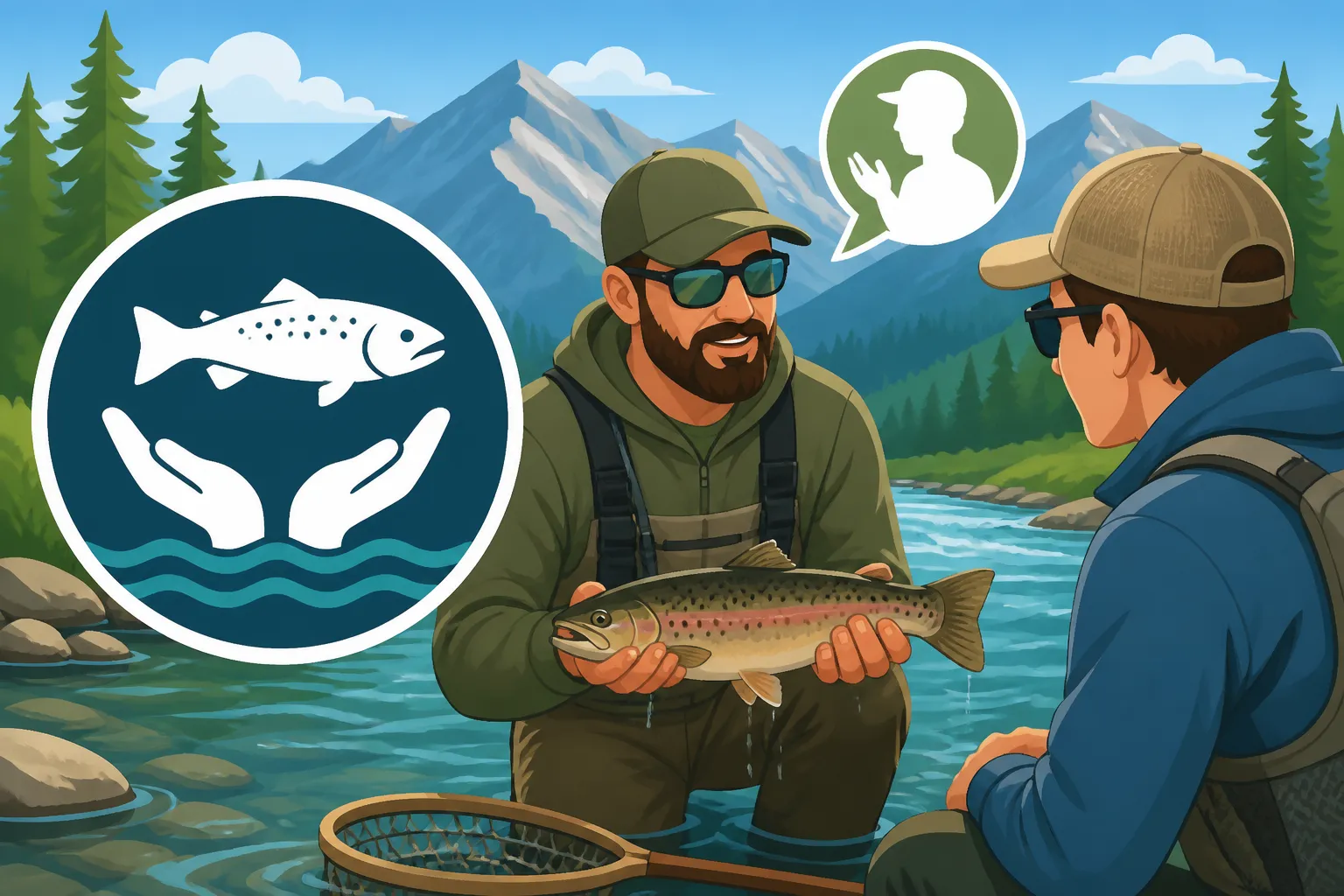
An ethical guide won't just tell you to release a fish; they'll show you how to do it properly. They'll emphasize keeping fish in the water as much as possible, using appropriate nets, and ensuring the fish is revived before swimming off. This responsibility extends to everyone on the boat or bank. You're not just a passive participant; you're an active partner in conservation. This commitment to the fish's well-being is what truly elevates a fishing trip from a simple recreational activity to a respectful interaction with nature.
Key Questions to Ask Your Colorado Fishing Guide Before Your Trip
Before you even step foot in the drift boat or hit the trail to a remote stream, having a candid conversation with your guide about catch-and-release is crucial. This helps set expectations, ensures alignment on values, and confirms that you’re entrusting your experience to someone who prioritizes fish welfare. Don't be shy; these are important questions that any reputable guide will be happy to answer. You can find guides on platforms like FishingBooker, where many will highlight their conservation commitments in their profiles.
Understanding Their Catch-and-Release Philosophy
Every guide has a philosophy, and when it comes to catch-and-release, it should be about minimizing stress and maximizing survival. You want to know that your guide views each fish not just as a target, but as a living creature deserving of respect and a safe return to its environment.
Here are some specific questions to ask:
-
"What is your general approach to catch-and-release? Do you have specific guidelines or practices you follow with clients?"
- What you're looking for: A clear, confident answer demonstrating a commitment to fish welfare. They should talk about keeping fish wet, quick releases, and avoiding unnecessary handling. A guide might explain their preference for specific types of flies or lures that minimize harm, even if the regulations permit other options. For example, some might strictly use barbless hooks even when not explicitly required by regulation, because it's simply better for the fish.
- Why it matters: This question probes their core values. You want to ensure their philosophy aligns with yours. If they seem dismissive or vague, it might be a red flag. Many guides pride themselves on their conservation ethics, and this question gives them a chance to highlight that.
-
"Are there any specific regulations on the water we'll be fishing that we need to be extra mindful of, especially regarding catch-and-release, barbless hooks, or bait?"
- What you're looking for: A detailed understanding of the regulations for the specific waters you’ll be targeting. They should mention any special rules like those on Catch-and-Release Rules on Colorado's Cutthroat Waters or Barbless Hook Rules on Colorado Rivers.
- Why it matters: Ignorance of regulations is no excuse. A professional guide should be an expert on local rules, protecting both you and the fishery. This also shows they’ve thought about your specific trip.
-
"How do you approach fishing during times of high water temperatures or other environmental stressors that might impact fish survival?"
- What you're looking for: A plan to adapt or even cancel the trip if conditions are detrimental to fish. For example, during hot summer months, many ethical guides will only fish early in the morning, or move to higher elevation waters where temperatures remain cooler, or avoid fishing altogether if water temperatures rise too high.
- Why it matters: Does Water Temperature Affect Catch-and-Release Survival? It absolutely does. Fish survival rates drop significantly in warm water, even with careful handling. A guide who prioritizes fish health will be proactive about these conditions.
Gear and Techniques for Minimizing Fish Stress
The tools and methods employed can make a world of difference in a fish’s chances of survival post-release. A guide who is serious about catch-and-release will equip themselves and their clients with gear specifically chosen to minimize harm.
Consider these inquiries:
-
"What kind of hooks do you typically use or recommend? Are barbless hooks mandatory on your trips?"
- What you're looking for: A strong preference for barbless hooks. Even if not legally required on all waters, a guide committed to catch-and-release will often crimp down barbs on all their flies and lures.
- Why it matters: Barbless hooks greatly reduce tissue damage and make hook removal much faster and easier, minimizing stress and handling time for the fish.
-
"What type of net do you use for landing fish, and what’s your technique for netting?"
- What you're looking for: A soft, knotless, rubberized net. They should also describe a quick, decisive netting technique that keeps the fish in the water as much as possible.
- Why it matters: Traditional knotted nylon nets can strip a fish of its protective slime coat, making it vulnerable to disease. Rubberized nets are much gentler. A discussion on Best Landing Net for Catch-and-Release Trout is always welcome.
-
"Do you provide or recommend any specific tools for hook removal, and will you demonstrate proper technique?"
- What you're looking for: Forceps or hemostats for quick, efficient hook removal. They should offer to teach you the best way to extract a hook, especially if it’s deeply set.
- Why it matters: Fumbling with a hook extends handling time and can cause more damage. Fast, precise removal is key to a healthy release.
Handling and Photography Best Practices
We all love a good photo of a beautiful catch, but the desire for a "grip and grin" shot should never overshadow the fish's well-being. A guide dedicated to catch-and-release will have clear protocols for how to handle fish for photos and will educate you on best practices.
Ask about these aspects:
-
"What are your guidelines for handling fish for photographs? How long do you allow fish to be out of the water?"
- What you're looking for: Strict limits on air exposure. They should emphasize keeping the fish wet and supporting its body, especially if it’s a larger fish. Many guides will say "no more than five seconds out of the water" or will encourage in-water photography. They might even offer to take the photo themselves quickly and efficiently.
- Why it matters: Fish cannot breathe air. Even a few seconds out of water can be detrimental, especially for species like trout that require highly oxygenated water. Keeping them wet during handling is critical for their gills. How to Handle Trout for a Safe Release often includes tips on reducing air exposure.
-
"Will you teach me the correct way to hold a fish for release, ensuring its safety?"
- What you's looking for: An enthusiastic "yes!" They should offer to demonstrate and coach you on supporting the fish horizontally, avoiding squeezing, and reviving it gently.
- Why it matters: Improper handling, such as holding a fish vertically by the jaw or tail, or squeezing its internal organs, can cause severe injury or even delayed mortality.
-
"What happens if a fish appears to be struggling after being released?"
- What you're looking for: A commitment to stay with the fish and revive it until it swims off strongly. They should describe gently holding the fish in the current or moving it back and forth to push water through its gills until it regains its strength.
- Why it matters: Sometimes fish are exhausted or stressed. A responsible guide won't just let a struggling fish go, hoping for the best. They'll actively work to ensure its full recovery.
| Catch-and-Release Topic | Key Questions to Ask Your Guide | What to Look For in Their Answer |
|---|---|---|
| Philosophy | What's your overall C&R approach? Any specific trip guidelines? | Clear commitment to fish welfare, emphasis on keeping fish wet, quick releases, avoiding unnecessary handling. Mention of adapting practices to conditions. |
| Regulations | Are there specific C&R, barbless, or bait rules for where we're fishing? | Detailed knowledge of specific water regulations, especially for Gold Medal or special management areas. Proactive mention of stricter-than-average adherence. |
| Environmental Conditions | How do you handle fishing during high water temps or other fish stressors? | Readiness to adjust fishing times, locations, or even cancel trips if conditions threaten fish survival. Awareness of Does Water Temperature Affect Catch-and-Release Survival?. |
| Equipment | What kind of hooks/nets do you use? | Preference for barbless hooks (even if not required) and use of soft, knotless, rubberized landing nets. Offer to explain why. |
| Hook Removal | What tools do you use for hook removal, and will you teach me the technique? | Use of forceps/hemostats; willingness to demonstrate proper, quick, and efficient hook removal to minimize fish stress and injury. |
| Handling/Photography | What are your photo guidelines? How long out of water? Will you teach proper handling? | Strict limits on air exposure (e.g., "keep them wet," "5 seconds max"), emphasis on supporting the fish horizontally, and a willingness to teach you how to properly hold and revive fish. Offer to take photos for efficiency. |
| Post-Release Protocol | What if a fish struggles after release? | Commitment to actively revive the fish in the water until it swims off strongly on its own; demonstration of proper revival techniques. |
Understanding Your Guide's Role in Catch-and-Release
Once you're on the water, a good guide isn't just a captain or a casting coach; they're also a steward of the environment and an educator. Their actions and instructions during the trip are critical to ensuring that every fish caught has the best possible chance of survival after release. A guide booked through services like FishingBooker should exemplify these best practices.
Education and Demonstration on the Water
The best guides don’t just preach; they teach by example. Throughout your trip, they should be continuously reinforcing good catch-and-release practices, making it an integral part of the fishing experience rather than an afterthought.
They will show you:
- How to land a fish quickly and efficiently: This means using the right technique to bring a fish to the net without over-stressing it or letting it fight to exhaustion.
- Proper netting: Guiding the fish into the net headfirst, keeping the net submerged, and minimizing thrashing once in the net.
- Quick hook removal: Demonstrating how to use forceps to quickly and cleanly remove a hook, often while the fish is still in the water, avoiding unnecessary air exposure.
- The art of the wet release: Encouraging you to keep the fish submerged as much as possible, even during hook removal and photo opportunities. They’ll show you how to support the fish in the current, gently moving it back and forth if needed, until it’s ready to swim off on its own power. This is where topics like How to Handle Trout for a Safe Release come into play directly on the river.
They won't hesitate to gently correct your technique if you're holding a fish improperly or keeping it out of the water for too long. This isn't meant as a criticism but as a way to ensure the fish's well-being. A truly professional guide views every interaction as a chance to foster better angling habits.
Spotting and Addressing Fish in Distress
Sometimes, despite best efforts, a fish might be particularly stressed, deeply hooked, or simply exhausted from the fight. A seasoned guide will have a keen eye for these situations and know exactly how to respond.
This might involve:
- Quick assessment: Immediately after landing, the guide will quickly assess the fish's condition, looking for signs of severe exhaustion, bleeding, or unusual behavior.
- Extended revival time: If a fish is struggling, the guide will dedicate more time to reviving it in the water, ensuring it's fully recuperated before release. They might gently hold the fish with its head facing upstream in a mild current, allowing water to flow over its gills, until it kicks strongly and swims away.
- Difficult hook removal: For deeply hooked fish, a good guide will use specialized tools or techniques to try and remove the hook with minimal additional trauma. In rare cases where a hook cannot be removed without severe injury, they might clip the line as close to the hook as possible, as studies suggest some fish can expel or encapsulate hooks over time.
- Making the tough call: In very rare instances, if a fish is clearly not going to survive due to severe injury, a responsible guide might humanely dispatch it, rather than release it to suffer. This is a difficult decision but sometimes the most ethical one, and they should explain their reasoning clearly. This demonstrates a deep respect for the fish, even in unfortunate circumstances.
Post-Release Monitoring and Support
The guide's role doesn't end the moment the fish swims away. A truly dedicated guide will often observe the released fish for a moment or two, ensuring it swims off strongly and doesn't immediately drift back to the surface. This little bit of extra attention provides peace of mind that the fish has a good chance of survival.
Furthermore, a guide may discuss the broader impact of catch-and-release and how it ties into the overall health of the fishery. They might talk about how these practices contribute to What Makes a River a Wild Trout Water in Colorado or explain how the collective actions of anglers directly affect the quality of fishing. This ongoing educational component helps you become a more informed and responsible angler, not just for the duration of the trip, but for all your future fishing endeavors.
Beyond the Trip: Continuing Responsible Practices
Your guided trip with an expert on the Colorado waters is an invaluable learning experience, but the lessons in responsible angling shouldn't stop when you pack up your gear. The principles of careful handling and conservation are habits you can carry forward into all your fishing adventures, making you a better angler and a better steward of our natural resources.
Extending Your Knowledge Beyond Guided Trips
Take what you've learned from your guide and actively apply it to your solo fishing trips or outings with friends and family. The techniques for careful fish handling, quick hook removal, and proper revival are universally applicable.
Consider these ongoing actions:
- Invest in the right gear: If you don't already have one, get a soft, knotless, rubberized net for your personal use. Make sure your tackle box always contains a good pair of forceps or pliers for easy hook removal.
- Stay informed: Regularly check the Colorado Parks and Wildlife website for updated regulations. Read articles and watch videos on proper fish handling. The more informed you are, the better equipped you'll be to make responsible decisions on the water.
- Practice makes perfect: The more you practice proper catch-and-release, the more natural and efficient it will become. Each successful, healthy release contributes to the overall health of the fishery.
Remember, your guide provided a foundation, but it's up to you to build upon that knowledge. Share these best practices with fellow anglers who might not be as informed, gently teaching them the importance of keeping fish healthy.
Supporting Conservation Efforts
Being an ethical angler also extends to supporting the organizations and initiatives that work tirelessly to protect and enhance Colorado's fisheries. Your contributions, whether through direct donations, volunteering, or simply advocating for healthy rivers, make a tangible difference.
Ways to get involved:
- Purchase your licenses and stamps: Your fishing license and the mandatory Colorado's Habitat Stamp, Explained directly fund conservation efforts, fish stocking, habitat improvement, and enforcement by wildlife officers. These purchases are one of the simplest and most direct ways to support the future of fishing in Colorado.
- Join conservation groups: Organizations like Trout Unlimited, Colorado Wildlife Federation, or local river conservancies are actively working to protect and restore aquatic habitats. Your membership or volunteer hours can contribute to critical projects.
- Report violations: If you witness illegal fishing activities or environmental damage, report it to CPW. Protecting our fisheries requires the vigilance of all anglers. Sometimes, knowing What Colorado Game Wardens Check When They Stop You can make you more aware of the regulations, allowing you to identify when others aren't following the rules.
Sharing the Ethos with Others
One of the most powerful things you can do is to become an ambassador for responsible angling. When you go fishing with friends, family, or even just encounter other anglers on the water, lead by example and share your knowledge respectfully.
Consider:
- Mentorship: Take a new angler under your wing and teach them not just how to cast, but how to care for the fish. Emphasize catch-and-release ethics from the very beginning.
- Positive influence: If you see someone struggling with a release, offer a friendly tip or demonstrate a better technique. A positive, helpful approach is often more effective than criticism.
- Advocacy: Speak up for conservation. Whether it's in casual conversation, on social media, or at public meetings, voice your support for policies and practices that protect Colorado's precious aquatic resources.
Your commitment to asking the right questions of your guide, actively participating in responsible practices on the water, and extending those habits into your broader angling life ensures that the joy of fishing in Colorado remains vibrant for generations to come.
Disclaimer
This article is for general informational purposes only and does not constitute professional advice. Laws, prices and regulations vary by location and change over time. Consult a qualified professional for guidance on your specific situation.