Fishing Grand Lake and Shadow Mountain Reservoir
The sheer beauty of Colorado's high country often masks the challenge of figuring out where to cast a line for truly rewarding fishing experiences. Many anglers arrive eager to immerse themselves in pristine waters, only to feel overwhelmed by the vastness or unsure of the best spots to find trophy fish. This comprehensive guide cuts through the confusion, offering deep insights into fishing two of Colorado's most iconic and productive high-altitude gems: Grand Lake and Shadow Mountain Reservoir, connected by a unique waterway.
Unveiling Grand Lake's Fishing Secrets
Grand Lake isn't just a stunning alpine lake; it's a deep, cold-water haven that presents both opportunities and challenges for the discerning angler. As the deepest natural lake in Colorado, its depths hold secrets and some truly magnificent fish, especially those elusive Lake Trout. Understanding its unique characteristics is the first step to a successful outing.
Targeting Lake Trout in Colorado's Deepest Natural Lake
When you talk about Grand Lake, "Mackinaw" or "Lake Trout" are often the first species that come to mind. These cold-water predators thrive in Grand Lake's immense depths, often lurking in the thermocline during warmer months. The sheer size potential here is what draws many dedicated anglers. You're not just fishing for dinner; you're fishing for a memory, a true heavyweight. During the summer, these fish typically hold anywhere from 40 to over 100 feet deep. Techniques for success usually involve downriggers with large spoons, dodgers, or even live bait like suckers, though bait regulations must always be checked carefully. You'll often see boats slowly trolling the deeper sections of the lake, particularly around the east inlet where colder, oxygenated water flows in. The key is patience and persistence, as these fish can be finicky, but when they hit, it's an unmistakable, heavy pull that will test your gear and your grit.
As the seasons change, so do the tactics. In the spring, after ice-out, Lake Trout might be found a bit shallower as they become more active with increasing water temperatures. This can be a prime time for vertical jigging with heavy spoons or large tube jigs tipped with a piece of sucker meat. Come fall, especially late fall before the freeze-up, Lake Trout move into shallower rocky areas to spawn. While active targeting during spawning is generally frowned upon and can be subject to specific regulations, understanding their movements can inform your approach during adjacent periods. For those who brave the cold, ice fishing for Lake Trout on Grand Lake is also a popular pursuit, requiring heavy gear, sonar to find depths, and a willingness to drill many holes. This unique fishery is why Grand Lake is a jewel in Colorado, but also why careful attention to Colorado Fishing Regulations Every Angler Should Know is crucial.
Pursuing Rainbow and Brown Trout in Grand Lake's Diverse Waters
While Lake Trout get a lot of attention, Grand Lake also offers fantastic opportunities for Rainbow and Brown Trout, particularly for those who prefer to fish closer to the surface or from shore. Rainbow Trout are regularly stocked by Colorado Parks and Wildlife (CPW), ensuring a healthy population for anglers. These can be caught using a variety of methods, from classic bait fishing with worms or powerbait off the docks or shoreline to trolling with small spoons or spinners from a boat.
Brown Trout, on the other hand, are often wilder and more elusive, growing to impressive sizes by preying on smaller fish. You'll find Browns favoring rocky shorelines, submerged structures, and the cooler waters near creek inlets. Fly anglers can have success stripping streamers along these areas, especially during low light conditions at dawn or dusk, or even into the night during warmer months. Spin fishermen can cast small crankbaits or minnow imitations. The inlets and outlets, particularly the channel connecting to Shadow Mountain Reservoir, are prime areas where both Rainbows and Browns congregate, especially during insect hatches or baitfish movements. The diversity of Grand Lake means you can switch techniques and targets throughout the day, always keeping things interesting.
Navigating Grand Lake's Unique Rules and Access
Accessing Grand Lake is relatively straightforward, but there are some important considerations. The town of Grand Lake itself offers public docks, marinas, and boat ramps, making it easy to launch your vessel. However, Grand Lake is part of the Colorado-Big Thompson Project, and there are specific rules to be aware of. Certain sections of the lake, particularly near the town, may have speed restrictions or designated no-wake zones. Moreover, if you plan to launch a boat, you'll need to be aware of aquatic nuisance species (ANS) inspections required by CPW to prevent the spread of invasive species like zebra mussels. This often involves a decontamination process, especially if your boat has been in other bodies of water.
Shoreline access is also available in various spots, including near the town's public beach and along sections of the scenic trail. For those without a boat, fishing from these areas can still be productive, especially for Rainbow Trout. Remember that every angler aged 16 and older needs a Colorado fishing license, and most will also need Colorado's Habitat Stamp, Explained, which contributes to the conservation efforts that make these fisheries possible. Familiarizing yourself with the Colorado Parks and Wildlife website is always a good idea before heading out to ensure you're up-to-date on any specific regulations or closures that might be in effect.
Shadow Mountain Reservoir: A Different High-Country Experience
Just a stone's throw from Grand Lake, but a world apart in character, lies Shadow Mountain Reservoir. While connected, it offers a distinct angling experience, generally shallower and often warmer than its deeper sibling. This difference in character makes it a prime location for different species and fishing tactics.
Finding Success with Trout and Kokanee Salmon in Shadow Mountain
Shadow Mountain Reservoir is a true multi-species fishery, offering excellent opportunities for Rainbow and Brown Trout, but it really shines when it comes to Kokanee Salmon. These landlocked sockeye salmon are a huge draw for many anglers, known for their bright red flesh and spirited fights. Kokanee typically thrive in Shadow Mountain's slightly shallower, nutrient-richer waters, which support the plankton they feed on. Trolling is the most popular and often most effective method for Kokanee Salmon Fishing in Colorado, using specialized lures like Kokanee Kandy, wedding rings, or small dodgers and flashers tipped with corn. The key is finding the right depth, which can vary greatly throughout the day and season. A good fish finder is invaluable here to locate schools of salmon.
Beyond Kokanee, Shadow Mountain boasts a healthy population of Rainbow Trout, many of which are stocked by CPW. These can be caught using similar methods as in Grand Lake, including bait fishing from shore, casting lures, or trolling. Brown Trout are also present and can grow quite large, especially around rocky points and drop-offs. Spin fishermen throwing spoons or Rapalas often hook into impressive Browns. The diverse habitat, from weed beds to rocky structures, provides ample cover and feeding grounds for all these species, making Shadow Mountain a versatile and exciting place to fish.
Exploring Shadow Mountain's Shoreline and Boat Access Points
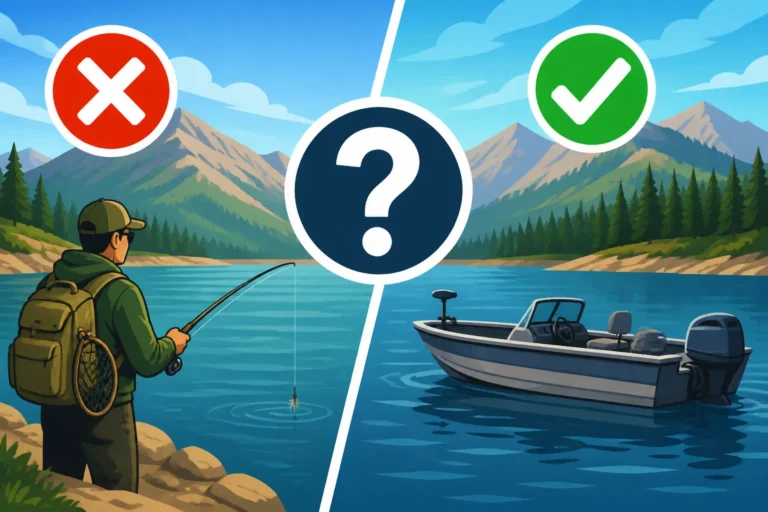
Shadow Mountain Reservoir is generally more accessible for shore anglers than Grand Lake, with extensive public shoreline along its eastern and southern edges. This makes it a fantastic option for families or those who prefer to fish without the need for a boat. There are numerous pull-offs and designated fishing areas along the roads that border the reservoir. Several campgrounds, including Green Ridge Campground, are also located nearby, offering direct access to the reservoir's waters and a chance to truly immerse yourself in the high-country experience.
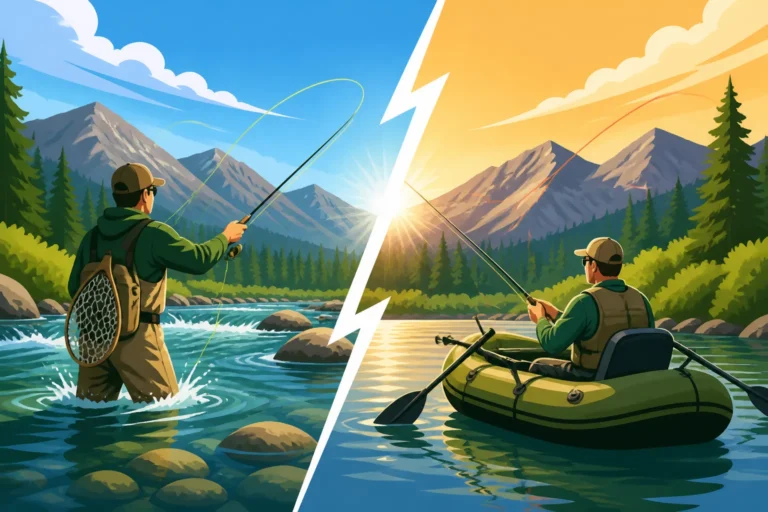
For boaters, there are several public boat ramps available. As with Grand Lake, all watercraft launching at Shadow Mountain Reservoir must undergo an aquatic nuisance species (ANS) inspection. This is a critical step in protecting Colorado's pristine waters. The shallower nature of Shadow Mountain also makes it more amenable to smaller boats, kayaks, and canoes, which can access many productive coves and bays that larger craft might struggle with. Whether you're casting from the bank or cruising in a boat, Shadow Mountain offers ample space and diverse opportunities to wet a line.
Seasonal Strategies for Shadow Mountain Reservoir
Fishing Shadow Mountain Reservoir is a dynamic experience that changes significantly with the seasons. In the spring, shortly after ice-out (typically late April to May), the fish become very active. Rainbows will cruise the shallower margins, making them accessible to shore anglers using powerbait, worms, or small spinners. This is also when Kokanee might be found a bit shallower before they retreat to deeper water as summer progresses. The water is still cold, so a slower retrieve is often best.
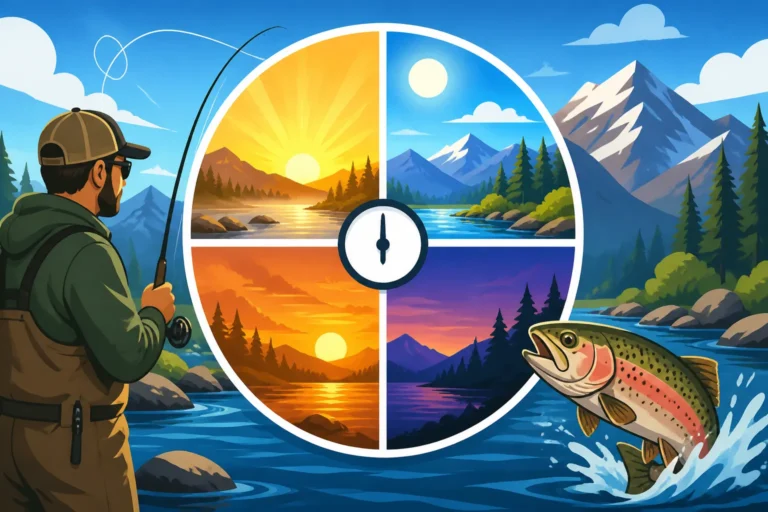
Summer brings warmer temperatures, and the fish generally spread out. Kokanee will move into deeper parts of the reservoir, requiring trolling with downriggers. Early mornings and late evenings are prime times for trout near shore or structure. Fly anglers might find success with terrestrials like grasshoppers or ants near grassy banks, while spin fishermen can work deeper with jigs or spoons. Fall is a particularly exciting time, especially late September through October, when the Kokanee Salmon spawning runs occur. These fish turn a vibrant red and congregate in the shallow inlets to spawn, providing a thrilling, if brief, opportunity to target them. However, specific regulations regarding snagging or keeping spawning Kokanee are often in place, so always check the latest rules. Come winter, Shadow Mountain is a very popular destination for Ice Fishing in Colorado, Getting Started. Perch, Kokanee, and trout are all targeted through the ice, with jigging being the predominant method.
The Channel Connection: Fishing Between the Lakes
One of the most fascinating aspects of this high-country fishery is the channel that physically connects Grand Lake and Shadow Mountain Reservoir. This isn't just a simple waterway; it's a vibrant, constantly changing ecosystem that acts as a crucial conduit for fish movement and offers unique fishing opportunities distinct from the open lakes. Understanding this connection is key to unlocking some truly special fishing.
Understanding the Dynamics of the Connective Waterway
The channel, often simply called "the channel" or "the narrows" by locals, is essentially a flowing river that links the two reservoirs. Water levels and flow can fluctuate, influenced by the operations of the Colorado-Big Thompson Project, which manages water diversion for agricultural and municipal use across the Continental Divide. This constant flow of water creates distinct currents, eddies, and oxygenated zones that attract a variety of fish. It acts as a natural highway for trout and salmon moving between the larger bodies of water, particularly during spawning seasons or when seeking favorable feeding conditions.
Because of this constant movement, the channel often holds a higher concentration of fish than the open water of the lakes at certain times. It's a dynamic environment where conditions can change rapidly, from swift currents to calmer pools. The confluence of colder, deeper water from Grand Lake with the generally warmer, shallower water of Shadow Mountain creates a rich transition zone. Fish use the channel for migration, as a refuge from predators in the open lakes, and as a consistent source of food washed in by the current. It's a prime example of why understanding the hydrology of a fishery can dramatically improve your success. This area is often detailed when exploring "boating the channel between Grand Lake and Shadow Mountain Reservoir" on recreational maps and guides.
Tactics for Transition Zones and Moving Fish
Fishing the channel requires a slightly different approach than fishing the open lakes. Because of the current, weight management is crucial, whether you're fly fishing, spin fishing, or bait fishing. For fly anglers, nymphing rigs with strike indicators or European nymphing techniques can be highly effective for getting flies down to feeding fish in the seams and eddies. Streamers stripped through the current can also entice aggressive Brown Trout looking for an easy meal. Look for slower moving water behind rocks, logs, or other obstructions where fish can hold without expending too much energy.
Spin fishermen will find success using weighted spinners, small spoons, or jigs that can get down quickly. Bait fishing with worms or salmon eggs, often fished with a small weight to keep the bait near the bottom but allowing it to drift naturally with the current, can also be very productive. Target the deeper pools, current breaks, and the edges where faster water meets slower water. Rainbows and Browns are commonly caught here, but during the fall, it becomes a major corridor for spawning Kokanee Salmon. Again, be acutely aware of specific regulations during these periods, as areas may be closed or have special restrictions to protect spawning fish. The channel is a fantastic spot to observe fish behavior and apply diverse angling techniques, making it a unique gem in the Colorado fishing landscape.
Essential Gear and Colorado Regulations for Both Lakes
Preparing for a fishing trip to Grand Lake and Shadow Mountain Reservoir means more than just throwing a rod in the car. These high-country environments demand specific gear and a thorough understanding of Colorado's angling rules to ensure both success and compliance. From your rod and reel setup to the permits you carry, every detail matters.
Recommended Rods, Reels, and Lures for High-Altitude Fishing
For the diverse fishing opportunities on Grand Lake and Shadow Mountain, a versatile rod and reel setup is highly recommended. For targeting Lake Trout, especially through trolling or vertical jigging in Grand Lake's depths, you'll want a medium-heavy action rod, typically 6'6" to 7'6" in length, paired with a stout baitcasting reel capable of handling 15-25 lb test monofilament or braided line. For lures, think large spoons like the Daredevil or Krocodile, dodgers paired with squids, or even heavy tube jigs. If you're using bait, live suckers (where permitted) are king, often presented on a three-way swivel rig.
For Rainbow and Brown Trout, a medium-light to medium action spinning rod, around 6' to 7' long, with a reel spooled with 6-10 lb test line, will cover most situations. This setup is perfect for casting small spinners (Mepps, Panther Martin), spoons (Kastmaster, Little Cleo), or small crankbaits. For bait fishing from shore, powerbait, worms, or salmon eggs are always reliable. Fly anglers targeting trout will do well with a 5 or 6-weight rod, 9 feet in length, suitable for both nymphing and throwing small streamers or dry flies depending on the hatch. For Kokanee Salmon in Shadow Mountain, a lighter action rod, often with a soft tip to detect subtle bites, is preferred, usually spooled with 6-8 lb test line. Small trolling spoons, wedding rings, or specialized Kokanee jigs are the lures of choice, often tipped with shoepeg corn marinated in scent.
Navigating Licenses, Stamps, and Local Rules
One of the most critical pieces of preparation is ensuring you have the correct Colorado fishing license. Every resident and nonresident angler 16 years of age and older must possess a valid license. You can easily purchase or renew a Colorado fishing license online at CPWShop.com, by phone, or from authorized sales agents like sporting goods stores or marinas. Don't forget, most anglers also need to purchase Colorado's Habitat Stamp, a separate requirement that funds crucial wildlife conservation efforts across the state. Children 15 years old and younger do not need a license to fish.
Beyond the general license, it is absolutely essential to familiarize yourself with the specific regulations for the lakes you plan to fish. While Grand Lake and Shadow Mountain are connected, their regulations can vary, and there might be special closures, length limits, or bag and possession limits for certain species. For example, specific bait restrictions may apply in certain areas, or there could be different rules for catch-and-release versus keeping fish. Always consult the current Colorado Fishing Regulations brochure, available online from CPW, or pick up a physical copy wherever licenses are sold. This brochure is your ultimate guide and includes maps of waters with special regulations. Ignoring these rules can lead to hefty fines and loss of fishing privileges, which nobody wants when out trying to enjoy the stunning Colorado scenery.
When to Visit: Best Seasons for Grand Lake and Shadow Mountain
Colorado's high country offers distinct fishing seasons, each with its unique charm and challenges for anglers at Grand Lake and Shadow Mountain Reservoir. Knowing what to expect month by month can significantly impact your success and enjoyment.
Spring Thaw and Early Summer Opportunities
The spring thaw, typically from late April through May, marks the exciting transition from ice fishing to open water. As the ice recedes, often first in the shallower bays and along shorelines, the water begins to warm slowly, and fish become more active. This "ice-out" period is often fantastic for Rainbow Trout, which will cruise the shallower margins, eager to feed after a long winter under the ice. Shore anglers using PowerBait, worms, or small spinners can have excellent success during this time. For Lake Trout in Grand Lake, they might still be found in shallower depths than their summer haunts, making them a bit more accessible for vertical jigging or even casting from shore in specific deep access points.
As late spring moves into early summer (June), the water temperatures steadily rise, and fish activity picks up across the board. This is often when the annual stocking of trout by Colorado Parks and Wildlife begins in earnest, leading to good numbers of catchable fish. However, this period can also coincide with spring runoff, where snowmelt swells rivers and streams, bringing in colder, murkier water. While the lakes are less affected by turbidity than rivers, cooler inflows can still influence where fish hold. This is a great time to experiment with different depths and techniques, as fish are transitioning to their summer patterns. Reviewing Colorado's Weekly Stocking Report can also give you an edge, letting you know when new fish have been introduced.
Peak Summer Action and Fall Spawning Runs
Summer (July and August) is prime time for enjoying the full recreational potential of Grand Lake and Shadow Mountain, but it also means adapting your fishing strategy. With warmer surface temperatures, most trout, especially Lake Trout and Kokanee, will retreat to cooler, deeper waters. This is where Trolling Techniques for Colorado Reservoirs with downriggers becomes essential for Lake Trout in Grand Lake and Kokanee Salmon in Shadow Mountain. Look for structure, thermoclines, and drop-offs where these fish will be holding. Early mornings and late evenings are often the most productive times for catching trout closer to shore or near inflows, as they venture out of the deeper, cooler water to feed. Dry fly fishing can be excellent on nearby rivers, but on the lakes, you'll generally be fishing subsurface.
The transition to fall (September and October) brings some of the most exciting fishing of the year. As water temperatures begin to cool, fish become much more active throughout the day. Brown Trout enter their pre-spawn feeding frenzy, making them highly aggressive and susceptible to streamers and larger lures. But the real showstopper in the fall is the Kokanee Salmon spawning run in Shadow Mountain. These fish, in their vibrant red spawning colors, congregate in the shallow inlets and along the channel. While snagging is generally prohibited, and specific regulations often apply, it's an incredible time to observe or target them (respecting all rules). Fall offers a unique window for trophy fish and is arguably the most beautiful time to be on the water with fewer crowds and stunning foliage.
Winter Ice Fishing Adventures
When winter blankets the high country, Grand Lake and Shadow Mountain transform into bustling ice fishing destinations. Typically from late November/early December through March, anglers flock to these frozen waters for some excellent hard water action. Ice Fishing in Colorado, Getting Started provides a fantastic guide to safety and techniques for this chilly pursuit. Lake Trout are a primary target on Grand Lake, often requiring heavy jigs or tip-ups with large shiners or suckers fished deep. Specialized sonar units are invaluable for locating these suspended giants under the ice.
Shadow Mountain offers a more diverse ice fishing experience, with excellent opportunities for Rainbow Trout, Brown Trout, and particularly Yellow Perch and Kokanee Salmon. Perch are a favorite for their abundance and tasty fillets, often caught on small jigs tipped with mealworms or waxworms. Kokanee require a bit more finesse, often caught by jigging small spoons or specialized Kokanee jigs. Safety is paramount during ice fishing; always check ice thickness, go with a buddy, and be aware of changing conditions. The convenience of these two interconnected lakes, offering varied species and depths, makes them a prime choice for winter anglers.
Beyond the Catch: Maximizing Your High-Country Experience
A fishing trip to Grand Lake and Shadow Mountain Reservoir is about much more than just the fish you catch; it's about soaking in the incredible natural beauty, making memories, and truly experiencing the Colorado high country. Planning ahead ensures a smooth and enjoyable adventure, both on and off the water.
Planning Your Trip: Accommodations, Supplies, and Safety
Before you even think about casting a line, consider the logistical aspects of your trip. The towns of Grand Lake and nearby Granby offer a range of accommodations, from rustic cabins to hotels and vacation rentals. Booking in advance, especially during peak summer or fall, is highly recommended. For those who love camping, there are numerous national forest campgrounds around both lakes, offering direct access to the water and the wilderness experience. Remember that high altitude can be a factor here, with elevations often exceeding 8,000 feet. Hydrate thoroughly before and during your trip, and be mindful of exertion, especially if you're coming from sea level.
Stocking up on supplies is also crucial. The towns have grocery stores, gas stations, and tackle shops where you can purchase bait, lures, and any forgotten gear. Local outfitters can also be a fantastic resource for up-to-date fishing reports and expert advice. Places like Kirk's Flyshop or Grand Lake Marina are good starting points for local knowledge. If you're looking for broader gear selection or specific brands, larger outdoor retailers like Cabela's or Bass Pro Shops in cities like Denver or Fort Collins might be a stop on your way in. Safety should always be a top priority: let someone know your itinerary, carry appropriate first aid, and be prepared for rapidly changing mountain weather, which can include sudden thunderstorms or chilly temperatures even in summer. If you're feeling overwhelmed by the planning, consider hiring a local guide. Reputable guides can be found through platforms like FishingBooker, which lists a variety of charter and guide services for the Grand Lake area, providing local expertise and all necessary gear for a hassle-free day.
Respecting the Environment and Sustainable Practices
As anglers, we are stewards of the natural environment, and practicing responsible angling is vital to preserving the pristine beauty and abundant fisheries of Grand Lake and Shadow Mountain. The principles of Leave No Trace are paramount: pack out everything you pack in, and leave no trash or fishing line behind. Discarded fishing line is a significant hazard to wildlife. Always be mindful of your impact on the shoreline, especially in fragile alpine ecosystems.
For fish handling, especially with species like Lake Trout or large Brown Trout that might be released, practice catch-and-release best practices. Minimize the time the fish is out of the water, handle it with wet hands, and use a rubberized net to protect its slime coat. If you plan to keep fish for consumption, only keep what you will eat and adhere strictly to all bag and possession limits. Some waters may have special regulations, such as Catch-and-Release Rules on Colorado's Cutthroat Waters, even if those specific rules don't apply here, the spirit of conservation always does. Supporting conservation efforts through purchasing your Colorado Fishing License Guide for Residents and Nonresidents and Habitat Stamp ensures these beautiful lakes remain vibrant and productive for generations to come.
Grand Lake vs. Shadow Mountain Reservoir: A Quick Comparison
To help you decide which lake best suits your fishing style or target species, here's a brief comparison of their key characteristics:
| Feature | Grand Lake | Shadow Mountain Reservoir |
|---|---|---|
| Depth | Deepest natural lake in Colorado (avg. ~120 ft) | Shallower, more uniform (avg. ~30 ft) |
| Primary Target Species | Lake Trout (Mackinaw), Rainbow Trout, Brown Trout | Kokanee Salmon, Rainbow Trout, Brown Trout, Yellow Perch |
| Water Type | Colder, deep, clear water | Slightly warmer, often stained, more fertile |
| Boat Access | Multiple marinas, public ramps, ANS inspection | Multiple public ramps, ANS inspection |
| Shore Access | Limited good shore access, deep drop-offs | Extensive public shore access, shallower margins |
| Best Fishing Methods | Trolling deep, vertical jigging, bait fishing | Trolling for Kokanee, bait/lure casting from shore, ice fishing |
| Ice Fishing | Excellent for Lake Trout | Excellent for Kokanee, Trout, Perch |
| Special Regulations | Often specific Lake Trout limits | Often specific Kokanee limits during spawn, no snagging |
Disclaimer
The information provided in this guide is for informational purposes only and is subject to change. Anglers are responsible for consulting the most current Colorado Parks and Wildlife fishing regulations before heading out on the water. Local conditions, stocking schedules, and emergency closures can impact fishing opportunities.