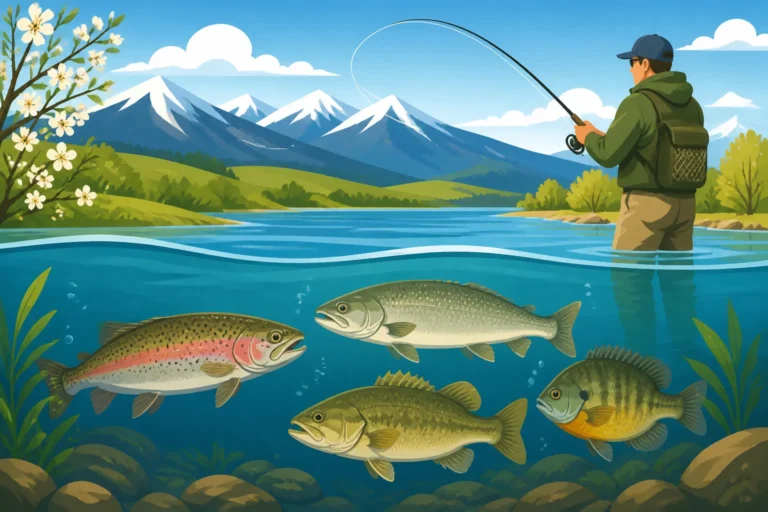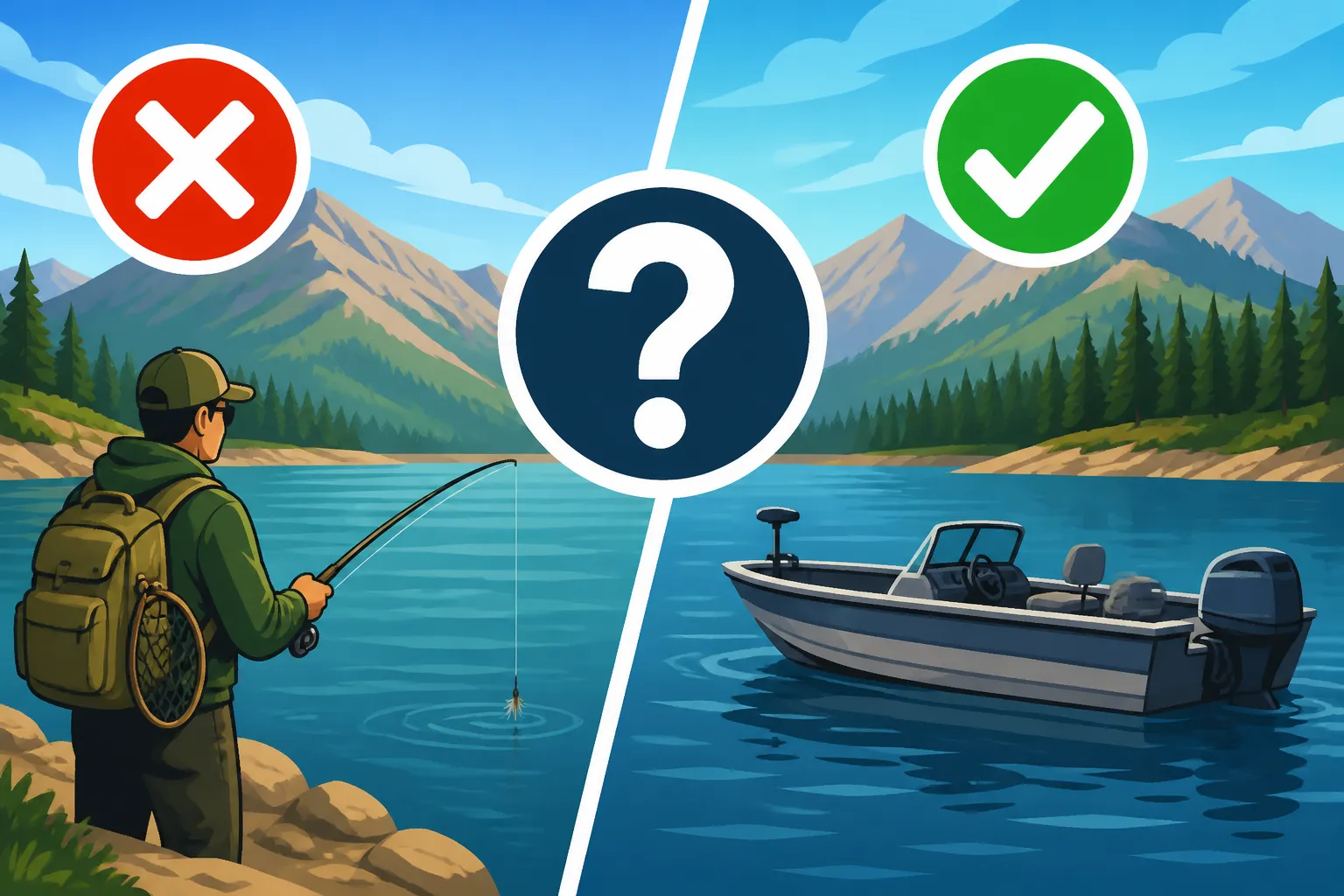
Do You Need a Boat to Fish Spinney Mountain Reservoir?
One of the most common questions I hear from folks eager to cast a line in Colorado is whether they absolutely need a boat to enjoy a successful day on the water, especially at popular spots like Spinney Mountain Reservoir. It's a valid concern, as not everyone has access to a fancy bass boat or even a float tube, and the thought of being outfished by anglers with more gear can be daunting. Let me tell you, while a boat certainly offers some distinct advantages at Spinney, it is absolutely not a requirement for a fantastic and productive fishing experience. This guide will walk you through everything you need to know about fishing Spinney Mountain Reservoir, whether you're bringing a boat, a float tube, or just your trusty waders and a good pair of boots.
Understanding Spinney Mountain Reservoir's Unique Layout
Spinney Mountain Reservoir is a gem in the South Park region of Colorado, renowned for its incredible trout fishing. But it's also a large body of water, and its size and characteristics play a big role in why anglers often wonder about boat access. Understanding the layout helps manage expectations and strategize your approach, regardless of your equipment.
Size and Accessibility from Shore
Spinney Mountain Reservoir spans over 2,500 acres when full, offering a substantial amount of water to explore. The shoreline is generally accessible, especially along the east and south sides, which are more developed for public access. There are several designated parking areas that allow you to get relatively close to the water, which is a huge bonus compared to some other high-country lakes that require long hikes. For instance, the main entrance areas offer ample parking and relatively gentle slopes down to the water, making it easy to bring a cooler, tackle box, and a comfortable chair for a day of bank fishing. While you won't be able to cover every single cove or point from shore, there's certainly enough prime real estate to find some hot spots.
The vastness of the reservoir, however, means that if you're restricted to the bank, you'll be focusing on specific zones. Anglers often frequent areas near the dam, the coves on the eastern side, and the southern shorelines, especially where any minor inlets or structure exist. These spots see more pressure, but they also consistently hold fish. Accessing the reservoir is managed by Colorado Parks and Wildlife (CPW), and they do a great job of maintaining the public areas, ensuring that shore anglers have a fair shot.
Depth and Structure Considerations
Spinney Mountain Reservoir isn't uniformly deep, and its varied underwater topography influences where fish hold. The reservoir has a maximum depth of around 60 feet in certain areas, particularly near the dam. However, it also features extensive shallow flats, drop-offs, and submerged channels, especially towards the northern and western sections. Trout, particularly the trophy-sized rainbows and browns that Spinney is famous for, often relate to these changes in depth and structure.
From the shore, you're generally limited to casting into the shallower margins or targeting areas where a drop-off comes close to the bank. This can be incredibly effective during certain times of the year, like spring and fall when fish are cruising the shallows, or during hatches when trout are actively feeding near the surface. However, reaching the deeper, offshore structure, like submerged humps or the main river channel, is where a boat truly shines. These deeper areas often hold larger, more reclusive fish, especially during the warmer summer months when trout retreat to cooler water. Knowing these depth variations helps you understand why a boat might be advantageous, but it also illuminates how shore anglers can strategically pick their spots to intercept fish moving into shallower feeding zones.
The Advantages of Fishing Spinney Mountain Reservoir by Boat
Let's be honest, having a boat at Spinney Mountain Reservoir can feel like having a secret weapon. It opens up a whole new dimension to your fishing strategy, allowing you to access parts of the lake that shore anglers can only dream of. Many dedicated anglers wouldn't consider a trip to Spinney without launching their vessel, and for good reason.
Covering More Water and Reaching Remote Spots
One of the most significant benefits of having a boat is the sheer amount of water you can cover. Spinney is big, and while the public shore access is decent, it still leaves huge portions of the reservoir untouched by bank anglers. With a boat, you can motor across to the far side, explore secluded coves that rarely see pressure, or drift along vast flats, effectively quadrupling your fishing grounds. This allows you to "run and gun," moving from one promising spot to another until you find active fish.
For example, imagine a calm morning where you spot a few risers far out from the bank. With a boat, you can quickly and quietly approach that area, present your flies or lures, and potentially capitalize on that fleeting opportunity. You can investigate subtle points, rocky outcrops, or weed beds that are completely out of casting range from shore. This freedom to roam often leads to discovering less-pressured fish that might be more willing to bite, increasing your chances of a truly memorable catch.
Targeting Deeper Water and Specific Structure
Beyond covering distance, a boat is invaluable for targeting fish holding in deeper water and around specific underwater structures. Whether you're chasing the massive lake trout or the hefty rainbows that patrol the reservoir's depths, a boat equipped with a fish finder becomes your eyes below the surface. You can pinpoint submerged channels, humps, and drop-offs where fish congregate.
This capability makes techniques like deep trolling for kokanee salmon or jigging for lake trout incredibly effective. Anglers can use downriggers to present lures at precise depths, or employ vertical jigging over marked fish. Without a boat, these methods are simply impossible. Furthermore, being able to hold position over a specific piece of structure, even in windy conditions, gives boat anglers a significant edge in presenting baits or lures accurately and repeatedly to those hard-to-reach fish. If you’re looking to truly maximize your chances and explore every inch of this incredible fishery, especially for trophy fish that often prefer deeper haunts, then a boat, or at least a float tube or kayak, offers unparalleled access. For those planning a trip and considering options, popular online services like FishingBooker can help you connect with guides who offer boat trips on Colorado reservoirs.
Excellent Shore Fishing Opportunities at Spinney Mountain Reservoir
Now, let's flip the script. While boats offer advantages, dismissing shore fishing at Spinney Mountain Reservoir would be a huge mistake. Spinney is renowned for being one of Colorado's best fisheries for bank anglers, with many trophy fish pulled from its edges every season. You absolutely do not need a boat to have an incredible day here.
Key Shoreline Access Points and Hotspots
Colorado Parks and Wildlife has done an excellent job of providing ample public access around Spinney Mountain Reservoir, making it a truly angler-friendly destination for those on foot. The eastern and southern shorelines are particularly popular and productive.
One of the most frequented areas is near the dam on the eastern side. This spot offers deep water access relatively close to the bank and is a known holding area for cruising trout. You'll often see anglers lined up here, casting everything from PowerBait to large spoons. Further south along the eastern shore, there are several coves and points that provide excellent structure and calm water, especially on windy days. These areas are fantastic for fly anglers looking for risers or spin casters targeting active fish.
The south side, easily accessed from the main entrance, also offers a long stretch of walkable shoreline with varied depths and submerged weed beds. These weed beds are crucial, as they attract baitfish and insects, which in turn attract hungry trout. During the spring and fall, when water temperatures are cooler, fish frequently cruise these shallows, making them prime targets for shore anglers. Even in the middle of summer, early morning and late evening often see trout moving closer to the banks to feed. Many anglers report fantastic success around the "Homestead" area, which has diverse bottom structure. Remember, checking the most recent conditions on the CPW website or stopping by a local fly shop in Fairplay or Hartsel can give you up-to-the-minute intel on specific hotspots.
Effective Techniques for Bank Anglers
Shore fishing at Spinney is far from a consolation prize; it’s a legitimate and often highly successful approach. The key is adapting your techniques to maximize your reach and presentation from the bank.
Bait Fishing: For many, the simplest and often most effective method is bait fishing. Using popular trout baits like PowerBait, Gulp! Eggs, or even inflated nightcrawlers on a slip-sinker rig can be deadly. Cast your bait out, let it settle on the bottom, and wait. The scent trail can draw fish in from a distance, and the relatively still presentation can be enticing to wary trout. Just be sure to use enough weight to get your bait out into deeper water if needed.
Spin Casting: This is another powerhouse technique for shore anglers. Long casting rods (7-9 feet) paired with spinning reels are perfect for reaching significant distances. Popular lures include Kastmasters, Daredevils, Krocodiles, and various Rapala or other stickbaits. Experiment with different retrieve speeds and depths. Sometimes a fast, erratic retrieve triggers a chase, while other times a slow, steady retrieve with pauses is more effective. Early mornings and evenings often see fish more aggressive towards moving lures. Targeting points, drop-offs, or areas where you see baitfish activity can increase your success.
Fly Fishing from Shore: Don't think fly fishing is only for drift boats! Many dedicated fly anglers find immense success from Spinney's banks. Longer fly rods (9-10 feet, 5-7 weight) are ideal for casting larger streamers, indicator nymph rigs, or reaching distant rises. Streamer fishing with patterns like Woolly Buggers, Sex Dungeons, or articulated leeches can be incredibly productive, especially when stripped along drop-offs or through weed beds. During hatches, keep an eye out for rising fish and be ready with dry flies. When no visible hatch is occurring, a balanced leech under an indicator, or a weighted nymph rig, can imitate the abundant aquatic insects and leeches that make up a large portion of the trout's diet here. Waders can extend your reach significantly, allowing you to wade out to knee or waist depth and cast further. For information on specific hatches, you might check out resources on Colorado Fishing Seasons Month by Month to help plan your fly selection.
| Technique | Best For | Typical Gear | Advantages from Shore | Limitations from Shore |
|---|---|---|---|---|
| Bait Fishing | Stationary, scent-driven bites | Light to medium spinning rod, PowerBait/worms, slip-sinker rig | Easy to set up, effective for cruising fish | Limited active presentation, can be slow |
| Spin Casting | Covering water, active fish | Medium-heavy spinning rod (7-9 ft), spoons, spinners, jerkbaits | Excellent casting distance, triggers reaction strikes | Can be tiring, might miss subtle bites |
| Fly Fishing | Matching hatches, subtle presentations | 5-7 wt fly rod (9-10 ft), streamers, nymphs, dry flies | Mimics natural food, highly versatile | Requires skill, casting distance limits |
| Float Tubing | Exploring coves, increased reach | Float tube, fins, waders, small fly/spin rod | Mobility beyond wading, quiet approach | Weather dependent, slow travel |
Gear Considerations for Both Boat and Shore Anglers
Having the right gear makes a world of difference, whether you're fishing from a boat or the bank. While some essentials overlap, there are specific items that can significantly improve your comfort and success based on your chosen method.
Essential Gear for Boat Fishing
If you're heading out onto Spinney Mountain Reservoir in a boat, you'll want to equip yourself for maximum efficiency and safety on a large body of water.
First and foremost, safety gear is non-negotiable. This includes personal flotation devices (PFDs) for everyone on board, a sound-producing device (like a whistle or horn), a fire extinguisher, and visual distress signals. Colorado weather can change quickly, so having appropriate layers of clothing, rain gear, and sun protection is also crucial.
For actual fishing, rods and reels can vary based on your target species and preferred technique. For trolling, specialized downrigger rods or sturdy casting rods paired with line counter reels are very popular for effectively presenting lures at specific depths for kokanee or lake trout. For casting to visible fish or working structure, medium-heavy spinning or baitcasting setups with good casting distance are ideal. You might find a good selection of gear options by exploring local tackle shops or even online retailers after researching Spin Fishing Techniques for Colorado Trout.
Crucially, electronics are a game-changer for boat anglers. A reliable fish finder (sonar) with GPS capabilities allows you to locate fish, identify underwater structure, and navigate the reservoir effectively. Many anglers also use electric trolling motors, often with GPS anchoring features, to quietly position themselves over promising spots or to troll at precise speeds. And of course, a well-stocked tackle box with a variety of spoons, crankbaits, jigs, and soft plastics suitable for trout, pike, and even perch will serve you well. Don't forget a large landing net, as Spinney is known for producing genuinely large fish!
Must-Have Gear for Shore Fishing
For those embracing the bank fishing experience at Spinney, a different set of gear will optimize your efforts and comfort.
Longer rods are your best friend. A 7 to 9-foot medium-action spinning rod or a 9 to 10-foot, 5 to 7-weight fly rod will give you the casting distance needed to reach beyond the immediate shoreline and cover more water. This extra length also helps with line control, especially if there's any wind.
Waders and sturdy boots are practically essential. Being able to wade out a few feet into the water significantly increases your casting range, allows for better presentation angles, and helps you avoid snags on the immediate bank vegetation. Neoprene waders are great for colder seasons, while breathable waders are comfortable in warmer weather. If you're planning on wading, studded boots can offer better traction on slippery, rocky bottoms, a point worth considering to stay safe while wading strong currents or slick banks.
Your tackle should include a good mix of long-casting lures like spoons (Kastmasters, Krocodiles), heavy spinners, and perhaps some bottom-fishing rigs for bait. For fly anglers, having a variety of weighted nymphs, streamers, and maybe some larger dry flies (like hoppers or Chubbies for late summer) is key. A backpack or vest is incredibly useful for carrying all your gear, keeping your hands free, and providing easy access to tackle, water, snacks, and any necessary layers. Don't forget polarized sunglasses to spot fish and protect your eyes, and a decent landing net with a long handle to safely land fish from the bank. And always make sure you have your Colorado Fishing License Guide for Residents and Nonresidents readily available, whether printed or digitally on your phone!
Rules and Regulations Specific to Spinney Mountain Reservoir
Fishing at Spinney Mountain Reservoir, like any other managed fishery in Colorado, comes with its own set of rules and regulations designed to protect the resource and ensure a quality experience for all. Ignorance of the rules is never an excuse, so it’s always wise to familiarize yourself with them before you head out. These details are usually found in the annual Colorado Fishing Regulations brochure provided by Colorado Parks and Wildlife.
Boating Restrictions and Seasonality
Spinney Mountain Reservoir has specific rules regarding boat usage, primarily focused on preventing the spread of aquatic invasive species (AIS) and managing the busy recreation. All vessels, including kayaks, canoes, and stand-up paddleboards, are subject to mandatory AIS inspections before launching. This means you need to get your boat inspected and sealed by a certified inspector before arriving, or allow time to do so at the reservoir's inspection station.
The reservoir generally operates on a seasonal schedule, typically opening around ice-off (late April or early May) and closing when ice forms (late November or early December). These dates can shift slightly depending on weather conditions. When open, there are also motor restrictions to be aware of. Combustion engines are generally permitted, but there are often speed limits in certain areas, particularly in shallower zones or near boat ramps. Always pay attention to buoy markers and signage. For those interested in Trolling Techniques for Colorado Reservoirs, these regulations are particularly important to consider as they impact how and where you can operate your boat.
Remember, the reservoir can get quite windy, making boating conditions challenging and even dangerous. Always check the weather forecast before heading out, and consider current wind conditions if you're in a smaller craft.
Fishing Regulations and Bag Limits
Beyond boating, Spinney Mountain Reservoir has specific fishing regulations that differ from general statewide rules, particularly concerning trout. Spinney is managed as a trophy fishery, meaning rules are designed to protect larger fish.
A crucial rule at Spinney is the 14-inch minimum length limit for trout. This means any trout you catch that is under 14 inches must be immediately released unharmed. This regulation is in place to allow fish to grow to a larger size, contributing to Spinney's reputation for big fish. The daily bag and possession limit for trout is usually two fish, with specific nuances that might apply, so always double-check the current regulations brochure. This differs from many waters in Colorado where the Colorado's 14-Inch Trout Length Rule might not apply, making it critical to know Spinney's specific rules.
Spinney is also home to northern pike and yellow perch. Pike are generally considered an undesirable species in Spinney due to their predatory nature on trout, and there are often generous or even unlimited bag limits for pike. Always refer to the most current regulations for specific numbers. You’ll also need to be aware of any bait restrictions. While bait is generally allowed, certain types of bait or methods may be prohibited to protect the fishery. For instance, using live minnows as bait is usually prohibited to prevent the introduction of invasive species. Knowing these specific rules, including the differences between Possession Limits vs Daily Limits in Colorado, is paramount to a responsible and legal fishing trip. If you're interested in Ice Fishing in Colorado, Getting Started, keep in mind that Spinney is a popular ice fishing destination with similar regulations applying during the winter season.
Conclusion
So, let's circle back to the original question: Do you need a boat to fish Spinney Mountain Reservoir? The emphatic answer is no, absolutely not. While a boat certainly offers undeniable advantages in terms of covering vast amounts of water, reaching remote areas, and targeting deep-holding fish with specialized techniques, Spinney Mountain Reservoir stands out as one of Colorado's premier fisheries that offers incredible opportunities for shore-bound anglers. Many trophy-sized trout are caught each year from the bank, proving that skill, patience, and the right approach can easily outweigh the need for a motorized vessel. Whether you choose to cast from the shore, wade into the shallows, or cruise the open water in a boat, Spinney offers a rewarding and memorable angling experience.
Disclaimer
Please remember that fishing regulations and conditions in Colorado can change. Always consult the most current Colorado Parks and Wildlife (CPW) fishing regulations brochure or website before heading out on any fishing trip. This guide is for informational purposes only and does not constitute legal advice or an exhaustive list of all rules and regulations. Stay safe and happy fishing!