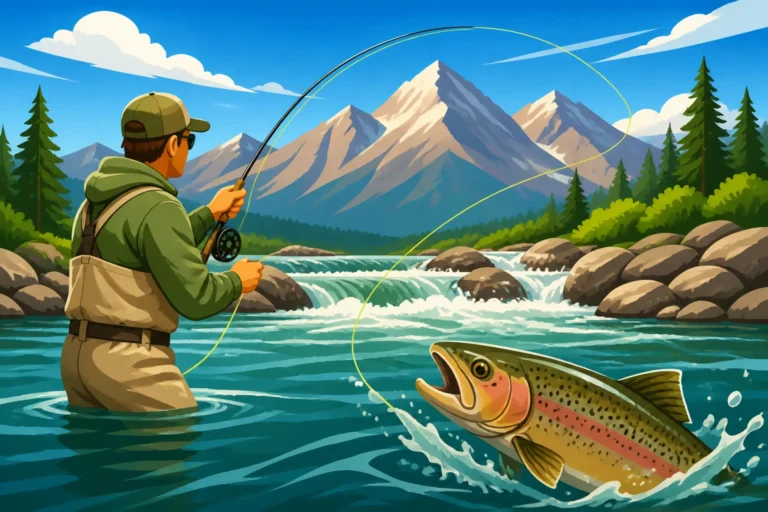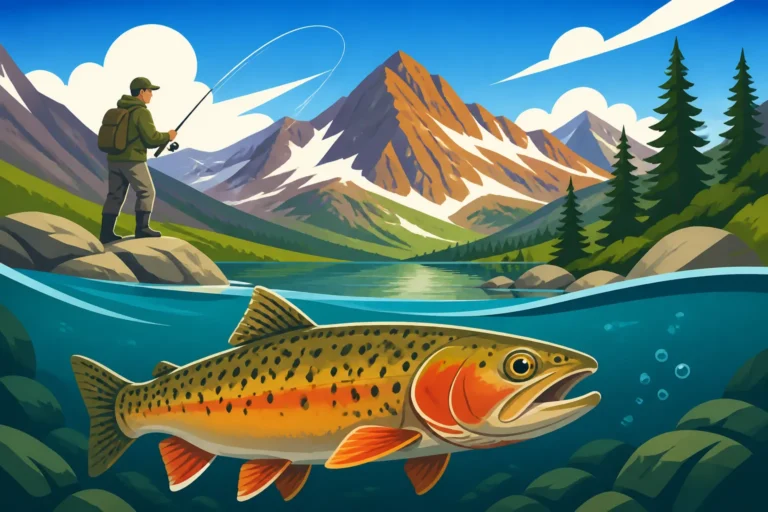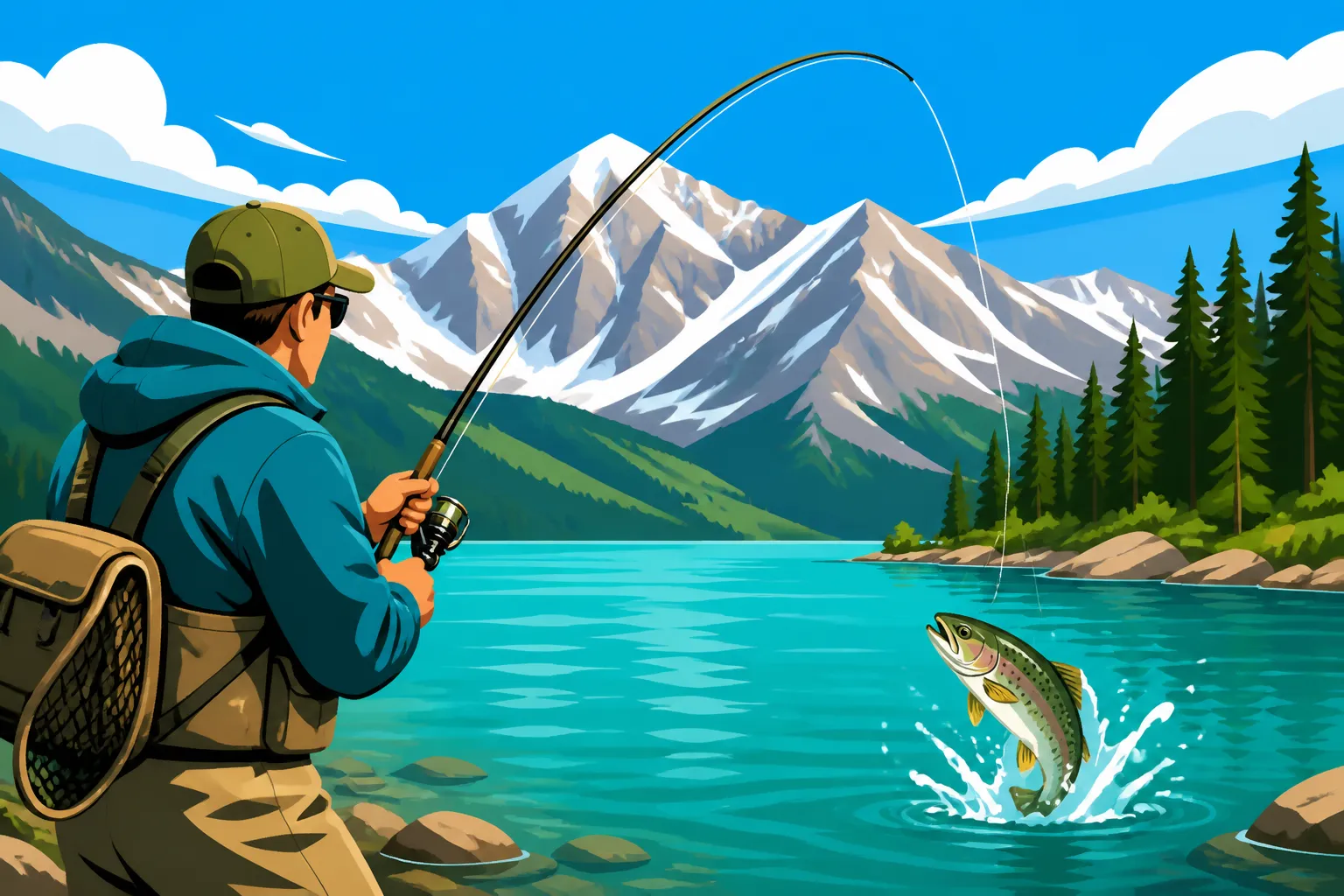
Fishing Turquoise Lake Near Leadville
Many anglers dream of escaping the hustle and bustle, seeking that perfect, serene fishing spot where the air is crisp and the views are absolutely breathtaking. However, finding an easily accessible high-country lake that still delivers fantastic fishing can feel like searching for a needle in a haystack. This guide is dedicated to demystifying fishing at Turquoise Lake near Leadville, offering all the practical insights and seasonal wisdom you need to experience its unique magic and reel in some incredible catches.
Discovering Turquoise Lake's Allure Near Leadville
Turquoise Lake isn't just another body of water; it's a true Colorado gem that offers a high-altitude fishing experience without the grueling hike usually associated with alpine lakes. Nestled at over 9,800 feet, just a few miles west of historic Leadville, this expansive reservoir provides stunning views of the surrounding Sawatch Range and offers an abundance of recreational opportunities, with fishing being a prime draw.
A High-Altitude Gem with Accessible Shores
For many, the idea of "high-country fishing" conjures images of arduous treks into the wilderness, far from any paved roads or amenities. And while Colorado certainly has its share of those incredible, remote alpine lakes, Turquoise Lake stands out because it offers much of that same pristine beauty and excellent fishing accessibility. You can drive right up to numerous campgrounds and day-use areas along its 17-mile shoreline, making it a fantastic option for families, those with limited mobility, or anyone who simply wants to spend more time fishing and less time hiking.
The lake itself is sizable, covering approximately 1,800 surface acres when full, with depths reaching over 100 feet in some areas. This size, combined with the clear, cold water fed by snowmelt from the surrounding mountains, creates an ideal habitat for a variety of cold-water fish. Unlike some more temperamental high-altitude waters, Turquoise Lake typically offers consistent action, making it a reliable destination throughout the open water and ice fishing seasons. Its proximity to Leadville also means you're never far from supplies, bait shops, or a warm meal after a long day on the water.
Primary Fish Species You'll Encounter
When you drop a line into Turquoise Lake, you'll be targeting several species of cold-water fish, each offering a different angling challenge and reward. The primary inhabitants are Rainbow Trout, Lake Trout, Brook Trout, and Brown Trout. While less common, you might occasionally encounter a Cutthroat Trout, too. Understanding what you're fishing for can significantly improve your success rate. For a deeper dive into the different species found across the state, check out our guide on Colorado's Trout Species, A Field Guide.
Rainbow Trout are probably the most common catch here, thanks to consistent stocking by Colorado Parks and Wildlife (CPW). These eager biters are often found throughout the lake, from the shallower coves in spring and fall to deeper waters during the summer. They typically range from 10 to 16 inches, putting up a spirited fight that makes them a favorite for many anglers.
Lake Trout, also known as Mackinaw, are the true giants of Turquoise Lake. These predatory fish can grow to impressive sizes, with specimens over 20 pounds not unheard of, though a more common catch will be in the 2- to 10-pound range. Lake Trout prefer the colder, deeper sections of the lake, especially once the surface waters warm up in summer. Targeting them requires different tactics, often involving heavier gear and fishing at significant depths.
Brook Trout, while not as large as Rainbows or Lake Trout, are a beautiful sight with their distinctive worm-like markings and vibrant colors. They tend to be found closer to shore, particularly in areas with submerged vegetation or near stream inlets. Though smaller, usually 8 to 12 inches, they are aggressive eaters and a joy to catch on light tackle.
Brown Trout are known for their cunning and often elusive nature, but Turquoise Lake has a healthy population of them. They are often found in areas with structure, like rocky points, submerged logs, or drop-offs, especially during low light conditions. Fall can be an exceptional time to target larger Browns as they become more active and aggressive in preparation for their spawning season.
Essential Techniques and Gear for Turquoise Lake
Fishing Turquoise Lake means adapting your techniques to the conditions and the specific species you're after. Whether you prefer casting from shore, cruising in a boat, or delicately presenting a fly, there’s a method that works.
Effective Strategies for Shore Anglers
Shore fishing at Turquoise Lake is incredibly popular and productive, especially during the cooler months of spring and fall, or early mornings and late evenings in summer. You don't need fancy equipment to have a successful day here.
Many shore anglers find great success with simple bait fishing setups. A classic slip sinker rig with a size 8 or 10 hook, baited with PowerBait (in various colors like rainbow, salmon peach, or chartreuse), salmon eggs, or good old-fashioned nightcrawlers, is often all it takes. Cast your bait out, let it settle on the bottom, and wait for a bite. Experiment with different depths and distances from shore, especially near visible drop-offs or points. Another trick is to use a small marshmallow with a piece of worm to float the bait just off the bottom, making it more visible to cruising trout.
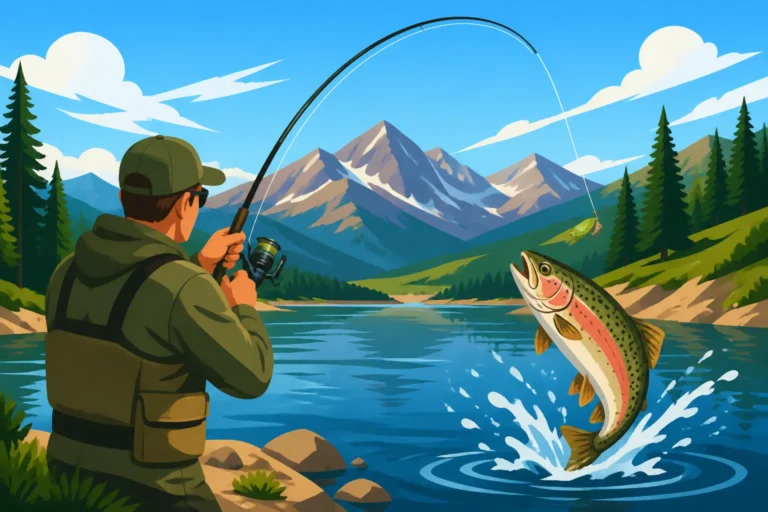
Spin fishing from shore is equally effective and offers a more active approach. Light to medium-light spinning rods (6-7 feet) paired with a reel spooled with 6-8 pound monofilament or fluorocarbon line are perfect. Your tackle box should include a variety of small spoons and spinners. Popular choices for Turquoise Lake include Kastmasters, Dardevles, and Crocodiles in silver, gold, or brass finishes. Small inline spinners like Mepps Aglia, Panther Martin, or Rooster Tail in sizes #0 to #3 are also incredibly effective, especially when retrieved at a steady pace that allows the blade to flutter enticingly. Focus your casts around rocky points, submerged structures, or areas where you see baitfish activity.
Mastering Boat and Kayak Fishing on the Lake
For those with access to a boat, kayak, or float tube, a whole new world of opportunities opens up on Turquoise Lake. These vessels allow you to explore deeper waters, troll vast areas, and reach spots inaccessible to shore anglers.
Trolling is a go-to technique for many boat anglers here, particularly for Rainbows and smaller Lake Trout. Using a trolling motor or a small outboard, you can cover a lot of water at a slow, consistent speed. Popular trolling setups often involve a series of attractors like "Cowbells," "Pop Gear," or "dodgers" ahead of a wedding ring, a small spoon, or a worm harness. Experiment with different depths using lead-core line, downriggers, or simply by varying the weight of your lure. When considering techniques for deeper waters, our guide on Trolling Techniques for Colorado Reservoirs offers some excellent foundational advice that applies well to Turquoise Lake.
If you're targeting those larger Lake Trout that often hold in the deepest parts of the lake, jigging becomes a highly effective strategy. Once you've located a promising drop-off or submerged structure using a fish finder, position your boat directly over it. Then, drop heavy jigs (1/2 oz to 1 oz or more) tipped with sucker meat, a Gulp! minnow, or even a plain tube jig. Slowly work the jig up and down, mimicking a struggling baitfish, paying close attention to your line for the slightest tap. While generally associated with ice fishing, insights from Jigging for Lake Trout Through the Ice can still be quite useful in understanding jigging mechanics for open water as well.
Fly Fishing Opportunities on Turquoise Lake
While Colorado's rivers and streams often get all the fly fishing glory, stillwater fly fishing on lakes like Turquoise can be incredibly rewarding. It demands a different approach but offers the chance to connect with some truly magnificent trout.
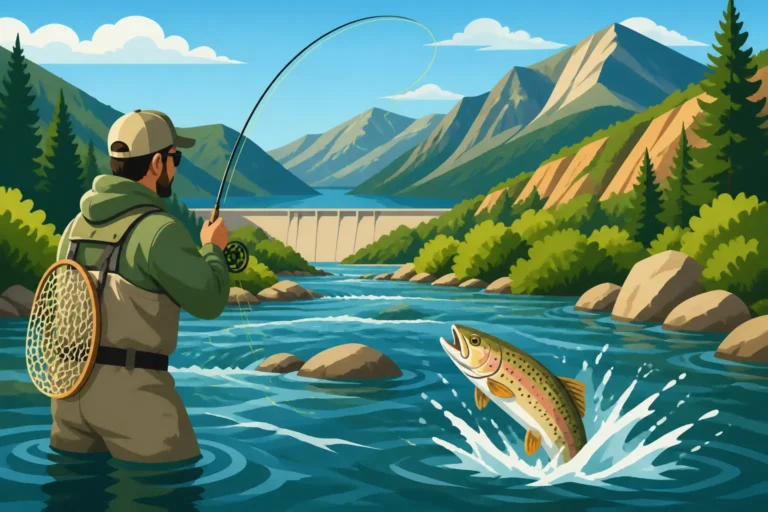
Shore-based fly fishing can be productive, especially during times of insect hatches or when trout are cruising the shallower margins. A 5 or 6-weight fly rod with a floating line is a versatile choice. Indicator nymphing can be deadly, using patterns like Prince Nymphs, Pheasant Tails, Hare's Ears, or Copper Johns suspended under a strike indicator. Cast these rigs to drop-offs, points, or areas where you see fish activity, allowing them to drift naturally. For more on nymphing, consider reading our guide on Nymphing Techniques for Colorado Tailwaters, as many principles carry over to stillwater environments near inlets.
For broader coverage and access to more productive water, a float tube, pontoon boat, or even a small kayak equipped for fly fishing can be a game-changer. With these, you can reach deeper weed lines, submerged structures, and areas where trout might be feeding more actively. When targeting actively feeding fish, stripping streamers like Woolly Buggers (black, olive, brown), Sculpzilla patterns, or even smaller Sex Dungeons can be incredibly effective, especially for Brown Trout. Vary your retrieve speed and depth until you find what the fish are keying in on. Larger Brown Trout, in particular, are often very susceptible to streamer presentations. Our article on Streamer Fishing for Colorado Brown Trout provides excellent tips for this exciting technique.
Navigating Turquoise Lake Through the Seasons
Turquoise Lake offers distinct fishing experiences throughout the year, with each season presenting its own set of challenges and rewards. Understanding these seasonal shifts is crucial for planning a successful trip.
Spring and Early Summer Fishing Success
As winter's icy grip begins to loosen, typically in late May or early June, Turquoise Lake awakens, offering some of the year's most exciting fishing. This period, often referred to as "ice-off," is when the lake sheds its winter coat, and the water temperatures begin to rise. Fish, especially Rainbows and Brookies, become incredibly active and often move into the shallower areas, seeking warmer water and abundant food sources.
During ice-off, the margins of the lake are prime territory. Anglers fishing from shore or with float tubes can have banner days casting spoons, spinners, or bait. The trout are often cruising just under the surface or in the top few feet of the water column, making them accessible and aggressive. Look for areas where feeder creeks enter the lake, as these can bring in new nutrients and attract baitfish. To learn more about fishing during this exciting transition, our guide on Fishing Colorado Lakes at Ice-Out offers specific strategies that can be directly applied to Turquoise Lake. The key during this time is covering water and presenting baits or lures that mimic the emerging insect life or small baitfish.
Mid-Summer Challenges and Deep Water Rewards
By mid-summer (July and August), the high-altitude sun has significantly warmed the surface waters of Turquoise Lake. While the scenic beauty remains unparalleled, fishing can become a bit more challenging as the trout, especially the larger ones, retreat to the cooler, deeper sections of the lake.
Shore anglers during this period will find their best success in the early mornings, late evenings, or even after dark. During these times, trout may venture closer to shore to feed when the light is low and the temperatures are cooler. Nightcrawlers, scented dough baits, or even glow-in-the-dark spoons can be effective.
Boat anglers, however, truly come into their own during mid-summer. This is the prime time to target Lake Trout, which thrive in the cold, oxygen-rich depths. Using a fish finder to locate schools of baitfish or prominent underwater structures like ledges and humps is key. Once you've identified these areas, employ techniques like vertical jigging with heavy spoons or tubes, or deep trolling with downriggers. Our article on How Deep Lake Trout Hold in Summer provides invaluable insights into understanding the movements and habits of these deep-water predators, which will directly enhance your mid-summer Lake Trout pursuit on Turquoise Lake.
Fall Fishing for Active Trout
As September rolls around and the air begins to cool, fall transforms Turquoise Lake into a truly spectacular fishing destination. The aspen groves blaze with gold, and the cooling water temperatures signal an increase in activity for many of the lake's fish species. This is arguably one of the best times of year to fish here.
The cooling water prompts trout to become much more active, feeding heavily in preparation for winter. Rainbows and Brown Trout, in particular, move back into shallower waters, making them more accessible to both shore and boat anglers. Brown Trout, in anticipation of their spawning season, can become especially aggressive and territorial, making them susceptible to larger streamers and minnow-imitating lures. Spinners, spoons, and bait presented near rocky points or submerged cover often produce excellent results.
The vibrant fall colors provide a breathtaking backdrop to your fishing adventures. This season offers a fantastic balance of comfortable weather, active fish, and unparalleled scenery. For more detailed strategies on how to adjust your approach as the days shorten and the water cools, refer to our comprehensive guide on Fall Fishing in Colorado, What Changes. It's a prime time for trophy potential and a truly memorable experience.
Ice Fishing Adventures on Turquoise Lake
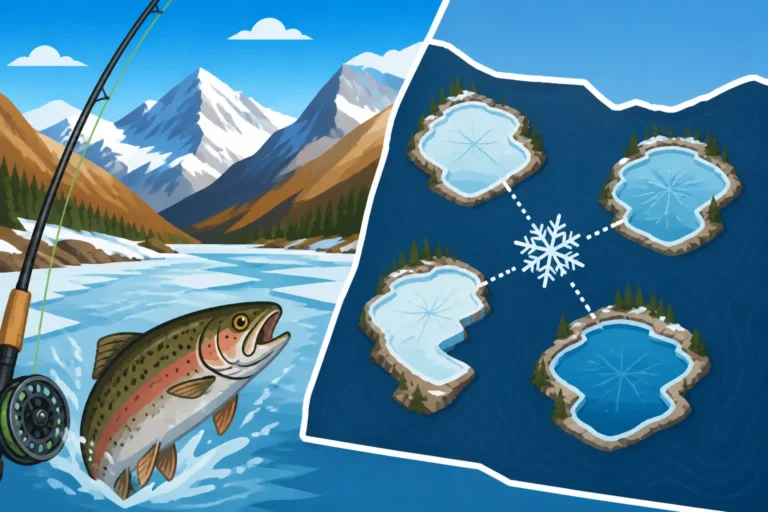
When winter firmly takes hold, typically from late November or early December through March, Turquoise Lake completely freezes over, transforming into a popular destination for ice anglers. This unique experience offers a chance to connect with fish through a hole in the ice, often in solitude amidst a snow-covered landscape.
Lake Trout, Rainbows, and Brook Trout are the primary targets during the ice fishing season. Techniques involve jigging small spoons, tube jigs, or Rapala-style baits tipped with a piece of sucker meat or a mealworm. Many anglers use tip-ups, which allow you to set multiple lines with bait and wait for a flag to signal a bite. Safety is paramount when ice fishing, always ensuring the ice is thick enough (at least 4 inches for foot traffic, 8-12 inches for vehicles).
Turquoise Lake is particularly renowned for its ice fishing opportunities for Lake Trout. Anglers with portable ice shelters and fish finders can move around, drilling holes to locate schools of baitfish or deep-water structure where these larger predators lurk. For those new to the sport or looking to refine their winter tactics, our guide on Ice Fishing in Colorado, Getting Started provides essential gear lists, safety tips, and effective techniques for tackling frozen waters like Turquoise Lake.
Planning Your Trip to Turquoise Lake
A successful fishing trip to Turquoise Lake involves more than just knowing where to cast your line; it also means understanding access, regulations, and how to best prepare for a high-altitude adventure.
Getting There and Access Points
Turquoise Lake is incredibly accessible, located just a few miles west of Leadville, Colorado. From Leadville, simply take West 6th Street (CR 4) west. The road quickly turns into a well-maintained paved surface that parallels the northern shore of the lake, offering numerous access points. The area around Turquoise Lake is managed by the U.S. Forest Service, providing a variety of campgrounds and day-use sites.
Popular access points include the boat ramps at the Belle of Colorado Campground and the May Queen Campground, which offer excellent facilities for launching both motorized and non-motorized boats. For shore anglers, virtually the entire northern shoreline is accessible from the road, with pull-offs and designated fishing areas. The Sugar Loaf Campground and Father Dyer Campground also provide good access. While the main road is usually open year-round, some campgrounds and side roads may close seasonally, typically from late fall through late spring, due to snow. Always check current conditions with the Leadville Ranger District or the CPW website before heading out.
Licenses, Regulations, and Responsible Angling
Before you even think about wetting a line in Turquoise Lake, ensure you have a valid Colorado fishing license. Every angler aged 16 and older needs one. You can easily purchase these online through the Colorado Parks and Wildlife (CPW) website, at most sporting goods stores, or even at some local businesses in Leadville. For a comprehensive overview of requirements, our Colorado Fishing License Guide for Residents and Nonresidents is an essential resource.
Beyond the general state license, it's crucial to be aware of any specific regulations that apply to Turquoise Lake. While general statewide regulations often apply, specific waters can have unique rules regarding bag and possession limits, tackle restrictions (e.g., barbless hooks, artificial flies and lures only, or bait restrictions), or even length limits for certain species. Always consult the most current Colorado Fishing Regulations brochure, available online from CPW, to ensure you're compliant. Our article, Colorado Fishing Regulations Every Angler Should Know, will give you a good foundation, but nothing beats reading the brochure specific to the current year. Pay close attention to rules concerning Lake Trout, as they often have specific size and bag limits to manage their population. Using the CPW website and regularly reviewing publications like Reading Colorado's Fishing Regulations Brochure is a smart habit for any angler.
Practicing responsible angling is also vital. This includes adhering to catch-and-release practices for fish you don't intend to keep, handling them gently to ensure their survival, and practicing "Leave No Trace" principles. Pack out everything you pack in, and perhaps even a little more. Keeping our high-altitude gems clean ensures they remain pristine for future generations of anglers. If you're looking to maximize your chances or want to learn from a local expert, consider hiring a guide. Websites like FishingBooker can help you find experienced Colorado fishing guides who are intimately familiar with Turquoise Lake and its seasonal nuances. A guided trip can be a fantastic way to accelerate your learning and discover the lake's hidden secrets, and our article on Hiring a Fishing Guide in Colorado, What to Expect can help you prepare.
| Species | Preferred Depth (Open Water) | Best Season | Recommended Method (Open Water) | Recommended Method (Ice Fishing) |
|---|---|---|---|---|
| Rainbow Trout | 5-20 feet (Spring/Fall), 20-40 feet (Summer) | Spring, Fall, Ice | Spinners, Spoons, PowerBait, Trolling | Jigging small spoons/plastics, Tip-ups |
| Lake Trout | 40-100+ feet | Summer, Ice | Jigging, Deep Trolling (Downriggers) | Jigging heavy spoons/tubes, Tip-ups |
| Brook Trout | 5-25 feet (Near structure/inlets) | Spring, Fall, Ice | Spinners, Worms, Small flies | Jigging small jigs/plastics |
| Brown Trout | 10-30 feet (Near structure/cover) | Fall, Spring | Spoons, Streamers, Jerkbaits | Jigging larger spoons/plastics |
Disclaimer
Please be aware that fishing regulations, conditions, and fish stocking schedules can change. Always consult the official Colorado Parks and Wildlife (CPW) website or obtain a current Colorado Fishing Regulations brochure before heading out to fish. The information provided in this guide is for general informational purposes only and should not be considered a substitute for official CPW regulations. Stay safe and respect the environment.