How Runoff Timing Changes With a Heavy Snowpack Year
Oh, the joy of a truly epic Colorado winter! The kind where the snow just keeps piling up, dazzling us with its beauty and promising lush landscapes come summer. But for us anglers, that beautiful, abundant snowpack also brings a fair share of head-scratching and anticipation. You might be staring at your calendar, wondering if your favorite river will ever drop to a fishable level, or if that dream dry fly hatch is just going to be washed out. This guide is here to walk you through exactly how a heavy snowpack year throws a wrench into Colorado's typical runoff timing, and more importantly, how you can still find fantastic fishing amidst the wild waters.
Understanding Colorado's Snowpack and Runoff Cycle
Before we dive into the nitty-gritty of heavy snow years, let's take a moment to appreciate the natural rhythm of Colorado's water cycle. It's a dance between sun, snow, and gravity that dictates the lifeblood of our rivers and streams, and ultimately, our fishing opportunities.
The Basics of Snowpack Accumulation
Every winter, as those majestic Colorado peaks transform into a winter wonderland, snow accumulates. It's not just pretty to look at; this snowpack is our state's primary water reservoir. Think of it as a massive, slow-release sponge perched high in the mountains. The depth of the snow, combined with its density, determines what we call the "snow water equivalent" (SWE) – essentially, how much water will be released when it melts. In a typical year, we see consistent snow accumulation through the winter months, reaching its peak sometime in April or early May. This allows for a fairly predictable runoff, usually starting in mid-to-late May and often tapering off by late June, setting the stage for glorious summer fishing.
The higher the elevation, generally the more snow accumulates, and the longer it tends to stick around. This is why you'll find different sections of the same river experiencing runoff at varying times. For example, the lower stretches of a river like the Arkansas might swell earlier than its headwaters up near Leadville, simply due to elevation and ambient temperatures. Knowing this helps you understand why some rivers become raging torrents while others, perhaps at different elevations or fed by different sources, remain more manageable.
What Defines a "Heavy Snowpack Year"
So, what exactly pushes a winter from "good" to "heavy snowpack" territory? It's usually a combination of factors. We're talking about significantly above-average snowfall throughout the winter, sometimes compounded by late-season storms that dump feet of fresh powder well into April or even May. It's not just the depth, but also the sustained cold temperatures that keep that snow frozen solid, preventing early melts. When you hear reports of snowpack percentages reaching 120%, 150%, or even higher compared to the historical average, you know you're in for a memorable runoff season.
The implications of such a dense, deep snow base are profound for our fisheries. More snow means more water, obviously, but it also means that water is held captive for longer. Imagine a giant, overflowing bathtub that takes much longer to drain than usual. This is precisely what happens with our mountain watersheds. The ground becomes completely saturated, every crevice and nook filled, and the sheer volume of water that eventually has to move through the river systems can be immense. This is when anglers start to adjust their expectations and strategies, knowing that patience and flexibility will be their best tools in the coming months.
The Delayed and Extended Impact of Heavy Snowpack on Runoff
A heavy snowpack isn't just about more water; it fundamentally alters the timing and duration of the runoff event. This shift is where the biggest challenges and opportunities for anglers lie.
Later Onset of Peak Runoff
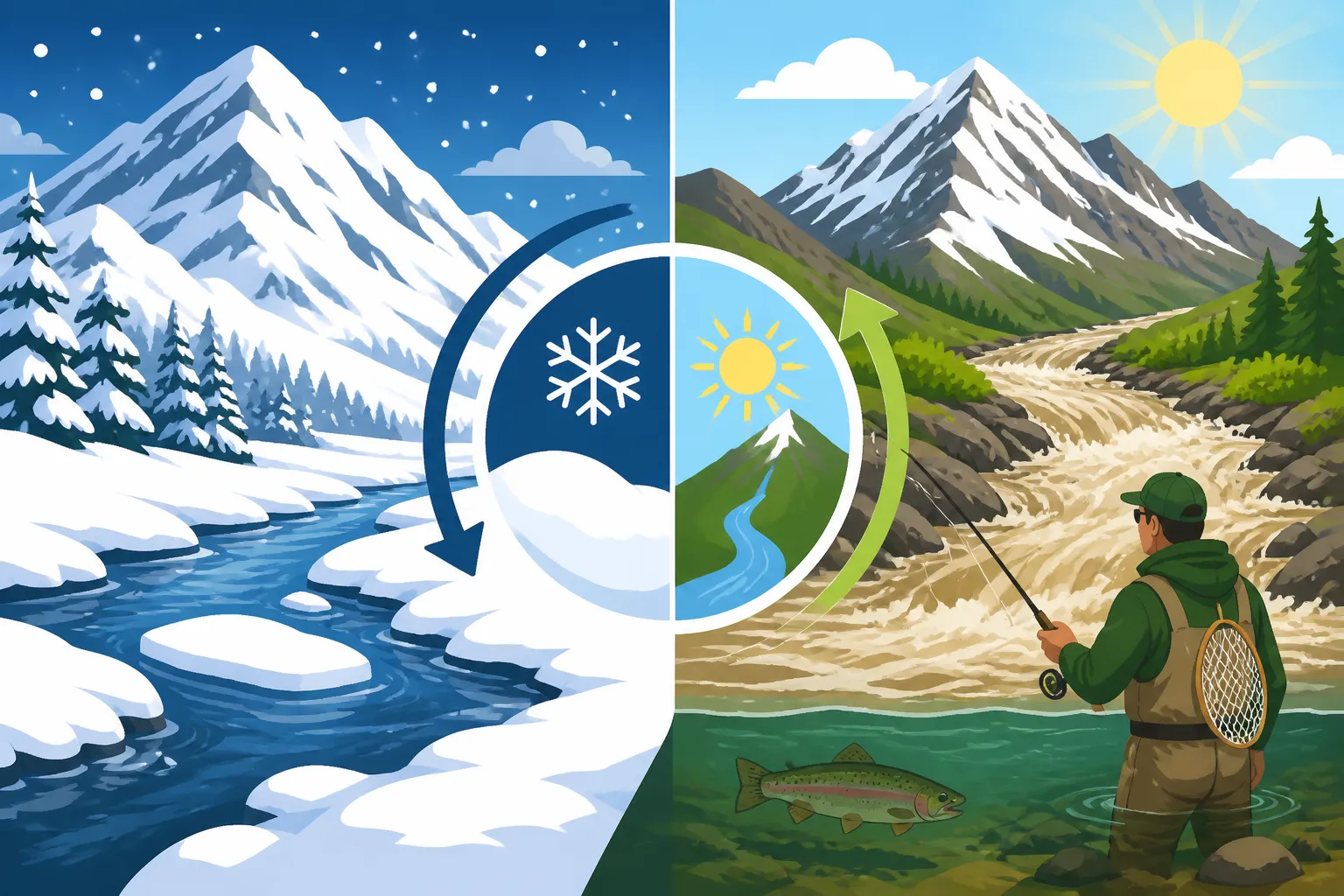
One of the most immediate and noticeable effects of a heavy snowpack year is the delayed onset of peak runoff. Instead of rivers surging in late May, you might find them staying relatively low, even through the first week or two of June. This isn't because the snow isn't there; it's because sustained cool temperatures, which often accompany high snow years, keep that massive snow reservoir locked up high in the mountains. Anglers, eager to hit the freestones, often find themselves tapping their feet, checking streamflow gauges daily, and wondering when their favorite spots will finally become fishable. It can be incredibly frustrating to see beautiful spring weather and still face cold, clear, low rivers, only for them to suddenly blow out weeks later than you expected.
This delayed surge can push the "unfishable" window further into the traditional summer months, potentially impacting prime June and early July fishing. The upside, however, is that when the melt finally does kick in, it often does so with vigor, creating a shorter, but more intense period of high water. Understanding this dynamic is key to planning your fishing calendar, sometimes meaning pushing back your trips to freestone rivers by a few weeks or even a month. You might find yourself checking When Colorado's Spring Runoff Hits and How to Fish Around It almost daily.
Prolonged High Water and Turbidity
Once runoff truly begins in a heavy snowpack year, prepare for a long haul. The sheer volume of water stored in the mountains means rivers will run high, and often turbid, for an extended period. What might be a two-to-three-week event in an average year could stretch into four, five, or even six weeks of raging, off-color water. This presents a significant challenge for wade anglers, as many traditional access points become dangerous or completely submerged. Visibility for fish, and thus their ability to actively feed on drifting insects, is also greatly reduced.
The constant influx of meltwater also carries a lot of sediment, giving the rivers that "chocolate milk" appearance. This turbidity makes fly fishing, particularly with smaller patterns, incredibly difficult. Spin fishing with brightly colored lures or bait can sometimes be effective, but even then, the force of the current can make presentation tricky. You'll want to have robust rain gear and sturdy wading boots, perhaps picked up from an online retailer like Amazon, as you might find yourself fishing in less-than-ideal conditions when the water finally begins to recede. It’s all about being prepared for a longer, wilder ride on the river.
Cooler Water Temperatures for Longer
Beyond the visual impact of high, muddy water, a heavy snowpack year also means rivers will stay colder for longer. Think about it: massive amounts of near-freezing snowmelt are constantly pouring into the system. This sustained cold can suppress insect hatches, as many aquatic insects require certain water temperatures to develop and emerge. It also affects the metabolism of trout; colder water generally means less active fish, which can translate to slower feeding and more lethargic takes.
This prolonged period of cool water can push back prime dry fly fishing opportunities, sometimes by several weeks. While a typical year might see great caddis or Green Drake hatches in June, a heavy snow year could delay these significant insect events until July or even early August. It's not all bad, though! The benefit of prolonged cool water is that it keeps trout comfortable and healthy deeper into the summer, extending the cold-water species' window well beyond what you might expect in a low-snow or drought year. This can be great news for trout fishing in August and September, when other years might see rivers too warm and stressful for fish.
Adapting Your Colorado Fishing Strategy to Heavy Snowpack
So, the rivers are high and muddy, and your usual spots are unfishable. Does that mean you pack up your rods and wait until next year? Absolutely not! A heavy snowpack year simply calls for a shift in strategy, opening up new opportunities and pushing you to explore different types of water.
Targeting Tailwaters and Stillwaters
When freestone rivers are blowing out, your best friends become tailwaters and stillwaters. Tailwaters, which are the sections of river directly below large dams, offer a refuge from the chaos. Dams act as giant filters and temperature regulators, releasing water from deep in the reservoir. This water is usually much clearer and has a more stable temperature than the natural river above and below the impoundment. Tailwaters like the Fryingpan River below Ruedi Reservoir, the Dream Stream on the South Platte, or the Blue River below Dillon Reservoir, can fish incredibly well during runoff. They often maintain consistent flows and clear water, providing a sanctuary for trout and a consistent fishing experience for anglers. Learning Nymphing Techniques for Colorado Tailwaters will be particularly useful during these periods.
Stillwaters—our magnificent lakes and reservoirs—also become prime targets. They are largely unaffected by river runoff in terms of clarity and can offer fantastic fishing for a variety of species. Think about casting for rainbow trout and brown trout in Eleven Mile Reservoir, or targeting big lake trout and kokanee salmon in Blue Mesa Reservoir. While the river currents are raging, these large bodies of water remain stable, providing excellent opportunities.
Here's a quick comparison to help you choose:
| Water Type | During Heavy Runoff | Best Species to Target | Typical Access |
|---|---|---|---|
| Freestone Rivers | High, turbid, fast flows; dangerous wading; challenging visibility. Often unfishable. | Trout (when water drops and clears, holding in eddies) | Bank access, wading (limited to safe areas) |
| Tailwaters | Clear, stable flows; consistent temperatures; often excellent hatches. | Rainbow Trout, Brown Trout, Cutthroat Trout | Bank access, wading, drift boats (below some dams) |
| Stillwaters | Generally clear and stable; unaffected by river turbidity. Can have excellent fishing near inlets/outlets as runoff slows. | Rainbow Trout, Brown Trout, Lake Trout, Kokanee Salmon, Walleye | Boat, float tube, shore fishing |
Essential Gear and Tactics for High Water
Fishing in high, fast, or slightly off-color water requires adjustments to your gear and tactics. Forget delicate dry fly presentations; this is a time for getting down deep and grabbing attention. For fly anglers, think heavier nymphing rigs with more weight (like split shot, which you can find on Amazon) to get your flies down quickly through the strong currents. Larger, darker, or brightly colored nymph patterns, like Pat's Rubber Legs or San Juan Worms, tend to be more effective. For something a bit more aggressive, Streamer Fishing for Colorado Brown Trout can be incredibly productive, as big browns are often opportunistic feeders on displaced baitfish in high flows.
Safety is paramount during runoff. High water can be incredibly powerful and deceptively dangerous. Always wear a wading belt, carry a sturdy wading staff, and consider studded boots for better grip on slick river bottoms. Never wade alone, and always let someone know where you're going. If the water looks too high or fast, err on the side of caution. There are always other fishing opportunities, perhaps on a lake or a smaller tributary that isn't experiencing the same level of runoff.
Monitoring Conditions and Planning Ahead
In a heavy snowpack year, staying informed is half the battle. Regularly check online resources like the USGS streamflow gauges, which provide real-time data on river levels and flows. Colorado Parks and Wildlife (CPW) also offers valuable resources, including Reading Colorado's Weekly Stocking Report and the Colorado Fishing Atlas. Local fly shops are an invaluable source of up-to-the-minute information; they're on the water constantly and know exactly which spots are fishing well. Don't be shy about calling them or stopping by for advice.
Flexibility is your superpower. If your planned trip to a freestone river is looking grim, have a backup plan for a tailwater or reservoir. Consider exploring high-country lakes that might still be covered in ice earlier in the season, but will burst with activity once they thaw. For some, a heavy snow year might even be an opportunity to explore Ice Fishing in Colorado, Getting Started later in the fall or earlier in the spring, as mountain lakes hold ice longer. By monitoring conditions and being willing to adapt, you can turn a challenging season into an incredibly rewarding one.
Specific Species and Their Response to Heavy Runoff
Different fish species react to the tumultuous conditions of heavy runoff in various ways. Understanding these behaviors can help you predict where they might be holding and what they're willing to eat.
Trout Behavior in High Water
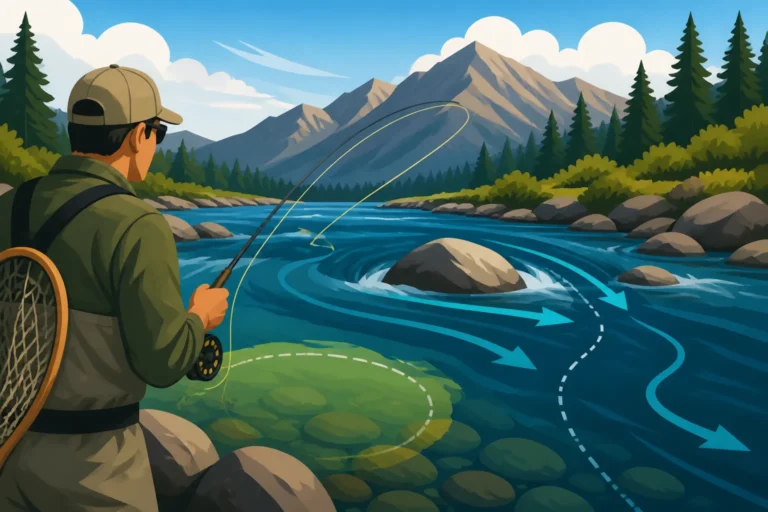
During peak runoff, trout generally seek refuge from the relentless current. They'll move to slower water, such as eddies behind large rocks, seams where fast water meets slow, and the soft water along riverbanks and inside bends. These areas provide a break from the current and often concentrate food that gets washed in. They also tend to hug the bottom, especially in areas with structure, expending less energy fighting the flow. This is precisely Where Trout Hold During High Water in Colorado.
While they may not be actively rising to surface insects, trout are still feeding opportunistically on anything that drifts by. This means larger, more visible nymph patterns that mimic stonefly nymphs, large mayfly nymphs, or even worms, become highly effective. Streamers that imitate sculpins or baitfish can also provoke aggressive strikes, especially from larger brown trout that are looking for a substantial meal. The key is to get your fly down to them quickly and present it naturally in the slower pockets where they're conserving energy. Don't be afraid to use a bit more weight than usual, even if it feels excessive.
Other Species Opportunities
When trout fishing on rivers becomes a struggle, don't forget about Colorado's diverse array of other fish species. Many warmwater lakes and reservoirs are completely unaffected by mountain runoff. Species like walleye, northern pike, smallmouth bass, largemouth bass, and catfish thrive in these environments, offering exciting alternatives. Chatfield Reservoir, Cherry Creek Reservoir, and Standley Lake near Denver are all fantastic options for warmwater species that won't be impacted by snowmelt-induced turbidity.
Even in high-elevation lakes, the cold water from a heavy snowpack can sometimes mean certain species, like lake trout, remain active at shallower depths for longer, offering boat anglers some incredible opportunities. And don't forget the popular Kokanee Salmon fisheries, like those at Blue Mesa Reservoir, which largely follow their own cycle separate from river runoff. Learning about Colorado's Trout Species, A Field Guide and other fish will expand your horizons. Exploring these alternative species and locations can turn a potentially frustrating runoff season into one filled with new adventures and memorable catches.
Disclaimer
This article is for general informational purposes only and does not constitute professional advice. Laws, prices and regulations vary by location and change over time. Consult a qualified professional for guidance on your specific situation.