Best Technique for Fishing Pocket Water
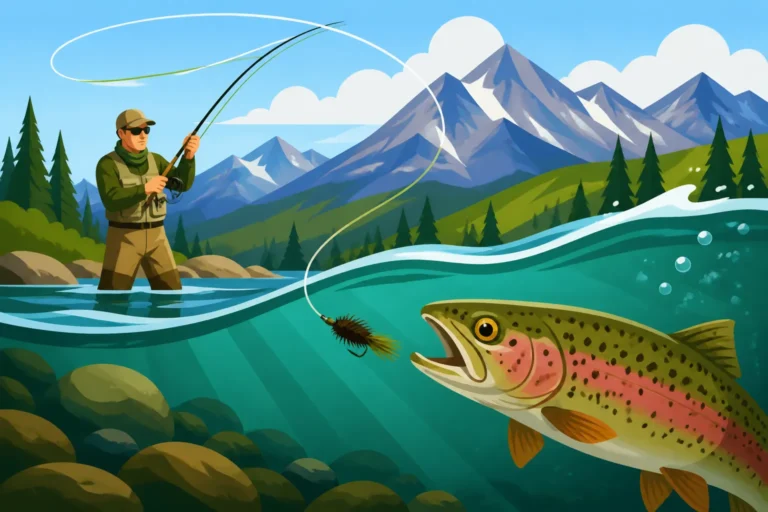
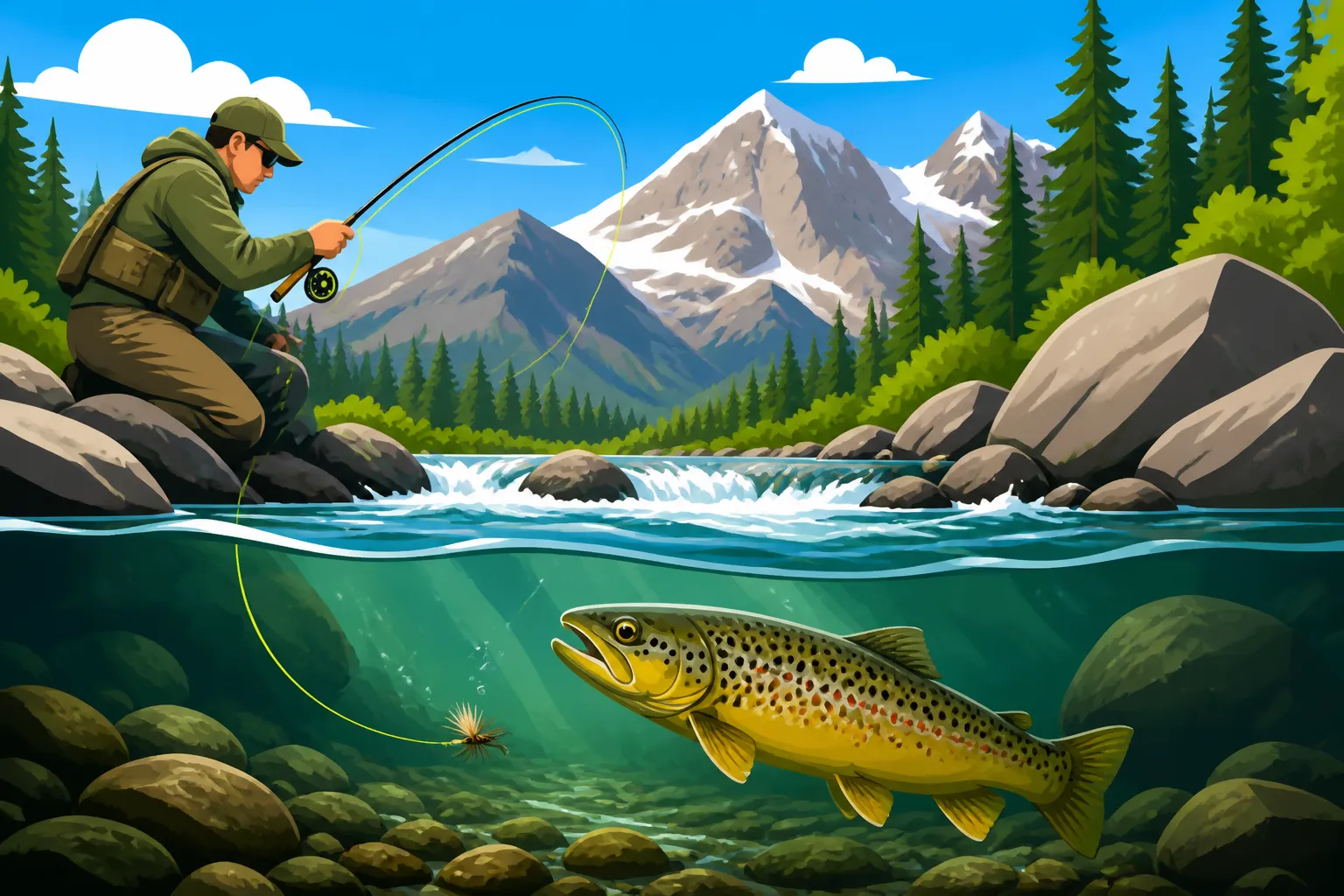
Anyone who's spent time fishing Colorado's wilder rivers knows the frustration of staring at a section of water that just looks fishy, but you can't quite figure out how to present your fly or lure. Those choppy, turbulent stretches — full of boulders, sudden drops, and swift currents – are what we call pocket water, and they can be incredibly intimidating. This guide is all about demystifying pocket water and giving you the best techniques to effectively fish these productive, yet challenging, parts of our beautiful Colorado streams.
Understanding the Pocket Water Environment
Pocket water is truly a unique beast. It's not your gentle, meandering meadow stream, nor is it the deep, slow run of a tailwater. Instead, picture a mountain river or a high-gradient section of a larger stream, often tumbling down a rocky canyon or through a boulder-strewn landscape. The water here is a chaotic symphony of currents, eddies, and seams, all created by obstructions like rocks, fallen logs, and sudden changes in depth.
What Defines Pocket Water?
The defining characteristic of pocket water is its "pocket" formations. These are relatively calm, often deeper, sections of water nestled immediately behind or beside obstructions, or in depressions within the riverbed. Think of them as little sanctuaries where fish can rest out of the main current, conserve energy, and still have a steady conveyor belt of food washing right to their doorstep. The water around these pockets is usually fast, broken, and frothy, which can be both a blessing and a curse for anglers. It's a blessing because the broken surface disguises your presence, making it harder for wary trout to see you. It's a curse because getting a natural drift through these complex currents can feel like trying to thread a needle in a windstorm. Understanding these dynamics is key to success, especially on popular stretches like parts of the Cache la Poudre or the Big Thompson.
Why Trout Love Pocket Water
So why do trout brave such turbulent environments? It all comes down to efficiency and survival. The fast-moving water, while demanding, also delivers a constant supply of insects, small fish, and other aquatic morsels. The pockets themselves offer a perfect combination: a low-energy resting spot with immediate access to a high-calorie buffet. Larger trout, in particular, often stake out the prime pockets because they offer superior feeding lanes and cover from predators, both avian and terrestrial. They don't have to fight the current constantly, which saves them vital energy. This makes pocket water an excellent place to target some of Colorado's trophy fish, especially during periods when other sections of a river might seem less productive. It’s a testament to the resilience and adaptability of these fish, and a strong reason why you should never overlook these sections.
Essential Gear and Rigging for Pocket Water
Successfully navigating and fishing pocket water requires a slightly different approach to gear and rigging than you might use for, say, a wide, open river. While a standard setup can work, optimizing your equipment can drastically improve your odds of success and reduce frustration.
Rod and Reel Selection
For pocket water, a shorter, more powerful rod is often your best friend. Think a 9-foot rod, or even an 8-foot 6-inch rod, in a 4-weight or 5-weight. The shorter length helps you manage line in tight quarters, between trees, and when making precise, short casts into specific pockets. The added power of a 4 or 5-weight allows you to quickly subdue fish before they dart into heavy current and potentially snap your line or break you off on an obstruction. You'll be making a lot of short, accurate casts rather than long distance bombs, so finesse and control are paramount. A good quality reel with a smooth drag is always a plus, but you won't be making long runs that test its capacity as much as its ability to quickly bring in a fish from a tight spot. For spin fishers, a light to medium-light action rod, around 6 to 7 feet, paired with a small spinning reel spooled with 4-8 pound test line, is ideal for casting small spinners, spoons, or jigs into these tight spots.
Specialized Rigging for Turbulent Currents
When it comes to rigging for pocket water, the name of the game is weight and stealth. Your primary goal is to get your fly or lure down to the fish quickly, without excess drag from the varying currents.
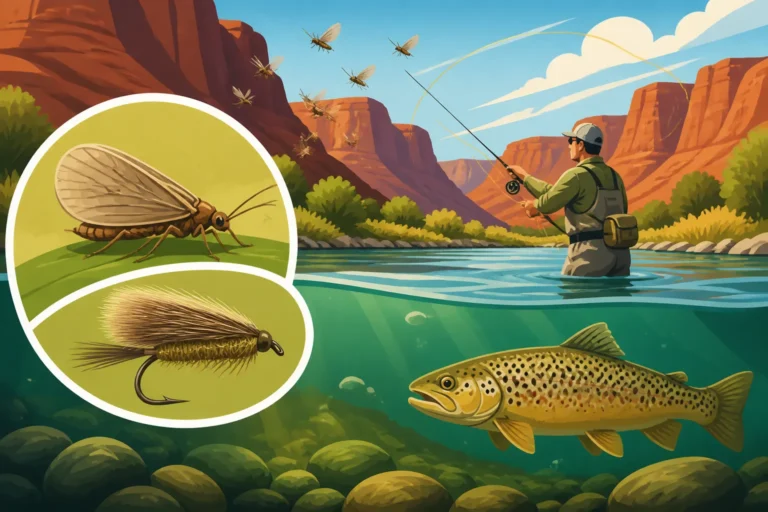
- Nymphing Rigs: This is where nymphing shines. For fly anglers, a Nymphing Techniques for Colorado Tailwaters approach, adapted for the faster water, is crucial. You'll want to use a moderately stout leader (3X-4X fluorocarbon) to turn over your heavy flies and resist abrasion, often with a shorter tippet section to reduce tangles. Strike indicators are essential, but often a smaller, more sensitive indicator like a yarn or unweighted foam indicator works best for detecting subtle takes in choppy water. Many anglers opt for a "tight-line" or Euro Nymphing style, which uses no indicator at all, relying on the angler's feel for takes. This allows for direct contact with your flies and minimizes drag from the surface. You'll need plenty of split shot—often more than you think—to get your flies to the bottom quickly. Using a dropper rig with two or three heavy nymphs, like a Pat's Rubber Legs or a Tungsten Perdigon, can be incredibly effective.
- Dry-Dropper Rigs: While nymphs are usually the go-to, don't discount the effectiveness of a Dry-Dropper Rigs for Colorado Freestones setup, especially on warmer days. A larger, buoyant dry fly like a Chubby Chernobyl or a stimulator can act as your indicator, suspending a weighted nymph or two underneath. This rig offers the best of both worlds: the visual strike indicator of the dry fly and the subsurface appeal of nymphs. It's often less prone to tangles than a heavily weighted nymphing rig, and it can cover more water quickly. You can find excellent selections of these flies, as well as split shot and leader material, on sites like Amazon.
- Spin Fishing: For spin fishers, small jigs, inline spinners (such as those from Mepps or Panther Martin), or spoons are ideal. Use jigs tipped with a small piece of bait (where legal) or a soft plastic grub. Weight distribution is important; you want enough weight to get down, but not so much that it constantly snags. Experiment with different weights and lure sizes. A good tactic is to cast slightly upstream of the pocket and let the lure tumble naturally, just like a dislodged insect or baitfish, into the slack water.
| Technique/Gear | Rod/Reel Recommendation | Rigging Strategy | Best For |
|---|---|---|---|
| Nymphing (Fly) | 9' 4-5wt fly rod, medium arbor reel | Heavy nymphs, split shot, small strike indicator, 3X-4X fluorocarbon tippet | Getting flies deep quickly, targeting actively feeding trout |
| Dry-Dropper (Fly) | 9' 4-5wt fly rod, medium arbor reel | Buoyant dry fly (indicator), 1-2 smaller nymphs below, 4X-5X tippet | Covering water, shallower pockets, when fish are looking up or mid-column |
| Spin Fishing (Lure) | 6-7' light-medium light spinning rod, small spinning reel, 4-8lb line | Small jigs, inline spinners, spoons, light leaders | When fish are aggressive, covering varied depths, ease of casting |
| Tenkara/Short-Line (Fly) | 10-13' Tenkara rod or traditional fly rod | Minimal leader/tippet, heavy nymph, no indicator or small yarn | Very tight pockets, highly technical drifts, maximum stealth |
Mastering Casting and Presentation in Pocket Water
This is where the rubber meets the road. Getting your fly or lure into the strike zone and achieving a natural drift in pocket water is arguably the biggest challenge, but also the most rewarding. It requires precise casting, quick line management, and a keen understanding of how currents interact.
Short, Accurate Casts and Mending
Forget your graceful, long-distance casts. Pocket water demands short, punchy, and highly accurate presentations. You're often trying to drop a fly into an area no larger than a bathtub, surrounded by powerful currents. Think about overhead casts, roll casts, and even bow-and-arrow casts to get into those tight spots under overhanging branches or around boulders.
Once your fly hits the water, the battle against drag begins immediately. The varying current speeds will try to pull your line and cause your fly to move unnaturally, signaling to a trout that something is amiss. This is where active mending comes in. A mend is a quick flick of the rod that repositions your line upstream or downstream, allowing your fly to drift naturally without being pulled by faster surface currents. In pocket water, you'll be making constant, small mends, anticipating how the currents will affect your line. For spin fishers, a similar principle applies: cast slightly upstream of your target, let the lure sink and begin its natural drift, and be ready to manage your retrieve speed to maintain contact and mimic natural movement. This might mean pausing your retrieve to let the lure sink deeper into a pocket, then reeling up slack quickly as it exits.
Reading the Water for Fish Holds
One of the most valuable skills in pocket water fishing is learning to "read the water." This means understanding where trout are most likely to be holding, even before you cast. Reading Water on a Colorado Freestone River is a critical skill here. Look for:
- Seams: The boundary where fast water meets slow water. Trout often sit in the slower water, waiting for food to be swept by in the faster current.
- Behind Boulders/Obstructions: These are classic pocket water holds. The current breaks around the obstruction, creating a calmer "cushion" of water where fish can rest.
- Deep Pools/Depressions: Any deeper area in an otherwise shallow, turbulent section will attract fish. The depth provides cover and a break from the current.
- Foam Lines: Accumulations of foam often indicate a consistent current seam that traps food.
- Confluence of Currents: Where two currents meet or diverge, creating a swirling eddy, can be prime real estate.
Often, you'll need to approach these pockets cautiously. Trout, even in turbulent water, can be surprisingly wary. Stay low, move slowly, and try to cast from a position that minimizes your shadow over the water. A good pair of polarized sunglasses will help immensely in spotting subtle changes in depth and current, revealing those hidden pockets.
Specialized Techniques for Pocket Water Success
While general casting and reading the water are foundational, certain techniques are exceptionally well-suited for the unique challenges of pocket water. These methods prioritize control, depth, and precision, giving you the edge.
High-Sticking and Short-Line Nymphing
When you're fishing a small, tight pocket, traditional nymphing with a long line and indicator can be cumbersome. This is where "high-sticking" or "short-line nymphing" truly shines. The idea is to keep as much of your fly line off the water as possible, using the length of your rod to guide your flies through the current.
To do this, you'll cast your nymphs a short distance upstream of the pocket, then immediately raise your rod tip high, pointing it towards where your leader enters the water. As your flies drift, you follow them with your rod tip, essentially leading them through the pocket. This minimizes drag from surface currents on your fly line and indicator, allowing your nymphs to sink naturally and quickly. You're essentially holding the line taut enough to feel any subtle "tick" or pause that signals a take. It's an incredibly effective method for achieving drag-free drifts in complex currents, giving you maximum control over your flies. This technique is often combined with a longer Best Rod Weight for Colorado Trout Fishing to extend your reach, allowing you to access pockets without getting too close and spooking the fish.
The Art of the Reach Cast and Stack Mend
For those slightly larger pockets or when you need a bit more distance, the reach cast and stack mend are invaluable. A reach cast involves extending your casting arm upstream or downstream after your fly line has unfurled but before it hits the water. This places a curve of line on the water that gives you more time for a natural drift before drag sets in. Imagine casting straight, then, as the line is in the air, pushing your rod and arm upstream. The line lands in a curve, buying you precious seconds.
The stack mend is similar but happens after the line is on the water. It’s a rapid, precise mend that “stacks” a bit of slack line near your indicator or flies, effectively giving them a moment to sink deeper or drift longer without resistance. This is particularly useful in pockets with a fast lead-in and a slower holding zone. You want your flies to get down fast in the quick water, then drift naturally in the slower pocket. These casts are about setting up your drift for success from the moment your flies touch the water, maximizing the time they spend in the strike zone. You can practice these casts on a local urban pond before heading out to a challenging pocket water stream, as mastering them takes some repetition.
Approaching Pocket Water Safely and Ethically
Fishing pocket water can be incredibly exciting, but the fast currents and slippery rocks also pose safety challenges. Always prioritize your safety. Wear sturdy wading boots with good ankle support, and consider studded soles or wading cleats for extra grip. A wading staff is not optional; it’s an absolute necessity for maintaining balance and probing uncertain footing in swift currents. Remember, even seemingly shallow water can knock you off your feet if the current is strong.
Beyond safety, remember ethical angling practices. Many pocket water sections are in sensitive ecosystems. Practice strict Catch-and-Release Rules on Colorado's Cutthroat Waters or similar regulations specific to the area. Use a good Best Landing Net for Catch-and-Release Trout and handle fish gently, minimizing their time out of water. Learn How to Handle Trout for a Safe Release to ensure the fish you catch can thrive after being returned. Barbless hooks, which are sometimes mandatory in certain Colorado Gold Medal Waters, are always a good idea in any pocket water scenario as they greatly reduce harm to fish and make for quicker releases. By respecting the environment and the fish, we ensure these incredible pocket water experiences remain for generations to come.
Disclaimer
This article is for general informational purposes only and does not constitute professional advice. Laws, prices and regulations vary by location and change over time. Consult a qualified professional for guidance on your specific situation.