Brown Trout in Colorado, Where They’re Wild
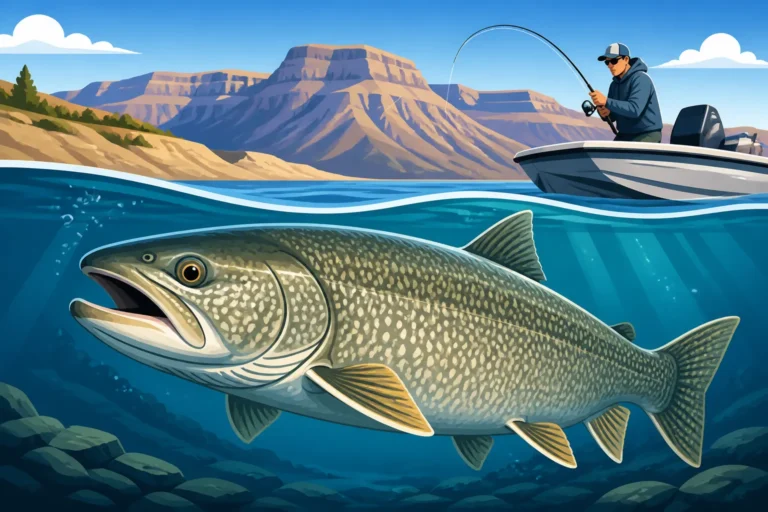
Oh, the magnificent brown trout! While many folks flock to Colorado's famous waters hoping for a chance at a freshly stocked rainbow, there's a whole other world waiting for those who truly appreciate the challenge and beauty of wild fish. These wily, territorial creatures are often overlooked by the casual angler, but they offer some of the most rewarding experiences in our incredible state. This guide is all about peeling back the layers to show you exactly where these magnificent wild brown trout thrive and how you can connect with them in Colorado's diverse aquatic landscapes.
The Allure of Wild Brown Trout in Colorado
There's something uniquely captivating about catching a wild brown trout. It's not just a fish; it's a testament to the health of its habitat and your skill as an angler. These aren't the eager, pellet-fed fish from a hatchery; these are survivors, apex predators in their own right, and they carry a certain gravitas that's hard to describe until you've held one in your hands. Many anglers spend years chasing the elusive "wild brown," often finding that the journey itself is as fulfilling as the catch.
Why Wild Browns Are Different
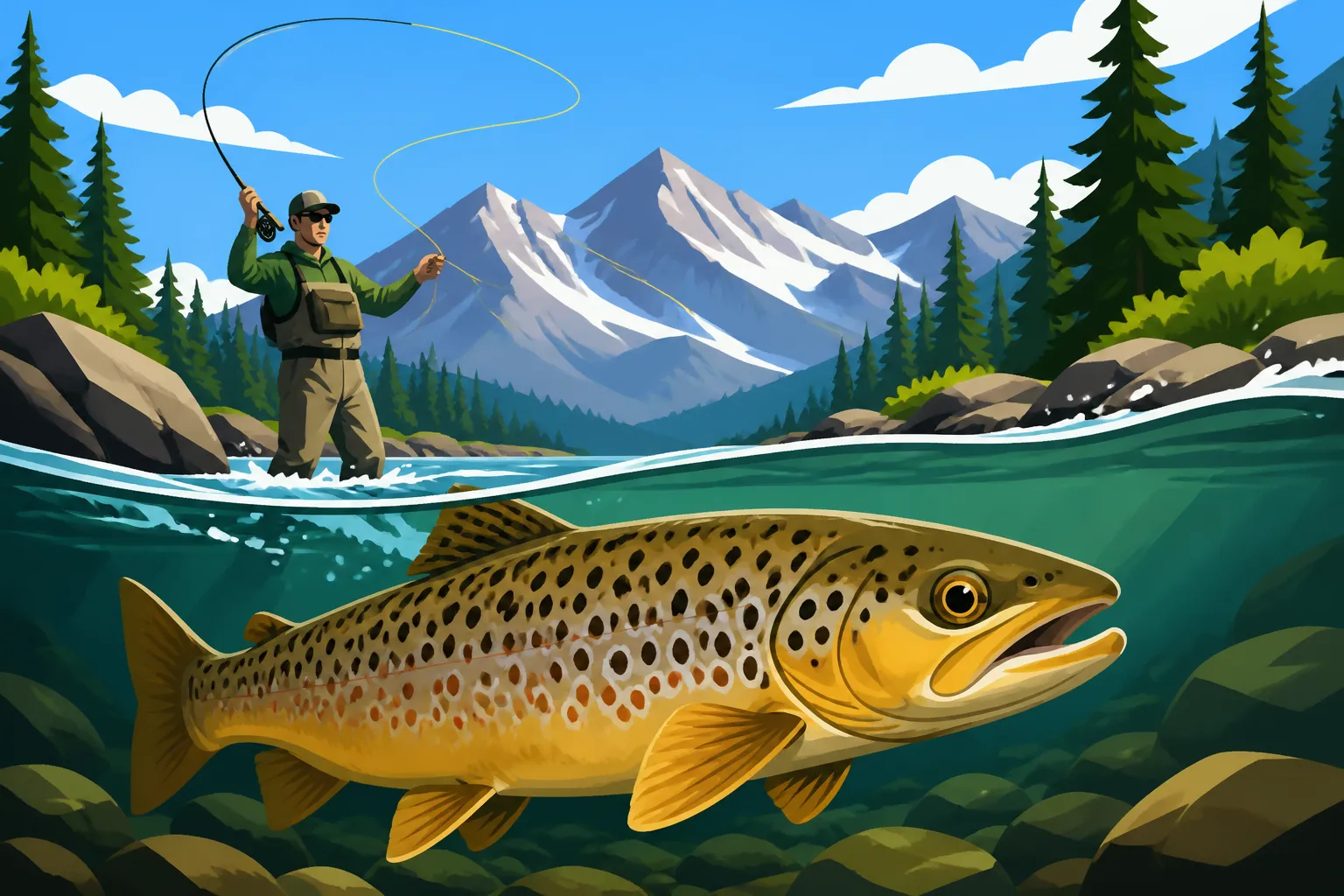
Wild brown trout in Colorado are a breed apart. They've grown up entirely on natural food sources, learning to hunt and evade predators from the moment they hatch. This makes them incredibly savvy and much more challenging to fool than their stocked counterparts. Their colors are often richer, deeper, reflecting the gravel, moss, and shadows of their river homes – a mosaic of golds, coppers, and olive greens, adorned with striking red and black spots, often haloed in lighter rings. Each one is a unique work of art.
Beyond their aesthetics, their behavior is also distinct. Wild browns are notoriously opportunistic but also incredibly wary. They'll hold in prime lies, tucked under undercut banks, behind large rocks, or in deep pools, waiting for an easy meal to drift by. They're masters of camouflage and position, and approaching them often requires stealth and a thoughtful presentation. The sheer intelligence of a wild brown trout adds an extra layer of satisfaction when you finally bring one to the net, knowing you’ve outsmarted a creature honed by nature itself.
The Thrill of the Chase
Chasing wild brown trout isn't just fishing; it's an immersive experience in the wild. It pushes you to become a better angler, to observe the river more closely, to understand entomology, and to master your casting and presentation. You learn to read the water in a way that goes beyond merely identifying likely spots; you learn to anticipate where a wild fish might be holding, how it might react, and what it's likely to eat. It's a constant puzzle, and every piece you solve brings you closer to that exhilarating moment of connection.
The "chase" also often takes you to some of Colorado's most stunning, untamed places. You might find yourself hiking miles into a canyon, navigating dense riparian brush, or scrambling over river boulders, all for the chance to cast to an untouched run. These experiences deepen your connection to the landscape and provide a sense of accomplishment that goes far beyond the size of the fish caught. It's about earning that fish, respecting its wildness, and cherishing the moments spent in its natural home.
Prime Habitats for Wild Brown Trout in Colorado
Colorado boasts an incredible variety of waters, and wild brown trout have found ways to thrive in many of them. From the consistent flows of tailwaters to the rugged beauty of freestone rivers and the serene solitude of high-country lakes, each habitat presents its own set of challenges and rewards. Understanding these environments is key to knowing where to focus your efforts.
Tailwaters: Consistent Conditions, Big Fish
Tailwaters are rivers flowing out of the bottom of large dams. These unique ecosystems provide incredibly stable water temperatures and nutrient-rich environments, making them absolute havens for aquatic insects and, consequently, large, healthy wild brown trout. The consistent cold water released from the depths of reservoirs means these rivers often stay ice-free in winter and remain cool in summer, offering prime fishing year-round. Think of places like the Fryingpan River below Ruedi Reservoir, or the South Platte below Spinney Mountain Reservoir.
Because of the steady flow and abundant food, brown trout in tailwaters can grow to impressive sizes, often reaching trophy proportions. The downside? These waters can also be incredibly technical. The fish become highly selective due to the consistent hatches and immense fishing pressure. Anglers often need to use tiny flies, light tippet, and precise presentations to fool these educated fish. But when it all comes together, landing a powerful, brightly colored wild brown from a Colorado tailwater is an unforgettable experience. Colorado's 14-Inch Trout Length Rule often applies to these waters, reinforcing their status as prime trout habitat.
Freestone Rivers: The Wild Heart of Colorado Fishing
Freestone rivers are what many people picture when they think of Colorado fishing: natural, unregulated rivers that follow the contours of the land, fluctuating with snowmelt and rainfall. These waters have more variable conditions, presenting a different kind of challenge. Think of the upper Arkansas River or the Poudre River in its wilder stretches. The fish here are often smaller on average than those in tailwaters, but they are incredibly feisty and perfectly adapted to their dynamic homes.
Fishing freestones means adapting to the whims of nature. Spring brings roaring runoff, summer offers abundant dry fly action, and fall sees aggressive brown trout gearing up for their spawn. The fish in these rivers are truly wild, often holding in fast-moving pocket water, behind boulders, or in the seams of currents. Their lives are dictated by the natural cycles of the seasons, and their fight is spirited and untamed. It's a true wilderness experience, often requiring more hiking and less crowded water. Reading Water on a Colorado Freestone River is a skill you'll develop quickly here.
High-Country Lakes: Remote and Rewarding
While many focus on rivers, Colorado's high-country lakes and alpine tarns can also hold incredible populations of wild brown trout, especially in remote, untouched areas. These lakes, often fed by snowmelt and spring creeks, offer cold, clear water and surprisingly rich ecosystems. The browns here might not be as common as cutthroat or brook trout, but where they exist, they are often incredibly robust, having survived harsh winters and predatory birds. Access usually involves a significant hike, making the reward even sweeter.
Imagine packing in your gear, hiking past treeline, and finding a pristine lake nestled amongst jagged peaks. You cast your line, and a brilliantly colored brown trout, often darker and more mottled to blend with the rocky bottom, rises to your fly. These are truly wild frontiers, where the fish have seen little to no human pressure. While the fish might not be giants, their wildness, the solitude, and the breathtaking scenery make for an unparalleled experience. Just remember that How Altitude Affects Fishing at Colorado's High Lakes can also affect how fish feed.
Key Colorado Rivers Known for Wild Brown Trout
Colorado is crisscrossed by countless rivers and streams, but some stand out as true bastions for wild brown trout. These are the places where legends are made and where anglers return year after year, drawn by the promise of these beautiful, challenging fish. While conditions and populations can shift, these rivers consistently hold strong populations of wild browns.
The South Platte River System
The South Platte River system, especially its Gold Medal Waters, is arguably one of the most famous brown trout destinations in Colorado, and for good reason. Stretches like Cheesman Canyon, Deckers, and the Dream Stream are legendary. The tailwater sections below Cheesman Dam and Spinney Mountain Reservoir provide those incredibly stable conditions that allow brown trout to grow large and robust. These fish are highly educated, seeing countless flies, but their sheer size and numbers make the effort worthwhile.
Fishing the South Platte is an exercise in finesse and observation. You'll often find anglers knee-deep, meticulously nymphing deep runs or waiting for a specific hatch to unfold. While rainbow trout are also plentiful, the browns here are often the prize, known for their powerful runs and territorial fights. Many of these sections require careful wading and respect for other anglers, but the rewards can be truly spectacular. Fishing the South Platte Near Deckers and Fishing Cheesman Canyon on the South Platte are experiences every serious Colorado angler should have.
The Arkansas River
The Arkansas River, from its headwaters near Leadville down through the canyons past Salida and Buena Vista, offers a distinctly different wild brown trout experience. This is a freestone river, meaning its flows are natural and fluctuate dramatically with the seasons. During spring runoff, it can be a raging torrent, but during lower flows in late summer and fall, it reveals incredible pocket water, riffles, and deep pools that are perfect brown trout habitat.
The Arkansas is known for its scrappy, aggressive browns, which thrive on stoneflies, caddis, and terrestrial insects. Fishing the Arkansas River Near Salida can be fantastic, especially if you enjoy exploring different types of water. The fish here might not reach the same behemoth sizes as some tailwater browns, but they are incredibly feisty and willing to chase streamers or hammer a dry fly. It’s a river that truly feels wild, offering a sense of adventure with every cast.
The Gunnison River
The Gunnison River, particularly the famous Gunnison Gorge and the Black Canyon, is another premier destination for wild brown trout. These remote, rugged stretches of river offer an unparalleled wilderness fishing experience. Access can be challenging, often requiring multi-day float trips or strenuous hikes, but the rewards are truly epic. The Gold Medal stretches of the Gunnison hold dense populations of large brown and rainbow trout, all wild and incredibly strong.
The sheer power of the Gunnison's currents and the abundance of large stoneflies and other insects create an environment where brown trout flourish. Anglers often employ streamer fishing techniques here, stripping large patterns through deep runs and along undercut banks, hoping to entice a territorial brown out of its lair. The fish fight hard, using the strong currents to their advantage, making for memorable battles. This is a place where preparation and a sense of adventure are key. Fishing Colorado's Gunnison River and the Black Canyon is an adventure of a lifetime.
Roaring Fork and Fryingpan Rivers
The Roaring Fork and Fryingpan Rivers, both in the Aspen/Basalt area, are renowned Gold Medal Waters that offer exceptional wild brown trout fishing. The Fryingpan, a classic tailwater, is particularly famous for its incredible midge and mayfly hatches, which produce highly selective but very large brown and rainbow trout. These fish are visually oriented and require precise presentations of tiny flies.
The Roaring Fork, while also a Gold Medal Water, has more of a freestone character in its upper reaches before becoming a bit more tailwater-like as it flows through towns like Basalt and Carbondale. It holds a healthy mix of wild browns and rainbows, and can be fished effectively with a variety of techniques, from nymphing deep runs to throwing streamers at aggressive fish. Both rivers are stunningly beautiful and offer some of the most consistent high-quality wild brown trout fishing in the state. Fishing the Fryingpan River Below Ruedi Reservoir is a must for any serious fly angler.
Understanding Brown Trout Behavior and Diet
To consistently catch wild brown trout, you really need to get inside their heads – or at least understand their basic instincts. These fish are survivors, driven by hunger and the need to reproduce. Their behavior patterns, especially around spawning and feeding, are critical clues for anglers.
Seasonal Movements and Spawning
Brown trout are known as fall spawners in Colorado. This means that as water temperatures drop in late summer and early fall, usually around September and October, their thoughts turn to reproduction. Males develop pronounced hooked jaws (kypes) and brilliant, darker colors. They become incredibly aggressive and territorial, defending prime spawning redds (nests dug in gravel bottoms). This is often when anglers target larger browns, as they are more visible and less cautious. However, it's also a time when ethical angling is paramount – avoiding disturbing spawning fish is crucial for future generations.
During other seasons, their movements are often tied to food availability and water conditions. In winter, they might congregate in deeper, slower pools or tailwater sections where food is consistent. In spring, as runoff starts, they'll often move to slower eddies or side channels to escape high flows and find easier feeding opportunities. Summer sees them spread out, seeking cooler, oxygenated water and taking advantage of prolific insect hatches and terrestrial falls. Understanding these seasonal shifts helps you predict where to find them and what they might be eating. Brown Trout Spawning Season in Colorado is a special time, but requires respect.
What Wild Browns Eat
Wild brown trout are incredibly opportunistic predators. Their diet is diverse and changes with the seasons and the specific habitat they inhabit. In tailwaters, their diet might consist heavily of tiny midges, mayflies, and caddis larvae, reflecting the consistent aquatic insect life. In freestone rivers, they’ll feast on a broader spectrum, including larger stoneflies, caddis, mayflies, and often a significant amount of terrestrials like grasshoppers, ants, and beetles, especially in late summer and early fall.
But the real key to big wild browns is their predatory nature. As they grow larger, they become increasingly piscivorous, meaning they eat other fish. Sculpins, baitfish, and even smaller trout become major food sources. This is why streamer fishing can be so effective for targeting trophy browns, especially during low light conditions or when they're actively hunting. Don't forget that a wild brown will also snap up an unsuspecting mouse or a frog if the opportunity arises. Having a diverse fly or lure box, possibly purchased from an online retailer like Amazon, that includes both small insect imitations and larger baitfish patterns is essential for tackling these varied diets.
Essential Gear and Techniques for Wild Brown Trout
Approaching wild brown trout requires a thoughtful approach to gear and technique. These aren't fish you can often catch with just any old setup. Precision, stealth, and matching your presentation to their environment are key.
Fly Fishing for Wild Browns
Fly fishing is often the most popular and effective method for wild brown trout in Colorado, particularly in the state's many Gold Medal rivers. A typical setup might include a 9-foot, 5-weight fly rod, a good quality reel, and a weight-forward floating line. However, depending on the water, you might size down to a 3 or 4-weight for smaller streams or up to a 6-weight for larger rivers where you're throwing bigger streamers or fighting strong currents. Don't forget a reliable pair of waders and wading boots to navigate slippery riverbeds safely – you can find excellent options on Amazon.
When it comes to techniques, nymphing is often the most productive, especially on tailwaters and during colder months. Setting up a Nymph Rigs for Deep Tailwater Runs allows you to present small fly imitations near the bottom where trout feed. Dry fly fishing is exhilarating during hatches, especially in summer when caddis, PMDs, and Green Drakes are flying. Streamer fishing is another powerful technique, particularly for targeting larger, more aggressive browns, mimicking baitfish. You'll need to learn to Match the Hatch on Colorado's Tailwaters or experiment with various patterns.
Here's a quick comparison of common fly fishing techniques for brown trout:
| Technique | Best Conditions | Target Fish Size | Typical Flies/Lures | Pros | Cons |
|---|---|---|---|---|---|
| Nymphing | Year-round, especially cold water, deep runs | All sizes, often large | Pheasant Tails, Hare's Ears, Stoneflies, Midges | Highly effective, consistent | Can be technical, less visual feedback |
| Dry Fly | Active hatches, warmer weather, clear water | Medium to large | Caddis, Mayflies, Hoppers, Drakes | Exhilarating visual takes, light tackle | Requires precise casting, short windows |
| Streamer | Low light, aggressive fish, high water, fall spawning | Large, predatory | Sculpins, Woolly Buggers, Articulated patterns | Targets biggest fish, active fishing | Can be physically demanding, fewer bites |
| Dry-Dropper | Mixed conditions, searching for fish, smaller streams | All sizes | Hopper/Stonefly with a nymph dropper | Versatile, covers multiple water columns | Can tangle, less stealthy than pure nymphing |
Spin Fishing for Wild Browns
While fly fishing often gets the spotlight, spin fishing can be incredibly effective for wild brown trout, especially for those new to the sport or when conditions aren't ideal for flies. The key is to use light tackle and lures that mimic natural food sources or provoke an aggressive strike. A light to medium-light spinning rod (6' to 7'), paired with a small reel spooled with 4-8 pound test line, is a great all-around setup. Look for gear that's sensitive enough to feel subtle bites but strong enough to handle a feisty brown. Again, sites like Amazon are great for finding a wide range of spinning rods and reels.
Small inline spinners (like Panther Martins or Mepps), spoons (Kastmasters, Dardevles), and small crankbaits or stickbaits are all excellent choices. Vary your retrieve speed and depth until you find what the fish are reacting to. Often, a slow, erratic retrieve that makes the lure "dart" like an injured baitfish can be irresistible. Remember, wild browns are wary, so casting accurately and avoiding heavy splashes is important. Spin fishing can be particularly effective in larger pools, near undercut banks, or when fish are actively chasing baitfish. Always check local regulations, as some Gold Medal Waters might have restrictions on bait and treble hooks. Spin Fishing Techniques for Colorado Trout can be adapted to target these elusive fish.
Conservation and Ethical Angling for Wild Browns
Catching a wild brown trout is a privilege, and with that privilege comes a responsibility to protect these incredible fish and their habitats. Ethical angling practices aren't just good manners; they're essential for ensuring that future generations can enjoy the same wild fishing experiences we do.
Catch and Release Best Practices
Many of Colorado's wild brown trout fisheries operate under special regulations, including catch-and-release only or specific length restrictions. Even where harvest is permitted, practicing catch and release for wild browns, especially the larger ones, is a widely adopted principle among conservation-minded anglers. These larger fish are vital for the health of the population, contributing significantly to future spawning efforts.
When you do catch a wild brown:
- Minimize Fight Time: Bring the fish in quickly but gently to reduce stress.
- Wet Hands: Always wet your hands before touching the fish to protect its protective slime coat.
- Keep it in the Water: Try to keep the fish in the water as much as possible. If you must remove it for a quick photo, do so quickly, holding it horizontally with one hand supporting the belly and the other gently gripping the base of the tail.
- Remove Hook Gently: Use needle-nose pliers or hemostats to quickly remove the hook. If the fish is deeply hooked, cut the line as close to the hook as possible rather than tearing tissue. Barbless hooks are highly recommended and often required on specific waters in Colorado. Catch-and-Release Rules on Colorado's Cutthroat Waters also apply to other trout species in sensitive areas.
- Revive Properly: Hold the fish gently facing upstream in the current until it regains its strength and swims away on its own.
Respecting the Ecosystem
Beyond the fish themselves, ethical angling extends to respecting the entire ecosystem. This means "leaving no trace" – packing out everything you pack in, including all trash, discarded fishing line, and food wrappers. It means staying on established trails and not trampling fragile riparian vegetation. It also means being mindful of other wildlife and fellow anglers.
Understand that a healthy wild brown trout population relies on pristine water quality, healthy streambeds, and intact riparian zones. Your actions on and off the water directly impact these delicate balances. Participating in river cleanups, supporting conservation organizations, and educating others about responsible angling are all ways to give back to the waters that provide such incredible experiences. Every wild brown trout you release, and every piece of trash you pick up, contributes to the ongoing health of Colorado's magnificent fishing legacy.
Disclaimer
This article is for general informational purposes only and does not constitute professional advice. Laws, prices and regulations vary by location and change over time. Consult a qualified professional for guidance on your specific situation.