Colorado’s State Record Northern Pike
There’s a unique thrill that comes with chasing trophy fish, and in Colorado, the northern pike definitely fits that bill. It's not every day you hook into a true monster, a fish that makes your drag scream and your heart pound, but when you do, it’s a story you’ll tell for years. This guide will dive deep into what it takes to understand, find, and even potentially challenge the state record for northern pike in our beautiful, high-country waters.
The Lure of the Northern Pike in Colorado
Northern pike are apex predators, known for their aggressive strikes and powerful fights. For many anglers, the pursuit of these toothy giants is an addiction, a quest for that one unforgettable catch. While Colorado might be famous for its trout, the burgeoning pike fishery offers a different kind of challenge and a chance to truly test your angling prowess against a formidable freshwater adversary.
Why Northern Pike Capture Angler Attention
It's hard to ignore the sheer power of a northern pike. Their long, muscular bodies, razor-sharp teeth, and explosive feeding habits make them a thrilling target. When you're out on the water, whether it's a vast reservoir or a quiet backwater, the anticipation of a pike strike is palpable. They don't just nibble; they ambush with incredible speed, often hitting lures with a jarring force that can nearly rip the rod from your hands. This aggressive nature is what draws so many anglers, myself included, to dedicate time and effort to mastering the art of pike fishing.
Beyond the fight, there's a certain mystique about pike. They're often found in diverse habitats, from shallow, weedy bays to deeper, open water, making them adaptable and always a bit of a puzzle to locate. Their predatory behavior means they'll often chase down baits, giving you that visual thrill as a dark torpedo streaks through the water towards your presentation. Plus, the potential for a truly massive fish – one that measures in the double digits for weight and approaches that magical 40-inch mark for length – keeps the dream alive for every cast.
Colorado's Unique Pike Fishery
You might primarily associate Colorado with pristine trout streams and high-alpine lakes brimming with rainbows and cutthroat. However, our state also boasts some incredible northern pike fishing, particularly in certain reservoirs where they've established strong populations. These aren't just incidental catches; Colorado has actively managed some of its waters to provide excellent opportunities for anglers specifically targeting pike. This makes our pike fishery quite unique, offering a contrast to the typical trout experience and attracting a different subset of passionate anglers.
The pike populations in Colorado thrive in waters that offer a good forage base, often in reservoirs that also contain species like kokanee salmon, suckers, or perch. This abundance of food allows pike to grow to impressive sizes, making the pursuit of Northern Pike Fishing in Colorado a truly rewarding endeavor. While some waters have restrictive regulations or even culling efforts to protect other species, many reservoirs are celebrated for their trophy pike potential, offering ample opportunity for those willing to seek them out. It’s a diverse and sometimes challenging fishery, but that’s part of the appeal.
Understanding Colorado's State Record Northern Pike
Every angler dreams of catching a state record, and for northern pike, that dream is very much alive in Colorado. It's a testament to the health of our fisheries and the dedication of anglers that such impressive fish have been caught. Understanding what it takes to break or even approach this record is crucial for anyone with serious trophy aspirations.
The Current Record: A Feat of Angling
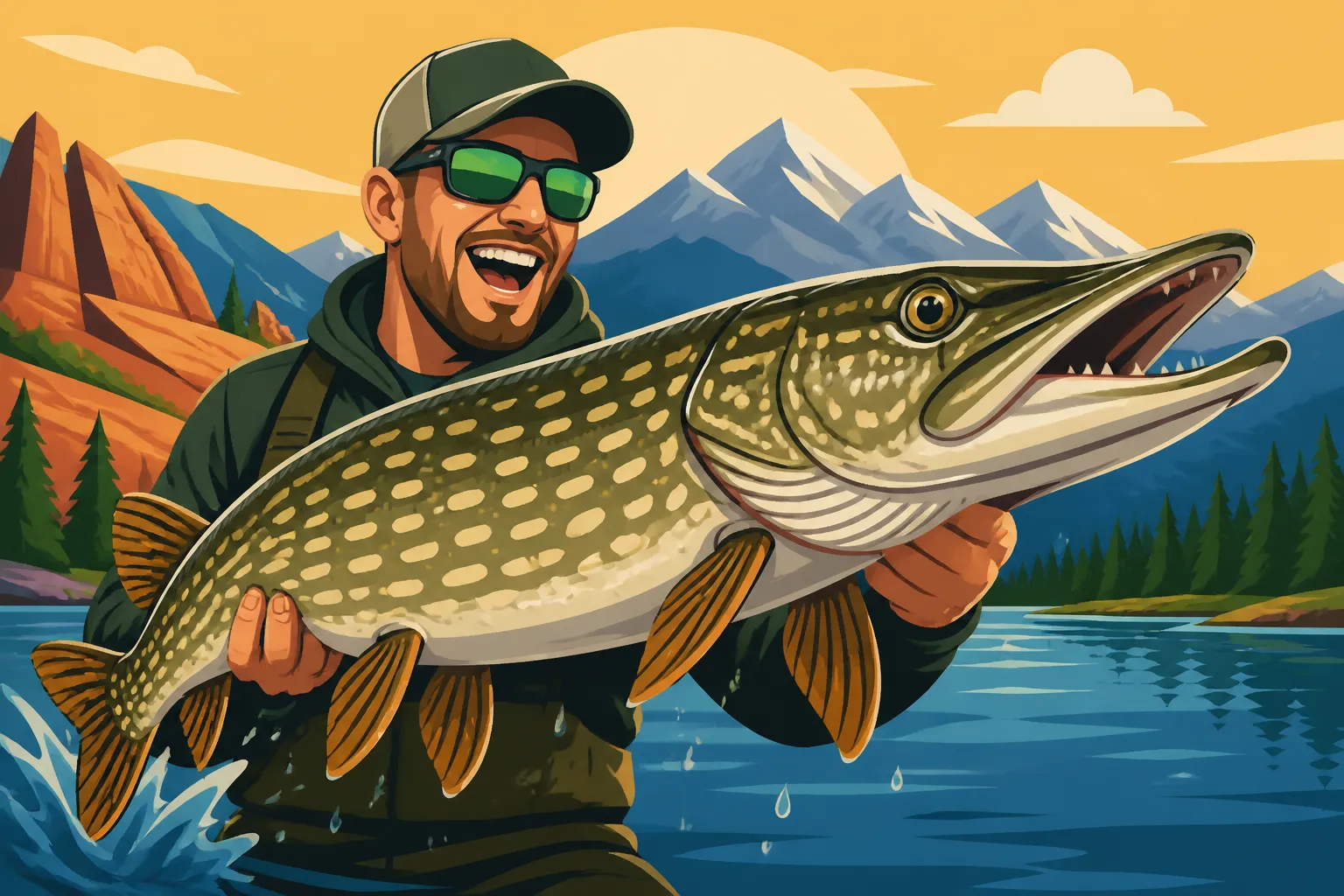
The current state record northern pike in Colorado is truly a magnificent specimen. It represents not just a lucky catch, but often the culmination of skill, patience, and a deep understanding of pike behavior and habitat. While I can't give you the exact current numbers, imagine a fish that is astonishingly long and incredibly heavy, dwarfing most other freshwater fish you've ever seen. This record-holder was likely caught in one of Colorado's premier pike waters, a place where these predators have access to abundant food and ideal growing conditions. You can find more details in Colorado's State Record Fish, Species by Species.
The angler who landed this fish undoubtedly faced a monumental challenge, from the initial strike to the delicate process of landing such a powerful creature. It speaks volumes about the quality of the fish in Colorado and motivates countless others to keep casting, hoping to one day come close to such an achievement. It's a benchmark, a goal, and a reminder that even in a state known for its mountains and trout, true freshwater giants lurk beneath the surface.
The Importance of Weight vs. Length in Records
When it comes to state records, it's almost always about weight. While length is certainly a thrilling metric for bragging rights and photos, the official record typically hinges on the heaviest fish caught. This is particularly true for species like pike, where individual fish can vary quite a bit in girth even if they share similar lengths. A shorter, fatter fish might outweigh a longer, thinner one, and it's that sheer mass that counts for the record books.
However, length is far from irrelevant. Many anglers also track "master angler" or "trophy" programs that recognize fish of exceptional length, even if they don't break the state weight record. For catch-and-release anglers, length is often the only measurement taken, making it a critical part of their personal record keeping. For a potential state record, both measurements are important. You'll want to get accurate length measurements, but the official weigh-in will be the deciding factor. It highlights the importance of having certified scales and knowing the proper protocols for documenting a truly significant catch, which we'll discuss later.
Prime Pike Waters in Colorado
If you're serious about chasing a state record northern pike, you need to know where these giants call home. Colorado has several key reservoirs that consistently produce large pike, and understanding their characteristics is essential for planning your trip.
Reservoirs Known for Trophy Pike
Several Colorado reservoirs stand out as prime destinations for trophy northern pike. These waters typically offer a combination of ideal habitat, a rich forage base, and conditions that allow pike to grow to exceptional sizes. Often, these are larger impoundments with diverse underwater structure, extensive weed beds, and cooler, well-oxygenated water.
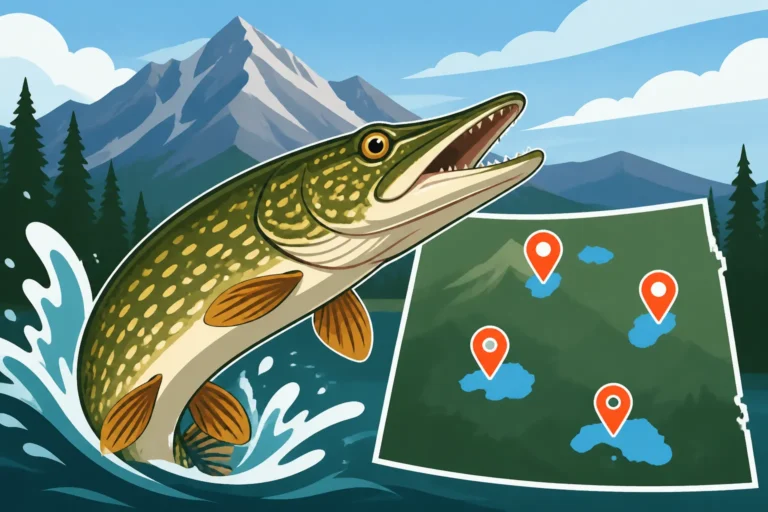
One of the most famous pike fisheries is Blue Mesa Reservoir. This massive body of water in the Gunnison National Forest is renowned not only for its kokanee salmon but also for the huge lake trout and northern pike that feast on them. Pike here have a virtually unlimited food supply, leading to rapid growth and impressive dimensions. You can find out more about Which Colorado Reservoirs Hold Northern Pike. Other notable waters include Williams Fork Reservoir, known for its consistent production of large pike, and sometimes specific bays or arms of larger systems like Eleven Mile Reservoir or Spinney Mountain Reservoir, though those two are often managed more intensely for trout. Successful anglers here often use large baits, sometimes even targeting the abundant sucker populations as forage.
Lesser-Known Gems for Northern Pike
While the big names draw the crowds, there are always those quieter, lesser-known spots that can surprise you with a monster pike. These might be smaller reservoirs, certain sections of larger lakes that are harder to access, or even specific coves or inlets that don't get as much attention. The key to finding these gems is often research, local knowledge, and a willingness to explore. These waters might not have the sheer numbers of pike as the more famous spots, but they can hold some truly enormous, unpressured fish.
Sometimes, a reservoir that is primarily known for other species might have a burgeoning pike population that is overlooked. These waters might not show up on every "best of" list, but a quick chat with a local bait shop owner or a deep dive into online forums can sometimes reveal these hidden treasures. Be aware that in some areas, pike are considered an invasive species and may be subject to different regulations, so always check the current rules. In these situations, your contribution to Why Colorado Culls Pike From Some Waters might even be seen as beneficial by wildlife managers. Finding these spots takes a bit more effort, but the reward of a personal best, or even a shot at a record, without the crowds, is often well worth it.
Strategies for Targeting Record-Class Pike
Catching a truly massive northern pike, especially one that could challenge a state record, isn't about luck alone. It requires specific gear, tactics, and a deep understanding of where and how these giants hunt. This is where preparation meets opportunity.
Gear and Tackle for Monster Pike
You don't bring a knife to a gunfight, and you don't bring ultralight trout gear to a battle with a record-class northern pike. These fish are powerful, with strong jaws and sharp teeth, demanding heavy-duty tackle that can withstand their ferocity. Your rod should be a medium-heavy to heavy power, with a fast action, typically in the 7 to 9-foot range for casting large lures. A good quality baitcasting reel, capable of holding a substantial amount of heavy braided line (think 50-80 lb test), is essential. Braided line offers superior sensitivity and strength, crucial for setting hooks and battling big fish.
Perhaps most critically, you absolutely need a strong leader. Pike teeth will sever monofilament or fluorocarbon like butter. You’ll want a wire leader or a heavy fluorocarbon leader (80-100 lb) that is several feet long to prevent bite-offs. Make sure your snaps and swivels are also heavy-duty. Don't skimp on quality, especially when buying components like leaders and hooks from retailers like Amazon; a single weak point can cost you the fish of a lifetime. Always have a large, sturdy landing net designed for big fish, or better yet, a long-handled Boga Grip or similar lip-gripping tool for safe handling and release. Pliers or forceps are also non-negotiable for hook removal, protecting both you and the fish.
Best Techniques and Times to Fish
Targeting record-class pike requires understanding their behavior. These fish are often solitary ambush predators, lurking in structure or along drop-offs, waiting for an unsuspecting meal to pass by. Early morning and late evening, especially during overcast conditions, are often prime times as pike are most actively feeding. During colder months, they might move into deeper water, while in warmer seasons, they'll relate more to weed lines and submerged structure.
For lures, think big and flashy. Large spinnerbaits, spoons, jerkbaits, and swimbaits are all excellent choices. Best Lures for Northern Pike in Colorado Reservoirs will give you some excellent ideas. A retrieve that mimics a wounded baitfish – with erratic jerks, pauses, and sudden bursts of speed – can often trigger a strike. If fishing from a boat, trolling large crankbaits or even live bait (where legal) can be very effective for covering water and finding those roaming giants. Ice fishing can also be incredibly productive for big pike, using large tip-ups rigged with suckers or other substantial dead bait. Remember, patience is key. You might cast for hours without a bite, but that one explosive strike from a monster pike makes every moment worth it.
| Lure Type | Recommended Size (Approx.) | Common Pike Behavior Targeted | Best Seasons | Notes |
|---|---|---|---|---|
| Large Spinnerbaits | 3/4 oz – 2 oz | Aggressive, reaction strike | Spring, Summer, Fall | Flash and vibration in weedy areas. |
| Spoons | 1 oz – 3 oz | Wounded baitfish mimicry | Spring, Fall, Winter | Good for casting or trolling, varying depths. |
| Jerkbaits | 5 – 10 inches | Erratic, suspending action | Spring, Fall, Winter | Excellent for twitching over structure. |
| Swimbaits | 6 – 12 inches | Realistic baitfish profile | All Seasons | Effective retrieved steadily or with pauses. |
| Bucktail Spinners | Large #5 – #8 blades | Flash, vibration, aggression | Spring, Summer | Great for active fish in shallower water. |
| Dead Bait (Suckers) | 8 – 14 inches | Natural forage presentation | Late Fall, Winter | Often used with tip-ups for passive fishing. |
The Process of Documenting a State Record
So, you've done it. You've battled and landed a monstrous northern pike that looks like it could be the new state record. Now what? The moments immediately after catching such a fish are critical for proper documentation and ensuring your catch qualifies for the record books. It’s not just about the catch; it’s about proving it.
Critical Steps for a Potential Record Catch
The very first thing to do, after ensuring the fish is safely subdued and you've decided to pursue a record, is to keep the fish alive if possible and in good condition. While not always feasible for every record species, for a potential pike record, minimizing stress and damage is important for accurate weight. For documentation, you'll need a witness or two, ideally unrelated to you, who can verify the catch and measurements.
Next, you need to get the fish to a certified scale as quickly as possible. This is not your bathroom scale or a basic fishing scale from Amazon. A certified scale means one that has been calibrated and approved for commercial use, typically found at grocery stores, post offices, or official weigh stations. Before heading out, do your homework and know where the nearest certified scales are located. Take clear, well-lit photos of the fish, showing its full length, any unique markings, and ideally with a measuring device (like a bump board) alongside it for length verification. Document the date, time, location (as specific as allowed by regulations, often generalized to the body of water), and the gear used. What Colorado's Biggest Recorded Northern Pike Weighed will show you the kind of data that is captured.
The Ethics of Trophy Pike Fishing
Chasing a state record is exciting, but it also comes with a responsibility to the fish and the resource. Ethical angling practices are paramount, especially when targeting large, potentially record-breaking fish. This means handling the fish with extreme care, minimizing its time out of water, and ensuring a safe release if you're not planning to keep it for the record. Remember, the goal is often to preserve the fish to potentially break the record, which requires careful handling.
Even if you intend to submit for a record, consider how the fish will be managed after the weigh-in. Catch-and-release is a fundamental principle for many anglers, especially for trophy fish that are critical for the genetic health of the population. If you decide to keep the fish for the record, ensure it is processed respectfully and legally. Additionally, always be aware of Colorado's Daily Northern Pike Limit and other regulations specific to the water you're fishing. Being a responsible angler means not only knowing how to catch the fish but also how to protect the fishery for future generations.
Disclaimer
This article is for general informational purposes only and does not constitute professional advice. Laws, prices and regulations vary by location and change over time. Consult a qualified professional for guidance on your specific situation.