How Colorado Decides Which Species to Stock Where
Ever cast your line into a beautiful Colorado lake or river and wondered, "Why are there rainbow trout here, but walleye in that reservoir just a few miles down the road?" It’s a common question, and honestly, it’s not always obvious. Colorado Parks and Wildlife (CPW) doesn't just toss fish into water bodies at random; there's a fascinating and complex science behind every stocking decision. This guide will pull back the curtain on how Colorado meticulously decides which species to stock where, ensuring healthy ecosystems and fantastic fishing opportunities for all of us.
The Science Behind Colorado's Fish Stocking Decisions
It can be frustrating when you're hoping to catch a specific species, only to find the local pond is stocked with something entirely different, or perhaps not stocked at all. But rest assured, these decisions are made with careful consideration, aiming to strike a balance between providing the diverse angling experiences we all crave and protecting the delicate ecological fabric of Colorado's waters. It’s not just about throwing fish in; it’s about nurturing an entire aquatic environment.
Balancing Angler Demand with Ecological Needs
At the heart of every stocking decision is a dual mandate: meet the demands of anglers while simultaneously safeguarding the natural integrity of Colorado’s aquatic environments. We all have our favorite species, whether it's the feisty rainbow trout or the elusive walleye, and CPW certainly hears that feedback. They conduct surveys, hold public meetings, and analyze fishing license sales to gauge what the angling community wants. This isn't just a popularity contest; it's about understanding which species are most desired for recreational fishing.
However, the "wish list" has to align with reality. Colorado's diverse landscapes mean diverse water bodies, each with its own unique characteristics. A crystal-clear, high-mountain stream that's perfect for a Colorado River Cutthroat Trout, Where to Find Them might be entirely unsuitable for a species like a channel catfish. CPW's aquatic biologists spend countless hours collecting data on water quality, oxygen levels, temperature fluctuations, food availability, and existing fish populations. They analyze the impact a new species might have on native fish and the overall ecosystem. This scientific rigor ensures that stocking doesn't inadvertently introduce disease, outcompete native species for food, or disrupt the delicate balance of the environment. It's a careful dance, and sometimes the best fishing for us means prioritizing the health of the habitat first.
Water Temperature, Elevation, and Habitat Suitability
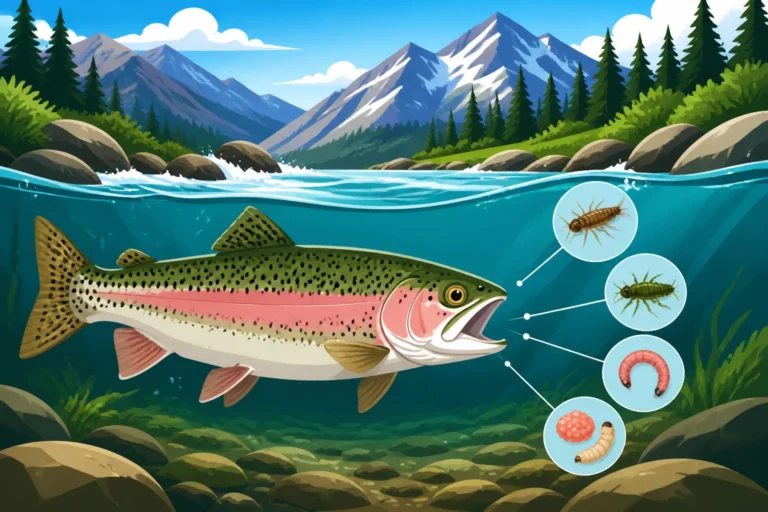
If you’ve spent any time exploring Colorado, you know how dramatically the landscape can change from the Eastern Plains to the peaks of the Rocky Mountains. These geographical differences directly translate to the types of fish that can thrive in a given water body. Water temperature is perhaps the most critical factor. Coldwater species, which primarily include various trout and salmon like Colorado's Trout Species, A Field Guide or Kokanee Salmon Fishing in Colorado, require cool, well-oxygenated water year-round. This is why you'll find them in high-elevation lakes fed by snowmelt, or in tailwater fisheries below large dams where cold water is released.
Conversely, warmwater species such as largemouth bass, channel catfish, or walleye prefer warmer, often shallower water found in lower-elevation reservoirs and ponds, particularly on the Eastern Plains or parts of the Front Range. Factors like elevation directly influence water temperature; a lake at 10,000 feet will naturally be much colder than a reservoir at 5,000 feet. Beyond temperature, CPW considers habitat suitability. Do the depths of a reservoir provide sufficient thermal refuge for lake trout in summer? Are there enough rocky outcrops for smallmouth bass to spawn? Is there ample vegetation for young fish to hide from predators? All these elements—water chemistry, depth, structure, and available forage—are meticulously evaluated to ensure that any stocked fish have the best possible chance not just to survive, but to flourish and provide excellent angling opportunities.
Here’s a simplified breakdown of general needs:
| Factor | Coldwater Species (Trout, Salmon) | Warmwater Species (Bass, Walleye, Catfish) |
|---|---|---|
| Ideal Temperature | Typically below 65°F (18°C) | Typically above 65°F (18°C), some up to 85°F (29°C) |
| Oxygen Levels | High | Moderate to high |
| Preferred Habitat | Clear, flowing rivers; deep, cold lakes/reservoirs | Shallow lakes, ponds, slow-moving rivers; abundant vegetation/structure |
| Elevation | Higher elevations (mountains, foothills) | Lower elevations (plains, lower foothills) |
| Forage | Insects, smaller fish, crustaceans | Smaller fish, insects, crustaceans, other invertebrates |
Native vs. Non-Native Species: A Delicate Dance
As anglers, we often just want to catch fish, and it’s easy to overlook the complex history of fish populations in Colorado. The truth is, many of the fish we enjoy catching today weren't originally here. Understanding the distinction between native and non-native species is critical to appreciating CPW's stocking strategies, especially when it comes to conservation. It’s a tricky balance between recreational fishing and ecological responsibility.
Prioritizing Colorado's Precious Native Trout
Colorado is home to three subspecies of native cutthroat trout: the Greenback, Colorado River, and Rio Grande cutthroat. These fish are a vital part of the state's natural heritage, and their conservation is a top priority for CPW. Unfortunately, decades of habitat loss, competition from non-native species, and interbreeding with rainbow trout (creating "cutbows") pushed many native populations to the brink. This is where stocking decisions become immensely important. CPW actively works on projects aimed at Greenback Cutthroat Trout Recovery in Colorado, restocking these pure strains into their historic ranges, often in remote, pristine headwater streams. These areas are typically managed as catch-and-release only, and sometimes require barbless hooks, to minimize stress on the fragile populations.
When CPW stocks native cutthroat, they choose specific waters that have been carefully assessed and often cleared of non-native trout to prevent interbreeding and competition. It's a painstaking process, but essential for preserving these unique fish for future generations. For example, efforts to restore Rio Grande Cutthroat Trout in the San Luis Valley or Colorado River Cutthroat Trout, Where to Find Them involve careful genetic analysis and selective stocking to ensure the integrity of the subspecies. This means that while you might find excellent fishing for stocked rainbow trout in a popular reservoir, you'll encounter a very different, more conservation-focused approach in designated native trout recovery waters, where special regulations like those described in Catch-and-Release Rules on Colorado's Cutthroat Waters are often in effect. It's a clear demonstration that not all stocking is about increasing immediate catch rates; sometimes, it's about repairing historical damage and protecting what makes Colorado truly special.
Stocking for Recreation and Management
While native fish conservation is paramount, the reality is that many anglers come to Colorado to catch non-native species like rainbow trout, brown trout, or warmwater fish. These species are often more resilient, grow faster, and can tolerate a wider range of conditions, making them ideal for high-pressure recreational fisheries. CPW uses its extensive hatchery system to produce millions of Rainbow Trout in Colorado, Where They're Stocked each year, along with kokanee salmon, walleye, bass, and catfish, to meet this demand. This "put-and-take" stocking model ensures that popular fishing spots, especially near urban centers or in heavily fished reservoirs, remain productive even when natural reproduction can't keep up.
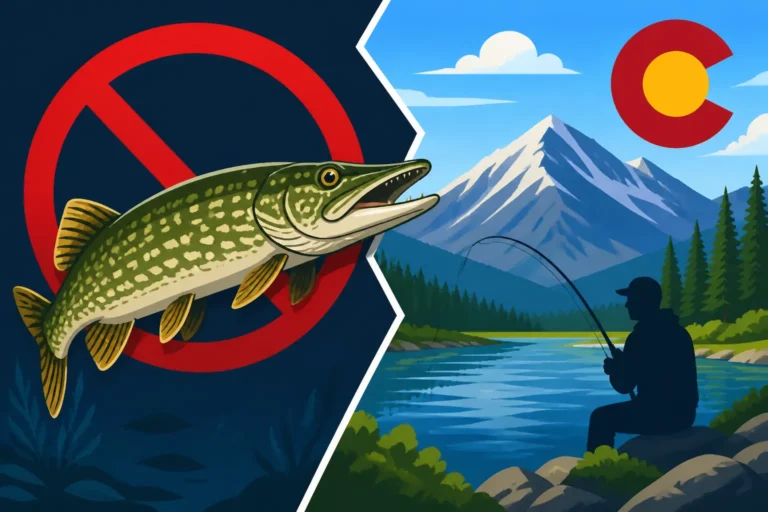
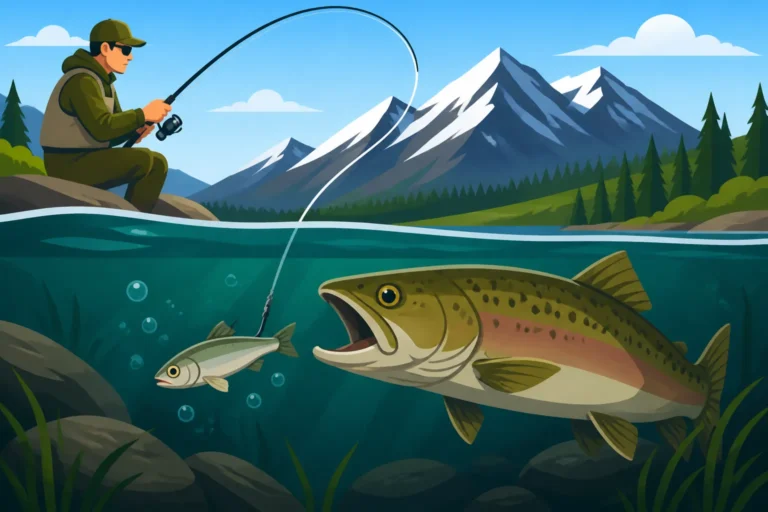
Beyond simply providing more fish for anglers, stocking also serves critical management functions. In some cases, fish are stocked to control populations of other species. For instance, northern pike are an introduced species that can have a significant negative impact on native fish and even trout populations in certain waters. CPW sometimes stocks other predator fish or actively removes pike as part of management plans, as detailed in Why Colorado Culls Pike From Some Waters, to maintain ecological balance. Stocking can also be used to introduce sterile hybrid fish, like tiger trout or splake, which grow quickly and provide exciting angling but can't reproduce, thus preventing them from establishing self-sustaining populations that might compete with native fish. This careful use of specific types of fish, sometimes What a Triploid Trout Is and Why It Matters, allows CPW to manage ecosystems more precisely and provide diverse fishing experiences without compromising long-term conservation goals.
The Practicalities of Stocking: Hatcheries and Logistics
It's easy to think of fish just magically appearing in our favorite fishing spots, but the journey from egg to angler's creel is a marvel of dedicated effort, scientific precision, and logistical planning. CPW's stocking program is a massive operation, driven by a commitment to both conservation and recreation. It's not just about deciding which species go where, but also how they get there.
The Role of Colorado's Hatchery System
Colorado Parks and Wildlife operates a sophisticated network of fish hatcheries across the state. These facilities are the unsung heroes of Colorado fishing, responsible for raising the vast majority of the fish that are stocked into our rivers and lakes. From the tiniest eggs, kept in carefully controlled environments, to fingerlings and catchable-sized trout, these hatcheries nurture millions of fish annually. They specialize in different species; some focus on coldwater fish like rainbow, brook, and brown trout, as well as kokanee salmon, while others are geared towards warmwater species like walleye, bass, and channel catfish.
The process involves more than just feeding fish. Hatchery staff are experts in aquaculture, managing water quality, disease prevention, and genetic diversity. They meticulously monitor growth rates and health to ensure that when the fish are ready for stocking, they are robust and healthy, giving them the best chance of survival in their new environment. This constant, year-round effort is crucial to maintaining the abundant fishing opportunities we enjoy in Colorado. Without these dedicated hatcheries and the passionate people who work in them, many of our favorite fishing spots simply wouldn't be able to sustain the angling pressure they receive.
Distribution Challenges and Local Considerations
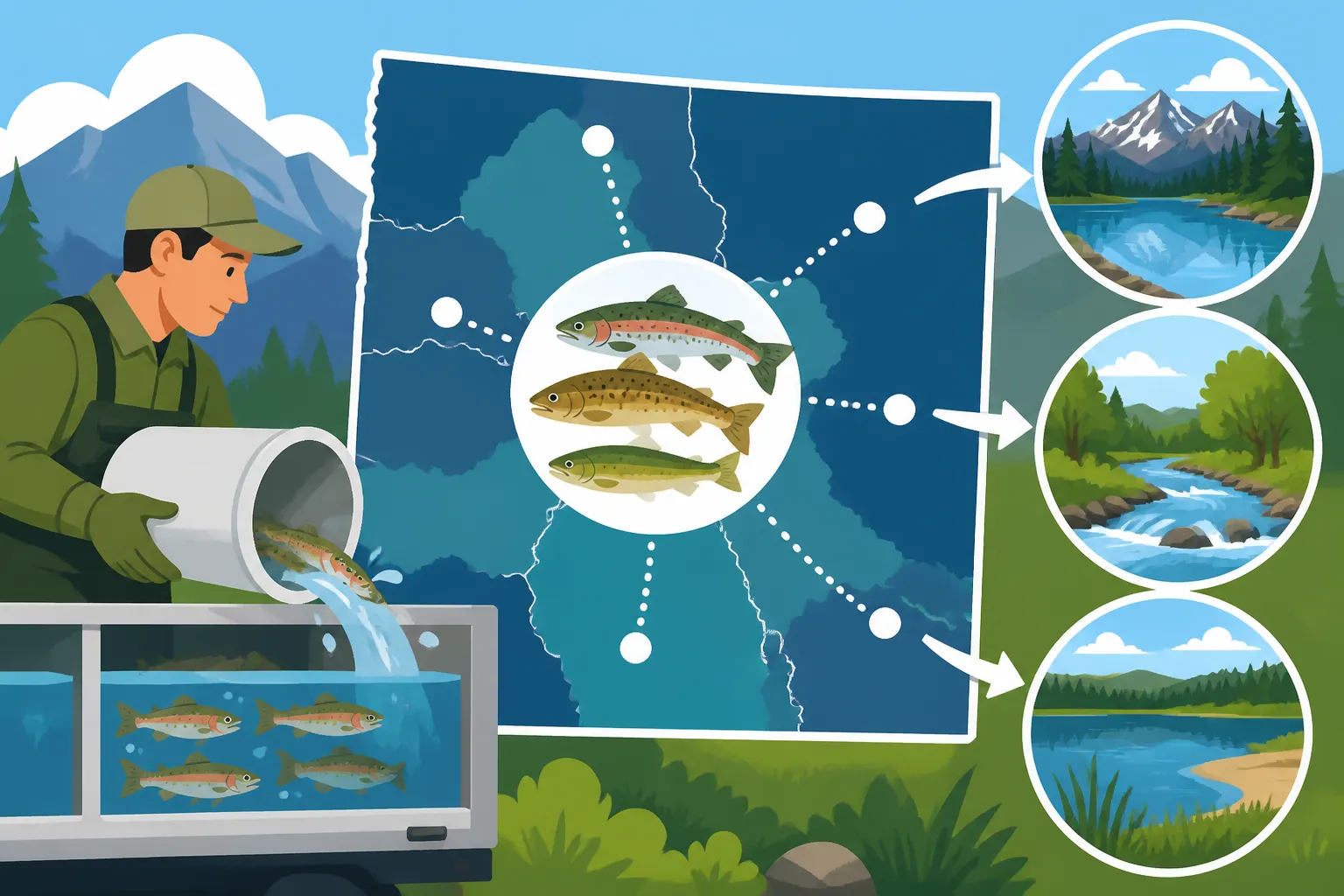
Once the fish are grown to a suitable size, the next challenge is getting them to their designated waters. This is where logistics become truly fascinating. For easily accessible lakes and reservoirs, fish are often transported in specialized trucks equipped with aerated tanks. These trucks are a common sight during stocking season, pulling up to boat ramps and quietly releasing thousands of fish. You can often track these stocking efforts by checking the Reading Colorado's Weekly Stocking Report that CPW publishes.
However, many of Colorado's most pristine and popular fishing locations are high-country lakes, tucked away in the wilderness, inaccessible by road. For these remote waters, CPW employs a truly remarkable method: aerial stocking. Small planes, often flying low, release thousands of tiny fingerlings from their bellies, showering them into the lakes below. It’s an incredible sight and an efficient way to stock waters that would otherwise be impossible to reach. When considering local specifics, CPW also takes into account public access points, the size of the water body, its usage (e.g., if it's part of Colorado's Gold Medal Waters Explained), and specific local management goals set by district wildlife managers. All these factors contribute to the complex dance of getting the right fish, to the right place, at the right time.
Understanding Stocking Reports and What It Means for You
As anglers, we often want to know when and where the fish are biting, and a big part of that equation can be understanding stocking patterns. Knowing how Colorado decides which species to stock where is one thing, but knowing when they do it can give you a real edge. It’s like having a secret roadmap to better fishing, and it also lets you see the hard work CPW puts in.
Deciphering the "Who, What, Where, and When"
Colorado Parks and Wildlife does an excellent job of keeping the public informed about their stocking activities. They provide regular stocking reports, which can be an invaluable tool for planning your next fishing trip. These reports typically detail the species, number, size, and specific location of fish stocked, along with the date. For instance, you might see that "5,000 10-inch rainbow trout" were stocked in "Chatfield Reservoir" on a certain week. This kind of information is gold! If you're looking for Rainbow Trout in Colorado, Where They're Stocked, the reports tell you exactly where CPW is putting them.
Learning to read these reports allows you to target freshly stocked waters, which can often lead to some of the most consistent action, especially for species like rainbow trout. It also helps you prepare. If you know a particular lake is about to receive a large stocking of kokanee salmon, you might want to review your gear for that species, perhaps picking up some new lures or a specialized rod and reel setup from Amazon, ensuring you're ready when the fish arrive. Beyond the weekly reports, resources like the Colorado Fishing Atlas Shows You offer detailed maps and information about specific water bodies, including typical stocking patterns, regulations, and access points. This combined knowledge of "who, what, where, and when" transforms stocking reports from simple data into powerful planning tools.
How Anglers Influence Future Stocking Decisions
It might feel like the state's stocking program is a top-down operation, with all the decisions made by biologists and managers. But the truth is, angler input plays a significant role in shaping these strategies. CPW values feedback from the angling community because you're the ones out on the water, experiencing the results of their efforts firsthand. How do you influence things? Primarily through participation and communication.
Purchasing a Colorado Fishing License Guide for Residents and Nonresidents and a Colorado's Habitat Stamp, Explained directly contributes to the funding that supports these stocking programs. Beyond that, CPW conducts angler surveys, holds public meetings, and encourages direct communication through their offices. If a particular water body isn't meeting angler expectations, or if there's strong interest in establishing a new fishery for a specific species, that feedback is heard. For example, if many anglers express a desire for more consistent warmwater fishing in a certain region, CPW might explore suitable waters for stocking walleye or bass. Conversely, if there are concerns about overfishing or the health of a native population, angler observations can prompt changes in stocking intensity or even regulatory adjustments. Staying informed about Colorado Fishing Regulations Every Angler Should Know and actively engaging with CPW is key to ensuring your voice is heard and that Colorado's incredible fishing legacy continues to thrive, supported by smart, responsive stocking decisions. It also helps you pick the right gear from Amazon, knowing what to expect on the water.
Disclaimer
This article is for general informational purposes only and does not constitute professional advice. Laws, prices and regulations vary by location and change over time. Consult a qualified professional for guidance on your specific situation.