Is Lake Trout Good to Eat?
It's a question that sparks lively debate among anglers across Colorado: "Is lake trout good to eat?" You've likely heard everything from "They're delicious!" to "Too fishy and greasy!" The truth, like most things in the culinary world, isn't quite so black and white. Many anglers find themselves disappointed after catching a massive lake trout, only to find its flesh less appealing than a feisty rainbow. But don't despair! With the right knowledge and handling, Colorado lake trout can absolutely be a fantastic meal. This guide will help you understand the nuances of lake trout, how to prepare them for optimal flavor, and where to find the best-eating ones in our beautiful state.
Understanding Colorado Lake Trout: Not All Lakers Are Created Equal
The term "lake trout" might conjure up images of massive, prehistoric-looking fish lurking in the cold depths of our reservoirs. While they certainly can grow to impressive sizes, not every laker you pull from the water will offer the same dining experience. Their flavor and texture are heavily influenced by factors like size, age, and what they've been feasting on.
The Influence of Size and Age on Flavor
Here's the golden rule for eating Colorado lake trout: smaller is often better for the plate. Young, actively growing lake trout, generally those under 20 inches, tend to have a milder, firmer, and less oily flesh. Think of it like comparing a lean, young steer to an older, fattier animal – the younger one often has a more delicate flavor.
Larger, older lake trout, while thrilling to catch, can develop a stronger, more "fishy" taste. This is largely due to the accumulation of fat as they age, which can store more of the compounds that contribute to that distinct flavor. Many anglers who swear off eating lake trout have likely only tried a huge, mature specimen, not realizing the smaller ones are truly prime for the pan. If you're targeting big trophy fish, you might want to consider How to Handle Trout for a Safe Release for those giants, and focus on keeping smaller, "eater" size fish.
Diet and Water Conditions: What Your Fish Has Been Eating
Just like "you are what you eat," a fish's diet significantly influences its flavor profile. Colorado lake trout are opportunistic predators, and what they've been munching on can definitely come through on your dinner plate.
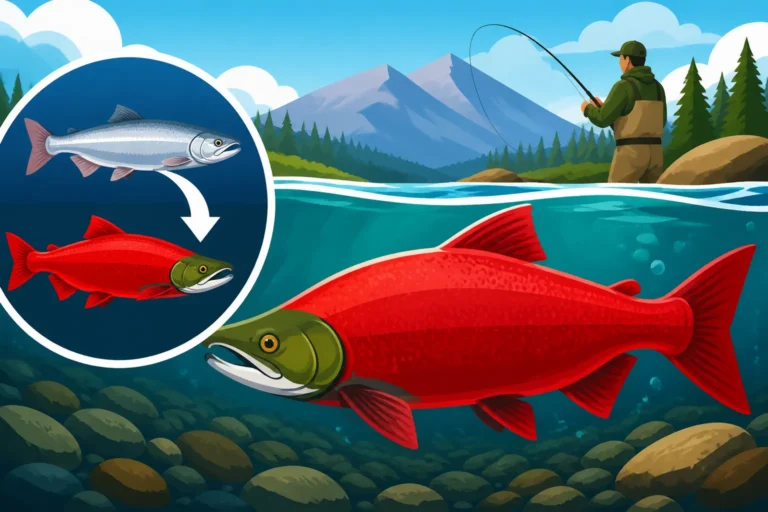
For instance, lake trout in waters rich with kokanee salmon often have a beautiful orange-red flesh, similar to salmon, and a rich, appealing flavor. This is because kokanee are high in carotenoids, which are deposited in the laker's muscle tissue. You might find this in reservoirs like Blue Mesa, where kokanee are a primary food source. Conversely, lake trout that primarily feed on bottom-dwelling invertebrates or smaller, less fatty fish might have a paler, less flavorful flesh.
Colorado is blessed with abundant cold, clean mountain waters, which generally means our fish taste fresh. Stagnant or warmer water conditions, which are rare for the deep-dwelling lake trout, can sometimes contribute to off-flavors. But for the most part, if you're catching a laker from a deep, clear Colorado reservoir, the water quality is usually working in your favor. Knowing where these fish are found is half the battle, and resources like What Colorado's Fishing Atlas Shows You can be invaluable.
Preparing Lake Trout for the Table: Maximizing Flavor and Texture
So, you've landed a beautiful, prime-eating-sized lake trout from a clear Colorado lake. Now what? The way you handle and prepare your catch immediately after it leaves the water, and then in the kitchen, makes a monumental difference in its table quality. Many of the complaints about lake trout being "greasy" or "fishy" can be directly traced back to improper handling.
Immediate Care After the Catch: Bleeding and Icing
This step is arguably the most crucial for good-tasting fish. When a fish struggles and dies slowly, stress hormones and lactic acid build up in its muscles. This, along with blood left in the flesh, can contribute to a strong, undesirable flavor and softer texture.
Here’s how to do it right:
- Bleed Immediately: As soon as you catch a fish you intend to keep, cut across the gills or sever the artery just behind the pectoral fins. This allows the heart to pump out most of the blood. You'll see a rush of blood, which is exactly what you want. Let the fish bleed out in a bucket of water or over the side of the boat for a few minutes.
- Ice Thoroughly: After bleeding, get that fish on ice, and I mean good ice. Not just a few cubes in a cooler, but a slushy mixture of ice and water that completely submerges the fish or at least keeps it well-covered. The colder the better. This rapidly chills the fish, stopping bacterial growth and preserving the firm texture of the meat. A good quality cooler is a worthwhile investment, and you can find excellent options on Amazon.
Neglecting these steps can lead to a soft, mushy, and noticeably "fishy" fillet, no matter how great the fish was to begin with. It's frustrating to catch a legal fish only to have it spoil on the way home, so make proper care a priority.
Filleting and Trimming for Optimal Results
Once your lake trout is properly chilled, it's time for filleting. This is where you can further enhance its taste. Lake trout, especially larger ones, have a distinct dark red strip of meat along the lateral line and often layers of fat. These areas can hold stronger flavors.
- Remove the Dark Meat: As you fillet, pay attention to the dark red strip of meat that runs down the middle of each fillet. Take a sharp knife and trim this section out. It's often the strongest-flavored part.
- Trim Excess Fat: Larger lake trout can have noticeable layers of fat, particularly around the belly. Carefully trim these fatty areas away. This is key to reducing any greasy mouthfeel.
- Skin Removal: While you can cook trout with the skin on, removing it, especially on larger lake trout, can further reduce stronger flavors. The skin itself can contain fat and contribute to a more intense taste. A quality filleting knife makes this process much easier, and there are many great choices available on Amazon.
- Pin Boning: Run your fingers over the fillet to feel for any small pin bones. These can be removed with a pair of needle-nose pliers or special fish tweezers.
By taking these extra steps in trimming, you're essentially customizing your fillet to be as mild and palatable as possible.
Cooking Methods to Bring Out the Best
Lake trout is a versatile fish in the kitchen, and different cooking methods can highlight its strengths. Given its sometimes richer flavor and higher fat content (especially in larger specimens), methods that either enhance this richness or help to render out some of the fat are often best.
Here are a few popular ways to cook Colorado lake trout:
- Smoking: This is hands-down one of the best ways to prepare lake trout, particularly the larger, fattier ones. The smoke penetrates the fish, giving it an incredible flavor, and the fat helps keep it moist while absorbing the smoky goodness. A good brine beforehand is essential. You can find various types of wood chips and smoking accessories on Amazon to experiment with different flavor profiles.
- Baking or Roasting: A simple baked fillet with lemon, herbs (dill and parsley are excellent), and a touch of white wine can be incredibly delicious. The gentle heat cooks the fish evenly without drying it out. Place the trimmed fillets on a baking sheet, season, and bake until flaky.
- Grilling: For a beautiful char and smoky flavor, grilling is fantastic. Use a grilling basket for smaller fillets or place larger, skin-on fillets directly on a well-oiled grill. A marinade with citrus and a little acid can do wonders to brighten the flavor.
- Pan-Frying: Smaller, leaner fillets are excellent pan-fried. A light breading or dredge in seasoned flour creates a crispy exterior while keeping the inside moist. Just be mindful not to overcook.
Consider robust seasonings and marinades that complement the fish's natural richness without overpowering it. Lemon, garlic, dill, paprika, and a good olive oil are your friends here.
Lake Trout vs. Other Colorado Fish: A Taste Comparison
When you're comparing the eating qualities of different fish, it's all about personal preference, but there are some general characteristics that distinguish lake trout from other popular Colorado species.
How Lake Trout Compares to Rainbows and Browns
Most anglers have a baseline for "trout taste" established by rainbow trout, which are widely stocked and known for their mild, delicate flavor and flaky, white flesh. Brown trout can have a slightly richer, sometimes earthier flavor, especially larger, wild stream-caught browns, but they generally also have a relatively white, firm flesh.
Lake trout, particularly the smaller ones, often fall somewhere between a rainbow and a salmon in terms of flavor and texture. Their flesh can be firmer than a rainbow's and, as mentioned, can range from pale pink to a vibrant orange depending on diet. The flavor tends to be richer and can be more intense than a rainbow, but usually less "fishy" than a large, unbled brown trout.
Here's a quick comparison:
| Fish Species | Typical Flavor Profile | Texture | Ideal Cooking Method(s) |
|---|---|---|---|
| Rainbow Trout | Mild, delicate | Flaky, tender | Pan-fry, bake, grill, smoke |
| Brown Trout | Mild to earthy, rich | Firm, flaky | Pan-fry, bake, grill, smoke |
| Lake Trout (Small) | Mild to rich, subtly "fishy" | Firm, moist | Bake, grill, pan-fry, smoke |
| Lake Trout (Large) | Rich, more pronounced "fishy" | Firm, can be oily | Smoking (highly recommended), baking (with trimming) |
| Kokanee Salmon | Rich, salmon-like | Firm, flaky, oily | Bake, grill, smoke (excellent) |
Why Some Anglers Prefer to Release Larger Lake Trout
Many dedicated lake trout anglers in Colorado have adopted a "trophy release, eater keep" mentality. There are several good reasons for this:
- Culinary Quality: As discussed, smaller lake trout generally offer a superior eating experience. The massive lakers are often past their prime for the table, with fattier, stronger-tasting meat.
- Ecological Balance: Big, mature lake trout are crucial for a healthy fishery. They are often the primary spawners and help maintain the population. Releasing these giants allows them to continue their important role in the ecosystem. This aligns with many Colorado Fishing Regulations Every Angler Should Know.
- Conservation: In some waters, lake trout can become overpopulated and outcompete other species, particularly native cutthroat trout. In such cases, wildlife agencies might encourage anglers to keep more of the smaller lake trout to help balance the ecosystem. For example, understanding Colorado Bag and Possession Limits by Species can guide you on what to keep.
So, while that giant laker on the end of your line is an incredible achievement, don't feel obligated to eat it if your goal is the best possible meal. A photo and a careful release might be the most rewarding outcome for both you and the fish. Consider the thrill of Lake Trout Fishing in Colorado as its own reward, even without dinner.
Where to Find the Best-Eating Lake Trout in Colorado
Colorado boasts some phenomenal lake trout fisheries, and knowing where to go can increase your chances of not only catching fish but catching the right-sized fish for a delicious meal. The key is often finding waters where there's a healthy population of smaller, aggressively feeding lakers.
Prime Colorado Waters for Smaller, Tastier Lakers
While trophy lake trout are a draw, if your main goal is table fare, focus on reservoirs known for abundant populations where you can catch those delicious 16-24 inchers.
- Blue Mesa Reservoir: This is probably the most famous lake trout fishery in Colorado and an excellent place to target eating-sized fish. Blue Mesa is vast, deep, and holds a massive population of lake trout that readily feed on kokanee salmon. This diet contributes to their firm, flavorful, and often reddish flesh. Anglers frequently have success here with various techniques, including Trolling Techniques for Colorado Reservoirs and Jigging for Lake Trout Through the Ice during winter. Fishing Blue Mesa Reservoir for Lake Trout dives deeper into this amazing spot.
- Granby Lake: Another expansive body of water that produces good numbers of lake trout. While it also holds big fish, there are plenty of smaller ones to be found.
- Twin Lakes: These beautiful lakes near Leadville are known for their lake trout populations, offering clear, cold water that contributes to good fish quality.
- Eleven Mile Reservoir: While often known for its rainbow trout, Eleven Mile also harbors lake trout, and you can find good eating-sized fish here, particularly in deeper areas.
When planning your trip, remember to check current regulations. You'll definitely need a Colorado Fishing License Guide for Residents and Nonresidents before you head out, and a valid license is often required for any angler over the age of 16.
Understanding Bag and Possession Limits for Lake Trout
Colorado Parks and Wildlife (CPW) implements specific bag and possession limits for various fish species, including lake trout. These limits are designed to manage fish populations, prevent overharvest, and ensure sustainable fishing for everyone.
Sometimes, CPW actually encourages anglers to keep more smaller lake trout in certain reservoirs where their populations are robust and could benefit from some thinning to reduce competition for forage. This directly benefits the angler seeking table fare, as these are often the best-tasting fish!
Always consult the most recent Colorado Fishing Regulations brochure or the CPW website before you go. The regulations can vary by specific body of water, so what's legal at Blue Mesa might be different from Eleven Mile. Being aware of Colorado Bag and Possession Limits by Species is crucial to avoid any unpleasant surprises with a game warden. These regulations are in place for a good reason – to keep Colorado fishing fantastic for generations to come.
So, next time someone asks you if lake trout are good to eat, you can confidently tell them "absolutely!" With the right size selection and careful handling, these majestic fish can provide some truly delicious meals from Colorado's pristine waters. Happy fishing and bon appétit!
Disclaimer
This article is for general informational purposes only and does not constitute professional advice. Laws, prices and regulations vary by location and change over time. Consult a qualified professional for guidance on your specific situation.