Charter Boats for Lake Trout at Blue Mesa
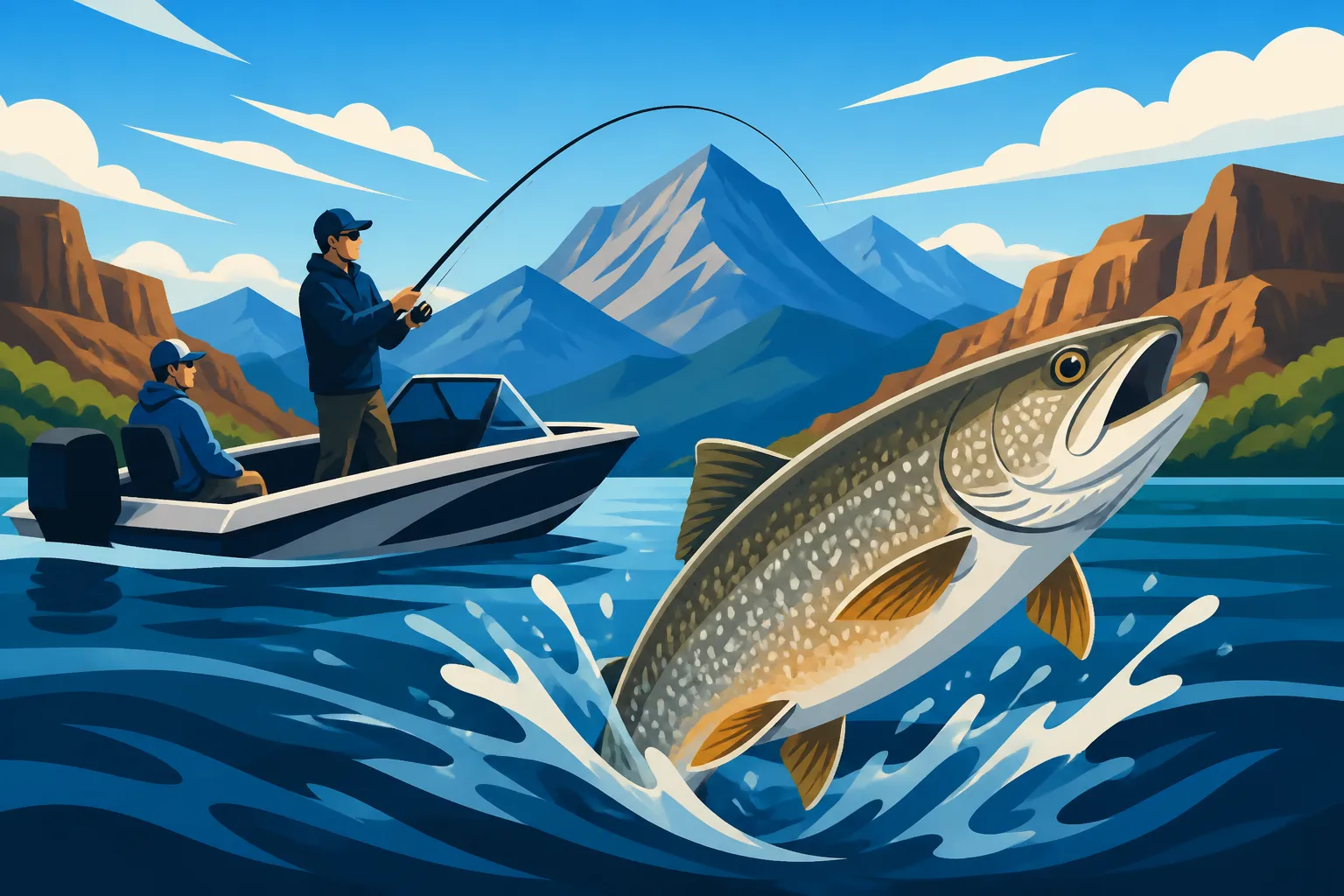
There's nothing quite like the thrill of feeling that deep, thumping pull on your line, signaling a massive Lake Trout has taken your offering in the cold, clear waters of Colorado. For many anglers, the immense expanse of Blue Mesa Reservoir represents the ultimate challenge and reward for these powerful fish, but its sheer size and depth can feel overwhelming. This comprehensive guide will walk you through everything you need to know about chartering a boat specifically for Lake Trout on Blue Mesa, helping you navigate these waters and increase your chances of landing that trophy fish.
Why Blue Mesa Reservoir is a Premier Lake Trout Destination
Blue Mesa Reservoir, nestled in the Gunnison National Forest, isn't just Colorado's largest body of water; it's a true gem for serious anglers, especially those chasing after the elusive and powerful Lake Trout. Its unique characteristics make it a standout location.
The Deep Waters of Blue Mesa
The sheer depth of Blue Mesa Reservoir is a primary reason it harbors such a thriving Lake Trout population. These fish thrive in cold, oxygen-rich environments, and Blue Mesa offers countless deep pockets, submerged structures, and steep drop-offs that mimic their ideal natural habitat. The reservoir plunges hundreds of feet in places, creating a vast underwater world for these apex predators to roam. This deep-water environment means Lake Trout can escape the warmer surface temperatures during the peak of summer, constantly seeking out their preferred thermal comfort zones. Understanding this vertical migration is key to successful fishing, and it's a major reason why experienced guides are so valuable here.
Navigating these deep waters effectively requires specialized knowledge and equipment, which is precisely why chartering a boat is often the best approach. Imagine trying to find a needle in a haystack – that's what targeting Lake Trout in Blue Mesa can feel like without the right tools and local insight. A good guide knows the contours of the lake, the underwater currents, and where these fish are likely to be holding at different times of the year and even different times of the day. Without this expertise, you might spend your entire trip simply enjoying the scenery rather than feeling the fight of a big laker.
The constant flow from the Gunnison River into Blue Mesa also contributes to its rich ecosystem, providing a steady supply of nutrients and baitfish that support a robust Lake Trout population. This nutrient flow, combined with the extensive deep-water habitat, creates a perfect storm for growing large, healthy fish that are a challenge and a joy to catch. It’s not just a big lake; it’s a big, complex, and highly productive fishery.
Trophy Lake Trout Potential
Blue Mesa Reservoir is renowned for its potential to produce truly enormous Lake Trout, often referred to as "Mackinaw" in these parts. The nutrient-rich environment and abundant forage base, including other fish species like Kokanee Salmon, allow these trout to grow to impressive sizes. It’s not uncommon for anglers here to hook into fish weighing well over twenty pounds, and every season brings reports of even larger specimens. This possibility of catching a true trophy is a huge draw for many anglers.
The quest for a state record-sized Lake Trout often brings dedicated anglers to Blue Mesa. While there's no guarantee, the potential is undeniably present, making every strike a heart-pounding moment. These fish are powerful fighters, making long runs and deep dives, which adds to the excitement and challenge. Landing one of these giants is not just about size; it's about the pure strength and endurance required to bring it to the boat. If you're chasing truly large fish, understanding Colorado's State Record Lake Trout can give you an idea of the caliber of fish swimming in these waters.
Furthermore, the size of Blue Mesa's Lake Trout isn't just about bragging rights. These larger fish are often older, wiser, and more elusive, making the experience of catching one all the more rewarding. It's a testament to patience, skill, and the knowledge of the guides who spend countless hours deciphering the patterns of these magnificent creatures. For many, the chance to battle such a formidable opponent is the very reason they travel to this iconic Colorado fishery.
The Role of Charter Guides
Successfully targeting Lake Trout on a body of water as vast and complex as Blue Mesa Reservoir can be incredibly challenging for the uninitiated. This is where charter guides become invaluable. They possess intimate knowledge of the lake's ever-changing conditions, the seasonal movements of Lake Trout, and the most effective techniques for coaxing a bite. A good guide doesn't just drive the boat; they are a fishing strategist, a technician, and an educator all rolled into one. They know precisely where to go, what bait or lure to use, and at what depth, dramatically increasing your chances of success.
Moreover, charter guides come equipped with all the necessary specialized gear that most recreational anglers simply don't own. We're talking about heavy-duty rods and reels, sophisticated sonar and depth finders, and, most importantly, downriggers for precise depth control, which is absolutely critical for targeting deep-dwelling Lake Trout. They also have an arsenal of proven lures and baits, saving you the expense and guesswork of stocking up on gear that might not even work. This complete package allows you to focus purely on the fishing experience rather than worrying about logistics or equipment. If you're considering a trip, learning about Hiring a Fishing Guide in Colorado, What to Expect can give you a broader understanding of what to anticipate.
Ultimately, a Lake Trout charter on Blue Mesa is an investment in a high-quality fishing experience. It's not just about catching fish, though that's certainly the goal; it's about learning from an expert, experiencing the lake from a professional perspective, and increasing your odds of landing that fish of a lifetime. Guides can help you understand the nuances of the ecosystem and even teach you techniques you can apply to your own fishing adventures in the future. They transform a potentially frustrating endeavor into an efficient and exciting one.
What to Expect on a Blue Mesa Lake Trout Charter
When you book a charter for Lake Trout on Blue Mesa, you're not just paying for a boat ride; you're investing in an entire experience designed to put you on fish. Knowing what to expect can help you prepare and get the most out of your trip.
Standard Trip Inclusions
Most Lake Trout charters on Blue Mesa are quite comprehensive in what they offer. Typically, your trip will include a fully equipped boat, usually a comfortable and stable vessel designed for big-lake fishing. The guide will provide all the necessary fishing gear, which means high-quality rods, reels, and specialized tackle specifically suited for battling powerful Lake Trout in deep water. This saves you the hassle and expense of transporting your own heavy gear or buying new equipment. You won't have to worry about whether your line is strong enough or your reel has enough drag.
Beyond the core fishing equipment, guides often supply bait and lures, which are crucial for success. They'll have a selection of their tried-and-true presentations, chosen based on current lake conditions and what the fish have been biting on. Many charters also include bottled water or soft drinks, and some even provide snacks or a packed lunch, especially for full-day trips. However, it's always a good idea to confirm these specifics when booking. What's often not included is your Colorado Fishing License Guide for Residents and Nonresidents and a Colorado's Habitat Stamp, Explained, which you'll need to purchase beforehand.
The real value in these inclusions isn't just the physical items, but the peace of mind they offer. You don't have to stress about forgetting something critical or bringing the wrong type of lure. The guide handles all the logistical heavy lifting, allowing you to relax, enjoy the stunning scenery of the Gunnison National Forest, and focus entirely on the anticipation of a bite. It's a truly turn-key fishing adventure.
The Role of Your Guide
Your charter guide on Blue Mesa plays multiple critical roles, far beyond simply driving the boat. First and foremost, they are your expert navigator and fish finder. With years of experience on these waters, they know the specific areas where Lake Trout congregate, whether it's over submerged humps, along old river channels, or near steep canyon walls. They use advanced electronics, like powerful depth finders and side-scanning sonar, to locate fish and structure, interpreting the subtle readings that would be meaningless to most recreational anglers.
Secondly, your guide is your fishing coach and mentor. They'll explain the techniques being used, whether it's trolling with downriggers or jigging deep structure. They’ll teach you how to properly set the hook, how to fight a heavy Lake Trout without breaking your line, and how to safely land and handle the fish, especially if you plan to practice catch and release. This educational aspect is a huge benefit, as you’ll likely walk away with new skills and a deeper understanding of Lake Trout behavior. If you are interested in similar techniques, you might also find Trolling for Kokanee Salmon in Colorado helpful, as there's often overlap.
Lastly, your guide is there to ensure your safety and enjoyment. They're trained in boat operation, first aid, and navigating various weather conditions that can arise quickly on a large mountain reservoir. They'll make sure you're comfortable, well-fed (if lunch is provided), and having a memorable time, regardless of how many fish are caught. Their goal is for you to have a positive and successful experience, tailored to your skill level and preferences.
Typical Trip Duration and Structure
Lake Trout charters on Blue Mesa typically come in two main durations: half-day and full-day trips. Half-day excursions generally last around four to five hours, while full-day trips extend for eight hours or more. The choice often depends on your budget, stamina, and how intensely you want to fish. Full-day trips naturally offer more time on the water, increasing your chances of finding and catching larger numbers of fish, or allowing for a more patient pursuit of a trophy.
The structure of the trip usually involves meeting your guide at an agreed-upon boat ramp, often Elk Creek Marina or Lake Fork Marina, early in the morning. After a brief safety overview and discussion of the day's plan, you'll head out onto the vast reservoir. Most of the time will be spent actively fishing, moving between different spots if the bite slows down in one area. The guide will constantly monitor the sonar, adjust depths, and change lures as needed to entice strikes.
Breaks for snacks or lunch (on full-day trips) will be built into the schedule, providing a chance to rest and soak in the breathtaking Colorado scenery. It's common for guides to have a cooler on board for your drinks and any fish you decide to keep within legal limits. By the end of the trip, you'll return to the marina, often with a fresh appreciation for the power of Blue Mesa's Lake Trout and the skill required to pursue them.
Essential Techniques and Gear for Lake Trout on a Charter
Lake Trout are deep-dwelling, powerful fish that require specialized techniques and robust gear to target effectively, especially on a vast body of water like Blue Mesa. Charter guides excel because they master these methods and have the right tools.
Trolling with Downriggers
Trolling is perhaps the most common and effective technique used by charter boats for Lake Trout on Blue Mesa. The key to successful trolling for these deep-water fish is precision depth control, which is where downriggers come in. A downrigger is a specialized piece of equipment that allows you to present your lure at a very specific, consistent depth, often hundreds of feet below the surface. A heavy weight (cannonball) is deployed on a steel cable, and your fishing line, attached to a release clip, runs down to that weight. When a fish strikes, your line pops free from the clip, allowing you to fight the fish directly on your rod. Understanding What Downrigger Gear a Blue Mesa Charter Provides can help you appreciate the investment your guide makes.
The guide will typically set up multiple lines at different depths, often varying by just a few feet, to find the exact zone where the Lake Trout are actively feeding. This vertical "spread" increases the chances of intercepting fish that might be holding in a narrow temperature or oxygen band. They'll meticulously select lures such as large spoons, plugs, or even baitfish imitations, choosing colors and sizes that mimic the natural forage in Blue Mesa, like Kokanee Salmon or smaller trout. The speed of the boat is also critical, and your guide will constantly adjust it to give the lures the most enticing action.
One of the nuances of downrigger trolling is reacting to changes in the lake. If the sonar shows fish at a certain depth, the guide will quickly adjust the downrigger settings. They're also constantly looking for structure on the bottom, as Lake Trout often relate to underwater humps, ledges, or old river channels. This isn't just about dragging lures; it's a dynamic, calculated approach to deep-water angling. Knowing Best Downrigger Depth for Lake Trout in Summer will give you an idea of how precise this technique needs to be.
Jigging Deep Water Structure
While trolling covers a lot of water, jigging is another highly effective technique, particularly when Lake Trout are concentrated in specific areas or holding tightly to underwater structure. This method involves using heavy jigs, often tipped with a piece of cut bait or a soft plastic, and vertically working them near the bottom or suspended fish. The guide will position the boat directly over promising structure or a marked school of fish, using GPS and a precise trolling motor to maintain position.
Jigging requires a different kind of finesse than trolling, even with heavy gear. The goal is to impart an enticing action to the jig – a lift and fall, a quiver, or a sudden drop – that mimics a wounded baitfish. Lake Trout are predatory and often react aggressively to these erratic movements. Your guide will demonstrate the correct retrieve and often have specific jigs in their tackle box that are proven producers for Blue Mesa. This technique is often employed when searching for a big laker that might be tucked away on a ledge.
Many guides will use live scopes or similar forward-facing sonar to literally watch the fish react to the jig in real-time. This allows them to adjust their presentation instantly, dropping the jig directly in front of a curious fish or changing the action if the fish isn't responding. It's a highly interactive and exciting way to fish, as you can often see the strike unfold on the screen before you feel it on the rod. This precision targeting makes jigging a powerful tool for guides.
Advanced Electronics and Sonar
Modern fishing on a large reservoir like Blue Mesa would be almost impossible without advanced electronics, and charter guides are masters of these tools. Their boats are typically outfitted with top-of-the-line sonar units that can display intricate details of the underwater world. This includes high-definition images of the bottom contour, temperature breaks, thermoclines, and, most importantly, the presence of baitfish schools and individual Lake Trout. These fish finders aren't just for seeing; they're for understanding.
A guide can interpret the "arches" on the screen, distinguish between different species, and even gauge the size of fish based on their returns. They can use side-imaging to scout wide swaths of the lake floor for structure and fish away from the boat, and down-imaging to get a photographic-like view directly beneath the vessel. This technology allows them to efficiently locate prime Lake Trout habitat and pinpoint where the fish are holding, saving valuable fishing time. They know how to read What Colorado's Fishing Atlas Shows You in real-time on the water, but with much more precision.
Beyond fish finding, advanced GPS systems allow guides to mark productive spots with extreme accuracy. If they find a school of fish or a significant piece of structure, they can mark it and return to it later, even if conditions change. They also use GPS-enabled trolling motors with spot-lock features, which automatically hold the boat in a precise location regardless of wind or current. This level of technological integration is a huge advantage that a charter boat offers, turning Blue Mesa from a vast, intimidating expanse into a series of known hotspots.
Choosing the Right Charter Boat and Guide for Lake Trout
Selecting the right charter boat and guide for your Blue Mesa Lake Trout adventure is crucial for a successful and enjoyable trip. Not all guides or boats are created equal, and a little homework can go a long way.
Experience and Specialization
When it comes to Lake Trout on Blue Mesa, experience truly matters. You want a guide who has spent countless hours on this specific lake and who specializes in targeting Lake Trout. Blue Mesa is a unique fishery, and general fishing knowledge won't cut it for these deep-water predators. Look for guides who can talk confidently about the seasonal movements of Lake Trout, their preferred depths, and the specific forage they're targeting at different times of the year. An experienced guide will also have a proven track record, often highlighted by photos of satisfied clients and impressive catches.
A specialized Lake Trout guide will also have the right mindset. They understand the patience often required for these fish, and they're prepared to put in the time and effort to find them. They'll also be knowledgeable about Colorado Fishing Regulations Every Angler Should Know, specifically those pertaining to Lake Trout and Blue Mesa, ensuring you stay within legal limits. Don't be shy about asking questions when you inquire about booking: How long have you guided on Blue Mesa? What's your primary target species? Can you show me some recent catches?
Their specialization also means they're constantly refining their techniques and staying up-to-date on the latest gear and strategies. This dedication translates directly into a higher probability of success for you. They're not just trying to catch any fish; they're focused on helping you land a Blue Mesa Lake Trout, which is a significant difference. Considering Choosing a Colorado Fishing Guide, What to Look For is a great starting point for this decision-making process.
Boat Features and Comfort
The type of boat used for a Lake Trout charter on Blue Mesa is another important consideration. Given the size and potential choppiness of the reservoir, you'll want a stable, well-maintained vessel that can handle the conditions comfortably. Larger, deep-V hulled boats are generally preferred for their ability to cut through waves and provide a smoother ride, especially during windy afternoons. Many guides operate spacious center console or cuddy cabin boats that offer plenty of room for multiple anglers to fish comfortably.
Beyond stability, consider the amenities. While you're not booking a luxury yacht, comfortable seating, ample deck space for moving around, and a clean, organized fishing area are important. Some boats might have enclosed cabins for protection from the elements, which can be a huge bonus on chilly mornings or during unexpected rain showers. Storage space for your personal belongings and a cooler for your drinks and snacks are also nice features to look for.
Finally, the boat should be equipped with all the necessary safety gear, including life jackets, a first-aid kit, and communication devices. While your guide will ensure compliance, it’s always good to observe these details. A well-outfitted, comfortable boat makes a long day of fishing much more enjoyable, especially when you’re spending hours trolling or jigging deep water.
Booking Your Trip
Once you've narrowed down your choice of guides, it's time to book your trip. Most guides and charter services have websites or are listed on online booking platforms. Online booking services like FishingBooker can be a convenient way to browse multiple guides, compare their offerings, read reviews from other anglers, and secure your date. This helps streamline the process and provides a consolidated view of available options and their pricing structures. For more details, refer to Booking a Colorado Fishing Guide Through FishingBooker.
When booking, be clear about your expectations. Are you hoping for a trophy Lake Trout? Do you want to learn specific techniques? Are you bringing kids? Communicating these details upfront allows the guide to tailor the trip to your preferences. You'll typically be required to pay a deposit to hold your date, with the remainder due on the day of the trip. Always clarify cancellation policies, especially regarding weather, as conditions on Blue Mesa can sometimes necessitate rescheduling for safety reasons.
Lastly, don't forget your fishing license and habitat stamp! These are almost always the angler's responsibility and must be purchased before your trip. Your guide can't provide them, and you don't want to get caught without them. A little preparation goes a long way in ensuring a smooth and enjoyable Lake Trout charter experience on Blue Mesa.
Best Seasons for Lake Trout Charter Fishing at Blue Mesa
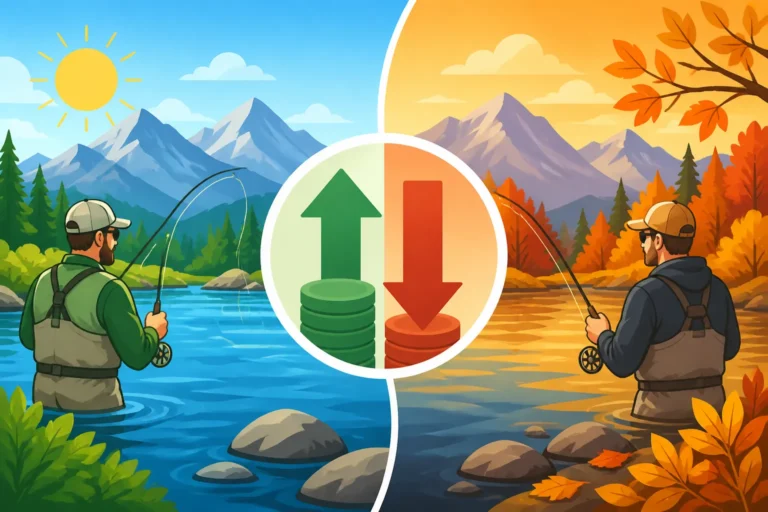
Understanding the seasonal patterns of Lake Trout at Blue Mesa is vital for planning a successful charter trip. These fish respond to water temperature changes, forage availability, and spawning cycles, which means what works in spring might not in summer or fall.
Spring Thaw Opportunities
As the ice recedes from Blue Mesa Reservoir in late spring, usually around April to early May, Lake Trout become more active and can be found in shallower waters than during the deep winter months. This is a fantastic time for a charter, as the fish are often hungry after a long winter and are moving into areas where they can be more accessible. The warming water temperatures signal a feeding frenzy as they replenish energy stores.
During this period, guides might employ a mix of trolling and jigging, but often focus on transitional areas where deep water meets shallower flats or points. The fish might be found in depths ranging from 30 to 80 feet, which feels comparatively "shallow" for Blue Mesa Lake Trout. This can also be a good time to observe active baitfish, such as Kokanee Salmon, which Lake Trout will follow closely. If you're interested in Ice Fishing Blue Mesa Reservoir in Winter, the spring thaw marks a significant transition from winter tactics.
The weather can be a bit unpredictable in spring, with sunny days quickly turning to brisk winds or even snow flurries, so layers are always a good idea. However, the reward for braving the variable conditions can be some truly spectacular Lake Trout fishing. The fish are aggressive, and the opportunity to catch them before they retreat to their deepest summer haunts is something many anglers look forward to.
Summer Deep Water Strategies
Summer fishing for Lake Trout on Blue Mesa is all about going deep. As the surface waters warm, Lake Trout seek the cooler, more oxygenated depths, often retreating to areas well over 100 feet deep, sometimes even 200 feet or more. This is where the power of charter boats with sophisticated electronics and downriggers truly shines, as they are equipped to consistently present lures at these extreme depths. Without these tools, finding and catching Lake Trout in summer would be nearly impossible for most anglers.
Trolling with downriggers is the dominant technique during the summer months. Guides will meticulously work contours, submerged structures, and areas where baitfish are schooling in the thermocline (the layer where warm surface water meets cold deep water). They often use larger, flashier spoons and plugs to attract fish in the dim light of the deep. The battle with a large Lake Trout from these depths is a powerful one, as the fish has a long way to pull against the angler and the water pressure.
While the fish are deep, they are still actively feeding, especially during the early morning and late evening hours. A summer charter offers not only the chance to catch big fish but also an opportunity to enjoy the stunning high-country landscape of Blue Mesa under the warm Colorado sun. Just remember, even on a summer day, the deep water can be chilly, so a jacket is still a good idea.
Fall Feeding Frenzies
Fall is arguably one of the most exciting times for Lake Trout fishing on Blue Mesa, as the cooling water temperatures trigger a pre-spawn feeding frenzy. Lake Trout become incredibly active and aggressive, moving into shallower depths as the entire water column begins to cool and oxygenate. This period, typically from September through November, can offer some of the year's best fishing for both numbers and trophy-sized fish.
During the fall, guides might have more flexibility in their techniques. While trolling with downriggers remains effective, especially as fish start to stage for spawning, jigging can also be highly productive when fish are concentrated. Lake Trout often push into depths of 40-100 feet, following schools of Kokanee Salmon that are also preparing for their spawning runs. This makes them more accessible to a wider range of techniques.
The vibrant fall foliage surrounding Blue Mesa adds another layer of beauty to the fishing experience. The crisp air and often calmer conditions make for a truly memorable trip. If you're looking for a prime window to hook into an aggressive, actively feeding Lake Trout and enjoy the stunning Colorado autumn, a fall charter on Blue Mesa is an excellent choice.
Maximizing Your Blue Mesa Lake Trout Charter Experience
Booking a Lake Trout charter on Blue Mesa is a significant investment in a fishing adventure. To ensure you get the absolute most out of your trip, a little preparation and engagement can go a long way.
Preparing for Your Trip
One of the best ways to maximize your charter experience is to arrive prepared and ready to fish. First and foremost, make sure you have your valid Colorado fishing license and habitat stamp in hand before you even leave for the lake. Your guide cannot sell you one, and fishing without it could lead to fines. You might also want to check Colorado Fishing License Costs Explained to understand the expenses. Pack appropriate clothing layers, as Colorado mountain weather can change dramatically throughout the day, even in summer. A waterproof jacket, hat, and sunglasses are always recommended.
Bring any personal items you might need, such as sunscreen, lip balm, and any preferred snacks or drinks beyond what the guide might provide. If you have any dietary restrictions, communicate those with your guide in advance if they're providing food. Consider bringing a camera to capture those memorable moments, but ensure it's protected from water. While guides provide most of the gear, a small personal tackle box with a few of your favorite lures, if you have them, might be allowed, but always check with your guide first.
Lastly, get a good night's sleep! Charter trips often start early, and being well-rested will help you stay focused and enjoy the long day on the water. A positive attitude and an eagerness to learn from your guide will set the stage for a fantastic experience.
Learning from Your Guide
A charter trip is more than just catching fish; it's an opportunity for hands-on education from a seasoned professional. Engage with your guide! Ask questions about the techniques they're using, why they chose a particular lure, or how they interpret the sonar readings. This is your chance to gain insights into Lake Trout Fishing in Colorado that you might not get from books or online videos. A good guide loves to share their knowledge and teach interested clients.
Pay attention to how they handle the rods, set the lines, and manage the boat. Observe how they interact with the fish, whether it's the technique for fighting a powerful Lake Trout or the proper way to handle it for a quick, safe release if you’re not keeping your catch. Many guides are happy to let you participate in setting lines, deploying downriggers, or even driving the boat for a short period in safe conditions. The more you immerse yourself, the more you'll learn.
Even if the fish aren't biting, there's always something to learn about the lake, the ecosystem, or fishing in general. Your guide can offer anecdotes about Blue Mesa's history, insights into conservation efforts, or tips for other Colorado's Best Fishing Spots by Region. Treat it as a learning expedition, and you'll come away with much more than just fish stories.
Catch and Release Practices
While many anglers enjoy taking home some delicious Lake Trout for the table, practicing responsible catch and release is vital for the long-term health of Blue Mesa's fishery, especially for the larger, older trophy fish. Your guide will be an expert in proper fish handling techniques designed to maximize the survival rate of released fish. This includes minimizing the time the fish is out of the water, handling it gently with wet hands, supporting its body, and using tools like long-nosed pliers to remove hooks quickly.
Be prepared to follow your guide's instructions for handling fish, especially if they emphasize specific practices for sensitive species or larger specimens. They might instruct you to keep the fish in the water while unhooking or to revive it by gently holding it in the current until it swims off strongly. Understanding that the continued health of the fishery relies on these practices is part of being a responsible angler.
If you do plan to keep fish, communicate this with your guide beforehand. They can help ensure you stay within Colorado Bag and Possession Limits by Species for Lake Trout and properly care for your catch throughout the day, often by bleeding the fish and placing it on ice in a cooler. Whether you're keeping or releasing, respecting the fish and the resource is paramount to a sustainable and enjoyable fishing future on Blue Mesa.
Disclaimer
This article is for general informational purposes only and does not constitute professional advice. Laws, prices and regulations vary by location and change over time. Consult a qualified professional for guidance on your specific situation.