Guided Trips on the Blue River Tailwater
The Blue River tailwater, particularly the stretch running through Silverthorne, is an absolutely breathtaking and challenging piece of water that calls to anglers from all over. But let's be real, showing up to this world-renowned fishery for the first time can feel overwhelming, like trying to solve a complex puzzle with half the pieces missing. This guide is here to walk you through the immense benefits of hiring a fishing guide for the Blue River tailwater, helping you unravel its secrets and connect with some truly remarkable trout.
The Allure and Challenge of the Blue River Tailwater
When you talk about fly fishing in Colorado, the Blue River tailwater inevitably comes up in conversation. It’s got a reputation, and for good reason. Nestled in the heart of the Rockies, this river offers stunning views and the promise of exceptional trout. However, it’s not always an easy go, and that’s precisely why so many anglers seek out the expertise of a local guide.
Trophy Trout and Technical Fishing
The Blue River tailwater is famous for its large, finicky trout. These fish grow big, chunky, and smart thanks to the consistent, nutrient-rich water flowing out of Dillon Reservoir. This tailwater environment means steady temperatures year-round, which in turn means a consistent food source—primarily tiny midges and Blue-Winged Olives, along with scuds and sowbugs. But here's the rub: those conditions that create big fish also make them incredibly selective. They see a lot of flies, they see a lot of anglers, and they can be maddeningly particular about what they'll eat.
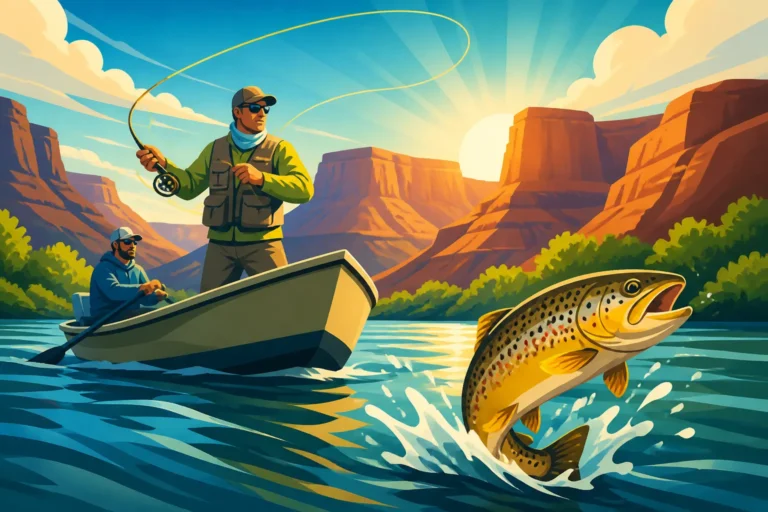
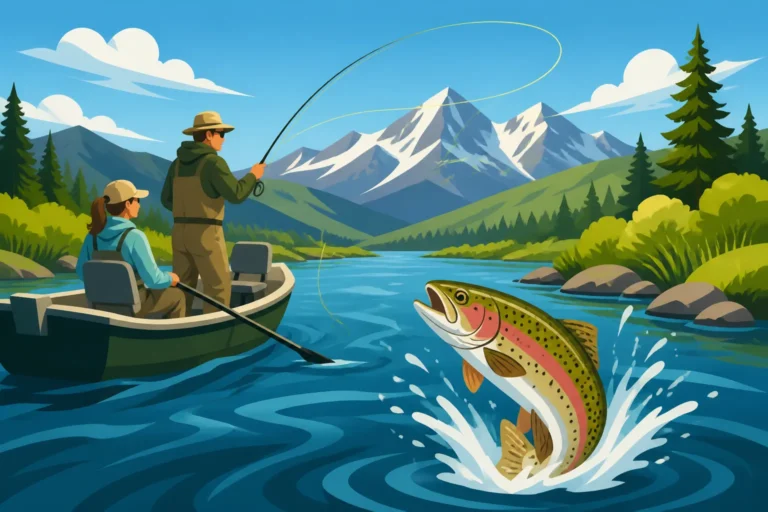
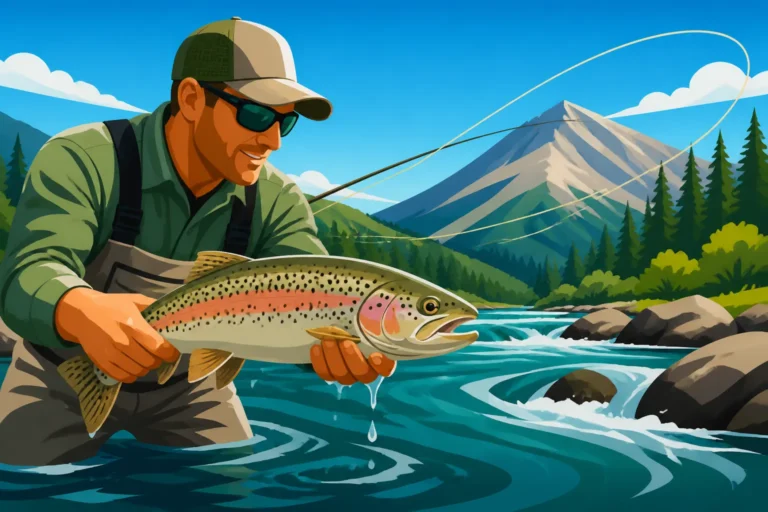
Imagine standing in pristine, crystal-clear water, watching a massive brown trout casually sipping emergers just a rod length away. You tie on what you think is the perfect imitation, cast it with surgical precision, and it drifts right over its nose… and the fish ignores it, or worse, spooks. This isn't uncommon on the Blue. The fish here aren't just looking for a bug; they're looking for the right bug, presented flawlessly. This is where the "technical" part of the fishing comes in. You need fine tippets, small flies, delicate presentations, and a deep understanding of subsurface currents. Without experience, it can be incredibly frustrating. A guide, however, lives and breathes this river. They know the subtle nuances that make all the difference between a fish ignored and a fish landed. It's a gold medal water for a reason, and understanding Colorado Gold Medal Water Regulations Explained is just the first step; catching fish in it is another challenge entirely.
Year-Round Access and Unique Hatches
One of the fantastic things about the Blue River tailwater is its accessibility and productivity throughout the year. While many freestone rivers in Colorado become unfishable or freeze solid in winter, or turn into chocolate milk during spring runoff, the Blue often remains clear and fishable. The consistent outflow from the bottom of Dillon Reservoir keeps water temperatures relatively stable, preventing significant ice-ups and moderating the impact of high-water events. This means you can find excellent fishing even in the dead of winter or during the peak of spring runoff, times when other rivers are simply not an option.
This year-round stability also leads to unique and prolific hatches. While midges are a staple all 12 months, you'll also encounter incredible Blue-Winged Olive hatches, especially on cloudy days in spring and fall. These hatches can bring even the largest trout to the surface, offering some truly exhilarating dry fly fishing opportunities. However, knowing when and where these hatches are happening, and crucially, what patterns are currently fooling fish, is a guide's bread and butter. They spend countless hours on the water, observing conditions, testing flies, and tracking insect activity. Trying to figure this out on your own, especially if you're visiting from out of state, is a monumental task. A guide essentially gives you a cheat code to the river, saving you hours, days, or even entire trips of trial and error. You'll learn about Winter Fishing on Colorado's Tailwaters firsthand, for instance, in a way you never could on your own.
What a Guided Trip on the Blue River Tailwater Offers
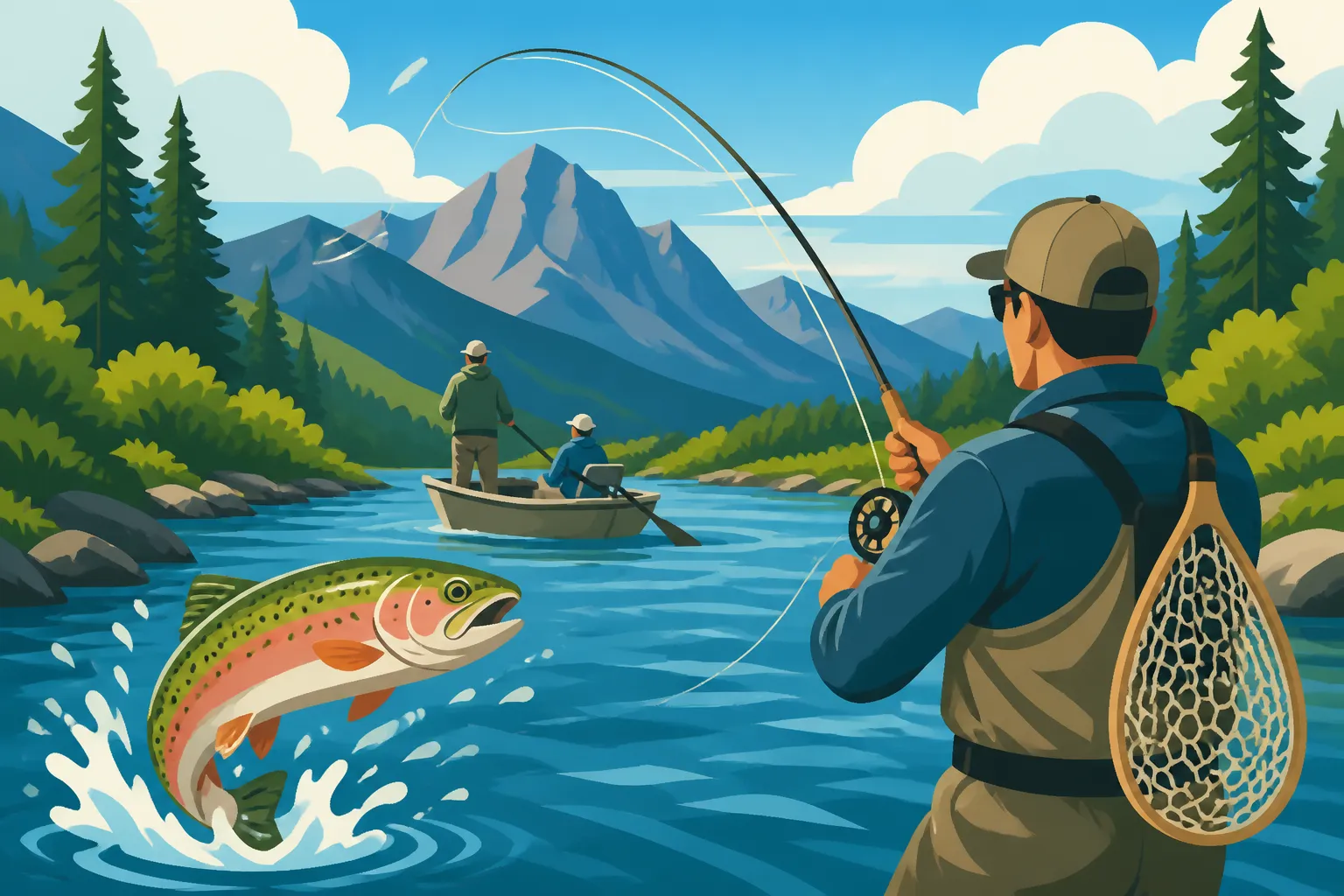
So, you're convinced the Blue River tailwater is worth exploring, but you're leaning towards a guided trip. Smart move! A guide isn't just someone to show you where to cast; they are your personal instructor, strategist, and local expert rolled into one. They drastically increase your chances of success and, more importantly, enrich your entire experience.
Expert Navigation and Local Knowledge
The Blue River tailwater isn't a simple, uniform stretch of water. It features a complex array of riffles, runs, pools, and deep slots, often with varying currents and depths. Knowing where the fish hold, how they position themselves, and how to approach these lies without spooking them requires immense local knowledge. A guide has spent countless hours learning every boulder, every seam, and every eddy of the river. They know which banks are slippery, which access points are easiest, and where to step to avoid disturbing the fish.
More than just knowing the physical layout, a guide brings an intimate understanding of the fish's behavior. They can read the subtle changes in water temperature, light, and pressure that influence how and where trout feed. They'll help you understand Reading Water on a Colorado Freestone River, even though the Blue is a tailwater, applying similar principles to its diverse currents. They know the current "hot spots" that day, which can change hourly. They'll guide you to those prime locations, often spots you’d walk right past or wouldn't even know existed. This kind of nuanced, on-the-ground intelligence is invaluable, especially on a technical fishery like the Blue where the fish population is pressured and the trout are exceptionally wary. Your guide will interpret the river for you, translating subtle signs into actionable advice, making your casts count.
Tailored Techniques and Gear
One of the biggest advantages of a guided trip on the Blue River is the personalized instruction you'll receive. This river often demands specific techniques that might be new to you. For instance, Nymphing Techniques for Colorado Tailwaters are absolutely crucial here, given that most of the fish's diet is subsurface. A guide can help you refine your indicator nymphing, teach you the intricacies of a Euro nymphing setup, or show you how to read your drift in complex currents. They'll identify weaknesses in your casting or presentation and offer immediate, constructive feedback to help you improve. It's like having a private clinic right on the river!
Moreover, a good guide comes prepared with all the necessary gear and flies. This means you don't have to worry about whether you have the right weight rod for delicate presentations, the perfect leader length for finicky fish, or a fly box full of the tiny midge patterns that are currently working. They'll often have multiple rod setups for different techniques, and their fly boxes are stocked with hundreds of meticulously tied, proven patterns, often including custom ties. They know that on the Blue, having the exact right size 22 midge pattern, or the perfect color scud, can be the difference between a great day and a frustrating one. They’ll also teach you about Best Leader Length for Clear Tailwater Water and How to Set Up a Nymph Rig for a Deep Tailwater Run specific to the conditions. This eliminates the guesswork and expense of buying specialized gear and flies you might only use once, allowing you to focus purely on the fishing and the learning experience.
Choosing Your Blue River Guide
Deciding to hire a guide is the first step; choosing the right guide for your Blue River adventure is the next. Not all guides are created equal, and finding someone who matches your expectations and fishing style can make all the difference.
Key Qualities to Look For
When you're entrusting your precious fishing time to a guide, you want to make sure you're getting someone who is not only skilled but also a great teacher and companion. Look for guides who have extensive experience specifically on the Blue River tailwater. While a guide might be great on freestone rivers, tailwater fishing presents a unique set of challenges and demands specialized knowledge. Ask about their experience, how long they've guided the Blue, and what kind of techniques they typically employ. A true expert on this river will be well-versed in nymphing, dry fly fishing tiny patterns, and even streamer tactics for bigger fish.
Beyond fishing prowess, consider their temperament and teaching style. Do you prefer a patient instructor who will break down concepts step-by-step, or are you looking for someone who will simply put you on fish and let you do your thing? Reading reviews and talking to prospective guides beforehand can give you a good sense of their personality. A great guide is not just about catching fish; it's about the entire experience, from their enthusiasm to their ability to communicate effectively. Look for someone who is passionate about the river, its conservation, and, most importantly, about helping you have a fantastic day.
Booking and Preparation Tips
Once you've narrowed down your choices, it's time to book your trip and prepare for the big day. The best guides on popular waters like the Blue River tailwater often book up months in advance, especially during peak seasons (think spring BWO hatches or fall brown trout spawning runs). So, planning ahead is crucial. Websites like FishingBooker can be an excellent resource for finding reputable guides, checking their availability, reading reviews from past clients, and comparing different guide services in the Silverthorne area. It’s a great way to consolidate your search and ensure you’re choosing a licensed and experienced professional.
Before your trip, make sure to communicate clearly with your guide about your experience level, what you hope to achieve, and any physical limitations you might have. This allows them to tailor the day to your needs. Always confirm what's included in the trip fee—does it cover flies, leaders, tippet, and perhaps even waders and boots? Many guides will provide these items, but it's always good to clarify. Remember to obtain your Colorado Fishing License Guide for Residents and Nonresidents and any necessary stamps beforehand. The guide can't do this for you, and you certainly don't want to miss out on fishing time by trying to buy it last minute!
Here's a quick reference for common inclusions and exclusions on a guided trip:
| Item | Typically Included on Guided Blue River Trips | Often Excluded (Angler's Responsibility) |
|---|---|---|
| Rods and Reels | Yes | Personal preferred gear (optional) |
| Flies | Yes, a wide selection | |
| Leaders and Tippet | Yes | |
| Waders and Boots | Often, but confirm size needs | Personal waders/boots (optional) |
| Lunch and Drinks | Some full-day trips, confirm beforehand | Personal snacks/special drinks |
| Instruction/Coaching | Yes | |
| Transportation to River | Yes, from meeting point | Transportation to meeting point |
| Fishing License | No | Yes, mandatory for angler |
| Habitat Stamp | No | Yes, mandatory for angler |
| Gratuity/Tip | No | Yes, standard etiquette |
This table provides a general overview, but always, always confirm the specifics with your chosen guide or outfitter through platforms like FishingBooker to avoid any surprises.
Making the Most of Your Guided Experience
A guided trip on the Blue River tailwater is an investment in your fishing education and enjoyment. To truly maximize that investment, there are a few things you can do both before and during your time on the water.
Pre-Trip Communication and Preparation
The more information your guide has about you before you even step foot in the river, the better they can tailor the day to your preferences and skill level. Don't be shy about discussing your experience, what you're hoping to learn, or even specific fish you'd like to target. If you're a complete beginner, let them know! They can focus on fundamentals like casting, knot tying, and basic How to Approach a Tailwater Without Spooking Trout. If you're an experienced angler looking to refine specific techniques like Euro Nymphing Basics for Colorado Rivers, they can plan the day around that.
Also, be sure to confirm the meeting time and location, and ask about current river conditions or any specific gear you might want to bring yourself. While most guides provide necessary equipment, if you have a favorite rod or a pair of waders you prefer, feel free to bring them along. Think about what you'll need for a full day outdoors: layers of clothing, sun protection (hat, sunglasses, sunscreen), and any personal medications. Hydration is key at Colorado's altitude, so ensure you have plenty of water or communicate with your guide about drinks for the day. This upfront communication ensures a smooth start and sets the stage for a productive and enjoyable outing.
Active Learning on the Water
Once you're on the river, remember that this isn't just about catching fish; it's about learning. Ask questions! Why is the guide choosing this particular fly? Why are we fishing this specific run? How are they mending their line differently than you are? A good guide loves to teach, and your engagement will only enhance the experience. Pay attention to how they read the water, how they approach different lies, and how they handle the fish. Observe their casting techniques, their line management, and their presentation.
Experiment with the techniques your guide suggests. Don't be afraid to try something new, even if it feels awkward at first. The Blue River tailwater is a fantastic classroom, and your guide is an exceptional teacher. Every cast, every drift, every missed strike is an opportunity to learn something new. Embrace the process, and you'll walk away not only with memories of beautiful trout but also with improved skills and a deeper understanding of this incredible fishery. Whether you're working on Midge Fishing in Colorado Winters or trying to match a spring hatch, active learning makes all the difference.
Tipping Etiquette
After a successful day on the water, showing your appreciation for your guide's hard work and expertise is standard practice. Tipping is a crucial part of a guide's income and reflects your satisfaction with their service. While there's no hard and fast rule, a general guideline for Tipping a Colorado Fishing Guide, What's Standard is to tip anywhere from 15% to 25% of the trip's total cost.
Consider what went into your day: the guide's deep knowledge of the river, their teaching skills, their patience, the quality of their gear, and the effort they put into making your day enjoyable and productive. If they worked tirelessly, put you on fish, provided excellent instruction, and generally created a memorable experience, a tip at the higher end of that range is certainly warranted. You can usually hand the tip directly to your guide at the end of the day. It’s a small gesture that goes a long way in acknowledging their profession and dedication.
Disclaimer
This article is for general informational purposes only and does not constitute professional advice. Laws, prices and regulations vary by location and change over time. Consult a qualified professional for guidance on your specific situation.