Best Patterns for Colorado’s Trico Hatch
Oh, the Trico hatch! If you've spent any time on a Colorado tailwater in the dead of summer, you know the frustration – hundreds, sometimes thousands, of tiny flies blanketing the water, and the trout rising like crazy, yet your carefully selected fly gets ignored time and time again. It’s enough to make you pull your hair out! But don't despair, because mastering the Trico hatch, while challenging, is incredibly rewarding. This guide will walk you through the best fly patterns, from microscopic nymphs to delicate spinners, and share the tactics you need to unlock success during one of Colorado's most prolific, yet maddening, hatches.
Decoding the Trico Hatch: Why These Tiny Bugs Drive Anglers Wild
The Trico, short for Tricorythodes mayflies, are some of the smallest insects that consistently trigger widespread feeding frenzies among trout in Colorado. They're primarily found on slower, richer tailwaters and spring creeks, rather than the fast, freestone rivers. What makes them so uniquely challenging is their minuscule size, typically ranging from a tiny size 20 all the way down to a microscopic size 28. Add to that their specific life cycle, which dictates different feeding windows, and you've got a recipe for both extreme frustration and incredible opportunity.
The Lifecycle of the Trico Mayfly
Understanding the Trico's full lifecycle is key to choosing the right pattern and knowing when to deploy it. Like all mayflies, Tricos go through several stages: nymph, emerger, dun (subimago), and spinner (imago). What's special about Tricos is the sheer density of their hatches and the unique timing of their spinner fall.
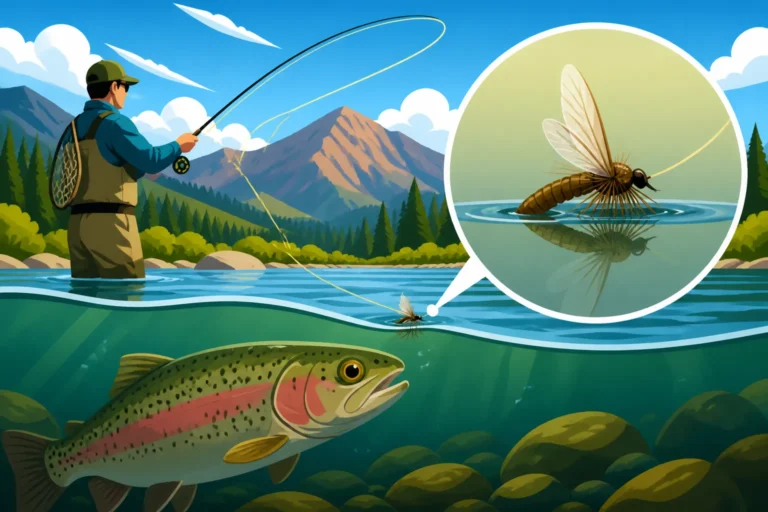
The nymphs live on the bottom of the river, often in slower currents or weedy sections. When they're ready to emerge, they float to the surface, and this "emerger" stage can be brief but intense. The duns then fly off, typically taking shelter in riverside vegetation to molt into their adult "spinner" form. The magic, and often the madness, happens when these spinners return to the water to mate and lay their eggs. This is known as the "spinner fall," and it usually occurs in the early morning hours, often starting right around sunrise and lasting for a few hours. The trout gorge on these spent spinners, which are easy targets floating helplessly on the surface. You'll often see vast slicks of these dead or dying insects, sometimes acres wide, with trout rising almost continuously. This is the moment most anglers dream of, but it requires finesse.
Why Tricos Present a Unique Challenge
The primary challenge with Trico fishing boils down to three main factors: size, numbers, and selectivity. First, the size. We're talking flies so small they can be difficult to tie on, let alone see on the water. This demands ultra-fine tippet, which in turn means delicate presentations and soft hook sets. Second, the sheer numbers. When a Trico spinner fall is in full swing, the water can be carpeted with flies. Your single, tiny fly is just one among hundreds, meaning it needs to be absolutely perfect in its imitation and drift to stand out.
Third, and perhaps most frustratingly, trout become incredibly selective during a heavy Trico hatch. They're literally sipping thousands of these tiny morsels, and they develop a very precise feeding rhythm and a highly defined "strike zone." If your fly isn't exactly the right size, color, or presented in the exact right way, it will be ignored. This is where validating your fly pattern choice becomes critical. Many anglers find themselves changing flies every few minutes, trying to crack the code. It’s not uncommon to witness what seems like a million rises and only hook a handful of fish. But when you do connect, oh, the satisfaction! You can often read about this selective feeding behavior in articles detailing Colorado's Gold Medal Water Regulations Explained If you're struggling to identify the specific bug the trout are keying in on, sometimes it helps to watch the water closely for "slicks" of bugs or even net a few to examine them.
Essential Trico Dry Fly and Spinner Patterns
When trout are feeding on Tricos on the surface, you need patterns that accurately mimic either the emerging duns or, more commonly, the spent spinners. Given the specific window of opportunity, having a few reliable patterns in your box is crucial. You can find many of these specialized patterns, along with the necessary fine tippet, available on platforms like Amazon.
The Importance of the Spinner Fall
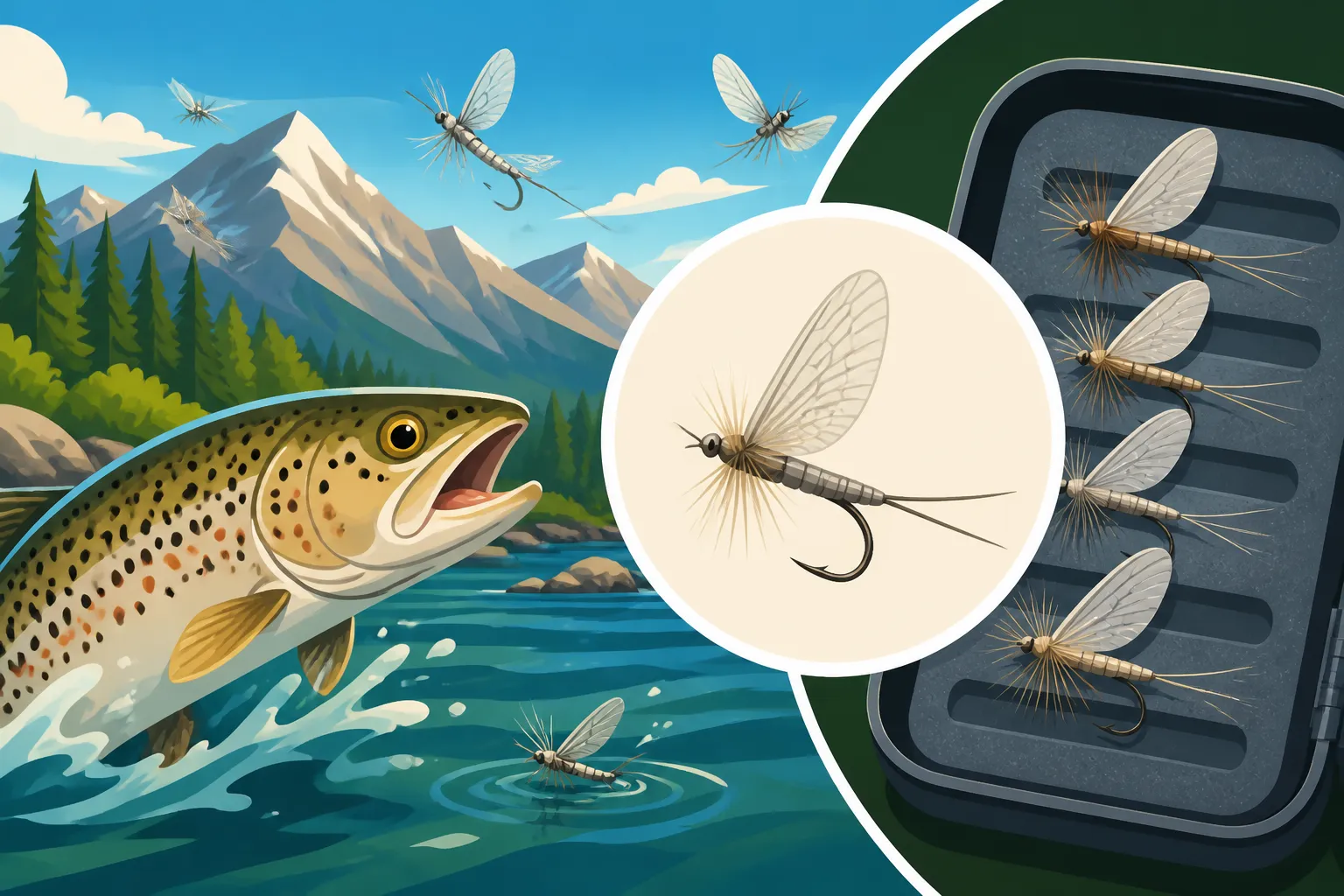
The Trico spinner fall is often the most intense and predictable part of the hatch. This is when the mature male and female Tricos return to the water to mate and lay eggs, after which they fall spent onto the surface film. The female spinners are usually slightly larger and have greenish or cream-colored bodies, while the males are smaller with dark, almost black bodies. Trout key in on these helpless, dying insects with methodical, often subtle, rises. This is the prime time for dry fly action, and understanding When Trico Spinner Falls Happen on Tailwaters
-
Black Trico Spinner (Male Imitation): This is your bread and butter pattern for the male spinner fall. It typically features a very thin, dark body (often black thread or deer hair), micro-fibbet tails, and spent wings tied flat, resembling a dead mayfly. Sizes 22-26 are standard. When fishing this, you're looking for subtle sips. Focus on presentation and drag-free drifts above a rising fish. The trout aren't chasing; they're intercepting. You'll want to use your finest tippet, often 6x or 7x, to avoid spooking these discerning fish. Many times, if you can see the rise, you're already in a good position to present this fly.
-
White or Cream Trico Spinner (Female Imitation): For the female spinner fall, this pattern is essential. It's similar in construction to the black spinner but features a light-colored body, usually cream, white, or pale olive. Again, sizes 20-26 are common. The female spinners are often laden with eggs, making them a high-protein meal for trout. Present this similarly to the male spinner, focusing on a precise, drag-free drift. Observing the natural insects on the water will help you determine if the trout are keying in on the lighter-bodied females or the darker males. Sometimes, having both patterns tied on in a double-dry rig can give you an edge.
-
Para-Spinner Trico: This pattern offers better visibility for the angler while still presenting a realistic profile to the fish. Instead of flush spent wings, the Para-Spinner uses a small post (often white or bright colored) for buoyancy and visibility, with the hackle wrapped around it, mimicking the spent wings close to the water. This can be a lifesaver on glary mornings or for anglers with less-than-perfect eyesight. It still requires fine tippet but gives you a slight advantage in tracking your fly. Sizes 22-26 are typical. If you find yourself losing sight of your standard Trico spinners in the glare, this is an excellent pattern to switch to.
Trico Dun Patterns
While the spinner fall gets most of the attention, the duns do emerge, and occasionally trout will key in on them. Trico duns have upright wings, contrasting with the spent wings of the spinners. This is often a shorter phase, but it's worth being prepared.
- Trico Dun: This pattern typically has a dark body, short tails, and upright wings made from CDC (Cul de Canard) or hackle tips. It imitates the freshly emerged adult before it molts into a spinner. Sizes 22-26 are common. If you notice trout rising more aggressively, or "porpoising" through the surface, they might be targeting duns still struggling to get off the water. This is less common than the spinner fall, but on some stretches of river, it can be a significant part of the hatch. When you're dealing with these delicate flies, knowing How Fine a Tippet You Need for Selective Tailwater Trout will make all the difference in your hook-ups.
Subsurface Success: Nymph and Emerger Patterns for Tricos
Sometimes, despite the flurry of surface activity, trout are reluctant to commit to dry flies. This is especially true if the hatch isn't quite at its peak, or if the fish are simply being extra finicky. In these situations, turning your attention subsurface to the Trico nymphs and emergers can often turn a frustrating morning into a productive one.
Targeting Trico Nymphs
Trico nymphs are incredibly small, almost thread-like, and they spend their lives crawling along the riverbed. Trout will feed on these nymphs before they begin their ascent to the surface, and even throughout the day in areas where nymphs are dislodged from the substrate. This is a great strategy when the surface activity is sparse or when the fish aren't showing interest in your dry fly offerings. When you're rigging up for this, consider how to effectively setup a nymph rig for a deep tailwater run.
-
Black Beauty (Small Sizes): While a general midge pattern, the Black Beauty in sizes 20-26 can be an excellent imitation for a Trico nymph. Its segmented black body and a small wire rib mimic the subtle profile of a Trico nymph perfectly. It's a fantastic pattern to dead-drift through slower runs and eddy lines where Tricos are known to live. Pair this with an even smaller attractor nymph or another Trico imitation. You can often find multi-packs of these versatile small nymphs on Amazon, making it easy to stock up.
-
Thin-Skin Trico Nymph: This pattern is designed specifically to imitate the slender profile of a Trico nymph. It often features a very thin, dark body (black or olive), minimal tailing material, and sometimes a tiny bead head for weight. Sizes 22-28 are standard. The key here is presenting a natural, unweighted drift close to the bottom. This is where your nymphing skills truly shine, and a precise dead drift will be rewarded. Understanding different Nymphing Techniques for Colorado Tailwaters will be incredibly beneficial here.
Fishing Trico Emergers
The emerger stage, where the nymph transforms into a dun and slowly ascends through the water column, is a vulnerable time for the insect and a prime feeding opportunity for trout. Fish often key in on these struggling insects just beneath the surface or caught in the surface film. This can be a highly productive phase, especially if you notice fish "head-and-tailing" without fully breaking the surface, or if they're rising inconsistently.
-
RS2 (Small Sizes): The RS2 (Rim Rock Scuds, Size 2) in sizes 20-24 is a phenomenal emerger pattern that can perfectly mimic a Trico emerger. Its sparse tail, small body, and emergent wing bud make it incredibly effective. Fish it in the film, either swung gently at the end of a dry-dropper rig or suspended under a small indicator. This pattern is versatile and imitates a wide range of emerging insects, including Tricos. To effectively fish this, especially during a hatch, you'll want to know How to Fish Emergers During a Hatch.
-
Mercury Trico Emerger: This pattern, often tied with a clear or pearlescent bead head to simulate the air bubble that helps the emerger break through the surface film, is highly effective. It has a slender body, often black or dark olive, and a subtle wing case. Sizes 22-26 are ideal. Fish this pattern just beneath the surface, allowing it to swing or drift naturally. The subtle flash of the bead can often be enough to trigger a strike from a wary trout. Precision in tippet selection, often 6x or 7x, is paramount when fishing these tiny emergers.
Tactics for Tricky Tricos: Presentation and Gear
Successfully fishing the Trico hatch goes far beyond just having the right fly. It demands a highly refined approach to presentation, specific gear choices, and a boatload of patience. Trout feeding on Tricos are notoriously spooky and selective, making every cast and drift critical.
The Art of Presentation
When you're dealing with flies the size of a Trico, your presentation needs to be immaculate. The slightest drag, the smallest splash, or an unnatural drift will send discerning trout scurrying.
-
Drag-Free Drift is Non-Negotiable: This is the golden rule for Tricos. Your fly must float or drift at the exact same speed as the natural insects. Any drag, even micro-drag caused by conflicting currents, will be instantly detected and rejected by the trout. Master your mends, and try to cast upstream and across, allowing your line to land gently in a curve that lets the fly drift naturally over the target. This becomes especially important in the delicate dance of Dry Fly Fishing Colorado's Freestone Rivers where natural drift is paramount, even though Tricos are more common on tailwaters.
-
Long Leaders and Fine Tippets: To achieve that perfect drag-free drift and avoid spooking fish, you'll need a long leader, often 12-15 feet, tapering down to extremely fine tippet, typically 6x or 7x, sometimes even 8x for the most challenging fish. The longer leader helps separate your fly line from the fly, reducing drag. The fine tippet makes the connection virtually invisible. Remember, lighter tippet means less casting accuracy and more potential for break-offs, so practice is key. Seriously, stock up on fluorocarbon tippet on Amazon; you'll go through it!
-
Targeting Individual Risers: During a heavy spinner fall, it can be tempting to just cast blindly into the masses of rising fish. Resist this urge. Instead, pick out individual trout that are consistently rising in a predictable pattern. Observe their rhythm, where they're feeding in the current, and then place your fly a few feet upstream of their feeding lane, allowing it to drift directly into their "strike zone." This focused approach, although slower, usually yields better results. It's similar to the patience required to observe How to Spot Trout Holding in Clear Water before making your cast.
Essential Gear for Trico Success
Having the right tools can make a significant difference when trying to fool Trico-feeding trout. These aren't just recommendations; they're often necessities.
-
Light Rod and Reel: A light fly rod, typically a 2-weight or 3-weight, between 7.5 and 9 feet long, is ideal for Trico fishing. The softer action of these rods helps protect delicate tippets and allows for more subtle presentations. A matching reel with a smooth drag is also important for fighting surprisingly large fish on such light tackle.
-
Weight Forward Floating Line: A weight-forward floating line that matches your rod weight will provide the delicate presentation needed. Look for lines designed for technical dry fly fishing, which often have longer front tapers for softer landings.
-
Polarized Sunglasses: Non-negotiable! Trico hatches almost always occur in the early morning, often with low light or glare on the water. Good polarized sunglasses are essential for seeing your tiny fly on the surface, spotting subtle rises, and observing the behavior of the fish and the natural insects. Without them, you're fishing blind.
-
Magnifying Glasses or a Magnifier Tool: Tying on a size 26 or 28 fly with 7x tippet can be a real challenge for anyone. A small clip-on magnifier for your hat or glasses can be a total game-changer, turning a frustrating task into a manageable one. You can find surprisingly affordable and effective options on Amazon.
-
Landing Net: Even on light tackle, these tailwater trout can be surprisingly robust. A soft, rubberized landing net is essential for quickly and safely landing fish, especially if you plan on practicing catch and release. This minimizes stress on the fish and helps protect their delicate slime coat. This goes hand-in-hand with knowing How to Handle Trout for a Safe Release.
Timing and Location are Everything
While the patterns are critical, knowing when and where to fish is just as important for Trico success.
-
Early Bird Gets the Worm (or Trico!): The Trico spinner fall is an early morning affair. You need to be on the water, rigged, and ready to cast at first light, or even before. The hatch typically starts around sunrise and can last for a couple of hours, sometimes extending later on overcast days. By mid-morning, the action usually dwindles.
-
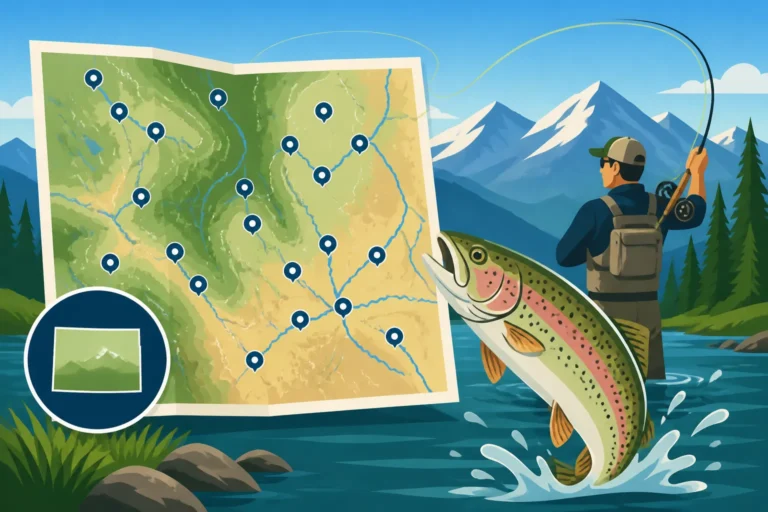
Slower Tailwaters and Spring Creeks: Tricos thrive in slower, nutrient-rich environments. Think tailwaters below large reservoirs, where water flows are consistent and aquatic vegetation is abundant. Classic Colorado Trico waters include sections of the South Platte River (like the Charlie Meyers State Wildlife Area or near Deckers), the Fryingpan River, and some of the lower elevation sections of the Arkansas River. These waters often feature large, slow-moving flats and long riffles where the conditions are perfect for Trico hatches. You can often learn more about these specific locations in articles like Fishing the Dream Stream and Cheesman Canyon on Colorado's South Platte.
-
Reading the Water: Look for slower, glassy sections of the river, eddy lines, and backwaters where spent spinners will collect. Trout will often position themselves in these areas to conserve energy while they gorge. Pay attention to current seams and foam lines, as these are natural conveyor belts for insects. Knowing How to Read Riffles, Runs and Pools on a Freestone River can provide transferable skills for reading the slower currents of a tailwater.
Troubleshooting the Trico Hatch
Even with the perfect flies and presentation, the Trico hatch can still be incredibly frustrating. Here are a few common issues and how to troubleshoot them when the trout aren't cooperating.
The "Sip and Miss" Phenomenon
You see a fish rise, your fly drifts perfectly over it, the fish sips… and you miss the hook set. Or worse, the fish just snubs your fly entirely. This is incredibly common with Tricos.
- Check Your Fly: Is it waterlogged? Is it sitting correctly on the surface? Sometimes, a quick blot with desiccant or a fresh application of floatant can make all the difference. Is it the right size and color? Compare it to the naturals on the water if you can.
- Refine Your Leader and Tippet: Go even finer if you're comfortable. A switch from 6x to 7x can sometimes be enough to fool the most wary fish. Also, check for knots, nicks, or kinks in your tippet – these can be a dead giveaway to sophisticated trout.
- Adjust Your Positioning: Are you too close? Are you casting over the fish too much? Often, a slight adjustment in your casting angle or distance can present the fly more naturally or avoid putting the fish down. Try casting from farther away and leading the fish more.
- Change Flies (Again!): Sometimes, it's a subtle difference. Switch from a male spinner to a female, or vice-versa. Try a different material for the spent wings. Even a slight variation can be the trigger.
Fish Not Rising Consistently
You're there early, but the rises are sporadic or non-existent, even though you know Tricos should be hatching.
- Look Subsurface: If fish aren't on the surface, they might be feeding on nymphs or emergers subsurface. Switch to a small RS2, a Mercury Trico Emerger, or a tiny Black Beauty. Run a two-nymph rig with a small strike indicator, or try a dry-dropper setup with a larger, more visible dry fly (like a small Parachute Adams) as your indicator, and a Trico emerger or nymph trailing underneath.
- Check Water Temperatures: While Tricos generally hatch in warmer summer water, sudden drops in water temperature can make fish lethargic or hold them deeper. Conversely, overly warm water might push fish into faster, more oxygenated areas or deeper pools. Understanding What Water Temperature Affects Trout Feeding can give you an edge in these situations.
- Wait it Out: Sometimes the hatch is simply delayed. Stay patient, watch the water, and be ready when it does turn on. Bring a cup of coffee and enjoy the solitude. The Trico spinner fall, in particular, can be very temperature-dependent, sometimes waiting for the sun to hit the water just right.
Table of Popular Trico Patterns and Their Best Uses
| Pattern Type | Name | Sizes (typically) | Key Characteristics | Best Use |
|---|---|---|---|---|
| Dry Fly (Spinner) | Black Trico Spinner | #22 – #26 | Dark body, splayed spent wings, micro-fibbet tails | Male spinner falls, early morning. |
| Dry Fly (Spinner) | White/Cream Trico Spinner | #20 – #26 | Light body, splayed spent wings, micro-fibbet tails | Female spinner falls, often slightly later. |
| Dry Fly (Spinner) | Para-Spinner Trico | #22 – #26 | Post for visibility, hackle wrapped flat, dark body | Spinner falls, easier to see in glare. |
| Dry Fly (Dun) | Trico Dun | #22 – #26 | Dark body, upright wings (CDC/hackle tips) | Sporadic dun emergence, often brief. |
| Emerger | RS2 | #20 – #24 | Sparse tail, slender body, small wing bud | Emerging duns in the film or just below. |
| Emerger | Mercury Trico Emerger | #22 – #26 | Small bead head, slender body, subtle wing case | Subsurface emergence, especially near surface. |
| Nymph | Black Beauty | #20 – #26 | Segmented black body, fine wire rib | General Trico nymph imitation, subsurface drift. |
| Nymph | Thin-Skin Trico Nymph | #22 – #28 | Very thin, dark body, minimal tail | Specific Trico nymph imitation, dead drift near bottom. |
The Trico hatch, for all its challenges, offers some of the most technical and rewarding dry fly fishing in Colorado. It forces you to refine your casting, perfect your drift, and pay attention to the smallest details. When you finally crack the code and start hooking those wary tailwater trout, you'll know you've earned it. So, gear up with your tiny flies and fine tippet, set your alarm for pre-dawn, and head to your favorite tailwater. The challenge, and the reward, await!
Disclaimer
This article is for general informational purposes only and does not constitute professional advice. Laws, prices and regulations vary by location and change over time. Consult a qualified professional for guidance on your specific situation.