Rainbow Trout in Colorado, Where They’re Stocked
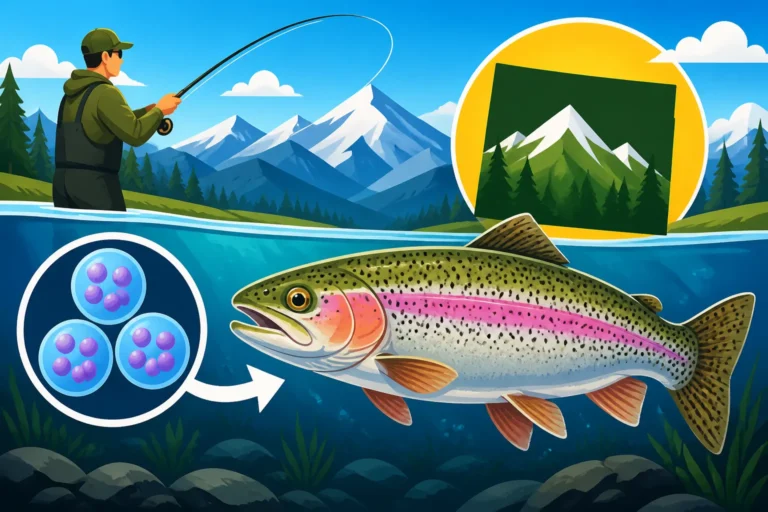
It can be incredibly frustrating to head out for a day of fishing, only to find the waters seemingly empty, especially if you're hoping to introduce someone new to the joy of catching a fish. Fortunately, Colorado Parks and Wildlife (CPW) works tirelessly to ensure ample fishing opportunities, and rainbow trout are often the stars of this show. This comprehensive guide will illuminate exactly where rainbow trout are stocked across Colorado, helping you find those vibrant, feisty fish and make your next angling adventure a success.
Why Rainbow Trout Are Colorado's Go-To Stocked Fish
Rainbow trout are, without a doubt, one of the most popular game fish in Colorado, and for good reason. Their widespread appeal and adaptability make them the perfect candidate for extensive stocking programs across the state. They're often the first fish that comes to mind when people think of trout fishing in the Rockies, largely due to their availability and willingness to bite.
The Allure of Rainbows for Anglers
For many anglers, especially those just starting out or families looking for a fun, productive day, rainbow trout are a dream come true. They grow to a respectable size, offer a decent fight, and are famously cooperative, making them a fantastic target for all skill levels. Unlike some more finicky wild trout, stocked rainbows are often eager to strike a variety of baits and lures, which really boosts confidence and keeps spirits high. Their beautiful, iridescent coloring, with that distinctive pink or red stripe running down their side, also makes them a prize to behold, even if it's just for a quick photo before a careful release. This accessibility and the high likelihood of success are precisely why CPW prioritizes stocking them in so many publicly accessible waters.
Stocking for Recreation and Conservation
The stocking of rainbow trout isn't just about putting fish in the water; it's a strategic effort by CPW to meet diverse angler demands while also managing the state's precious aquatic resources. A significant portion of these stocked rainbows come from state hatcheries, raised specifically for release into lakes, reservoirs, and rivers. This allows wild trout populations, particularly native species like the various Colorado's Native Cutthroat Trout Subspecies, to thrive without the added pressure of heavy angling. By providing abundant fishing opportunities for easily catchable rainbow trout, CPW can redirect angling pressure away from more sensitive, self-sustaining wild fisheries. It’s a delicate balance, ensuring that both recreational fishing remains vibrant and that Colorado's unique aquatic ecosystems are protected for future generations.
Understanding Colorado's Stocking Program
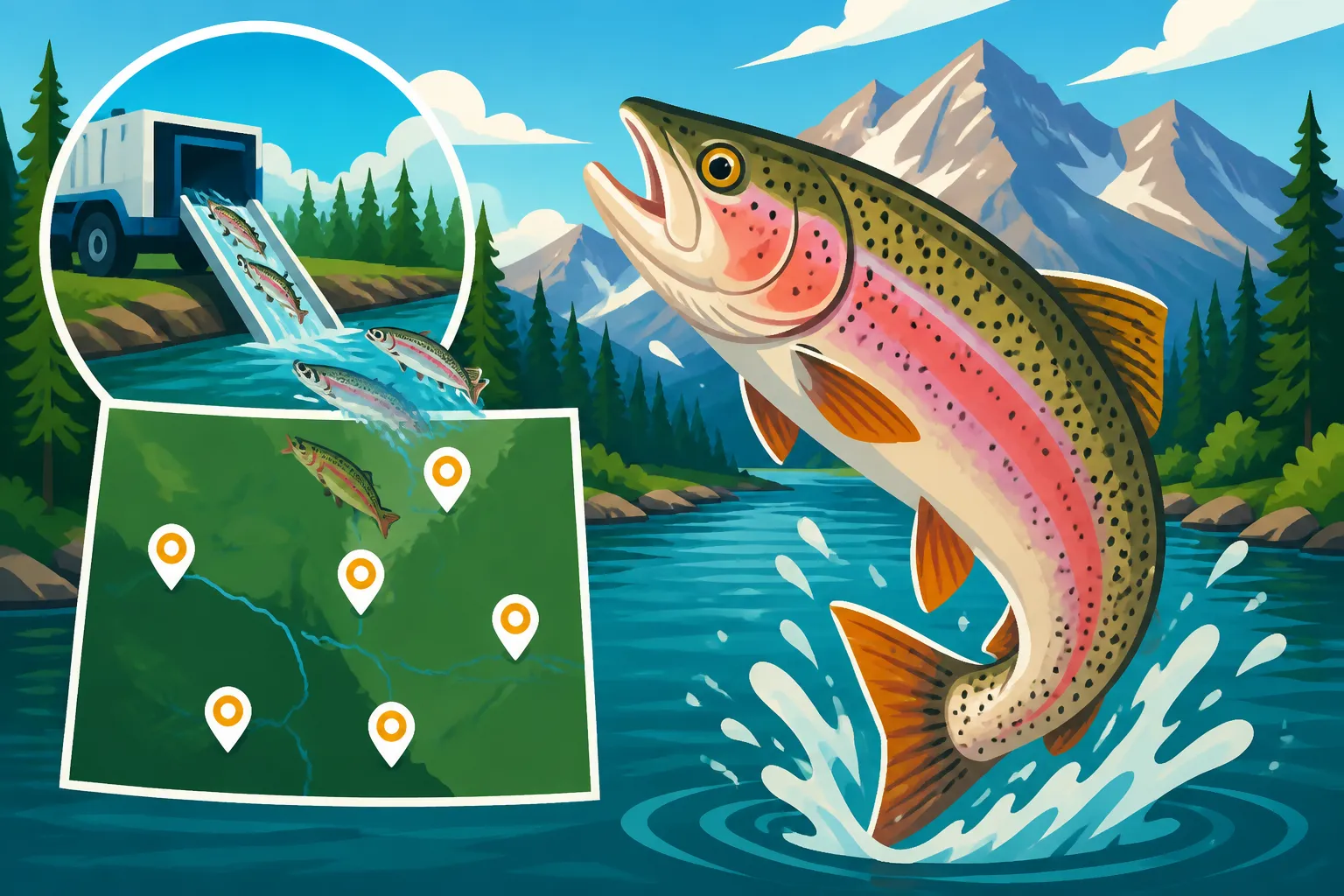
Colorado Parks and Wildlife runs an extensive and scientifically managed stocking program that ensures millions of fish, predominantly rainbow trout, are released into public waters each year. This isn't just a haphazard drop-off; it's a carefully planned operation designed to maximize angler success and manage fish populations responsibly.
The Role of CPW Hatcheries
At the heart of Colorado's stocking efforts are the state's impressive fish hatcheries. These facilities are essentially fish farms where millions of trout are raised from eggs to fingerlings and then to catchable sizes, typically ranging from 8 to 12 inches. The fish are reared in controlled environments, which helps them grow efficiently and ensures they are healthy before release. CPW operates multiple hatcheries across the state, strategically located to minimize transportation stress on the fish. These hatcheries are staffed by dedicated professionals who monitor water quality, feed regimes, and fish health, making sure that when those trout hit your local pond or reservoir, they're ready to thrive (and bite!). It’s a massive undertaking that provides the backbone for much of Colorado’s accessible angling.
Types of Waters That Receive Stockings
When it comes to where these rainbows end up, CPW employs a targeted approach. Generally, you'll find stocked rainbow trout in waters that have limited natural reproduction for trout but can sustain them. This often includes urban and community ponds, especially around the Front Range cities like Denver, Colorado Springs, and Fort Collins. These waters are perfect for families and beginners because they're easy to access and offer a high probability of success.
Beyond urban areas, larger reservoirs and lakes are also prime stocking locations. Many of Colorado's state parks, such as those that manage Fishing Chatfield Reservoir or Fishing Cherry Creek Reservoir, receive regular trout stockings, ensuring good fishing for visitors. Even certain river sections, particularly those with strong flows that might make natural reproduction challenging or where heavy fishing pressure warrants it, will see stockings. The goal is to distribute these fish widely to provide opportunities for as many anglers as possible, from the casual weekend warrior to the dedicated fly fisher.
Seasonal Stocking Schedules
Rainbow trout stocking in Colorado generally follows a seasonal rhythm, with the heaviest stockings occurring in spring and fall. In the spring, once the ice has melted and water temperatures begin to rise but before the major When Colorado's Spring Runoff Hits and How to Fish Around It starts, hatcheries are busy releasing millions of catchable-sized rainbows. This timing coincides perfectly with increased angler activity as the weather warms up. Many urban ponds, in particular, will receive frequent stockings throughout the spring and into early summer.
As summer progresses and water temperatures in some shallower ponds become too warm for trout, stocking might slow or shift to deeper, cooler waters. However, come fall, as temperatures cool again, you'll see another surge in stockings. This "fall stocking" often provides excellent fishing well into the early winter, sometimes even offering opportunities for Ice Fishing in Colorado, Getting Started on newly frozen lakes. It’s crucial to remember that these schedules can vary based on fish availability, water conditions, and specific management goals for each body of water.
Prime Locations for Stocked Rainbow Trout Fishing
If you're looking to target stocked rainbow trout, Colorado offers an incredible array of accessible options. Knowing where to focus your efforts can make all the difference in having a successful and enjoyable day on the water.
Urban Ponds and Community Lakes
For sheer convenience and consistent action, it's hard to beat Colorado's urban ponds and community lakes. These smaller bodies of water are purposefully managed for high recreational use and are often stocked frequently with rainbow trout. Think of places like Sloan's Lake right in Denver, or any of the hundreds of smaller ponds scattered throughout city parks. These spots are perfect for quick trips, introducing kids to fishing, or just getting a few hours of relaxation with a high chance of a bite. CPW makes a concerted effort to keep these urban fisheries healthy and well-supplied, knowing they serve as vital green spaces and recreational hubs for city dwellers. You'll often find amenities like paved parking, restrooms, and easy bank access, making them ideal for a hassle-free outing. Remember, while these ponds are easy to access, they can also get crowded, especially on weekends, so sometimes a weekday morning visit can yield a more serene experience.
Larger Reservoirs and State Parks
Moving beyond the immediate urban sprawl, Colorado's larger reservoirs and state parks are another fantastic bet for stocked rainbow trout. These waters offer more space, often boast scenic beauty, and can hold larger, harder-fighting fish due to more varied forage and habitat. Reservoirs like Fishing Eleven Mile Reservoir, Fishing Spinney Mountain Reservoir, or even Fishing Blue Mesa Reservoir (though Blue Mesa is famous for its lake trout and kokanee, it still gets rainbows!) are regularly stocked. State parks manage many of these larger bodies of water, and they're designed with anglers in mind, often featuring boat ramps, camping facilities, and miles of shoreline access.
Fishing these larger waters often means you might need to cover more ground or even use a small boat or kayak to reach the best spots, but the rewards can be significant. Rainbows stocked here often have more room to roam and can grow quickly, offering a more robust fight. The state park setting also adds to the overall outdoor experience, allowing for a full day or even a weekend of fishing combined with other activities.
Tailwaters and River Sections
While many associate river fishing with wild, self-sustaining populations, several river sections and especially tailwaters (the sections of river immediately below a dam) also receive significant rainbow trout stockings. The cold, consistent flows of tailwaters create excellent habitat, and stocking here can supplement natural reproduction or establish fisheries where it might not otherwise be possible. Rivers like the Arkansas, Colorado, and even stretches of the South Platte often benefit from these stockings, providing excellent stream-fishing opportunities.
When fishing these river sections, understanding the water flow and current is key. Stocked rainbows in rivers will often quickly adapt to feeding on insects, just like their wild cousins. You might find success with traditional bait in slower pools, but fly fishing can be incredibly productive, especially if you're matching insect hatches. These river environments, particularly tailwaters, can hold some truly magnificent fish that have had time to grow large and strong. Finding the right spot might involve a bit more hiking or wading, but the experience of fishing a flowing river for a powerful rainbow is truly rewarding.
Finding the Latest Stocking Information
One of the biggest advantages of fishing for stocked rainbow trout is that you don't have to rely solely on guesswork. Colorado Parks and Wildlife (CPW) is diligent about providing timely and accurate information on where and when fish are being stocked. This information is your best friend when planning a trip.
Utilizing CPW's Online Resources
The absolute best place to start your research is the official Colorado Parks and Wildlife website. They maintain a comprehensive "Fish Stocking Report" that is updated regularly. This report typically lists the water body, the date of stocking, the species stocked (rainbows, of course, being a common entry), and sometimes even the size or quantity of fish. It's an invaluable tool for planning your next outing. You can often filter by region or water body, making it easy to find current information for your local spots or planned vacation destinations. Regularly checking Reading Colorado's Weekly Stocking Report can give you a heads-up on new opportunities.
Beyond the stocking report, CPW also offers an online "Fishing Atlas." This interactive map allows you to explore various fishing locations across the state, providing details on access points, fish species present, and specific regulations. It's a fantastic resource that combines stocking info with broader details about the fishery, making it a one-stop shop for trip planning. Getting comfortable navigating these online tools will dramatically improve your chances of finding freshly stocked, hungry rainbow trout.
Local Knowledge and Fly Shop Insights
While the official CPW resources are indispensable, don't underestimate the power of local knowledge. Your local fly shop or tackle store is a goldmine of real-time information. The folks who work there are often avid anglers themselves, and they hear daily reports from customers about what's biting where, what lures are working, and which spots have recently received fish. They can offer insights that might not make it into official reports, like subtle changes in water levels or recent productive techniques.
Stopping into a shop like Angler's Choice in Denver or Elkhorn Fly Shop in Fort Collins (just examples, of course!) before you head out can give you that crucial edge. They might even have a small whiteboard or bulletin board with current conditions and stocking news. Plus, it's a great opportunity to pick up any specific bait, lures, or flies that are performing well. Sometimes, even chatting with other anglers you meet at the lake or river can provide valuable tips on where the fish are holding and what they're hitting. Just remember to be respectful and share your own experiences when appropriate!
Techniques for Catching Stocked Rainbows
Once you've identified a promising stocked water, the next step is to know how to effectively catch these eager fish. Stocked rainbow trout, especially those recently introduced, often behave a bit differently than their wild counterparts, and adjusting your techniques accordingly can lead to a much more productive day.
Bait Fishing and Spin Casting Strategies
For many anglers targeting stocked rainbows, especially beginners or families, bait fishing and spin casting are the go-to methods. These fish are often raised on pellet food in hatcheries, so they're not always picky eaters immediately after release. Classic baits like PowerBait (in various colors and forms like dough or nuggets), worms (nightcrawlers, mealworms), or even corn can be incredibly effective. A simple setup with a small hook (size 8-12), a split shot or two a foot or so above the hook, and a bobber or bottom-fishing rig usually does the trick. Cast out, let it sit, and be patient. The fish are there, and they're usually hungry!
When spin casting, small inline spinners (like Mepps or Rooster Tail, often available on Amazon), spoons (Kastmasters or Daredevils), or small soft plastics can be deadly. Vary your retrieve speed and depth until you find what the fish are reacting to. Remember, stocked fish can sometimes be found schooled up, so if you catch one, it's a good idea to work that same area thoroughly. Don't be afraid to experiment with different colors and sizes until you hit on the winning combination. The key is often covering water and trying different presentations until you find what tempts them.
| Technique/Bait Type | Recommended Setup | Best Conditions | Tips for Success |
|---|---|---|---|
| PowerBait | Small treble hook, light leader, split shot to anchor | Still water, newly stocked ponds | Mold into a small ball, cover the hook point, allow to float off bottom. |
| Worms/Mealworms | Small hook (size 8-12), under a bobber or on a bottom rig | All conditions, especially effective on slightly warmer days | Use fresh bait, allow to drift naturally, try different depths. |
| Inline Spinners | Ultralight or light spinning rod, 4-6 lb test line | Moving water (rivers), active fish in lakes | Vary retrieve speed, cast to different depths, bright colors on overcast days. |
| Small Spoons | Light spinning rod, 4-6 lb test line | Larger lakes/reservoirs, windy conditions | Jig or slow retrieve, let it flutter, metallic finishes work well. |
| Soft Plastics | Jig head or drop shot, ultralight rod | Fussy fish, clear water | Mimic small minnows or insects, subtle twitches, natural colors. |
Fly Fishing for Recently Stocked Trout
For fly anglers, recently stocked rainbow trout can offer a fantastic opportunity to practice techniques or introduce new fly fishers to the sport. While they might not be as selective as wild trout, they still respond well to fly patterns that mimic their natural food sources or even their hatchery pellets. Often, attractor patterns like Woolly Buggers (black, olive, or white), San Juan Worms, or various nymph patterns (Pheasant Tail, Hare's Ear, Prince Nymph) are highly effective. For recently stocked fish, sometimes even a simple egg pattern or a "blob" fly (which might resemble hatchery food) can work wonders.
In stillwater environments, a slow retrieve with a Woolly Bugger or a balanced leech pattern can be deadly. In rivers, a nymph rig with an indicator can allow you to drift flies through deeper pools where trout might be holding. Don't overlook dry flies either, especially if you see any surface activity. Even if they're not actively rising, a bushy dry fly with a small nymph dropper (a "dry-dropper" rig) can be a great search pattern. Experiment with retrieve speeds and depths, and remember that patience and observation are key. These fish are learning to forage in a new environment, so they might not be as wary as wild trout, making them a great target for honing your presentation skills.
Gear Essentials for Stocked Rainbows
You don't need a massive amount of specialized gear to enjoy fishing for stocked rainbow trout in Colorado. In fact, that's part of their appeal! For bait fishing or spin casting, a light to ultralight spinning rod and reel combo is perfect. A 5-7 foot rod with a sensitive tip and a reel spooled with 4-6 pound monofilament or fluorocarbon line will handle most situations. Keep a selection of hooks (sizes 8-12), split shot, bobbers, and a few lures like spinners and spoons on hand. A small tackle box that fits in a backpack, maybe even one from Amazon for convenience, is all you need.
Fly anglers can get by with a standard 4-6 weight fly rod and reel, paired with a weight-forward floating line. A selection of basic nymph patterns, Woolly Buggers, and perhaps a few dry flies will cover most scenarios. Don't forget a small pair of nippers, forceps for hook removal (crucial for Catch-and-Release Rules on Colorado's Cutthroat Waters), and a small net. Regardless of your chosen method, always carry a valid Colorado Fishing License Guide for Residents and Nonresidents and be familiar with the local Colorado Fishing Regulations Every Angler Should Know. Having a small cooler with ice for any fish you plan to keep for dinner is also a good idea. Staying prepared ensures a smooth and enjoyable day on the water.
Disclaimer
This article is for general informational purposes only and does not constitute professional advice. Laws, prices and regulations vary by location and change over time. Consult a qualified professional for guidance on your specific situation.