Colorado’s State Record Lake Trout
For many anglers in Colorado, the dream isn't just to catch a fish, it's to catch the fish – a truly monumental specimen that etches itself into the state's angling history. And when it comes to the deep, cold waters of Colorado's reservoirs, that dream often revolves around the majestic and notoriously large lake trout. These powerful fish can grow to incredible sizes, offering a challenge that pushes even seasoned veterans to their limits. This guide dives deep into the story of Colorado's state record lake trout, exploring not just the legendary catch, but also the habits of these giants and the techniques you can use to pursue your own trophy.
The Legendary Catch: Unveiling Colorado's State Record Lake Trout
Every state has its fishing legends, and in Colorado, the tale of the state record lake trout is one that inspires awe and determination in anglers far and wide. This isn't just about a big fish; it's about the pinnacle of a species, a testament to the rich, deep waters where these leviathans reside.
The Record-Breaking Specimen and Angler
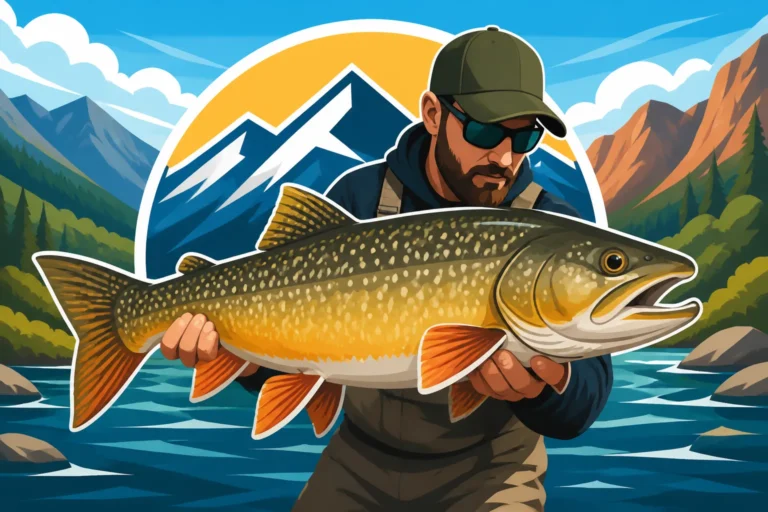
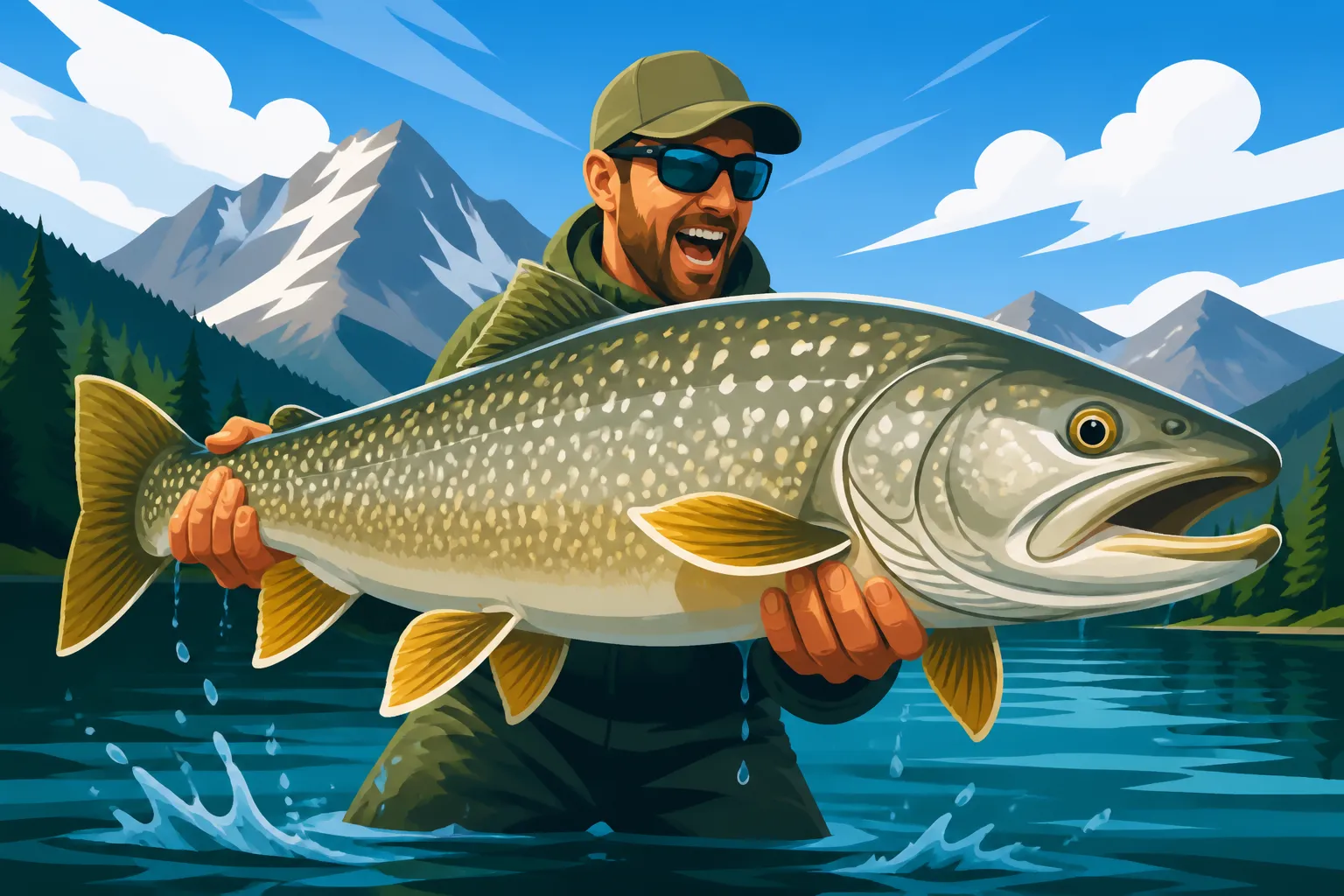
The current Colorado state record for lake trout stands as a monumental achievement, a fish that tipped the scales at an astounding 50 pounds, 5 ounces. This colossal laker, also known as a Mackinaw, stretched an impressive 47 inches in length, a true deep-water giant that would make any angler's heart pound. It was caught by Donald Walker, a name forever etched in Colorado's angling lore. Imagine the fight, the sheer power of a fish this size, battling in the cold, dark depths! It’s the kind of experience that defines a lifetime of fishing. Donald's accomplishment serves as a beacon for those who dedicate themselves to the pursuit of these incredible fish, demonstrating that the potential for truly enormous lake trout exists right here in our Colorado waters.
Where the Monster Lurked: The Record Location
The legendary 50-pound lake trout was pulled from the depths of Blue Mesa Reservoir, a name synonymous with trophy lake trout fishing in Colorado. Where Colorado's Record Lake Trout Was Caught Blue Mesa, located near Gunnison, is not just any reservoir; it's the largest body of water in Colorado, boasting immense depths and a thriving forage base that allows lake trout to grow to truly epic proportions. The reservoir's vastness and complex underwater topography create perfect hiding spots and feeding grounds for these predatory fish. For decades, Blue Mesa has been renowned for its population of sizable lake trout, but this particular catch solidified its status as a premier destination for those dreaming of a record-breaker. Its deep, cold waters, combined with a consistent supply of kokanee salmon and other baitfish, provide the ideal conditions for lake trout to thrive and achieve incredible size.
A Glimpse into History: When the Record Was Set
Donald Walker's record-setting lake trout was caught back in 2007, a testament to the enduring quality of Blue Mesa's fishery. While many records are broken and reset over the years, this particular lake trout has held its ground, a dominant figure in the annals of Colorado fishing. The year it was caught wasn't necessarily unique in terms of specific conditions, but it highlights the consistent potential of Blue Mesa and the long-standing tradition of anglers targeting these giants. It reminds us that while fishing techniques evolve and understanding of fish behavior deepens, some records stand as a benchmark for years, embodying the ultimate catch from a prime location.
Understanding Lake Trout in Colorado: A Deep Dive
Before you can hope to emulate Donald Walker's incredible feat, it helps to understand the very fish you're pursuing. Lake trout are a unique and fascinating species, perfectly adapted to the cold, deep environments they inhabit in Colorado. Lake Trout Fishing in Colorado
Lake Trout Characteristics and Habitat
Lake trout (Salvelinus namaycush), often called Mackinaw or simply "lakers," are actually members of the char family, distinct from rainbow or brown trout. They are characterized by their sleek, torpedo-shaped bodies, often marked with light spots on a darker, typically gray, green, or even brownish background. Their mouths are large, extending past the eye, equipped with sharp teeth perfect for ambushing prey. What truly sets them apart is their preference for very cold, oxygen-rich water, typically found in deeper sections of large reservoirs and high-altitude lakes. They are long-lived fish, capable of surviving for decades, which contributes to their potential for immense size. In Colorado, they seek out the deep thermoclines in summer and might be found in shallower water during cooler seasons or near spawning areas.
These fish are apex predators in their aquatic ecosystems. Their diet primarily consists of smaller fish like kokanee salmon, various minnows, and perch, but they will also opportunistically feed on aquatic insects, crustaceans, and even smaller mammals or birds if available. Their growth rate is directly tied to the abundance of food and the suitability of their habitat. Reservoirs like Blue Mesa, with vast cold-water sections and a robust population of forage fish, offer the perfect environment for lake trout to grow large and old, which is key to reaching trophy dimensions.
Why Certain Colorado Waters Grow Giant Lake Trout
The ability of a lake trout to reach state record proportions isn't just about time; it's about a perfect storm of environmental factors. Firstly, depth and cold water are paramount. Lake trout are incredibly sensitive to water temperature, thriving in the mid-40s to low-50s Fahrenheit. Large, deep reservoirs maintain these conditions even through the heat of summer, providing a thermal refuge for the fish. Without this consistent cold water, lake trout would struggle to survive, let alone thrive.
Secondly, a rich forage base is absolutely critical. In Colorado, the presence of thriving kokanee salmon populations is often directly correlated with trophy lake trout. Kokanee are an oily, protein-rich food source that allows lake trout to pack on weight rapidly. Kokanee Salmon Fishing in Colorado Other abundant baitfish, like chub and shiners, also contribute. Think of it like a cattle ranch – the more good quality feed available, the bigger and healthier the cattle become. The same principle applies to lake trout. Finally, minimal angling pressure or effective slot limits can allow more fish to reach maturity and larger sizes. Waters with regulations that encourage the release of large fish, or simply those that are less accessible, often hold more trophy potential. How Big Lake Trout Get in Colorado
Identifying Lake Trout vs. Other Species
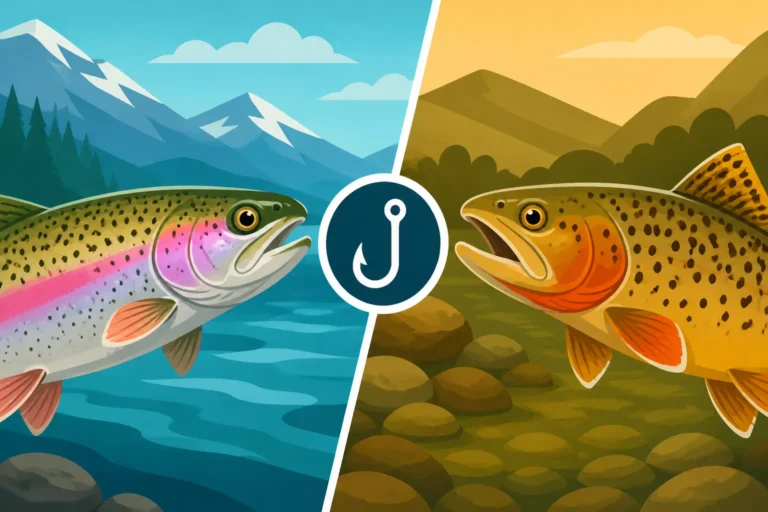
It's actually quite common for anglers, especially those new to deeper waters, to sometimes confuse a large lake trout with other species. The most frequent mix-ups are typically with brown trout or even large rainbow trout, especially if you're not used to seeing them in their deep-water coloring. However, there are some clear identifiers.
| Characteristic | Lake Trout | Brown Trout | Rainbow Trout |
|---|---|---|---|
| Body Shape | Sleek, torpedo-shaped, slightly more elongated | More robust, stockier body, deep belly | Streamlined, often slightly thicker |
| Coloration | Dark gray, green, or brown with light spots | Brown to golden with dark spots, often red halos | Silvery with dark spots, distinct pink stripe |
| Spots | Small, light spots on a darker background | Dark spots, some with light halos (like bullseyes) | Small, dark, distinct spots, no halos |
| Tail Fin | Deeply forked (often described as whale-like) | Square to slightly forked | Square to slightly forked |
| Mouth | Large, extends past the eye, sharp teeth | Large, extends past the eye, fewer teeth | Smaller, doesn't always extend past the eye |
| Adipose Fin | Present | Present | Present |
The key differentiators for lake trout are their deeply forked tail and their light spots on a darker body. Brown trout, while also large predators, typically have a more golden-brown hue with prominent dark spots, often with red or orange halos, and a much less forked tail. Rainbow trout are usually silvery with smaller black spots and a distinctive pink stripe down their side. When in doubt, a quick check of the tail fin will often tell you immediately if you've got a laker!
The Quest for Giants: Fishing Techniques for Trophy Lake Trout
Chasing trophy lake trout isn't just about luck; it's a strategic endeavor that combines specialized gear with specific techniques tailored to their deep-water habits. If you're serious about hooking into a fish like the state record, you'll need to be prepared.
Preferred Gear for Deepwater Lake Trout
When you're targeting fish that can weigh 50 pounds, your standard trout rod simply won't cut it. You need robust equipment that can handle immense strain and deep-water battles.
For rods, think heavy-power, moderate-fast action rods in the 7 to 9-foot range. These rods have the backbone to horse a big laker from the depths but enough tip action to detect subtle bites. If you're trolling, specialized downrigger rods or kokanee rods (for lighter trolling) are ideal, as they have a soft tip to absorb the shock of the downrigger release and a strong butt section. Many anglers find great options from brands like Ugly Stik or St. Croix, which are readily available on platforms like Amazon.
Reels should be baitcasting or conventional reels with a robust drag system and high line capacity. You'll be dropping lines hundreds of feet, so you need to hold a lot of line. Look for models designed for saltwater or heavy freshwater applications. The drag is your best friend when fighting a big lake trout; it needs to be smooth and powerful enough to wear the fish down without snapping the line.
Line choice is crucial. Many deepwater lake trout anglers prefer braided line as their main line due to its lack of stretch, which provides excellent sensitivity for detecting bites at extreme depths and strong hook-setting power. You'll typically spool up with 30 to 65-pound test braid, then attach a fluorocarbon leader (15 to 30-pound test) for abrasion resistance and invisibility in the clear water. For terminal tackle, heavy-duty swivels, snap swivels, and strong, sharp hooks are non-negotiable. Don't skimp on quality here; a weak component is often the culprit in losing a trophy fish. You can find a vast selection of these specialized items on Amazon, often with reviews from other deepwater anglers.
Top Tactics: Trolling, Jigging, and Bait Fishing
Targeting lake trout is a game of depth and detection. The three most effective methods are trolling, jigging, and bait fishing, each with its own nuances.
Trolling is perhaps the most popular and effective way to cover large expanses of water and present lures at precise depths. This often involves using downriggers, which are mechanical devices that deploy a heavy ball (called a cannonball) to a specific depth, allowing you to attach your fishing line to a release clip. When a fish strikes, the line pops free from the clip, and you fight the fish directly. Anglers often troll with large spoons, stickbaits, or even dodger-and-fly combinations. The goal is to imitate the primary forage, usually kokanee salmon or chub, at the depth where lake trout are actively feeding. Varying your speed, changing lures, and making turns to alter lure depth can all trigger strikes. Trolling for Kokanee Salmon in Colorado The key is patience and meticulous attention to your sonar to find the fish and their preferred depth. Best Downrigger Depth for Lake Trout in Summer
Jigging for lake trout is a more active, hands-on approach, often preferred when fish are concentrated in specific areas or during ice fishing. This involves dropping heavy jigs, spoons, or soft plastics with lead heads to the bottom or through a suspended school of fish and imparting a jerking, erratic action. Popular jigs include tube jigs, slab spoons, and heavy bucktail jigs. The "rip-jigging" technique, where you aggressively snap the rod upwards and then let the lure flutter back down, can be incredibly effective at drawing reaction strikes from lethargic lakers. Jigging demands a keen sense of touch to detect the often subtle "thump" or slackening of the line that indicates a bite. Jigging for Lake Trout Through the Ice
Bait fishing, while less common for trophy hunters, can also be effective, especially for suspended fish or when lakers are less active. This typically involves using natural bait like cut bait (parts of kokanee or chub), whole dead baitfish, or even large shiners or suckers, fished on a ledger rig or under a slip bobber in deep water. The scent of natural bait can be a powerful attractant, especially for larger, more cautious fish. Often, bait fishing is done in conjunction with electronics to place the bait precisely in front of fish marked on the sonar. It's a more passive approach than jigging or trolling but can yield excellent results, particularly during challenging conditions.
Seasonal Strategies for Big Lakers
The behavior of lake trout, and therefore the most effective fishing strategies, shifts dramatically with the seasons in Colorado.
Spring (Ice-Out to Early Summer): As the ice recedes and water temperatures are uniformly cold, lake trout can be found in shallower waters than any other time of year. They often cruise shorelines and submerged structure, actively feeding after a long winter. This is an excellent time for casting large spoons, swimbaits, or even stickbaits from shore or boat. As the water warms slightly, they'll begin to move deeper, but still relatively accessible. Early spring also offers some of the best opportunities for sight fishing in shallower, clear water.
Summer (Late June to September): This is the season when lake trout retreat to the deepest, coolest parts of the reservoir. They will hold along the thermocline – the layer of water where temperature changes rapidly – or near the bottom in the coldest water available. This is prime time for downrigger trolling with spoons or dodger-and-fly setups, targeting depths from 50 to over 200 feet. You need to use your sonar religiously to find the schools of kokanee or other baitfish, as the lakers will be nearby. How Deep Lake Trout Hold in Summer Jigging vertically over known deep structure or baitfish schools can also be highly productive. During these warmer months, a good fish finder is an invaluable tool for locating the depths where these fish are holding.
Fall (September to November): As water temperatures begin to cool, lake trout become more active and start to move shallower again, particularly as they prepare for their spawning ritual. This can be one of the best times for trophy fish, as they feed aggressively. Trolling at shallower to mid-range depths (20-80 feet) can be very effective, and jigging can also produce big fish. Some lake trout will even move onto shallow rock reefs to spawn, offering a unique, albeit sensitive, opportunity to encounter them. It's crucial to be mindful of spawning fish and handle them with extreme care, or better yet, avoid targeting them directly on their spawning beds to ensure future populations.
Winter (Ice Fishing): When the reservoirs freeze over, ice fishing becomes the go-to method for lake trout. Anglers drill holes over deep structure, drop-offs, or known baitfish areas. Jigging with heavy spoons, tube jigs, or dead bait (like sucker meat) is the primary technique. Often, two rods are allowed (with a Colorado's Second-Rod Stamp and Who Needs One if applicable), so you can set up a deadstick with bait while actively jigging another rod. Portable fish finders (flasher units) are almost essential for ice fishing, as they help you locate fish, monitor your lure's depth, and see how fish react to your presentation. Finding the right depth and being patient are key to success.
The Best Waters for Trophy Lake Trout in Colorado
While Blue Mesa Reservoir holds the state record, Colorado is blessed with several other spectacular waters that offer legitimate opportunities to hook into truly impressive lake trout. Knowing where to go and what makes these places special is half the battle.
Blue Mesa Reservoir: Home of Giants
Blue Mesa Reservoir, as the home of the state record, truly stands out as a premier lake trout fishery. Located in the Gunnison National Forest, it's a massive body of water, over 20 miles long, with depths exceeding 300 feet in places. This immense size and depth provide the ideal cold-water habitat year-round that lake trout require.
What truly fuels Blue Mesa's trophy potential is its incredibly rich and abundant kokanee salmon population. Kokanee are the primary forage for lake trout here, and with such a plentiful food source, the lakers have everything they need to grow to massive sizes. Anglers often refer to Blue Mesa's lake trout as "football shaped" due to their incredible girth, a direct result of their kokanee-rich diet. Fishing Blue Mesa Reservoir for Lake Trout
Fishing Blue Mesa requires dedication and often specialized equipment. Downrigger trolling is king during the open-water season, with anglers targeting depths of 50 to 150 feet, sometimes even deeper. Popular lures include large trolling spoons, stickbaits, and even large tube jigs trolled behind dodgers. During the winter, Blue Mesa also becomes a popular ice fishing destination for lake trout, with anglers jigging aggressively over deep structure. It's not uncommon to pull 20-30 pound fish through the ice here, a testament to the reservoir's robust fishery. The sheer scale of Blue Mesa means there's always new water to explore, and the fish can be found anywhere from main channel drop-offs to submerged humps and points.
Other Productive Lake Trout Waters
While Blue Mesa often steals the spotlight, several other Colorado reservoirs consistently produce large lake trout and offer fantastic fishing opportunities.
Lake Granby: Located near Granby in Grand County, Lake Granby is another deep, cold-water reservoir known for its healthy population of lake trout. While not typically producing the sheer numbers of 50-pounders like Blue Mesa, Granby regularly yields lake trout in the 20- to 30-pound range, with larger fish certainly present. It's also known for its strong kokanee salmon runs, which in turn support its lake trout. Anglers here employ similar tactics to Blue Mesa, focusing on deep trolling and jigging. The lake's clear waters and scenic mountain backdrop make for an incredible fishing experience.
Taylor Park Reservoir: Nestled high in the Elk Mountains near Almont, Taylor Park Reservoir is a stunning, high-altitude lake that offers fantastic lake trout fishing. Its cold, clear waters and abundant forage make it another hotspot for quality lakers. While the average size might be slightly smaller than Blue Mesa, Taylor Park produces plenty of lake trout in the 10- to 20-pound class, with trophy fish certainly possible. It's a popular destination for both boat anglers and ice fishermen seeking deep-water action. The scenery alone is worth the trip, with towering peaks surrounding the reservoir.
Eleven Mile Reservoir: Closer to the Front Range, Eleven Mile Reservoir is well-known for its trout fishery, including a good population of lake trout, especially in its deeper sections. While perhaps not as famed for trophy lakers as Blue Mesa or Granby, Eleven Mile regularly produces fish up to 10-15 pounds, with larger individuals occasionally caught. It's a great option for anglers looking to target lake trout without venturing too far into the high country. Trolling and jigging are effective here, especially focusing on the deeper channels and drop-offs.
Understanding Lake Trout Regulations
Fishing for any species in Colorado, especially trophy-caliber fish like lake trout, requires a solid understanding of the current regulations. These rules are in place to protect the fishery and ensure sustainable populations for future generations. For lake trout, specific rules often pertain to bag and possession limits, as well as size restrictions.
For example, a common regulation might allow anglers to keep a certain number of lake trout under a specific length (e.g., four lake trout under 20 inches), but then only one fish over a larger length (e.g., one over 24 inches). This is often done to protect the prime breeding stock and allow more fish to reach larger sizes. There might also be special regulations for specific waters, like Blue Mesa, where the management objectives for lake trout might be different. It's not uncommon to see waters where there's no bag limit on smaller lake trout, particularly in areas where they are seen as a threat to other species or where their population needs to be managed for ecological balance. Conversely, other waters might have very strict trophy-only regulations.
It is absolutely imperative to check the most current Colorado Parks and Wildlife (CPW) fishing regulations brochure before heading out on any trip. This brochure is updated annually and provides detailed rules for every body of water in the state. Ignoring these regulations can lead to significant penalties, including fines and potential loss of fishing privileges. Remember, regulations are designed to sustain the very fishery you enjoy, so adhering to them is part of being a responsible angler. Colorado Fishing Regulations Every Angler Should Know always read and understand them.
Responsible Angling for Trophy Lake Trout
Landing a state record lake trout is an incredible achievement, but the responsibility doesn't end when the fish hits the net. Ethical angling practices, especially for large, long-lived fish like lake trout, are crucial for the health of the fishery.
Catch and Release Best Practices for Large Fish
Many anglers pursuing trophy lake trout, even those hoping for a record, practice catch and release, especially for fish they don't intend to keep for a state record. Large fish are often the prime breeders, contributing significantly to the genetic strength of the population. Ensuring their survival after release is paramount.
Here are some key best practices:
- Minimize Fight Time: Use appropriate tackle that can land the fish quickly. A prolonged fight can exhaust a large fish, making it less likely to survive.
- Keep the Fish in the Water: Whenever possible, avoid removing the fish entirely from the water. Its gills and internal organs are supported by the water, and removing it can cause damage. If you must lift it for a quick photo, support its entire body horizontally, never hold it vertically by the jaw or tail, which can damage its spine and internal organs.
- Use a Large, Rubberized Net: A large, knotless, rubberized landing net is ideal. It cradles the fish, protects its slime coat (which is its first line of defense against disease), and prevents fins from getting tangled or broken. Many good options can be found on Amazon.
- Quick Hook Removal: Have your dehooking tools (pliers, hemostats) ready. If the fish is deeply hooked, especially in the gills or gut, it's often better to cut the line as close to the hook as possible rather than tearing delicate tissues.
- Revive the Fish: Hold the fish gently upright in the water, facing into a current if possible, and allow water to flow over its gills until it regains strength and can swim away on its own. Don't simply toss it back; ensure it's fully revived.
- Limit Photo Time: While you'll want to capture the moment, keep the fish out of the water for the absolute minimum time possible. A few seconds for a quick photo is usually fine; prolonged photo sessions are detrimental. How to Handle Trout for a Safe Release These practices help ensure that the magnificent fish you just caught can continue to contribute to the fishery and perhaps even be caught again by another lucky angler.
Conservation Efforts for Lake Trout Populations
Colorado Parks and Wildlife (CPW) plays a vital role in managing and conserving lake trout populations across the state. Their efforts are multi-faceted and crucial for maintaining the quality of these fisheries.
One significant aspect of conservation involves scientific research and monitoring. CPW regularly conducts surveys, netting operations, and tagging studies to assess population health, growth rates, and reproductive success of lake trout. This data informs their management decisions, including stocking programs and regulation adjustments. For instance, in some waters, CPW might actively manage lake trout populations to protect native species or to enhance growth rates of other sport fish. In others, they might actively promote lake trout growth due to their popularity as a trophy species.
Habitat protection and enhancement are also key components. While lake trout primarily inhabit deep reservoirs, water quality, oxygen levels, and the health of the forage base are all interconnected. Efforts to prevent pollution, manage water levels appropriately, and maintain healthy populations of kokanee salmon and other baitfish directly benefit lake trout. The revenue generated from Colorado Fishing License Costs Explained and Colorado's Habitat Stamp, Explained directly supports many of these critical conservation and management programs. Every time an angler purchases a license or stamp, they are contributing to the longevity and health of Colorado's diverse fisheries, including those that harbor record-setting lake trout. Anglers themselves are important stewards; by reporting unusual catches, adhering to regulations, and practicing ethical angling, they become partners in conservation.
Disclaimer
This article is for general informational purposes only and does not constitute professional advice. Laws, prices and regulations vary by location and change over time. Consult a qualified professional for guidance on your specific situation.