What Makes a Good Colorado Fishing Guide Besides Fish Counts
It's a common misconception, especially for those new to the stunning, sometimes challenging waters of Colorado, that a "good" fishing guide is solely defined by the number of fish you catch. We've all seen the hero shots with impressive hauls, and while a successful day of landing fish is certainly a joy, it doesn't tell the whole story. This guide will help you understand the deeper qualities that truly elevate a Colorado fishing guide from merely competent to absolutely exceptional, ensuring your experience goes far beyond just fish counts.
Beyond the Bend: The Intangibles of a Great Guide
When you're out on the river or a high-mountain lake, surrounded by Colorado's breathtaking scenery, the experience itself often outweighs the pure numbers on your hook. A truly great guide understands this and focuses on crafting a memorable day, regardless of how finicky the fish might be. They know that sometimes the best part of the trip is the journey, the conversation, or the sheer beauty of the surroundings.
The Art of Adaptability and Problem-Solving
Colorado's weather and water conditions can be notoriously unpredictable. One moment it's sunny and calm, the next a squall rolls in or the river suddenly rises due to upstream releases. A top-tier guide isn't just aware of these possibilities; they thrive on adapting to them. They'll have backup plans for different stretches of water, alternative fly or lure selections, and an innate ability to read the changing conditions. For example, if a blue-wing olive hatch was predicted but a cold front moved in, causing the fish to shut down on dries, a great guide won't just keep casting the same patterns. They'll pivot, perhaps suggesting a deep nymphing rig or moving to a different section of the river where conditions might be more favorable, demonstrating expertise in What to Fish During Colorado's Spring Runoff or High Water Tactics During Colorado's Runoff.
Think of it this way: you've planned a dream day on the Fryingpan River, hoping for some technical dry fly fishing, but you wake up to an unexpected cold snap and heavy wind. A less experienced guide might push through, leading to a frustrating day. A phenomenal guide, however, might suggest relocating to a more sheltered tailwater like the Blue River, or propose switching to streamer fishing to target bigger, less-selective brown trout holding in deeper water. They prioritize your experience and success over sticking rigidly to a preconceived plan, which often means finding fish in unexpected ways. This flexibility is a hallmark of someone truly dedicated to their craft.
Creating an Enjoyable Atmosphere
Let's be real, a bad personality can sink a fishing trip faster than a snagged fly. You're spending hours, sometimes a full day, with this person in close quarters. A great guide isn't just a fish whisperer; they're also a conversationalist, a motivator, and generally, just a good human being to be around. They know how to gauge your mood, when to chat, and when to let you soak in the quiet beauty of nature.
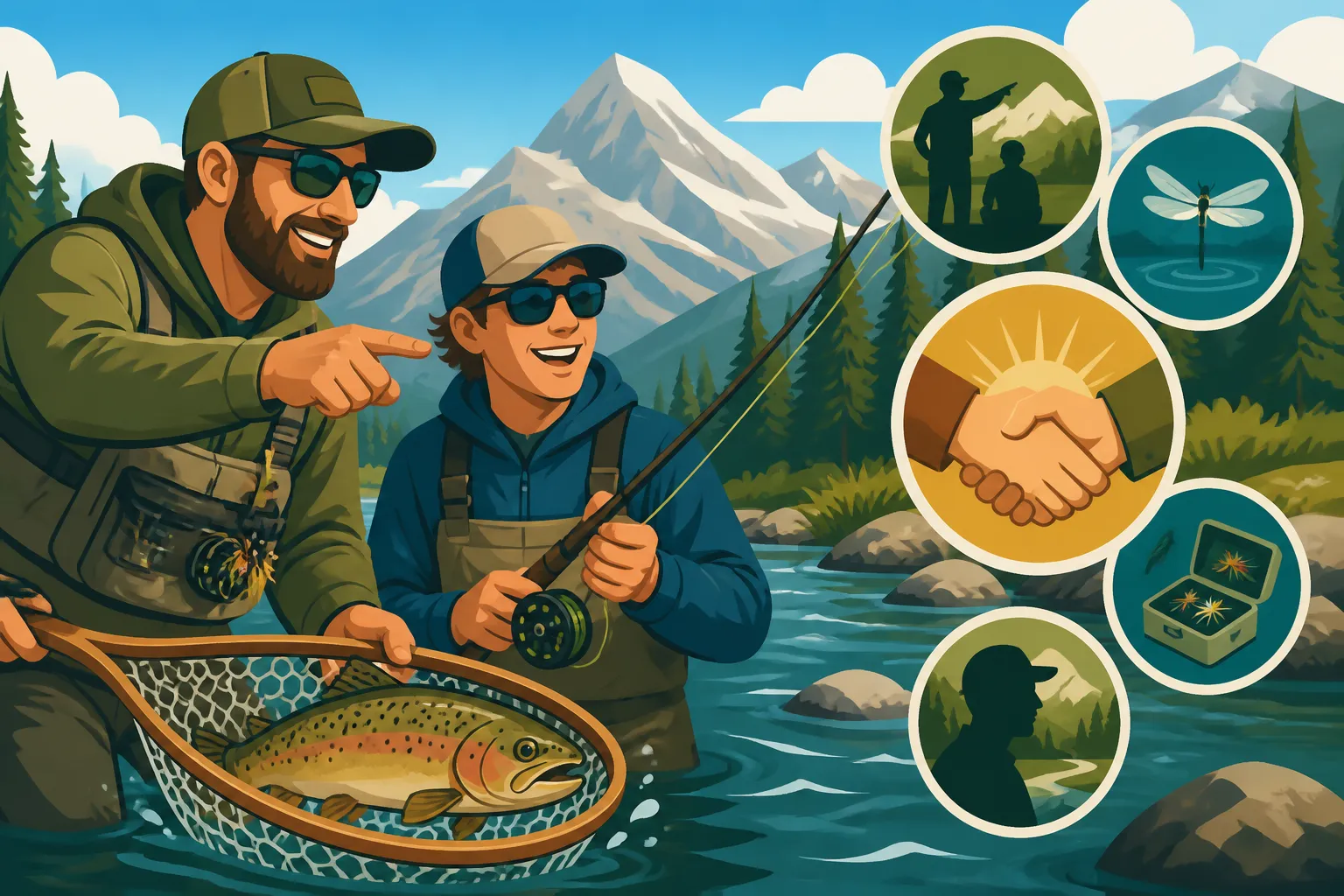
They’ll share stories of the river, point out wildlife, and make you feel comfortable, whether you're a seasoned angler or a complete novice. Imagine struggling with your cast, feeling a bit deflated. A good guide offers encouragement and a quick, easy tip that helps you get back on track, rather than making you feel inadequate. This kind of positive, supportive energy is crucial, especially when the fishing is tough. It’s about building a connection and fostering an environment where you can relax, learn, and truly enjoy your time on the water, making it a valuable experience even if the fish aren't biting every minute. When you're Hiring a Fishing Guide in Colorado, What to Expect, remember that personality fit is just as vital as angling prowess.
Safety First: A Guide's Paramount Duty
While we all head out hoping for a fantastic day of fishing, safety should always be the absolute top priority. Colorado's diverse terrain, from roaring rivers to high-alpine lakes, presents unique challenges and potential hazards. A truly professional guide puts your well-being, and their own, above everything else, demonstrating impeccable judgment and preparedness.
Expertise in Navigating Challenging Terrain
Colorado's fishing spots can range from easily accessible roadside stretches to remote wilderness areas requiring significant hiking or technical boating skills. A skilled guide is intimately familiar with the specific hazards of the waters they guide. This includes knowing where hidden currents lurk, identifying unstable banks, understanding the safe wading depths, and recognizing potential risks like slippery rocks or submerged obstacles.
For a float trip, this means not just rowing proficiently, but knowing every eddy, riffle, and rock garden on the river. They've likely navigated these sections countless times in various water levels and conditions. On a walk-and-wade trip, they'll pick the safest paths, help you over tricky spots, and be constantly aware of your footing, especially if you're crossing swift currents. They'll also be mindful of wildlife, like moose or bears, and know how to react appropriately. This deep knowledge isn't just about getting you to the fish; it's about ensuring you get there and back safely, which is invaluable. You might also want to check out What to Wear on a Colorado Guided Fishing Trip to ensure you're prepared.
Preparedness for Emergencies
Emergencies, however rare, can happen in the backcountry. A truly exceptional guide is not only equipped for such situations but has the training and composure to handle them effectively. This means carrying a comprehensive first-aid kit, knowing how to use it, and often having certifications in wilderness first aid or CPR. They'll also have communication devices, like satellite phones or personal locator beacons, for areas without cell service.
Imagine a scenario: you slip on a wet rock, twist an ankle, and can't put weight on it. A prepared guide will immediately assess the injury, provide initial care, and have a plan to get you back to the vehicle, whether it involves a makeshift stretcher, calling for assistance, or carefully assisting you step by step. This level of readiness, combined with a calm demeanor under pressure, can turn a potentially disastrous situation into a manageable setback, allowing you to focus on healing rather than panicking. It's not about if something will happen, but being ready when it might.
Knowledge & Patience: The Heart of Instruction
For many anglers, especially beginners or those looking to refine their skills, a guided trip is as much a learning experience as it is a fishing outing. A truly great guide excels as a teacher, sharing their vast knowledge with patience and clarity, tailoring their approach to each individual's needs.
The Art of Imparting Local Knowledge
Colorado's diverse ecosystems mean that what works on a high-country stream near Leadville might be completely different from what's effective on a Front Range reservoir. A top-tier guide possesses an encyclopedic knowledge of local hatches, water conditions, fish behavior in specific areas, and the subtle nuances that make a difference. They understand the intricacies of Colorado's Gold Medal Water Regulations Explained and where Colorado's 14-Inch Trout Length Rule applies.
They can tell you not just what fly to use, but why that fly, given the current conditions, water temperature, and prevailing insect activity. They’ll explain how to "read the water," identifying prime holding lies, current seams, and riffles where fish are likely to feed. This isn't just about pointing to a spot; it's about helping you understand the ecology of the river. For example, they might explain that during late summer, the biggest brown trout on a particular stretch of the Colorado River will be holding under cut banks, waiting for terrestrial insects like grasshoppers to fall in, and then teach you how to present a foam hopper pattern with a delicate splash to mimic that natural fall. This depth of understanding transforms a simple fishing trip into a masterclass.
Patient, Tailored Instruction
We all learn differently, and fishing techniques can be complex. A good guide doesn't just bark instructions; they observe, adapt, and provide feedback in a way that resonates with you. Whether you're struggling with your roll cast, learning to mend line, or trying to understand nymphing indicators, they'll break it down into digestible steps.
Consider a beginner who's never held a fly rod. A patient guide will start with the absolute basics, focusing on proper grip and a simple casting motion, celebrating small victories like a straight line or a decent loop. They won't overwhelm you with jargon or advanced techniques too early. For an experienced angler looking to refine a specific skill, like a double-haul cast or Euro nymphing, the guide will provide targeted, constructive criticism and demonstrate techniques clearly. They'll ensure you grasp the "why" behind each action, not just the "how." Many guides even offer Guided Trips for Beginners in Colorado specifically tailored to these needs. This personalized approach fosters confidence and makes the learning process enjoyable, ensuring you walk away with improved skills and a deeper appreciation for the sport.
Seamless Logistics: Making Your Trip Effortless
A truly great guide understands that your time on the water should be about fishing and enjoying nature, not worrying about the details. They handle the logistical heavy lifting, ensuring a smooth, stress-free experience from start to finish. This attention to detail contributes significantly to the overall quality of your trip, freeing you up to fully immerse yourself in the moment.
Comprehensive Gear and Preparation
One of the biggest advantages of hiring a guide is not having to worry about all the equipment. A professional guide will provide high-quality gear that is appropriate for the conditions and the target species. This typically includes rods, reels, lines, and an ample supply of flies, lures, or bait. They’ll ensure everything is in good working order and sized correctly for you, saving you the hassle and expense of acquiring it all yourself. This is particularly beneficial for out-of-state visitors or those just starting out, as discussed in What's Included in a Colorado Guided Fly Fishing Trip.
Imagine arriving for your trip to the Dream Stream, and the guide has not only a selection of top-notch rods but also several fly boxes meticulously organized with the exact patterns currently working on that specific stretch of water. They'll have a cooler stocked with water, snacks, and perhaps a packed lunch, anticipating your needs before you even voice them. They'll know the best access points, parking, and rendezvous spots, ensuring punctuality and a smooth start to your day. This meticulous preparation means less time fumbling with gear and more time fishing.
Thoughtful Service and Follow-Through
A great guide’s service doesn't start and end with the fishing itself. It extends to all the small details that make a big difference. This includes clear communication before the trip about what to expect, what to bring (like appropriate clothing and your Colorado Fishing License Guide for Residents and Nonresidents), and answering any questions you might have. Afterward, they might offer to take photos, help you clean your catch if keeping fish is allowed, or even suggest local restaurants or attractions.
They'll also follow up, perhaps with a quick email thanking you for the trip or sharing a recap of the day's highlights. This level of thoughtful service underscores their professionalism and genuine care for your experience. When you're browsing for guides, platforms like FishingBooker often allow you to read reviews from previous clients, which can give you a good sense of a guide's communication style and overall service beyond just their fish-catching ability. You can often see examples of this kind of dedicated service when you're checking platforms like FishingBooker or directly contacting outfits. This level of care creates a lasting positive impression, making you eager to book with them again.
| Quality Trait | Focus of a Great Guide | Focus of Just a Fish Counter |
|---|---|---|
| Adaptability | Reacts to changing conditions, offers alternatives, prioritizes angler experience. | Sticks to plan, gets frustrated by conditions, blames external factors. |
| Safety | Prioritizes well-being, carries first aid, knows hazards, prevents issues. | Less attentive to risks, assumes angler responsibility, reactive to accidents. |
| Teaching Ability | Patiently explains, tailors instruction, shares "why" behind tactics, builds confidence. | Gives commands, expects quick learning, focuses on outcome, might be impatient. |
| Local Knowledge | Deep understanding of specific water, hatches, fish behavior, ecology. | Basic knowledge of popular spots, might rely on general patterns. |
| Atmosphere | Engages, entertains, motivates, creates a fun, comfortable, memorable day. | Quiet, less interactive, focused solely on fish, might be unapproachable. |
| Logistics | Provides quality gear, organized, prepared for all contingencies, clear communication. | Expects angler to have everything, less organized, minimal pre-trip info. |
Disclaimer
This article is for general informational purposes only and does not constitute professional advice. Laws, prices and regulations vary by location and change over time. Consult a qualified professional for guidance on your specific situation.