Best Leader Length for Clear Tailwater Water
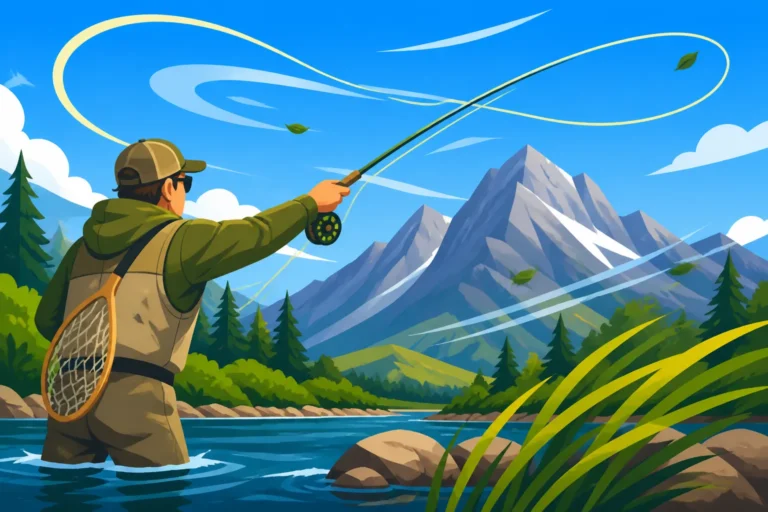
There’s nothing quite as frustrating as stepping onto a pristine, crystal-clear tailwater in Colorado, spotting a gorgeous trout, making what you think is a perfect cast, only to have that fish dart away like you’ve just dropped a bowling ball on its head. It happens to the best of us! When the water is gin-clear, trout become incredibly wary, and the length and stealth of your leader become absolutely paramount. This guide will dive deep into understanding why leader length matters so much in these conditions and how to choose the best setup for success.
Understanding the Challenge of Clear Tailwaters in Colorado
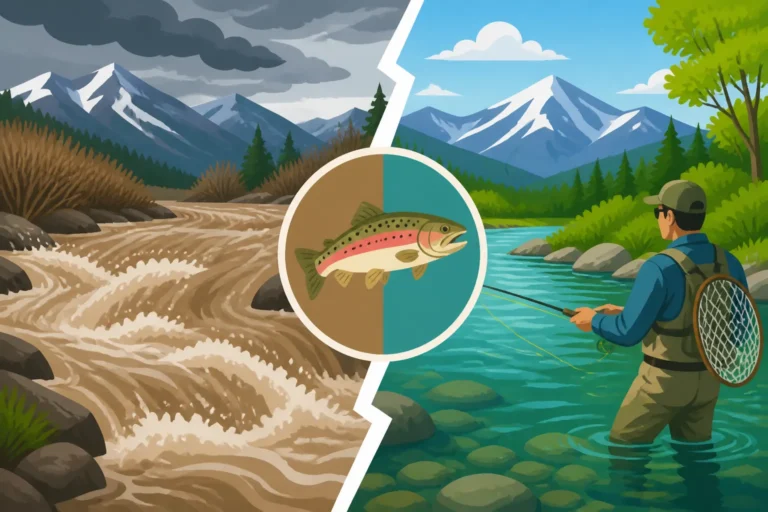
When you're fishing a tailwater, especially those below large dams like the Fryingpan River below Ruedi Reservoir, the Blue River below Dillon Reservoir, or stretches of the South Platte, you're often dealing with extremely consistent water flows and, crucially, consistent water clarity. This can be a double-edged sword: consistent flows are great for insect life and robust trout populations, but that beautiful, clear water makes fishing a true art form.
Why Clear Water Makes Trout Spooky
Trout are survivors, and in clear water, their survival instincts are on high alert. They have evolved to detect even the slightest anomaly in their environment. Imagine standing in a glass-bottom boat; you can see everything below, right? That’s essentially the trout’s perspective in clear water.
First off, there's the issue of light penetration. When water is clear, sunlight penetrates deeply, making everything visible, including your fishing line. A thick, opaque fly line casting a shadow or a leader that doesn't disappear into the water column can send fish scattering in an instant. These fish are often accustomed to seeing overhead predators like eagles or ospreys, so anything out of place on the surface or in the water column can trigger an alarm response.
Secondly, many of Colorado’s most popular clear tailwaters, especially our revered Gold Medal Waters, see a lot of angler pressure. This means the fish have been caught before – perhaps multiple times – and have developed an incredible sense of caution. They learn quickly what a "normal" insect drift looks like versus one that's tethered to a visible line. They can spot the thick butt section of a leader, the glint of a connection knot, or even the slight drag imparted by a too-short or too-thick leader. It's a constant game of cat and mouse, and the trout are often a step ahead.
The Role of Leader in Presentation
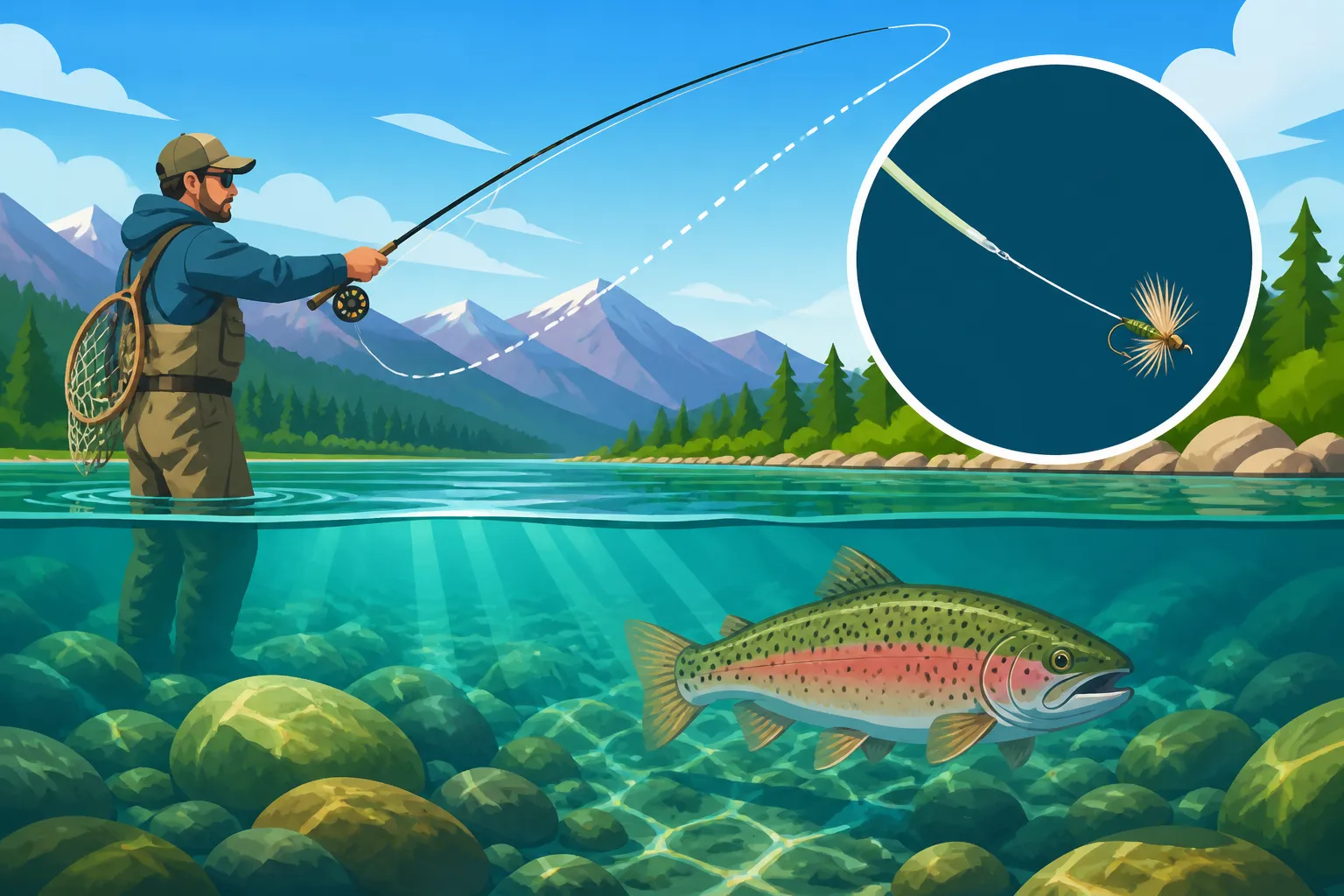
Your leader isn't just a piece of line; it's the bridge between your bright, visible fly line and your delicate, natural-looking fly. Its primary job is to provide a seamless, invisible transition that allows your fly to drift as naturally as a free-floating insect. Without a properly chosen leader, your otherwise perfect fly choice and cast could be completely undone.
A good leader for clear water needs to achieve a few critical things. It must be as invisible as possible, which means the right material and diameter. It needs to be long enough to keep your brightly colored fly line far away from the fish's immediate sightline, reducing the chance of spooking them. Furthermore, it must be tapered, meaning it goes from a thicker diameter near the fly line to a much thinner diameter at the tippet end where your fly is tied. This taper is crucial for transferring casting energy efficiently and allowing for a soft, accurate presentation that doesn't "splat" on the water, yet still allows the fly to drift freely without drag. Achieving a natural, drag-free drift is often the difference between a fish taking your fly and ignoring it, or worse, bolting.
Optimal Leader Lengths for Different Clear Tailwater Scenarios
Choosing the right leader length isn't a one-size-fits-all proposition, especially when dealing with the fickle nature of trout in Colorado's clear tailwaters. It's a nuanced decision influenced by multiple factors, but generally, the clearer and more pressured the water, the longer your leader needs to be.
Standard 9-Foot Leaders and When They Work
For many anglers, a standard 9-foot tapered leader is the default. It's versatile, relatively easy to cast, and works well in a wide range of conditions. If you're fishing a Colorado river where the water isn't quite gin-clear – maybe there's a slight stain from recent rain or a bit of chop on the surface – a 9-foot leader can be perfectly adequate.
You might find success with a 9-foot leader in slightly faster currents where the fish have less time to inspect your offering. If you're fishing stretches of the Arkansas River where the water is moving quickly, or perhaps targeting fish in riffles and pocket water, a 9-foot leader provides enough separation from your fly line without sacrificing casting control. It’s also often a good choice when fishing larger, heavier flies, like streamers, where stealth is less about hiding the line and more about delivering the lure effectively.
However, in those super clear, slow-moving pools, particularly on well-known stretches like the Dream Stream, a 9-foot leader often isn't enough. The trout there are experts at detecting anything unnatural, and the proximity of your fly line can be a major deterrent. While a 9-foot leader is a workhorse, understanding its limitations in extremely clear conditions is key to avoiding frustration.
Extending to 12-Foot Leaders for Added Stealth
When you encounter those truly clear, calm stretches of water, a 12-foot leader becomes your best friend. This extra three feet might not seem like much on paper, but it makes a world of difference underwater. A 12-foot leader provides significantly more distance between your fly line and your fly, which means the visible part of your line is much further from the fish's immediate sight. This drastically reduces the chance of spooking them.
Think about a glassy flat on the Fryingpan River, where you can see the trout suspended perfectly still, subtly sipping emergers. Or a slow, deep pool on the Blue River near Silverthorne, where trout are holding close to the bottom, barely moving. In these scenarios, a 12-foot leader allows for a much more subtle and delicate presentation. You can achieve a truly drag-free drift, allowing your fly to move exactly like a natural insect, unencumbered by the pull of your fly line. This longer leader gives you more time to mend your line and manage drag effectively, which is vital in slow currents.
The trade-off, however, is casting. A 12-foot leader, especially in windy Colorado conditions, can be more challenging to cast accurately, particularly for beginners. It requires a smoother, more controlled casting stroke to turn over properly. But with practice, the benefits in terms of increased hook-ups on wary fish are undeniable. Many experienced anglers will start with a 12-foot leader on any clear tailwater and only shorten it if conditions dictate or if they're having significant casting issues.
Going Longer: 15-Foot and Beyond for the Toughest Conditions
Sometimes, even a 12-foot leader won't cut it. For the absolute toughest, most heavily pressured, or ultra-technical clear water situations, extending your leader to 15 feet or even longer can be the secret weapon. This isn't for the faint of heart, as casting a leader of this length effectively requires considerable skill and practice.
These extra-long leaders are often favored by anglers targeting incredibly selective trout feeding on tiny midges or Trico spinnerfalls, where the smallest disturbance means an instant refusal. Imagine trying to fool a trout in the "toilet bowl" section of the Fryingpan, known for its massive, finicky rainbows. Here, the fish are practically professors of fly entomology, and every detail matters. A 15-foot leader creates the ultimate separation and allows for the most pristine, drag-free presentation possible.
Many anglers choose to build their own custom leaders for these extreme conditions, using a series of blood knots to taper from a thick butt section down to increasingly fine monofilament or fluorocarbon. You can also purchase extra-long tapered leaders from reputable brands. Stores like those found on Amazon or your local fly shop often carry 15-foot tapered leaders from companies like Rio or Scientific Anglers, specifically designed for these demanding situations. While challenging to cast, especially if there's any wind, the ability to present a size 24 midge on an 8x tippet with absolute stealth can turn a frustrating day into a memorable one. This is a tactic often employed when Midge Fishing in Colorado Winters or matching Fly Selection for Colorado's Blue-Wing Olive Hatch on highly selective fish.
Factors Influencing Your Leader Length Choice
Selecting the correct leader length is less about rigid rules and more about adapting to the dynamic environment you’re fishing in. Several key factors should always play into your decision-making process.
Water Clarity and Depth
This is perhaps the most obvious factor. As we've discussed, the clearer the water, the longer the leader you'll generally want to employ. On days with bright sunshine and glass-smooth water, a longer leader is essential to prevent your fly line from casting a visible shadow or simply appearing too close to your fly. The less cover fish have, and the more light penetrates the water, the warier they become.
Depth also plays a role, though it's not as straightforward. In very deep, clear pools, the fish might be less concerned with your fly line directly above them, as it's further away. However, the light still penetrates, making thick leader sections visible. So while depth might offer a slight reprieve, supreme clarity almost always necessitates a longer, more delicate presentation. Remember, in waters like the Fryingpan, even deep runs can be incredibly clear.
Fish Spookiness and Pressure
Colorado's most famous fisheries, particularly its designated Gold Medal Waters, are often heavily trafficked by anglers. These fish are educated, and they've seen every fly, every angle, and every type of drift imaginable. On such waters, like the popular sections of the South Platte near Deckers or the Gunnison River, trout are inherently spookier. They’ve learned to associate thick lines and unnatural drifts with danger. For these "university-educated" trout, a longer leader is often non-negotiable.
Conversely, if you're exploring a less-pressured, more remote mountain stream, the fish might be far less discerning. They might not have seen a fly line in weeks, if ever. In these scenarios, a standard 9-foot leader might be perfectly fine, allowing you to focus more on accurate casting and less on extreme stealth. It's about matching your approach to the level of caution the fish exhibit. Learning Colorado Gold Medal Water Regulations Explained can give you insights into these highly productive but challenging fisheries.
Fly Size and Type
The size and weight of the fly you’re using will also influence your leader length.
- Small Flies: When fishing tiny dry flies (size 18 and smaller) or micro-nymphs, you generally want a longer, finer leader to achieve a delicate presentation. A shorter, heavier leader can cause these small flies to "splat" on the water or drift unnaturally, blowing your cover. For techniques like Nymphing Techniques for Colorado Tailwaters, especially with small patterns, a longer leader aids in achieving a natural drift.
- Large Flies: Conversely, casting large, bushy dry flies, heavy indicator nymphs, or streamers on an extremely long, fine leader can be a nightmare. The leader might not have enough mass to properly turn over the fly, leading to poor accuracy and tangles. For these flies, you might opt for a slightly shorter leader (e.g., 9 or 10 feet) that still offers reasonable stealth while providing the necessary power to deliver the fly. When building your rig, consider How to Set Up a Nymph Rig for a Deep Tailwater Run to ensure your leader length and tippet are correctly matched to your flies.
Angler Skill and Casting Ability
Let's be realistic here. A 15-foot leader is a beast to cast, especially for a beginner or intermediate angler, or when dealing with Colorado's notorious afternoon winds. The longer the leader, the more challenging it becomes to:
- Generate line speed: A longer leader adds weight and creates more drag in the air, requiring more power and a smoother stroke to get the line moving.
- Achieve accuracy: Long leaders can be floppy and harder to control, leading to less precise fly placement.
- Turn over the fly: Getting the leader and fly to extend fully at the end of the cast is crucial for presentation, and longer leaders make this more difficult.
If you're new to fly fishing or still honing your casting skills, starting with a 9-foot or 10-foot leader and gradually experimenting with longer lengths as your technique improves is a wise approach. There’s no point in using a 15-foot leader if you can’t cast it effectively and consistently present your fly where it needs to be. It’s better to have a slightly shorter, well-presented fly than a longer leader tangled in the trees behind you!
Leader Materials, Tippet, and Practical Tips
Beyond just length, the materials you choose and how you maintain your leader system are just as crucial for success on clear Colorado tailwaters.
Fluorocarbon vs. Monofilament for Clear Water
When it comes to the material of your leader and tippet, you'll primarily be choosing between fluorocarbon and monofilament. Both have their place, but one generally excels in clear water.
- Fluorocarbon: This is often the undisputed champion for stealth in clear water. Its key advantage is that it has a refractive index very close to that of water, making it nearly invisible underwater. Additionally, fluorocarbon is denser than monofilament, so it sinks faster, which is a huge benefit when nymphing or fishing subsurface. It’s also more abrasion-resistant and less susceptible to UV degradation. The downside? It's generally less supple, has less stretch (which can be good for sensitivity but bad for shock absorption with light tippet), and is more expensive. For the butt and mid-sections of your leader, and almost always for your tippet when fishing subsurface, fluorocarbon is the preferred choice for its invisibility. Brands like Seaguar and Rio offer excellent fluorocarbon tippet and leader materials, readily available on Amazon or at local shops.
- Monofilament: Monofilament, or mono, is a classic for a reason. It's more supple, has more stretch, and generally floats (or sinks very slowly), making it excellent for dry fly fishing where you want your leader to remain on the surface. It's also more forgiving when fighting fish on light tippet due to its stretch. However, its refractive index makes it more visible underwater compared to fluorocarbon, and it's less abrasion-resistant. For the floating butt sections of a dry fly leader or for topwater presentations, mono still holds its own.
Ultimately, many anglers use a hybrid approach, building leaders with a monofilament butt section for casting turnover and floatation, transitioning to a fluorocarbon tippet section for invisibility subsurface. Always ensure your tippet size is appropriate for your fly. For small flies, you might be using 6x or 7x tippet, which demands a delicate touch and a carefully matched leader.
Building and Maintaining Your Leader
Knowing how to build and maintain your leaders is an essential skill for any serious angler, especially when dealing with the demands of clear water.
- Knot Strength: Strong, reliable knots are paramount. Learn a few key knots well, such as the blood knot for connecting two lines of similar diameter, and the surgeon's knot for connecting lines of different diameters or creating dropper tags. The Davy knot or Orvis knot are excellent choices for tying your fly to fine tippet. Practice these at home, because a broken knot is a lost fish and a lot of frustration.
- Inspecting for Damage: Before every outing, and periodically throughout the day, inspect your leader and tippet for nicks, abrasions, or kinks. Fluorocarbon, while abrasion-resistant, can still get damaged on rocks or fish teeth. Even a tiny imperfection can lead to a break on a strong fish. If you find any damage, replace that section immediately.
- Fresh Tippet: Tippet is your lifeline to the fly. It's inexpensive compared to lost flies and broken leaders. Don't be shy about replacing it frequently, especially after catching a few fish or getting snagged. Over time, tippet can get wind-knotted or simply worn, compromising its strength. Having a variety of tippet sizes on hand is critical, as conditions and fly choices can change rapidly. For example, if you're fishing a popular stream and notice other anglers are finding success, you might need to adjust your tippet to be finer and longer, as discussed in Reading Colorado's Fishing Regulations Brochure for optimal approach.
- Bulk Purchases: To save money and ensure you always have fresh material, consider buying spools of fluorocarbon and monofilament tippet in bulk. Online retailers like Amazon often have competitive prices on multi-spool packs of popular brands, allowing you to stock up on various sizes.
Adjusting Leader Length on the Fly
The ability to adapt your leader setup to changing conditions is a hallmark of an experienced angler.
- Adding or Subtracting Tippet: The easiest way to adjust your leader length in the field is by adding or removing tippet. If your 9-foot leader isn't cutting it in a glassy pool, simply add a few feet of appropriately sized tippet (connected with a strong knot like a surgeon's knot) to extend its length. Conversely, if you're moving to a faster, choppier section and finding your long leader hard to cast, you can trim off some tippet.
- Pre-tied Leaders: For maximum efficiency, especially on a longer trip, consider pre-tying a few leaders of different lengths and configurations (e.g., a 9-foot dry fly leader, a 12-foot nymphing leader with a dropper). Store them on foam spools or leader wallets, so you can quickly swap them out as conditions change or if you break a leader. This saves valuable fishing time and ensures you’re always optimized for the moment. Remember that understanding What Split Shot Size Works Best in Fast Colorado Currents can also play a huge role in your subsurface presentation, alongside your leader choice.
- Reading the Water: Pay attention to how the fish are reacting. If they're shying away from your fly, especially in clear water, a longer, finer leader should be one of your first adjustments. Observe other anglers if possible (from a respectful distance, of course). Are they using different setups? Learning to read water effectively, as taught in articles like Reading Water on a Colorado Freestone River, helps you anticipate these changes.
Here's a quick reference table to help guide your leader length decisions:
| Leader Length (Approx.) | Ideal Conditions | Advantages | Disadvantages | Notes |
|---|---|---|---|---|
| 7.5 – 9 feet | Slightly off-color water, faster currents, windy conditions | Easier to cast, better control for larger flies, more forgiving for beginners | More visible in clear/calm water, less stealth | Good general-purpose leader, especially for Best Rod Weight for Colorado Trout Fishing setups. |
| 10 – 12 feet | Clearer water, moderate to slow currents, pressured fish | Increased stealth, better drag-free drifts | Slightly harder to cast, more prone to tangles in wind | Excellent starting point for most Colorado tailwaters. Most common choice. |
| 12 – 15+ feet | Gin-clear, calm water, highly pressured/selective fish, tiny flies | Maximum stealth, ultimate drag-free presentation, minimum fly line exposure | Very challenging to cast, difficult in wind, prone to tangles, less power | Reserved for expert anglers or extremely technical situations. Can be custom-built for specific conditions. |
Finally, remember the etiquette of the river, especially in crowded, clear tailwaters. If you're wading, be mindful of How to Stay Safe Wading Fast Colorado Currents and always prioritize the health of the fish. Practice proper How to Handle Trout for a Safe Release techniques to ensure these wary fish continue to challenge anglers for years to come.
Disclaimer
The information provided in this guide is for general informational purposes only and does not constitute professional advice. Fishing regulations and conditions in Colorado can change, and it is always the angler's responsibility to consult the most current Colorado Parks and Wildlife regulations before fishing. Always prioritize safety and ethical angling practices.