Nymphing Techniques for Colorado Tailwaters
There’s nothing quite like the beauty of a Colorado river, but trying to consistently catch trout when they’re feeding subsurface can feel like cracking a secret code. Many anglers get frustrated by the sheer complexity of nymphing, especially on our crystal-clear tailwaters where fish are notoriously selective and pressured. If you’ve ever found yourself wondering why your indicator just won't dip or why those beautiful trout are ignoring your flies, this comprehensive guide is for you. We're going to dive deep into the world of nymphing techniques specifically tailored for Colorado's unique tailwater fisheries, helping you understand the subtle nuances that lead to a truly successful day on the water.
Understanding Colorado Tailwaters
Colorado's tailwaters are truly special places, and they offer some of the most consistent fishing opportunities in the state, often producing incredible numbers and sizes of trout. However, their unique characteristics also demand a specific approach, especially when it comes to nymphing. These aren't your typical freestone rivers; they operate on a different set of rules, and understanding those rules is the first step to becoming a proficient tailwater angler.
What Makes a Tailwater Special
Tailwaters are essentially rivers or streams that flow out of the base of a dam. Think of popular spots like the Fryingpan River below Ruedi Reservoir, the Taylor River below Taylor Park Reservoir, or the Blue River in Silverthorne below Dillon Reservoir. What makes these fisheries so unique is the consistent, often cold, water temperature and stable flows released from the depths of the reservoir. This consistency creates an incredibly stable environment for aquatic insect life to thrive year-round, leading to prolific hatches and an abundance of food for trout. Unlike freestone rivers that experience dramatic fluctuations from spring runoff to summer lows, tailwaters maintain a more predictable rhythm.
This consistent environment means the trout here are often larger and healthier because they have a steady food supply. However, it also means they become highly educated and selective. The fish see a constant parade of flies, both natural and artificial, and they quickly learn to distinguish between a perfect, natural drift and a poorly presented imitation. You’ll notice fish in these waters often take a split second longer to inspect a fly, requiring absolute precision in your presentation and fly selection. It's a challenge, no doubt, but one that rewards diligent effort with some of the most magnificent trout you'll ever encounter. This stable temperature also means that Winter Fishing on Colorado's Tailwaters can be incredibly productive, unlike many high-country freestones that freeze solid.
Another defining characteristic of tailwaters is the clarity of the water. Because the water often comes from the bottom of a deep reservoir, it tends to be very clean and clear, especially compared to runoff-affected freestones. This crystal-clear water is a double-edged sword: it allows you to sometimes sight-fish to trout, which is incredibly exciting, but it also means the fish can see you and your leader much more easily. Spooking fish is a constant concern on tailwaters, requiring a stealthy approach, long leaders, and fine tippet. You can't just crash through the willows to get to the bank; careful movement and a low profile are essential to avoid sending those wary trout darting for cover.
Common Hatches and Food Sources
The stable conditions of tailwaters lead to incredibly predictable and often dense insect hatches, which in turn dictate a lot of the nymphing strategy. Midges are the unsung heroes of Colorado tailwaters, present year-round and often comprising the vast majority of a trout's diet. You'll see tiny adults buzzing on the surface even in the dead of winter, but the larvae and pupae are constantly drifting in the water column. Blue-Winged Olives (BWOs) are another prolific species, particularly during overcast days in spring and fall, and sometimes even in winter. These tiny mayflies also have a significant nymphal stage that trout key in on.
Beyond midges and BWOs, you'll encounter Caddis in various forms, especially in spring and summer, with their distinct larval cases and pupal shucks. Stoneflies, particularly smaller varieties, can also be present, often clinging to rocks and providing a large, protein-rich meal when dislodged. And, of course, there are always scuds and sowbugs – small, shrimp-like crustaceans that thrive in the rich aquatic vegetation and provide a constant food source. Understanding these primary food sources is paramount for successful nymphing, as your fly selection will revolve around imitating them. It’s a constant puzzle trying to Matching the Hatch on Colorado's Tailwaters, but a rewarding one.
What’s fascinating about tailwaters is how localized these food sources can be. One section of a river might have an abundant midge population, while another stretch, perhaps slightly warmer or with different substrate, might be teeming with scuds. Learning to identify these creatures, even just by flipping over rocks in the streambed, can give you invaluable clues about what the trout are feeding on. This micro-observation is a crucial skill for any nymph angler, as it allows you to narrow down your fly choices and present offerings that truly mimic what’s available to the fish. Without this insight, you’re just guessing, and tailwater trout are rarely fooled by guesswork.
Seasonal Considerations for Tailwaters
While tailwaters are known for their consistency, fishing conditions still shift with the seasons, impacting where and how you’ll want to nymph. Winter on a Colorado tailwater is often characterized by cold, low flows and highly concentrated fish in deeper, slower pools. Midges become the dominant food source, and presentation needs to be incredibly subtle with tiny flies and light tippet. It's a game of patience and finesse, often requiring long drifts to tempt a bite. You might find fish holding tight to the bottom, almost lethargic, requiring a fly that bumps them directly on the nose.
Spring brings increasing flows and the first major hatches of Blue-Winged Olives and Caddis. Fish become more active, moving into faster water to feed. This can be a transition period, where you might still be using small winter nymphs, but also start incorporating larger, more active patterns. As flows increase, it’s important to understand Why Tailwaters Fish Better Than Freestones During Runoff because the consistent water temperature shields them from the turbid, cold meltwater that affects unregulated rivers. Early spring also means you might start to see more surface activity, but nymphing will almost always remain the most consistent producer.
Summer on tailwaters typically means good flows, warmer water (though still cold compared to freestones), and a wider variety of insect life, including terrestrials falling into the water. Trout spread out and can be found in a variety of water types, from riffles to deeper runs. You can often get away with slightly larger nymphs and a bit more aggressive presentations, though finesse is always rewarded. During the warmest parts of summer, especially in the afternoon, dry fly fishing can be excellent, but mornings and evenings often see fish still focused on nymphs. Finally, Fall brings cooler temperatures, a resurgence of BWO hatches, and often the pre-spawn feeding frenzy for brown trout. Larger nymphs that imitate stoneflies or even egg patterns can be highly effective, as trout are aggressively packing on calories. This is also when some of the biggest fish are often caught on nymphs as they prepare for spawning. Understanding these seasonal shifts allows you to adapt your strategy, from your leader length to your fly selection, ensuring you're always presenting the right offering. You can learn more about these broader patterns in our guide to Colorado Fishing Seasons Month by Month.
Essential Nymphing Gear for Colorado Tailwaters
Getting set up for nymphing on Colorado's demanding tailwaters requires more than just a rod and a few flies. The right gear makes a monumental difference in your ability to detect subtle takes, achieve perfect drifts, and land powerful trout on light tippet. Skimping on the details here can lead to endless frustration and fewer fish in the net. Think of your gear as an extension of your senses; the more sensitive and capable it is, the better you’ll be at the delicate art of nymphing.
Rods, Reels, and Lines
For most Colorado tailwater nymphing, a fast-action fly rod in the 9 to 10-foot range and a 4- or 5-weight size is generally ideal. The extra length of a 9 or 10-foot rod is incredibly beneficial for line control, allowing you to mend line effectively, keep your leader off the water, and achieve longer, drag-free drifts – all critical components for successful nymphing. A fast-action rod provides the backbone needed to cast weighted nymph rigs and to quickly set the hook, which is crucial when detecting those barely perceptible takes that tailwater trout often exhibit. While a standard 9-foot 5-weight is a versatile choice, many dedicated nymphers opt for a 10-foot 3- or 4-weight for its incredible sensitivity and ability to protect lighter tippets. This longer, lighter setup is especially advantageous for techniques like Euro nymphing, where direct contact is key.
Your reel doesn't need to be a high-end, large-arbor drag monster for most nymphing, as you'll primarily be fighting fish with the rod itself. However, a reliable reel with a smooth drag is always a good investment, especially when you hook into one of those surprisingly large tailwater browns or rainbows. A good quality disc drag will help cushion runs and protect your lighter tippets from snapping under pressure. As for fly line, a weight-forward floating line is the standard. Some anglers prefer a nymph-specific taper, which often has a heavier front taper designed to turn over multiple weighted flies and indicators more easily. For Euro nymphing, a specialized nymphing line, which is typically thinner and lighter, is essential for maintaining direct contact with your flies and detecting subtle strikes. Many excellent options are available for purchase on platforms like Amazon, offering a wide range to fit different budgets and preferences.
Leaders, Tippet, and Indicators
This is arguably the most critical component of your nymphing setup for clear Colorado tailwaters. Trout in these waters are incredibly leader-shy, so you need long, stealthy leaders and the finest tippet you can get away with. A standard tapered leader of 9 to 12 feet, usually starting with a butt section of 0X or 1X and tapering down to 3X or 4X, is a good starting point. From there, you’ll add multiple sections of finer tippet. For challenging conditions and highly selective fish, expect to use tippet in the 5X to 7X range. Fluorocarbon tippet is preferred over monofilament for nymphing because it sinks faster, is less visible underwater, and is more abrasion-resistant, which is a huge plus when your flies are bouncing along the bottom. Our article on Best Leader Length for Clear Tailwater Water goes into more detail on how to choose.
When it comes to indicators, the choices are vast, but the goal remains the same: to detect strikes. Strike indicators come in many forms: foam, yarn, suspendots, or even dry flies in a dry-dropper setup. Foam indicators like the popular Thingamabobber or Air-Lock Strike Indicators are highly visible and float well, making them great for heavier rigs. Yarn indicators offer a more subtle presentation and are less prone to splashing, which can be beneficial in calm water. Suspendots, small pieces of putty, are incredibly sensitive and can be molded directly onto your leader, allowing for precise depth adjustments. The key is to use an indicator that’s sensitive enough to show the slightest hesitation or twitch, as these often indicate a fish taking your nymph. Experiment with different types to find what works best for your eyes and the conditions. For those ultra-picky fish, knowing How Fine a Tippet You Need for Selective Tailwater Trout can be the difference between a frustrating day and a successful one.
Waders, Boots, and Safety Gear
Staying comfortable and safe is paramount, especially during the long hours often spent nymphing in cold tailwaters. Breathable stockingfoot waders are the industry standard, allowing you to stay dry without overheating during warmer months, and layering up underneath in winter. Brands like Simms and Orvis offer durable options, but many quality waders are available at various price points on Amazon. Paired with your waders, a good pair of wading boots with felt or rubber soles provides crucial traction on slippery, algae-covered rocks. Many anglers prefer studded rubber soles for extra grip, particularly when navigating fast currents or icy banks. Don't forget a wading belt; it's not just for keeping water out if you take a spill, but also a vital safety device that can save your life by preventing your waders from filling completely with water.
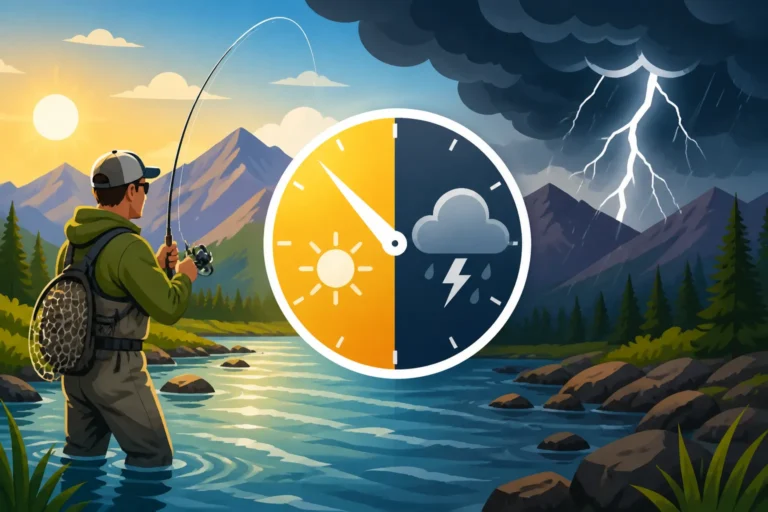
Beyond your waders and boots, a few other safety items are non-negotiable. A wading staff is a truly invaluable tool for stability and probing unfamiliar depths, especially in murky or fast water. Even on clear tailwaters, the current can be deceptive, and a staff can prevent a dangerous fall. Polarized sunglasses are also essential, not only for protecting your eyes from UV rays and errant hooks but, more importantly, for reducing glare and allowing you to see into the water to spot fish or identify structure. Finally, a small first-aid kit, a whistle, and knowledge of basic river safety are always wise precautions. Tailwaters, while consistent, can still present challenges like strong currents or sudden changes in flow from dam releases, so always remain aware of your surroundings.
Core Nymphing Rigs and How to Tie Them
Nymphing isn't a single technique; it's a family of approaches, each with its own advantages depending on the water, the fish, and your personal preference. Mastering these core rigs will equip you to tackle most nymphing scenarios you'll encounter on Colorado's rivers. It’s not just about tying the flies on, but understanding the mechanics of how each rig is designed to present those flies to feeding trout.
The Classic Indicator Nymph Rig
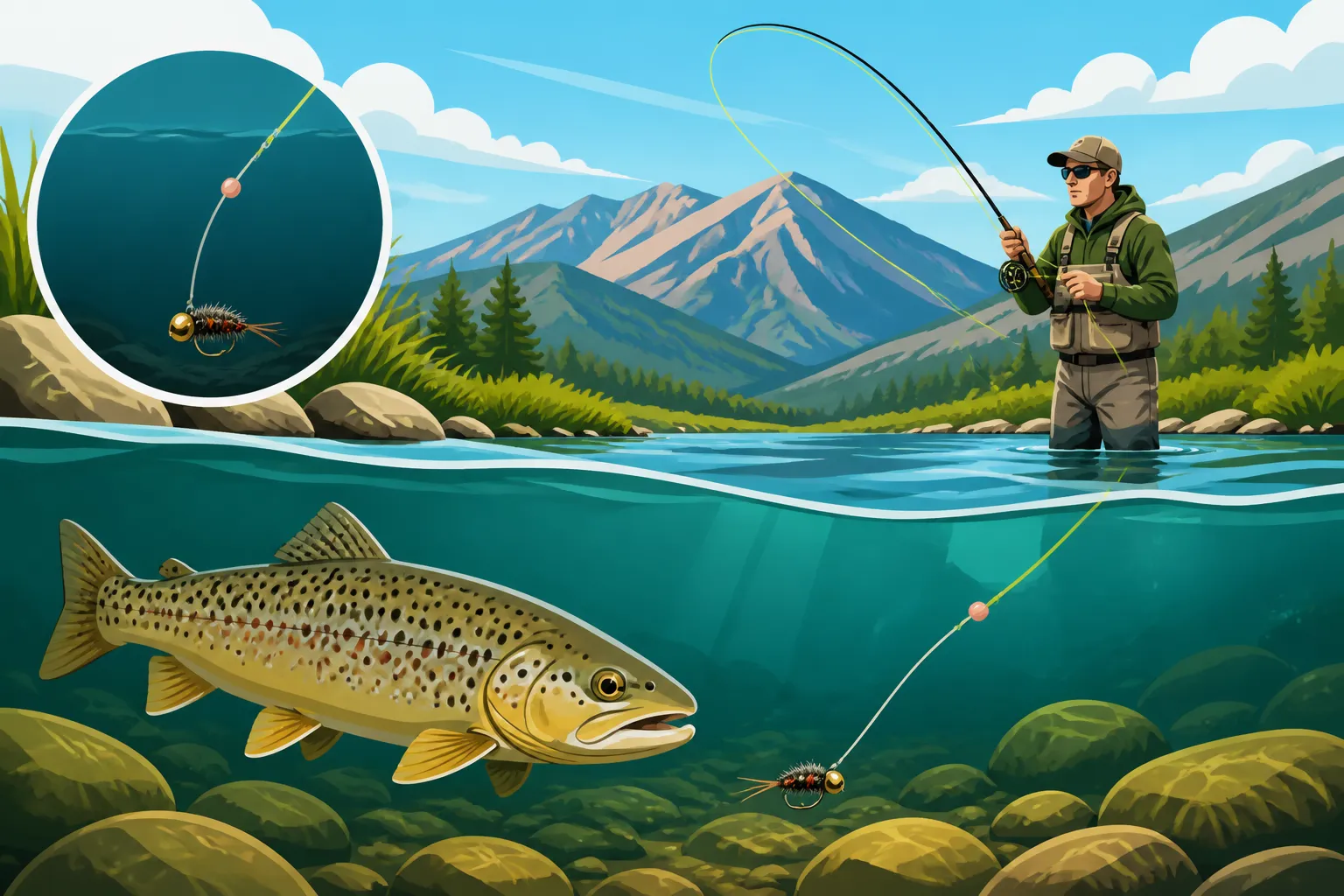
The indicator nymph rig is probably the most widely used and versatile nymphing setup, perfect for fishing a wide range of water types, from slow pools to moderate riffles. The basic idea is to suspend one or more weighted nymphs under a buoyant indicator, allowing them to drift naturally through the water column. To set up this rig, start with your tapered leader, usually 9-12 feet long. Attach a section of tippet (typically 4X or 5X) to the end of your leader. This is where you’ll tie on your first fly, often called the "point fly" or "anchor fly." This fly should be heavier and larger, designed to get your rig down to the strike zone quickly. Think a tungsten-beaded Pat's Rubber Leg or a heavy Pheasant Tail.
Above your point fly, you’ll attach a second section of tippet (often 5X or 6X, a foot to 18 inches long) to the bend of the hook of your point fly. This is called the "dropper" or "tag" tippet, and to its end, you’ll tie your second, smaller nymph. This could be a tiny Midge larva, a small BWO nymph, or a micro-scud. The idea here is that the lighter dropper nymph will drift more freely, often appearing more natural, while the heavier point fly helps get both flies into the feeding zone. Above your leader, you'll attach your strike indicator. The distance from the indicator to your point fly should be roughly 1.5 to 2 times the depth of the water you're fishing. This allows your flies to sink and drift naturally near the bottom. Sometimes, you might add a small amount of What Split Shot Size Works Best in Fast Colorado Currents to the leader above your point fly to help get it down faster, especially in deeper, swifter water. Understanding How to Set Up a Nymph Rig for a Deep Tailwater Run effectively can dramatically increase your hook-ups in crucial holding water.
One of the biggest frustrations with indicator nymphing is achieving a truly drag-free drift, which is critical for success on clear tailwaters. Drag occurs when your fly line, leader, or indicator moves at a different speed than your nymphs, causing them to move unnaturally. To combat this, you need to constantly mend your fly line. Mending involves repositioning your fly line on the water upstream of your indicator, allowing the current to catch the line and pull it downstream at the same speed as your flies. This creates slack in your leader, letting your nymphs tumble naturally. Watching your indicator is key: any hesitation, subtle sideways movement, or sudden dip should prompt an immediate hook set. Tailwater trout often take flies very gently, so distinguishing a bite from a snag on the bottom takes practice and focus. A slight hesitation on the indicator, or even just a sudden stop, often means a trout has inhaled your fly.
The Dry-Dropper Combination
When you want to present nymphs but also have a chance at rising fish, or simply want a more natural, splash-free indicator, the dry-dropper rig is an excellent choice. This setup uses a buoyant dry fly as your "indicator" and suspends one or more nymphs below it. It’s particularly effective in shallower water, during periods of sparse surface activity, or when fish are holding in slightly faster riffles where a traditional indicator might hinder the drift. The beauty of this rig is its versatility: you can catch fish on the dry fly if they decide to look up, or on the nymphs if they're feeding subsurface. This is a popular option on many of Colorado's freestone rivers as well, as highlighted in our guide to Dry-Dropper Rigs for Colorado Freestones.
To construct a dry-dropper rig, start with a large, high-floating dry fly. Think a big Chubby Chernobyl, a Stimulator, or a substantial foam hopper pattern. These flies are designed to float well and support the weight of a nymph or two. Tie this dry fly to the end of your standard tapered leader. Then, from the bend of the hook of your dry fly, tie a section of tippet (usually 18-36 inches of 5X or 6X fluorocarbon) and attach your first nymph. This nymph should be lightly weighted; tungsten beads are still good, but you don’t want anything so heavy that it sinks your dry fly. A Pheasant Tail, Hare’s Ear, or a small Perdigon nymph works well here. If you want to run a second nymph, you can tie another short section of tippet (6-12 inches, 6X or 7X) from the bend of the first nymph and attach a smaller, unweighted pattern like a tiny Midge larva or pupa.
The key to a successful dry-dropper rig is selecting a dry fly that can adequately support the weight of your nymphs without sinking. If your dry fly starts to drag under, your nymphs aren't drifting naturally, and you’ll need to switch to a more buoyant dry fly or lighter nymphs. Presentation with a dry-dropper is similar to standard dry fly fishing: aim for a drag-free drift where your dry fly floats naturally on the surface. Any hesitation, movement, or disappearance of the dry fly should be met with an immediate, firm hook set. This rig is especially effective in pocket water or along bankside seams where fish might be looking for both fallen terrestrials and drifting nymphs. It offers a very subtle entry into the water, often spooking fewer fish than a large foam indicator.
Euro Nymphing: A Specialized Approach
Euro nymphing, also known as tightline nymphing or contact nymphing, has gained immense popularity for its incredible effectiveness, especially on technical tailwaters where fish are highly selective. This technique completely eliminates the traditional strike indicator, relying instead on direct contact with your flies and visual cues from a brightly colored "sighter" section of leader. It’s a highly active and engaged style of fishing that puts you in direct control of your flies, allowing for unparalleled sensitivity and presentation precision. Our guide on Euro Nymphing Basics for Colorado Rivers offers a deeper dive into getting started with this method.
Setting up a Euro nymphing rig involves some specialized components. You'll typically use a longer, lighter rod (10 to 11 feet, 2 to 4-weight) to maximize reach and sensitivity. Instead of a traditional fly line, many Euro nymphers use a thin, level monofilament line or a specialized Euro nymphing line that reduces sag and increases contact. The heart of the rig is the leader, which is much longer and more complex than a standard leader. It often starts with a heavy butt section, tapers down to a brightly colored sighter (often bi-colored monofilament or braided leader material), and then transitions to a long section of tippet (often 5X to 7X, 2-6 feet long). Your nymphs, typically two or three, are tied directly to this tippet section, usually with a heavier fly on the point and lighter flies as droppers spaced 18-24 inches apart. The flies themselves are often slender, heavily weighted "Perdigon" style nymphs designed to sink quickly.
The technique involves casting upstream or slightly across stream, then immediately raising your rod tip to eliminate slack and maintain direct contact with your flies. You guide the flies through the current with your rod tip, keeping the sighter just above the water's surface. This direct connection allows you to feel the slightest tick or bump as your flies drift, and crucially, to see the subtle movements of your sighter, which will indicate a strike. A sudden stop, twitch, or hesitation in the sighter means a fish has taken your fly, prompting an immediate, upward hook set. This method allows for incredible depth control and precision, making it deadly effective in complex currents and for finicky fish that won't tolerate drag. It's not a relaxed style of fishing; it demands constant attention and an engaged approach, but the rewards on challenging waters like the Fryingpan or the Dream Stream can be extraordinary.
Mastering Nymphing Techniques on Colorado Rivers
Nymphing isn't just about tying on the right flies; it's about understanding the environment, interpreting the subtle signs, and executing precise presentations. On Colorado's demanding rivers, especially the clear tailwaters, these nuances become even more critical. It takes practice, patience, and a keen eye to truly master the art of nymphing.
Reading the Water for Nymphing Success
One of the most valuable skills an angler can develop, regardless of the technique, is the ability to read the water. For nymphing, this means identifying where trout are most likely to hold and feed on subsurface insects. Trout are always looking for three things: food, cover, and comfortable water temperatures. In a river, this often translates to slower seams adjacent to faster currents, riffles that funnel food, deeper pools where fish can rest, and areas with structure like submerged rocks, logs, or undercut banks. Our guide to Reading Water on a Colorado Freestone River provides a great foundation, much of which applies to tailwaters.
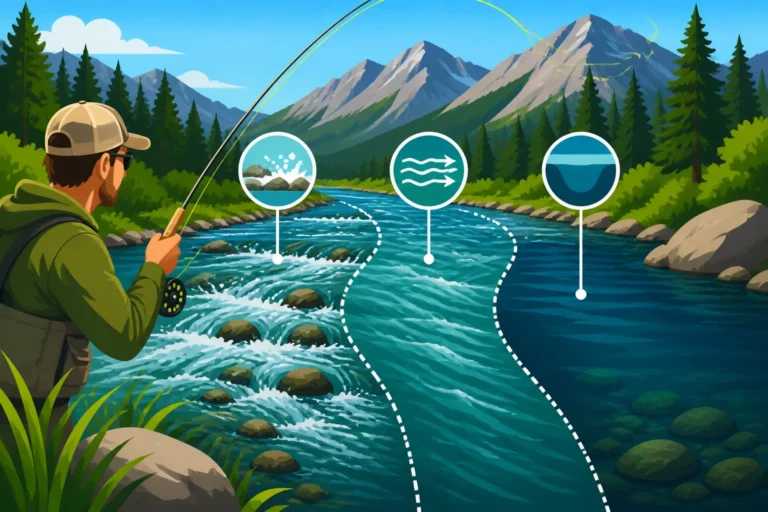
On tailwaters, look for subtle changes in current speed and depth. Seams, where fast water meets slow water, are prime holding lies because they offer a conveyor belt of food with minimal effort for the fish. Deeper runs and pools, especially those with consistent current, are also excellent, particularly during colder months when fish conserve energy. Don't overlook the "soft water" directly downstream of large rocks or structure; these "cushions" provide a calm resting spot while food washes by. Also, pay close attention to areas with increased aquatic vegetation; these often harbor scuds, sowbugs, and various nymphs, making them a cafeteria for trout. The clearer the water, the more you can often visually confirm these holding lies and even sometimes spot the fish themselves, allowing for targeted casts.
A common frustration is casting into seemingly "fishy" water and getting no bites. This often means you’re either not reaching the fish’s depth, or your flies are drifting unnaturally. When reading the water for nymphing, always consider the path your flies will take. Visualize your leader, flies, and any split shot sinking through the water column. Are they going to tumble along the bottom where the fish are feeding, or are they going to be swept over their heads? This visualization is paramount. For example, if you're fishing a deep, fast run, you’ll need more weight or a longer drift to get your flies down. If you're targeting a shallow riffle, less weight and a shorter leader might be necessary. It's a constant mental exercise of predicting water flow and fish behavior, and with practice, you'll develop an instinct for where to cast and how to present.
The Perfect Drift and Presentation
Achieving a perfect, drag-free drift is the holy grail of nymphing, especially on pressured Colorado tailwaters. Trout are incredibly sensitive to unnatural movement; even the slightest drag can cause them to refuse an otherwise perfect fly. A drag-free drift means your nymphs are moving at the exact same speed as the natural current, mimicking a real insect tumbling downstream. This requires meticulous line management and constant attention.
The process begins with your cast. For indicator nymphing, an upstream or slightly up-and-across cast is often best, allowing your flies time to sink before they reach the prime holding water. As your flies hit the water, immediately raise your rod tip and perform an "upstream mend." This means flipping a loop of fly line upstream of your indicator, allowing the current to catch the line and pull it downstream, matching the speed of your flies. You’ll likely need to make several small, precise mends throughout your drift to compensate for varying current speeds. The goal is for your indicator to float smoothly, without any sudden jerks or accelerations. For Euro nymphing, the concept is similar, but instead of mending, you’re constantly adjusting your rod tip position to maintain direct contact with your sighter and flies, keeping them moving at the same speed as the current directly below your rod. How to Approach a Tailwater Without Spooking Trout also ties directly into presentation, as a heavy splash or casting over fish can ruin your chances.
Another crucial aspect of presentation is depth. Trout almost always feed within inches of the bottom or where nymphs are concentrated. If your flies aren't reaching the fish’s feeding zone, you won't get bites. Adjust your indicator depth, add or remove split shot, or change the weight of your flies until you’re consistently ticking the bottom. You want your flies to occasionally tap the rocks and gravel, indicating they are in the zone, but not constantly snagging. It’s a delicate balance. Finally, always consider your casting angle. Casting directly upstream can be effective in shallower water, but an up-and-across cast often provides a longer drift and allows you to cover more water without spooking fish directly beneath you. The pursuit of the perfect drift is an endless journey, but each successfully hooked fish on a drag-free nymph reinforces the importance of this foundational skill.
Setting the Hook and Fighting Fish
Detecting a strike while nymphing can be incredibly subtle. On clear Colorado tailwaters, trout are often not aggressive, slashing at flies; instead, they might simply open their mouth, inhale the nymph, and close it, resulting in a barely perceptible movement of your indicator or sighter. This is where vigilance and quick reflexes come into play. Any unnatural pause, twitch, sideways movement, or sudden dip of your indicator should be treated as a strike and met with an immediate hook set. When Euro nymphing, feeling a slight "tick" or seeing your sighter hesitate or move unnaturally are your cues. Don't wait; set the hook! The mantra is "hook sets are free," meaning it's better to set the hook on a false alarm than to miss a fish.
When you do detect a strike, the hook set should be swift and firm, but not overly powerful, especially when using light tippet. A common mistake is a wide, sweeping rod motion that can snap delicate tippet. Instead, a sharp, upward or upstream flick of the wrist, raising the rod tip, is usually sufficient to bury the hook. Once you’ve hooked a fish, the fight begins, and it’s critical to fight the fish efficiently and ethically. Keep your rod tip high, using the flex of the rod to absorb the fish's runs and head shakes. Avoid pointing your rod directly at the fish, as this eliminates the shock absorption and puts direct pressure on your tippet, risking a break. Apply steady side pressure to steer the fish away from snags and guide it towards your net.
On light tippet (5X-7X), fighting a strong tailwater trout can be a nerve-wracking experience. Don't try to horse the fish in; let the rod and reel's drag do the work. If the fish runs, let it take line, maintaining constant pressure. For a cleaner, more ethical release, try to land the fish as quickly as possible to minimize stress. Once in your net, keep the fish in the water as much as possible, especially if you plan to release it. Handle the fish with wet hands, avoid squeezing it, and remove the hook gently. Knowing How to Handle Trout for a Safe Release is crucial for maintaining the health of our precious fisheries. Consider crimping down the barbs on your hooks to make releases even easier, a practice often encouraged on many of Colorado's Gold Medal Waters.
Top Nymph Patterns for Colorado Tailwaters
Choosing the right nymph patterns is crucial for consistent success on Colorado's tailwaters. Given the clear water and educated trout, specific imitations often outperform general patterns. While the "hot fly" can change daily, certain patterns consistently produce. It’s always a good idea to have a range of sizes and colors for each pattern, as subtle variations can make a big difference. Many of these excellent patterns can be found in your local fly shop or ordered conveniently from Amazon.
Early Season and Winter Nymphs
During the colder months and early season, trout on tailwaters are often feeding heavily on midges and small, sparse mayfly nymphs. Your fly box should be packed with tiny, unassuming patterns. Zebra Midges (sizes 18-24, black, red, olive, and cream) are absolute staples. These simple, bead-head midges imitate both larvae and pupae and are incredibly effective, often fished in tandem. The subtle flash of the wire body can be just enough to grab a trout's attention in clear, cold water. Another must-have is the Griffith's Gnat (larva/pupa) in tiny sizes (20-24). While often thought of as a dry fly, a submerged Griffith's Gnat can perfectly imitate a midge cluster or emerging pupa. Our guide to Midge Fishing in Colorado Winters emphasizes the importance of these tiny flies.
Blue-Winged Olive (BWO) nymphs (sizes 18-22) are also essential during this period, especially on overcast days. Patterns like the Barr's Emerger or a simple Pheasant Tail Nymph (with a small bead head) effectively imitate these emerging mayflies. Sometimes, a touch of flash or a hot spot on a tiny nymph can trigger a strike. Consider a Juju Baetis or a Two-Bit Hooker for their quick-sinking profile and subtle attractor qualities. For even smaller offerings, RS2 Nymphs in gray or black (sizes 20-24) are deadly, especially when fish are keying in on emergers. The common frustration of fishing tiny flies is their delicate nature, but the rewards are often worth the effort on selective fish. Remember to carry a good pair of magnifiers or readers for tying these micro patterns to your incredibly fine tippet.
Lastly, don't forget the Scud and Sowbug patterns (sizes 14-18) during winter. These crustaceans are prevalent in many tailwater ecosystems, especially where there's abundant aquatic vegetation. Grey, olive, and natural colors are usually best. A well-tied scud or sowbug, drifting naturally along the bottom, can entice even the most reluctant trout. These patterns offer a bit more bulk and protein than midges or BWOs, providing a substantial meal for lethargic winter fish. They are particularly effective when fished as your heavier point fly in a two-nymph rig. Our guide on Best Midge Patterns for Colorado Winter Fishing provides more specific recommendations for these challenging conditions.
Spring and Summer Staples
As temperatures rise and insect activity increases, your nymph box can expand to include a wider array of patterns. Caddis larva and pupa imitations become incredibly important during spring and summer. Patterns like the LaFontaine’s Sparkle Pupa (sizes 14-18, tan, olive) or a simple Grannom Caddis larva are excellent. These flies imitate the stages of caddis that trout actively seek out as they drift or emerge. Pairing a caddis pupa with a smaller midge or BWO nymph can be a deadly combination when both hatches are occurring.
Larger Mayfly nymphs like a Hare’s Ear Nymph or Prince Nymph (sizes 14-18) are highly versatile and effective throughout spring and summer. These patterns are more general imitations, but their buggy appearance and reliable sink rate make them consistent producers. For brighter conditions or when fish are feeding aggressively, attractor nymphs with a bit of flash, like a Copper John (sizes 14-18, red, copper, green), can be very effective, especially as a lead or point fly. The flash can grab the attention of a fish from a greater distance, drawing them in for a closer look.
During the summer, especially after spring runoff, many tailwaters also see increased activity from Stonefly nymphs (smaller patterns, sizes 10-14, like a Pat’s Rubber Leg or a 20-Incher Stone). While true large stoneflies are less common on some tailwaters compared to freestones, smaller varieties are often present and provide a substantial meal. These are excellent choice for your heavier point fly, getting your rig down quickly. And don't forget Terrestrial Nymphs like drowned ants or small beetles, though less common subsurface than their dry fly counterparts, can still occasionally tempt a curious trout, especially near grassy banks. Having a good mix of these patterns ensures you're ready for the varied insect life of spring and summer.
Fall Favorites
Fall on Colorado tailwaters is often celebrated for its stunning scenery and aggressive brown trout, making it a fantastic time for nymphing. As water temperatures begin to drop and brown trout prepare for their spawn, their feeding behavior changes, and so should your fly selection. Blue-Winged Olive (BWO) nymphs (sizes 18-22) make a strong comeback in the fall, particularly on cloudy days, making patterns like the Barr's Emerger or a Split Case BWO invaluable.
However, the real game-changers in fall are Egg Patterns and Worm Patterns. As brown trout begin to spawn, they lay eggs, and other trout species (and even opportunistic brown trout) will gorge on these protein-rich morsels. Patterns like the Glo Bug or Otter’s Soft Milking Egg (sizes 14-16, orange, pink, cream) can be incredibly effective when drifted through spawning redds (though be ethical and avoid casting directly to spawning fish). Similarly, Squirmy Wormies or San Juan Worms (sizes 12-16, red, pink, brown) can imitate aquatic worms and dislodged terrestrial worms, providing a natural, tempting offering for hungry trout. These patterns are often brightly colored and trigger a strong feeding response, especially during periods of high water or post-rain events.
Finally, don't overlook Streamer-Nymph Hybrids or larger, darker nymphs. As browns become more aggressive, they might chase larger prey. Patterns like a Heavy Black Stonefly Nymph or a Sculpzilla in a nymph-like presentation can elicit powerful strikes. Remember that fall is also a time when fish are trying to pack on calories for winter, so larger, meatier offerings can be very attractive. Pay close attention to the specific regulations of the tailwater you're fishing, as some waters have specific rules regarding egg patterns or areas near spawning beds. With the right selection of fall favorites, you can have some truly unforgettable days chasing Colorado's vibrant autumn trout.
Advanced Nymphing Strategies and Troubleshooting
Even with the best gear and fundamental knowledge, Colorado's tailwaters can throw curveballs. Advanced nymphing involves constant adjustment, keen observation, and the ability to troubleshoot when things aren't going as planned. It’s about fine-tuning your approach to truly unlock the potential of these incredible fisheries.
Adjusting to Water Conditions
The consistent nature of tailwaters doesn't mean conditions never change. Fluctuations in flow, water temperature, and clarity can significantly impact how trout feed and where they hold. Understanding how to adjust your nymphing strategy for these shifts is a hallmark of an experienced angler. When flows increase, either from dam releases or heavy rain, trout often move to slower, more protected water along the banks or behind larger structure. They'll also typically hold closer to the bottom to avoid fighting the current. In these situations, you'll need heavier flies or more split shot to get your nymphs down quickly. You might also need to lengthen your leader to ensure your flies are truly dragging the bottom where the fish are concentrated. Conversely, What Water Temperature Affects Trout Feeding is a major factor.
If flows drop and the water becomes very low and clear, trout will become exceptionally spooky. This calls for a much stealthier approach, longer and finer tippet (6X or 7X fluorocarbon), and smaller, more subtle nymph patterns. You'll need to make longer casts to avoid spooking fish, and your drifts will need to be absolutely perfect. Sometimes, a change in your approach angle can make a huge difference, casting from further upstream or downstream to present flies without casting over the fish. It's often during these challenging low-water periods that Euro nymphing truly shines, allowing for precise presentations without a splashy indicator. Understanding when At What Water Temperature Trout Stop Biting can also inform whether you should change locations or simply call it a day.
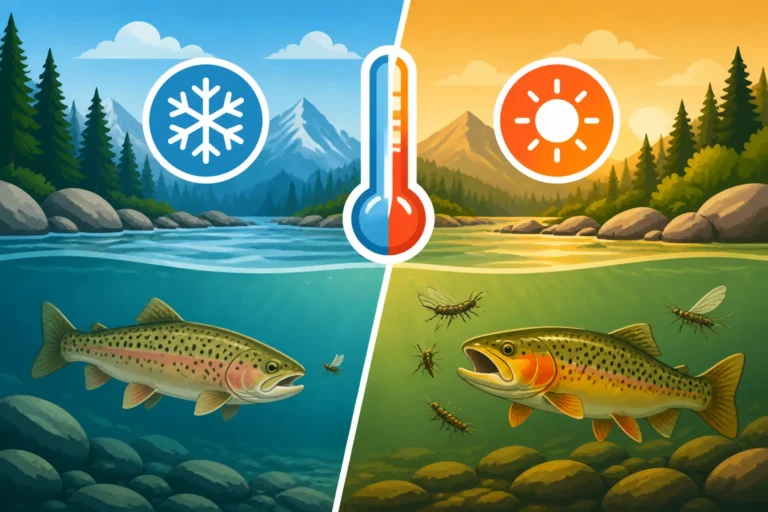
Water temperature is another critical factor. Colder water typically means trout are less active, holding in deeper, slower water, and are less willing to move far for a meal. This demands slower drifts, tiny flies (like midges), and prolonged presentations. Warmer water, within the trout's comfort zone, often means more active fish willing to chase flies in faster water. This might allow for slightly larger, more active patterns and a more aggressive retrieve. Always keep an eye on a stream thermometer; it provides invaluable data for making these crucial adjustments.
Dealing with Finicky Trout
There’s nothing more frustrating than seeing plenty of trout in clear water, presenting what you think are the perfect flies with a perfect drift, and watching them ignore your offerings. This is a common scenario on Colorado's finicky tailwaters, and it requires a methodical approach to troubleshooting. First, check your depth. Are your flies truly getting into the strike zone? If not, add more weight (split shot or heavier flies) or adjust your indicator. If you're constantly snagging, you might be too deep or have too much weight.
Next, evaluate your fly selection. Even if you think you’ve matched the hatch, subtle variations in size, color, or profile can make a difference. Try going down a size or two, or try a different shade of the same pattern (e.g., olive BWO instead of brown). Sometimes a "hot spot" on a fly (like a bright bead or collar) can trigger a curious fish. Consider checking under rocks in the streambed to see what natural insects are present – this direct observation is often the best clue. How Fine a Tippet You Need for Selective Tailwater Trout is also a consideration; sometimes, simply dropping from 5X to 6X or 7X can make all the difference on exceptionally wary fish.
Finally, refine your drift and presentation. Is there any drag? Even minute drag can cause a refusal. Try casting from a different angle, mending more aggressively, or switching to a Euro nymphing setup if you suspect contact is the issue. Sometimes, fish are simply spooky. A quieter approach, casting further away, or waiting for them to resume feeding after you've spooked them can help. If all else fails, consider changing locations entirely. A different section of the river, even just a hundred yards upstream or downstream, can have different feeding dynamics and less pressured fish. This relentless troubleshooting is what separates the consistently successful nymph angler from those who often go home frustrated.
Ethical Nymphing and Catch-and-Release
Nymphing, by its very nature, often involves targeting trout that are actively feeding and can lead to a high number of hook-ups. With this success comes a profound responsibility to practice ethical angling and prioritize the well-being of the fish, especially on heavily fished Colorado tailwaters where many fish are caught multiple times a season. Catch-and-release is a cornerstone of responsible fishing in these areas, ensuring the sustainability of these incredible resources.
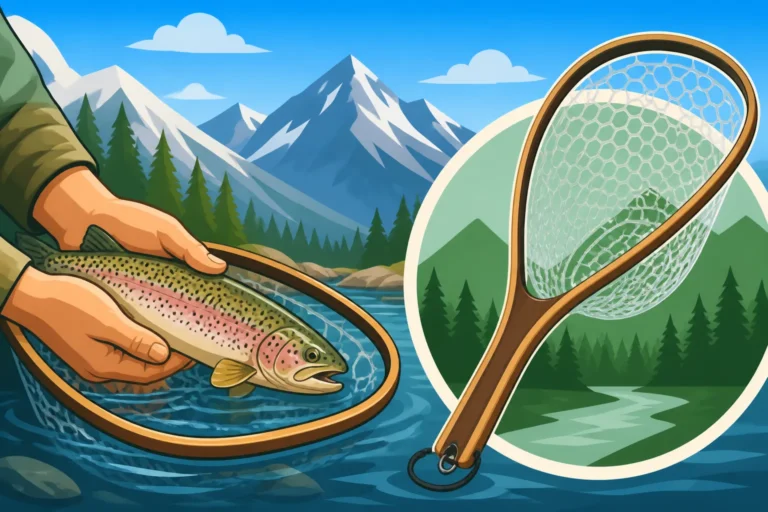
Always handle fish with wet hands, and keep them in the water as much as possible. A rubber-mesh landing net is ideal as it minimizes slime removal and fin damage. Avoid squeezing the fish or dragging them onto dry land. If you plan to take a photo, do so quickly, holding the fish just above the water, and return it gently to the river immediately. For deeply hooked fish (which can happen with nymphs), it's often best to cut the tippet as close to the hook as possible rather than trying to aggressively remove the hook, especially if it's in the gills or throat. The hook will often rust out, and the fish has a better chance of survival. Our article, How to Handle Trout for a Safe Release, offers a detailed guide to these crucial practices.
Beyond fish handling, ethical nymphing also extends to your behavior on the river. Be mindful of other anglers; give them plenty of space, and don't "high-hole" someone by cutting directly in front of them. Respect private property and always adhere to specific regulations, such as those governing Colorado Gold Medal Water Regulations Explained, which often have special rules like barbless hooks or specific tackle restrictions. Consider using barbless hooks for all your nymphing; they make hook removal much easier and reduce harm to the fish. By prioritizing these ethical considerations, we ensure that Colorado's exceptional tailwater fisheries remain healthy and vibrant for future generations of anglers to enjoy.
Disclaimer
Please note that fishing regulations in Colorado can change. Always consult the most current Colorado Parks and Wildlife (CPW) regulations brochure or website before heading out on the water. This guide is for informational purposes only and should not replace official sources.